
Film
Cannibal Holocaust
- Found-footage horror
- Very dark
- Strange
Cannibal Holocaust is a found-footage horror film that documents a rescue mission into the Amazon, told largely through recovered footage from missing documentarians. It's genuinely difficult to watch—graphic, disturbing, and deliberately provocative about exploitation and spectacle. For those interested in horror's darkest edges and cinema's capacity to challenge, it's historically significant and structurally audacious.
Should you watch it?
Watch it if you have a strong stomach and want found-footage horror that treats the camera itself as a moral question, the way early pseudo-documentary shockers did.
Skip it if you find sustained, graphic brutality and real animal cruelty hard to sit through, or you want a story that moves briskly rather than lingering on its shocks.
What it asks of you: It runs about an hour and a half of unsteady, handheld footage, slow to build and then relentless, so it wants patience before its harshest material arrives.
Not sure? Find tonight's pick in a minute.
If you liked this
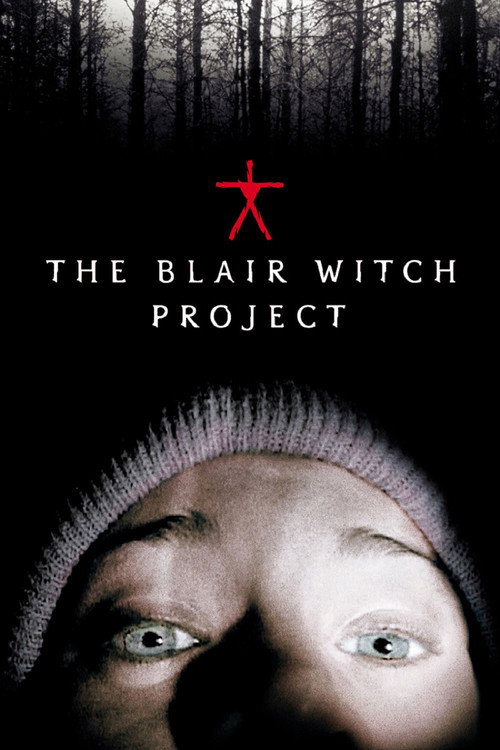
The Blair Witch Project1999
The first modern found-footage film, and it shares Cannibal Holocaust's genius for generating dread from fragmented perspective and the viewer's imagination filling gaps. Both use the format as philosophical statement, not just gimmick.
But It's deliberately understated and slow by design. If you want clear scares and constant action, this will feel like nothing happening for ninety minutes.
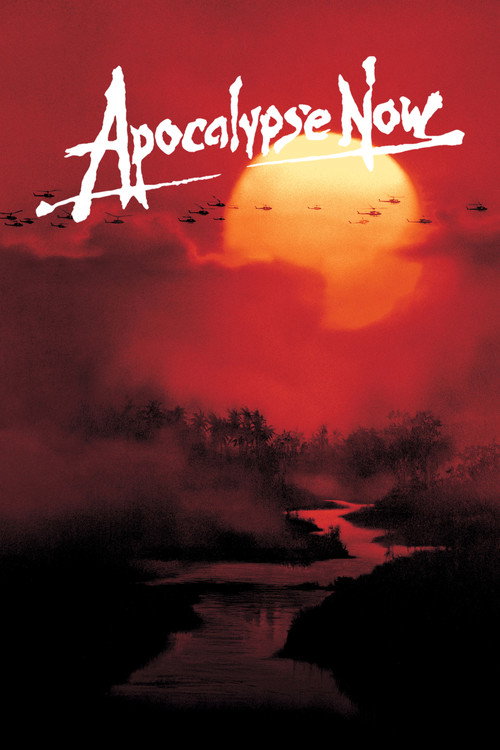
Apocalypse Now1979
Coppola's descent into the Conrad-inspired jungle similarly grapples with darkness, exploitation, and cinema's role in commodifying violence. Both are obsessed with what happens when outsiders meet wilderness and each other.
But It's nearly three hours and deeply philosophical. The connection is thematic and meditative rather than immediate or visceral.
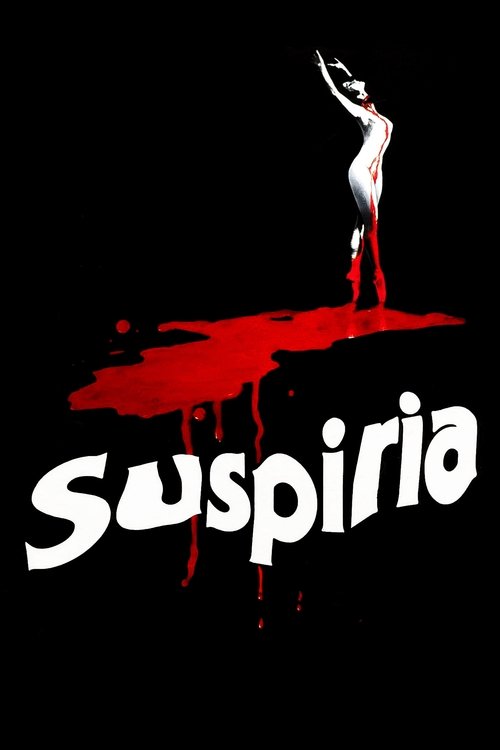
Suspiria1977
Dario Argento's masterpiece is equally shocking and committed to making you feel physically unsettled. Both films prioritize visceral impact and moral ambiguity over conventional narrative satisfaction.
But It's in Italian and plays more like a fever dream than a story. The surreal logic may frustrate anyone seeking conventional plotting.
Not sure tonight? Get a pick in a minute, starting from Cannibal Holocaust
The wildcard
Something you would not have found on your own.
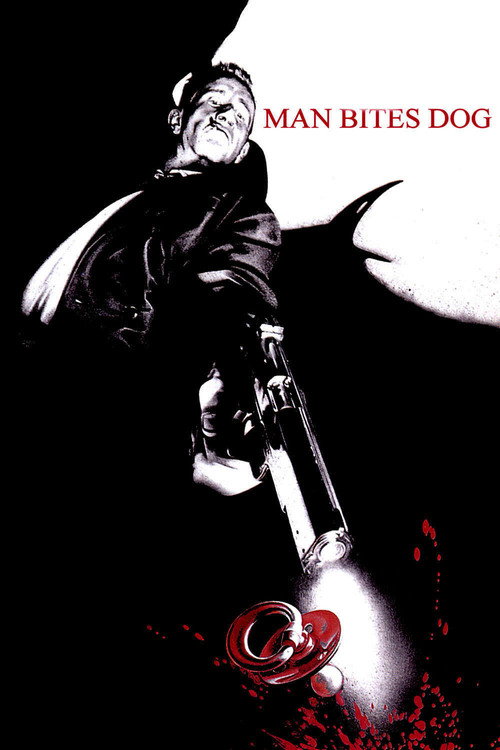
Man Bites Dog1992
Both use found-footage to implicate the viewer in exploitation. Man Bites Dog actually accomplishes what Cannibal Holocaust gestures toward: making the audience's complicity the central horror.
A Belgian found-footage mockumentary that makes the camera itself a moral issue—the documentarians aren't rescuing, they're complicit. It's the logical endpoint of Cannibal Holocaust's interrogation of spectacle, achieved through satire rather than brutality.
But Black-and-white, subtitled, deeply transgressive in its own way. It's intellectually bleak and will test whether you came for shock value or philosophy.
More like this (8)
Requiem for a Dream2000
Aronofsky's film shares an unflinching commitment to showing degradation and the human capacity for self-destruction. Both demand emotional investment in witnessing things you'd rather look away from.
But This is a modern masterpiece of despair. If you're looking for catharsis or hope, you will not find it; the film doesn't believe in your relief.

Come and See1985
Elem Klimov's Soviet war film operates in the same moral register—uncompromising documentation of human cruelty that implicates the viewer in bearing witness. A true peer in unflinching vision.
But It's a Russian-language film about WWII atrocities. The historical remove and language barrier make it harder to access than contemporary horror.

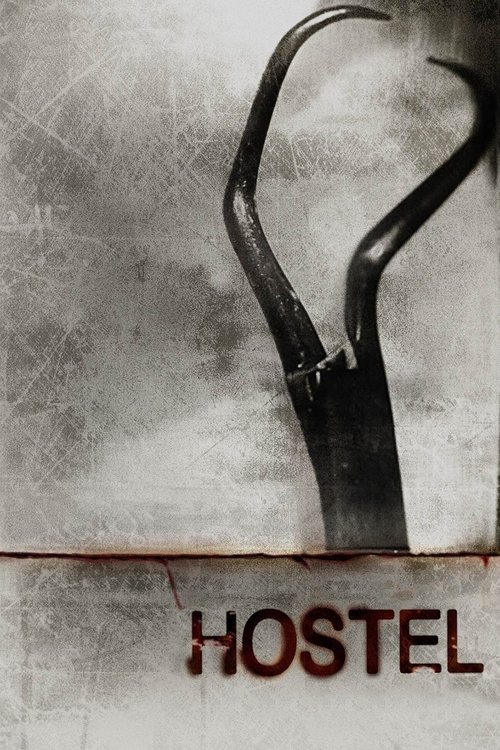
Hostel2006
Eli Roth deliberately provocative gore-horror that also wrestles with tourism, exploitation, and what we consume as entertainment. It has Cannibal Holocaust's interest in meta-commentary through extreme violence.
But It's sometimes dismissed as torture porn, and not entirely unfairly. The provocation can feel hollow compared to the thematic depth you might want.
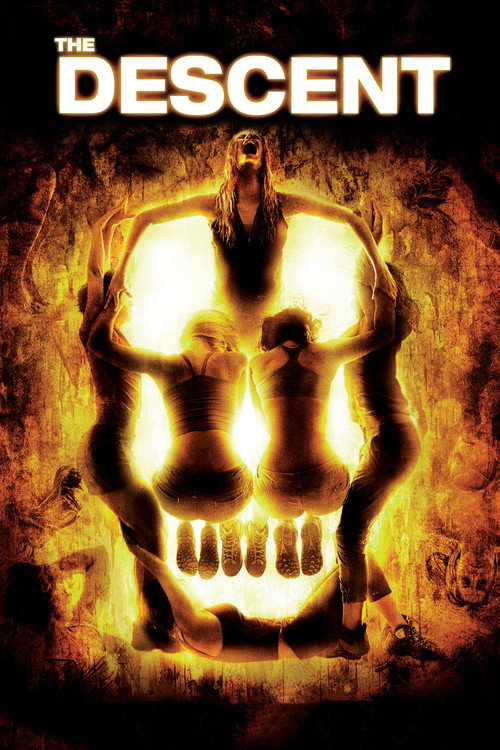
The Descent2005
A claustrophobic creature film that traps viewers underground and forces them to watch brutality unfold in darkness. Technically superior filmmaking serving genuine dread and moral complexity.
But It's straightforward entertainment compared to Cannibal Holocaust's philosophical density. You're getting a better film, but a simpler one.
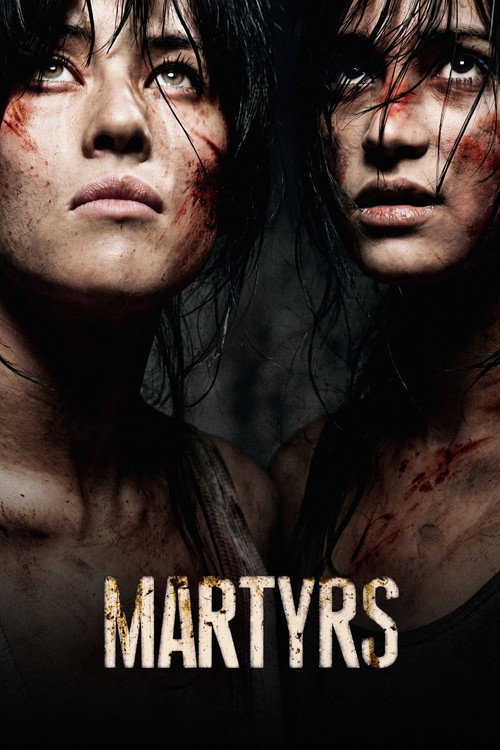
Martyrs2008
Pascal Laugier's French extremity film pushes into body horror and suffering with the same refusal to look away. Like Cannibal Holocaust, it demands you sit with images that are designed to repel.
But It's bleak in a way that can feel punitive. The film seems almost hostile to viewer comfort, which some will experience as pretentious rather than profound.
Raw2017
Ducournau's body-horror portrait of a cannibal uses gore and viscera as metaphor for female hunger and desire. It's recent proof that the themes Cannibal Holocaust struggled toward can be achieved with genuine artistry.
But It's much slower and more introspective than you might expect. The horror is psychological and gradual rather than immediate.

Nanook of the North1922
Cannibal Holocaust is partly a furious response to documentary's tradition of turning indigenous people into performance. Nanook is where that tradition was born.
Flaherty's silent documentary of Inuit life is cinema's grandfather, and it's also profoundly compromised—he staged scenes, directed his subjects, turned their reality into spectacle. It's the original sin Cannibal Holocaust responds to.
But It's silent, slow, and a century old. The ethical problems are historical abstraction until you actively think about them. Some viewers will just see a dated curiosity.

Synecdoche, New York2008
Both use their formal structure to make the viewer feel implicated in the act of watching. Synecdoche does it through meta-theatrical collapse; Cannibal Holocaust through raw footage. Same moral question, opposite methods.
Kaufman's fractured nightmare about a theatre director creating a replica of reality is formally the opposite of found-footage, but it's asking the same question: what is the difference between documenting life and exploiting it for art? Both films make you complicit.
But It's a three-hour experimental mental labyrinth. If you want clear narrative or catharsis, you will be lost and frustrated. Some call it self-indulgent, and there's a case for it.

People
Cast
 Robert KermanProfessor Harold Monroe
 Francesca CiardiFaye Daniels
- Perry PirkanenJack Anders
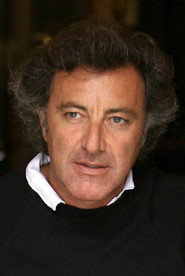 Luca BarbareschiMark Tomaso
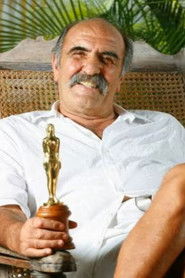 Salvatore BasileChaco Losojos
 Ricardo FuentesMiguel Lujan
 Carl Gabriel YorkeAlan Yates
 Paolo Paoloni1st Executive
 Lionello Pio Di Savoia2nd Executive

Directing
- Alberto Jiménez RuizAssistant Director
- Carlos Eduardo UribeAssistant Director
- Gloria JaramilloAssistant Director
- Lamberto BavaAssistant Director
- Salvatore BasileAssistant Director
- Rossana RocchiContinuity
- Ruggero DeodatoDirector
Writing
- Gianfranco ClericiScreenplay
- Gianfranco ClericiStory
Production
- Bill WilliamsCasting
- Franco Di NunzioProducer
- Franco PalaggiProducer
- Giovanni MasiniProduction Manager
- Vito Di BariProduction Secretary
Recommended by
The Blair Witch Project, The American Nightmare, Hostel, Grave Encounters, Mondo Cane, The Masque of the Red Death, Nekromantik, Guinea Pig Part 2: Flower of Flesh and Blood, Anthropophagous, Blood Sucking Freaks, I Drink Your Blood, The Hunchback of Notre Dame, Grotesque, Cannibal Ferox, The Last Broadcast, The Green Inferno, Primeval, Hatchet, Slave of the Cannibal God, Circus of Horrors, The Bloody Judge, Eaten Alive!, Headless, The Awakening, The House with Laughing Windows, Torso, All the Colours of the Dark, The House by the Cemetery, The Forest, The Burning Moon, The Fun House, Faces of Death, Bullets of Justice