
Film
The American Nightmare
A brisk, revelatory documentary about how 1960s and 70s horror cinema became a mirror for American anxiety: Vietnam, racism, sexual liberation, social collapse. Directors Romero, Carpenter, Cronenberg and Craven explain how they weaponized genre to process national trauma. Essential viewing for anyone who wants to understand why horror matters.
Should you watch it?
Watch it if you enjoy hearing filmmakers explain their own craft and want to understand why 1970s horror felt so unsettling to the people who first watched it.
Skip it if you want a slick, clip-packed history with tidy narration, since this is mostly directors talking to the camera in a fairly plain format.
What it asks of you: A brisk seventy-three minutes that rewards close listening, moving steadily from one director's memories to the next, with no prior knowledge needed.
Not sure? Find tonight's pick in a minute.
If you liked this
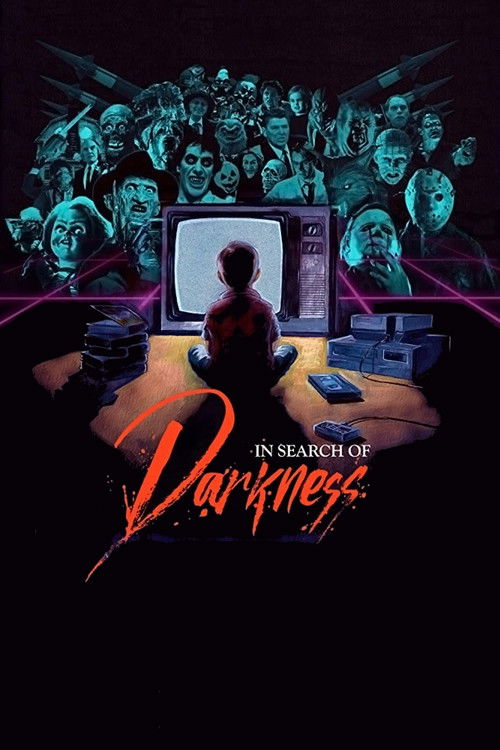
In Search of Darkness2019
A comprehensive three-hour love letter to 1980s horror that echoes this film's approach: filmmakers and critics unpacking why the decade produced such urgent, transgressive work. Same DNA, next generation.
But The runtime is genuinely taxing, and it sometimes mistakes comprehensiveness for insight. Can feel more like a checklist than argument.
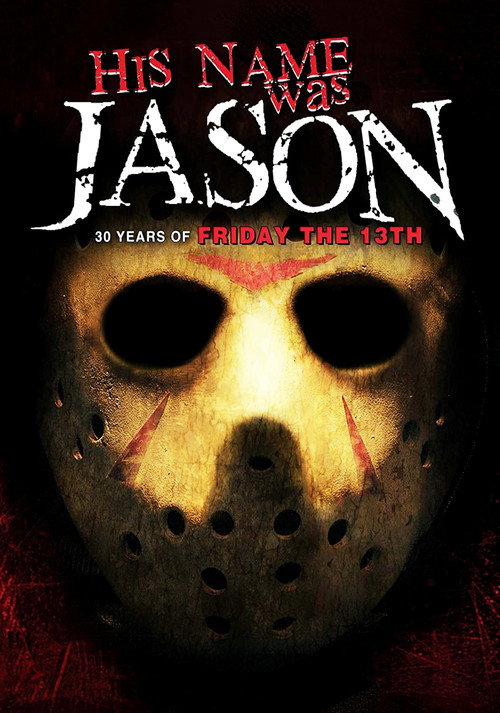
His Name Was Jason: 30 Years of Friday the 13th2010
Deep dive into Friday the 13th's cultural impact and legacy through cast and crew interviews. Focuses intensely on one franchise rather than surveying a whole era, but with the same respect for the material.
But Essentially a feature-length infomercial for a single slasher series; requires pre-existing interest in Jason Voorhees to fully engage.
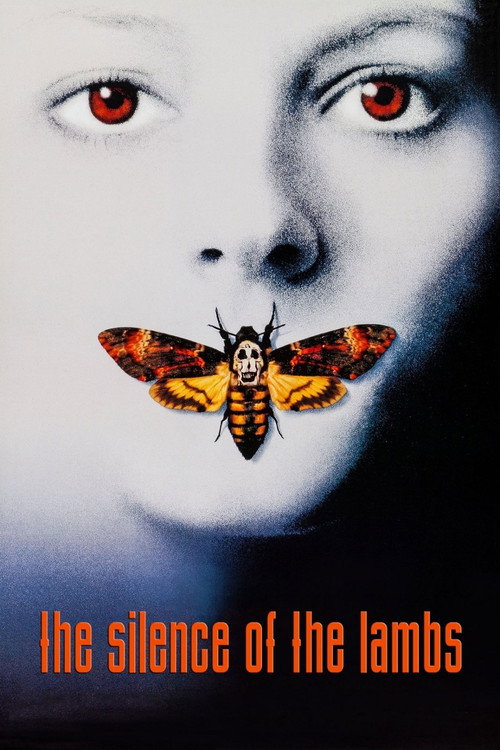
The Silence of the Lambs1991
Proof that the political horror language forged in the 70s evolved into mainstream prestige—a thriller that's genuinely about contemporary anxieties (serial killing, institutional failure) wrapped in psychological brilliance.
But So thoroughly dissected and quoted that it's hard to watch fresh. The Hannibal mystique can overshadow the film's actual intelligence.
Not sure tonight? Get a pick in a minute, starting from The American Nightmare
The wildcard
Something you would not have found on your own.
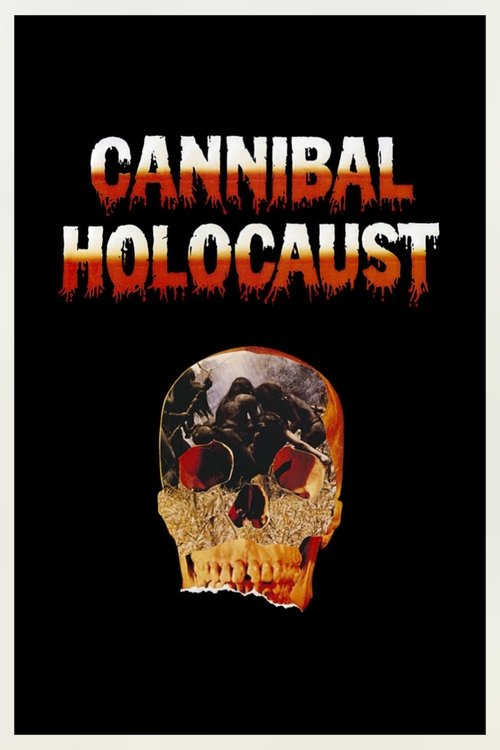
Cannibal Holocaust1980
Both ask what horror cinema owes to truth and exploitation; both weaponize audience discomfort as a tool for social commentary rather than mere sensation.
Italian exploitation that operates in the same register as 70s American horror—visceral, political, deeply uncomfortable about complicity and spectacle. But filtered through colonialism and found-footage mythology; asks different questions about the same impulses.
But Extremely graphic violence, real animal death, and a deeply misogynistic narrative. The film's politics are muddled at best; sometimes it seems to embrace what it claims to critique.
More like this (5)
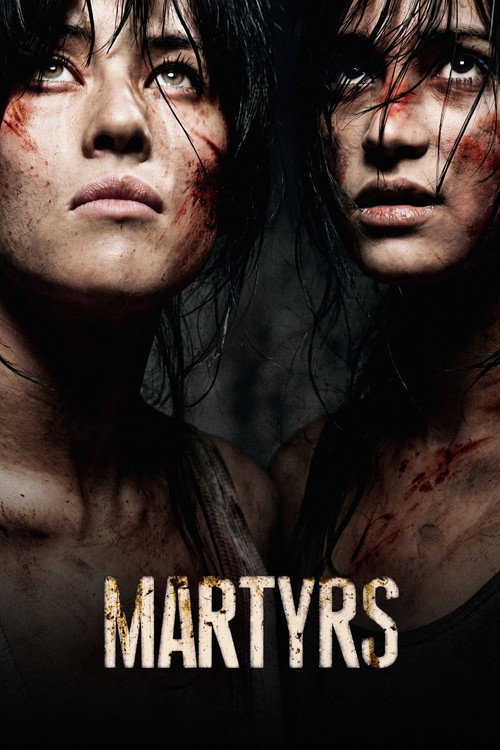
Martyrs2008
French extreme horror that inherits the 70s American mission: using transgressive cinema to ask uncomfortable questions about suffering, meaning, and what we'll endure for belief. Genuinely disturbing and genuinely philosophical.
But Punishingly graphic and nihilistic. Not entertainment; an ordeal. Some viewers will feel manipulated rather than provoked.
Suspiria1977
Dario Argento's masterpiece is Italian giallo horror at its peak—proof that the era's artistic ambitions extended far beyond American shores. Gorgeous, dreamlike terror that feels completely of its moment.
But Deliberately artificial and operatic; the plot barely exists. If you want narrative clarity or naturalistic acting, look elsewhere.

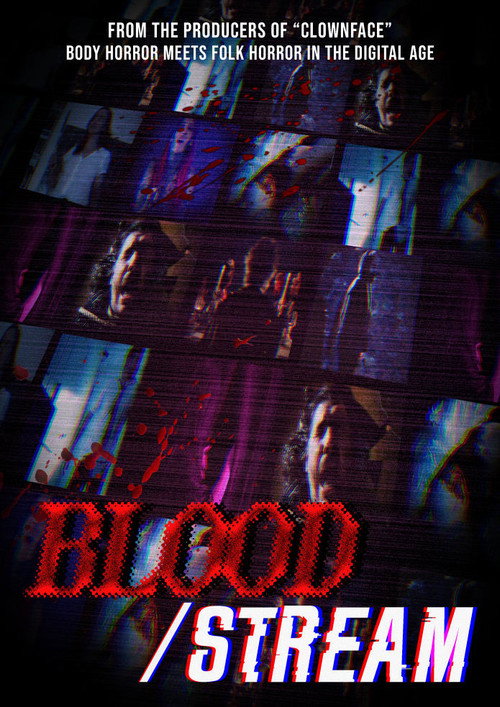
Blood/Stream
Explores how Cronenberg and his contemporaries used visceral imagery to depict bodily anxiety during the sexual revolution and disease panic. Direct intellectual lineage from the filmmakers in The American Nightmare.
But Academic in tone, somewhat dry. Works better as reference material than viewing experience; very essay-like in structure.
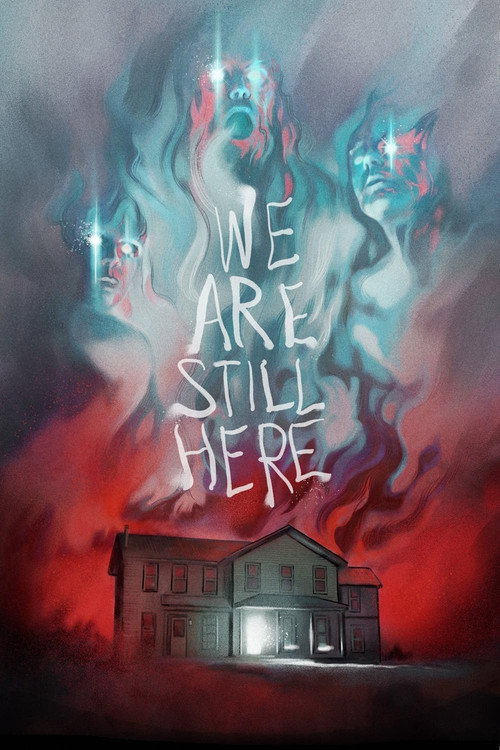
We Are Still Here2015
Uses the exact visual and narrative grammar that Romero and Hooper pioneered to process contemporary American anxiety about class, community, and who belongs where.
A contemporary filmmaker digests exactly what The American Nightmare identifies—the 70s language of folk horror and class dread—and speaks it fluently in a new context. Proves the aesthetic is permanently alive, not historical artifact.
But Genre pastiche can feel like homage without adding much new. If you know your 70s horror well, you'll spot every reference; some might read as nostalgia rather than innovation.
Synecdoche, New York2008
Both diagnose American cultural anxiety through constructed imagery; both argue that the medium's strangeness and artifice can express truths that naturalism cannot.
Charlie Kaufman's labyrinth is horror—the horror of art, obsession, mortality, and the attempt to render experience through creation. Same core dread as The American Nightmare's subjects, but refracted through meta-theatrical devastation instead of monsters.
But Demands enormous patience and multiple viewings. Deliberately obscure, sometimes to its own detriment; easy to feel lost or exhausted rather than moved.

People
Cast
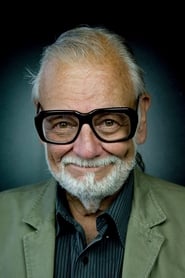 George A. RomeroSelf
 John CarpenterSelf
 Tom SaviniSelf
 David CronenbergSelf
 Wes CravenSelf
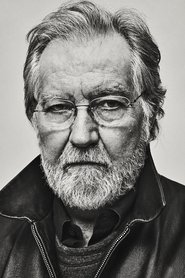 Tobe HooperSelf
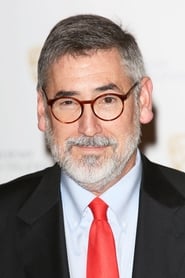 John LandisSelf
- Tom GunningSelf
- Carol J. CloverSelf
- Adam LowensteinSelf
 Evelyn AnkersSelf
 Kirsten BishopSelf
Directing
- Adam SimonDirector
Writing
- Adam SimonWriter
Production
- Colin MacCabeProducer
- Jonathan SehringProducer
- Paula JalfonProducer
- Emma WhiteleyProduction Manager
Recommended by
Dawn of the Dead, Owned: A Tale of Two Americas, Nightmares in Red, White and Blue