
Film
Nightmares in Red, White and Blue
A love letter to American horror cinema narrated by Lance Henriksen, featuring candid conversations with genre masters like John Carpenter and Joe Dante. It's part film history, part aesthetic manifesto—an examination of why we crave fear, and what horror reveals about ourselves. For anyone who's wondered why they love being scared.
If you liked this
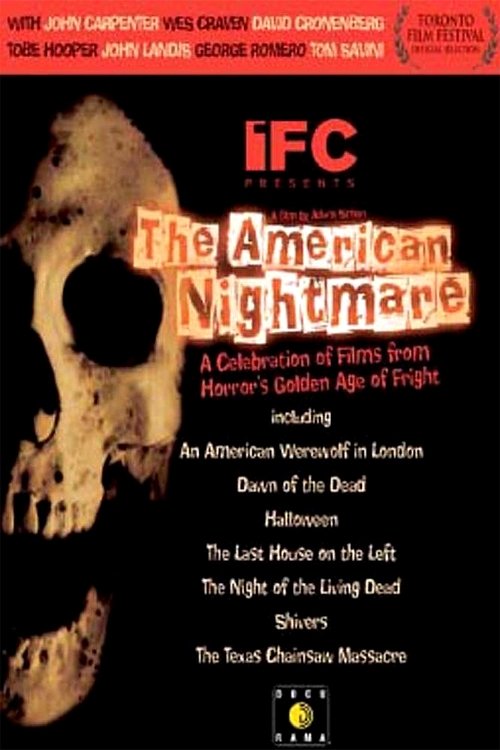
The American Nightmare2000
A sharper, more focused documentary about how 1970s horror films processed contemporary American anxiety—Vietnam, Watergate, sexual revolution. Tighter argument, more revelatory about the era.
But Darker in tone and less celebratory. Requires familiarity with the films it discusses to fully land.
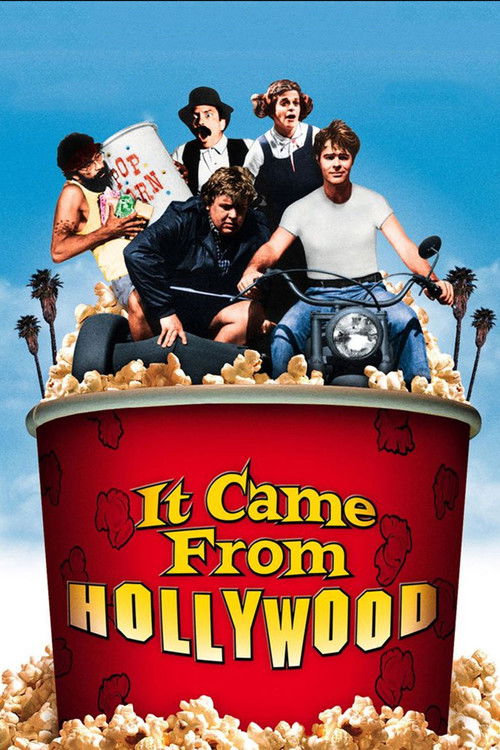
It Came from Hollywood1982
A raucous, wildly entertaining clip-show that mines B-movies and creature features for comedy gold. Same anarchic spirit as your subject, but more interested in camp and laughs.
But Scattered and loose—some segments feel padded. The humor can feel dated in places, and it doesn't dig into serious film analysis.
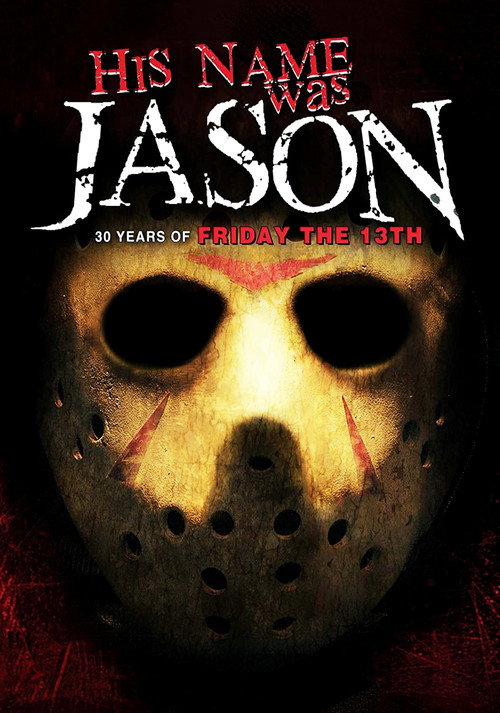
His Name Was Jason: 30 Years of Friday the 13th2010
Made the same year, same cheerful approach to a single franchise's legacy. Directors and actors reminisce about slasher cinema's appeal with genuine affection and surprising depth.
But Narrowly focused on one series, so it lacks the broad overview of American horror as a whole. Feels more like a retrospective than a critique.
Not sure tonight? Get a pick in a minute, starting from Nightmares in Red, White and Blue
The wildcard
Something you would not have found on your own.
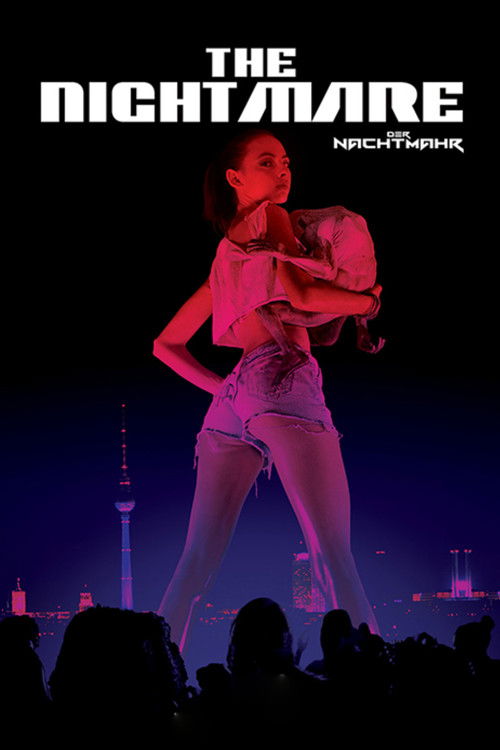
The Nightmare2015
Both examine the architecture of fear itself, but Ascher pursues it into the spaces where cinema stops and psychology begins. Where Nightmares asks 'why do we watch horror?', The Nightmare asks what horror is when it happens without a screen.
Rodney Ascher assembles footage and actors to explore sleep paralysis and the terror that lurks at the boundary between dreams and waking. It's experimental, hypnotic, genuinely unsettling—horror as *experience* rather than explanation.
But Barely a traditional documentary. Reconstructions blur with real testimonies; the line between cinema and evidence gets deliberately smudged, which some find pretentious or frustrating.
More like this (5)
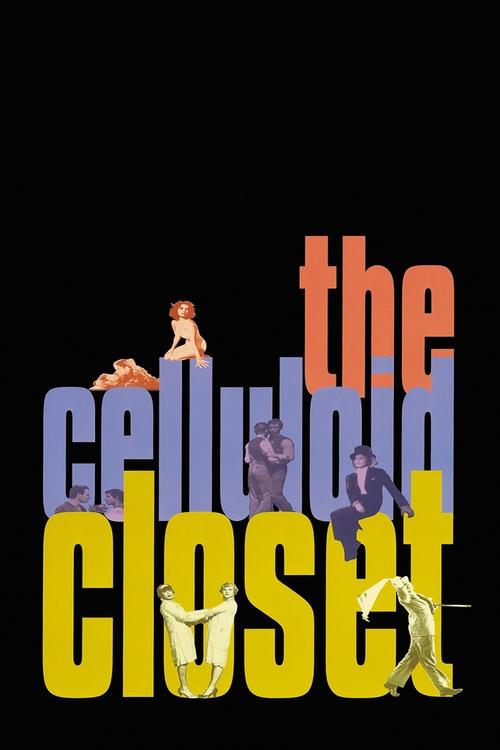
The Celluloid Closet1996
A model documentary: uses clips expertly, interview subjects who lived the history, and an argument about what cinema means. Accessible but rigorous—watch how it's constructed.
But About representation in Hollywood, not horror specifically. Different subject matter, so the connections require extra work from you.
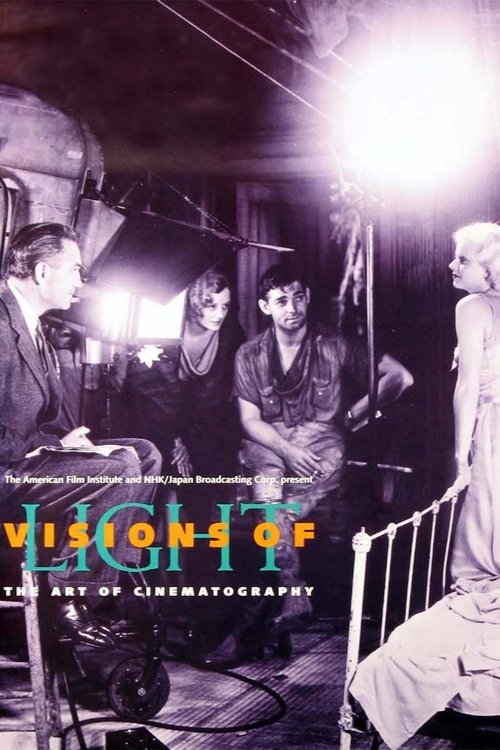
Visions of Light1992
Cinematographers and directors discuss the visual language of cinema. Same premise as your film but applied to photography itself. Illuminating for anyone who loves how things look on screen.
But Technical and visual-focused in a way that can feel abstract. Not narrative-driven, so it requires active engagement.
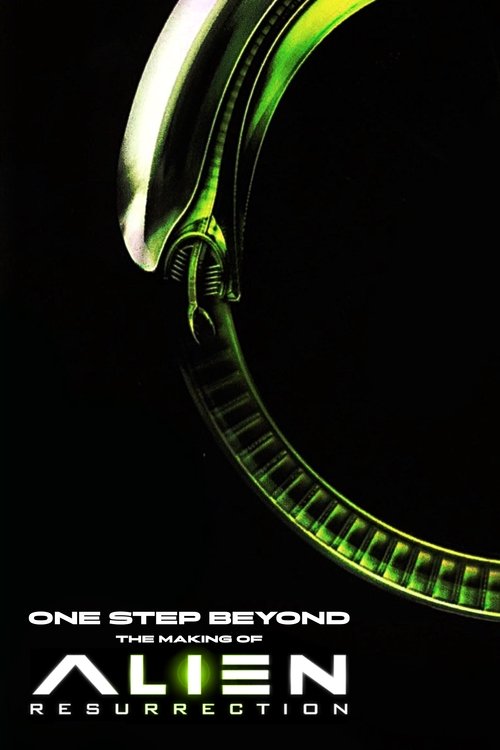
One Step Beyond: The Making of Alien Resurrection2003
Deep dive into one film's creation: design, practical effects, casting, the director's vision. Shows you how a horror-sci-fi masterpiece actually got made, beyond the mythology.
But Production-focused rather than reflective. Less about horror as an American tradition, more about how one studio picture came together.
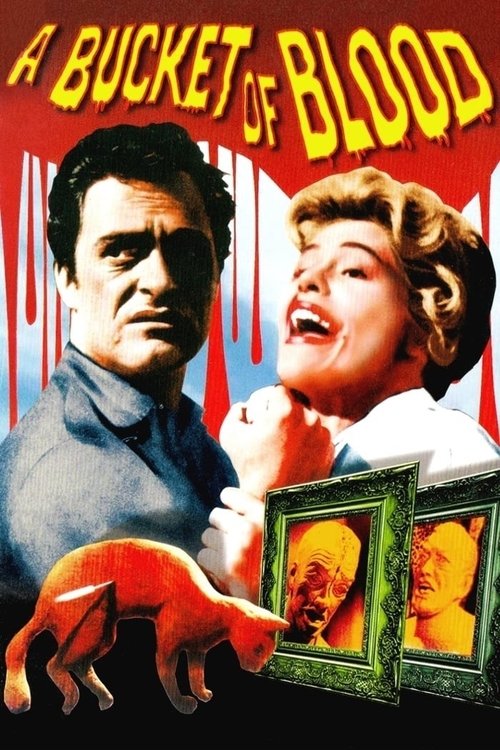
A Bucket of Blood1959
This is the B-movie DNA that American horror inherited. The documentary talks about the tradition; here's an example the film might overlook—a reminder that horror in America came from exploitation and resourcefulness, not just auteur intention.
Roger Corman's pitch-black comedy about a busboy in a beatnik café who accidentally becomes a celebrated sculptor—by accident. Genuinely twisted, formally inventive, and proof that American horror thrived before the '70s revolution the documentary privileges.
But Only 65 minutes, shot in black-and-white on a poverty budget. Looks scrappy and cheap. The comedy lands hard, so if you want pure scares, this will feel too silly.
Possession1981
The documentary builds a certain myth of American horror as pragmatic and efficient. Possession explodes that myth—a reminder that horror cinema is international, and that the strangest, most effective scares often come from outside the tradition the film celebrates.
Andrzej Żuławski's hallucinatory marriage-dissolves-into-body-horror masterpiece defies genre. It's European, it's sexual, it's genuinely alarming. What happens when an American horror sensibility collides with European art-cinema maximalism?
But Unevenly paced, deliberately difficult, and genuinely toxic in its depiction of its characters. Some find it dated or pretentious rather than actually frightening. Not a comfortable watch.

People
Cast
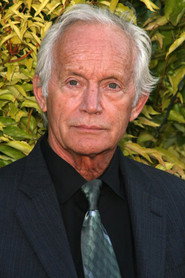 Lance HenriksenNarrator (voice)
 Larry CohenSelf
 Joe DanteSelf
 John CarpenterSelf

 Mick GarrisSelf
 Tom McLoughlinSelf
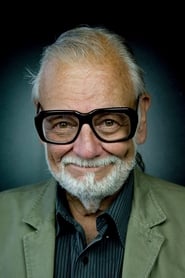 George A. RomeroSelf
 Brian YuznaSelf
 Roger CormanSelf
- Anthony TimponeSelf
Directing
- Andrew MonumentDirector
Writing
- Joseph MaddreyWriter
Production
- Robert ValdingAssociate Producer
- Ingo JuchtExecutive Producer
- Joseph MaddreyProducer
Recommended by
Never Sleep Again: The Elm Street Legacy, Hell on Earth: The Story of Hellraiser III, Mistral's Daughter