
Film
A Bucket of Blood
A Roger Corman quickie where a bumbling busboy at a beatnik coffeehouse becomes an overnight art-world sensation by accident, then decides to keep the momentum going. It's a pitch-black comedy that uses body horror and social satire to skewer pretension while genuinely rooting for its hapless protagonist. Funny, nasty, and weird in a way that feels utterly fresh.
Should you watch it?
Watch it if you enjoy dry, deadpan satire of art-world vanity and cool-kid posturing, and like your horror played for laughs with a sly, cheap-and-cheerful wit.
Skip it if you want real gore or genuine scares, since this is a light spoof where the horror is mostly a punchline and the jokes can feel broad.
What it asks of you: Barely an hour long, it moves at a leisurely, deadpan clip and wants you to settle into its crude, cheerful strangeness rather than chase a tight plot.
Not sure? Find tonight's pick in a minute.
If you liked this
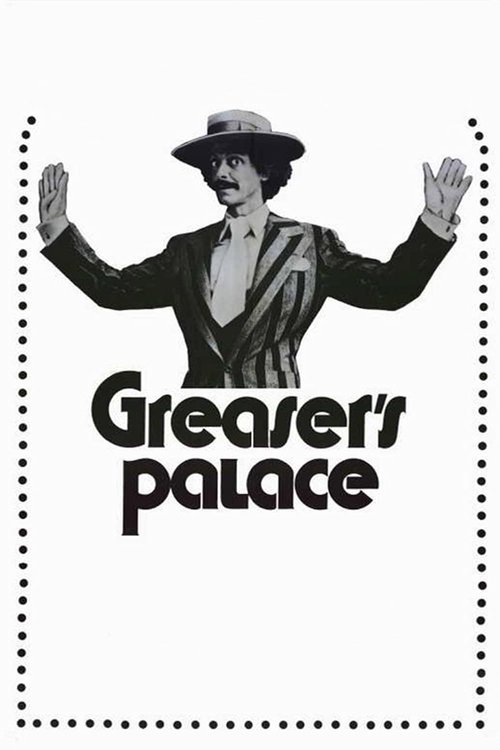
Greaser's Palace1972
Another Corman-adjacent film that blends horror and comedy to satirize bohemian culture and artistic pretension. Surreal, transgressive, and uncompromisingly strange—it builds the same fever-dream energy.
But Deliberately antagonistic tone; the satire is blunt enough to feel hostile if you're not in the mood for it. Not interested in being liked.
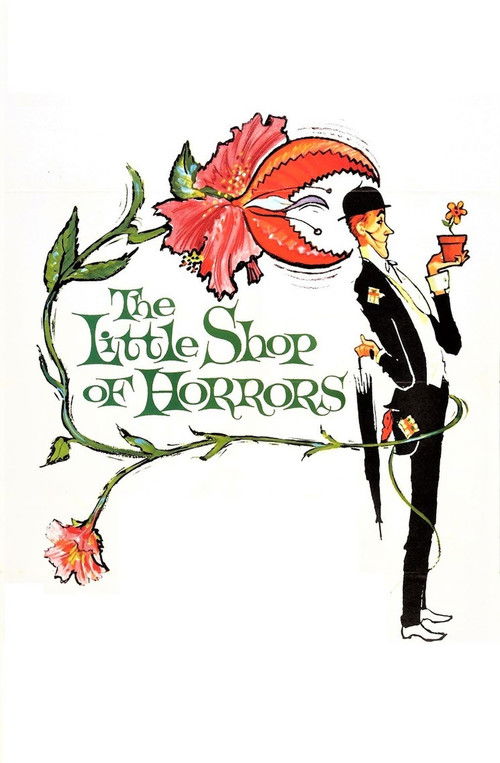
The Little Shop of Horrors1960
Another Corman B-picture where a nobody becomes famous through a dark accident. Same lowball budget, same wicked gallows humor, same sense that the world rewards terrible people as long as they entertain.
But The predecessor energy might feel derivative once you know Bucket of Blood exists. Slightly more earnest about its plot.
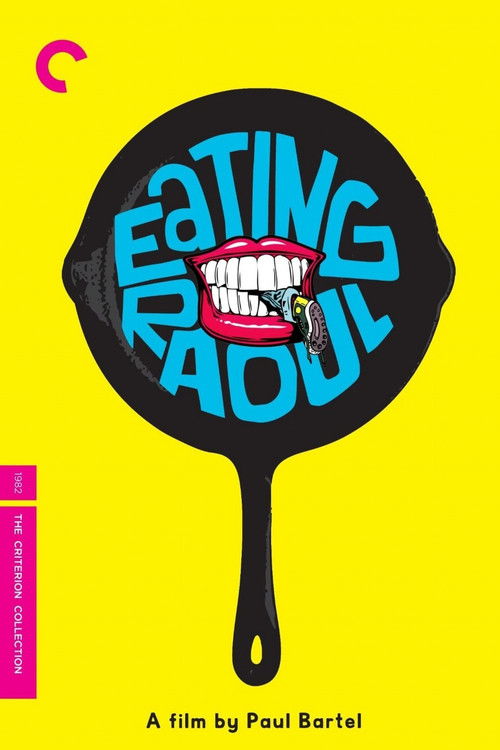
Eating Raoul1982
A mild-mannered couple stumble into murder and discover it pays. Razor-sharp satire of bourgeois morality wrapped in pitch-black farce. The tone—affectionate contempt for everyone—is identical to Bucket of Blood.
But Eighties aesthetic will date it for some viewers. The humor relies on finding ordinariness grotesque, which isn't everyone's speed.
Not sure tonight? Get a pick in a minute, starting from A Bucket of Blood
The wildcard
Something you would not have found on your own.
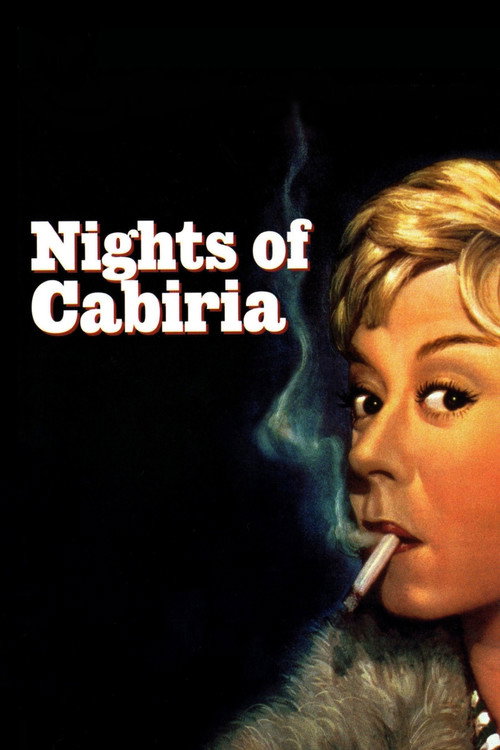
Nights of Cabiria1957
Both films find humanity in the desperate and deluded; both use grotesque situations to expose the cruelty of a society that only rewards spectacle. Walter and Cabiria are siblings—the world destroys them differently, but equally.
Fellini's portrait of a Rome streetwalker who keeps hoping for transcendence despite the world's contempt. Heartbreaking, funny, grotesque, and strangely tender. Like Bucket of Blood, it uses a marginalized protagonist's delusion as its engine—but here Fellini finds genuine sorrow underneath.
But Italian neorealism isn't for everyone; the pacing is meditative rather than propulsive. The pathos occasionally overwhelms the comedy.
More like this (7)
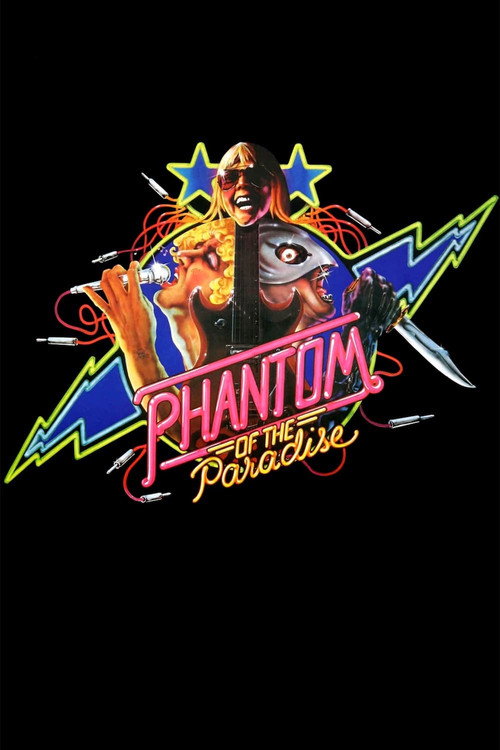
Phantom of the Paradise1974
Brian De Palma's operatic revenge tale about a composer destroyed by the music industry. Mixes horror and black comedy with genuine pathos, and it's gorgeously made. Another film about a nobody the world doesn't deserve.
But Runs nearly two hours; much more ambitious and serious in tone. Starts as satire but commits fully to tragedy.
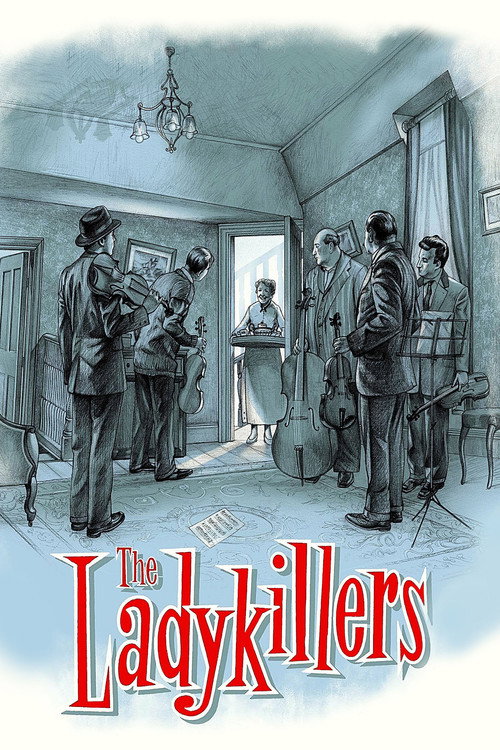
The Ladykillers1955
Ealing masterpiece about criminals masquerading as musicians to rob a bank while renting from an old landlady. Whip-smart dialogue, pitch-perfect performances, and a profound contempt for its own characters delivered with affection.
But British sensibility; the humor is in the writing rather than the situation. Might feel slow if you're craving visual gags.
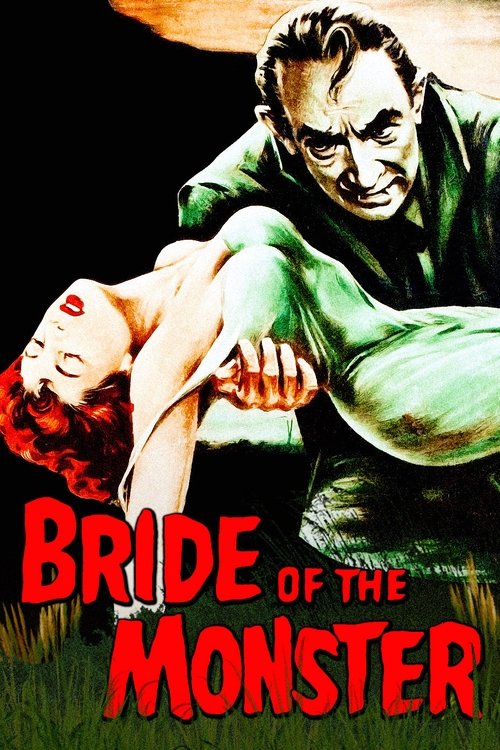
Bride of the Monster1955
Ed Wood's gloriously inept B-movie where a mad scientist creates a bride from corpses. Earnest incompetence as its own form of charm. You'll recognize the same energy: low budget, high ambition, unaware of its own ridiculousness.
But Ed Wood's direction is genuinely poor; some find the earnestness tedious rather than endearing. Requires generosity to enjoy.
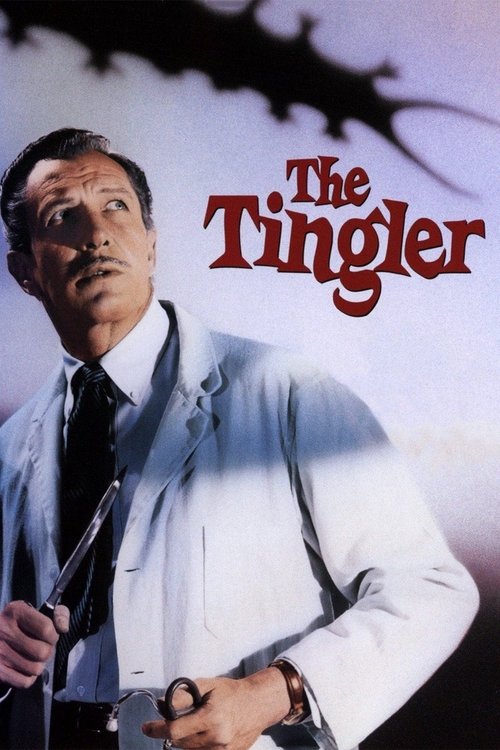
The Tingler1959
William Castle creature feature with genuine creepy-crawly atmosphere and pitch-black humor. A creature made of fear itself hunts victims; it's grotesque and absurd simultaneously, trading on the same 1950s monster-movie earnestness.
But Castle's gimmicks date the film visually. The middle section drags. Castle's sensibility is circus-barker energy, not Corman's precision.
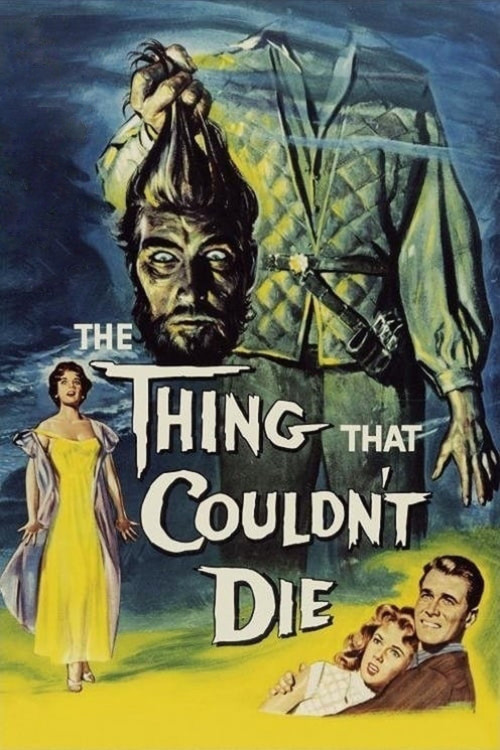
The Thing That Couldn't Die1958
A severed head with psychic powers preys on people at a ranch. Wonderfully silly AIP production that commits fully to its absurd premise. Earnest B-movie camp—the DNA of Bucket of Blood stretched out.
But Dragging pacing; most of the runtime is people standing around. The premise carries it further than the actual storytelling does.
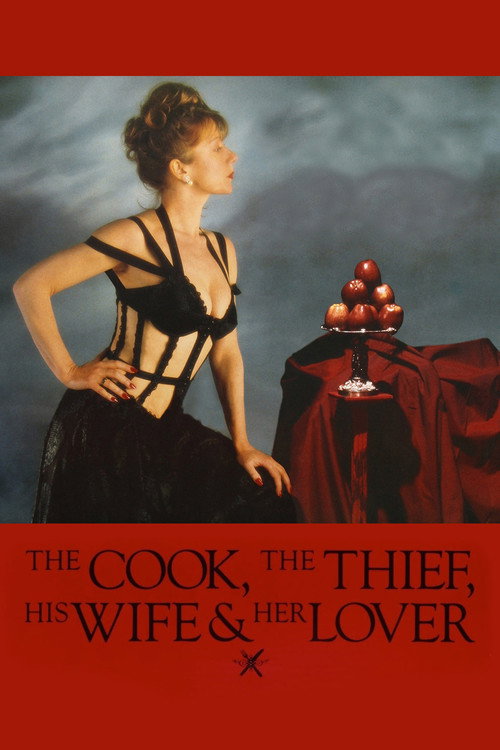
The Cook, the Thief, His Wife & Her Lover1989
Both use bodily grotesquerie and art-world satire; both treat their audiences' discomfort as part of the point. Both are cruel films that somehow love their characters anyway.
Peter Greenaway's baroque provocation: a thug and his wife's affair, told through obsessive production design and bodies in space. It's Bucket of Blood's contempt for society amplified to operatic hysteria—gorgeous, grotesque, absolutely uncompromising.
But Sexually explicit; willfully difficult and confrontational. The formal experimentalism can feel like showing off. Not interested in accessibility or comfort.
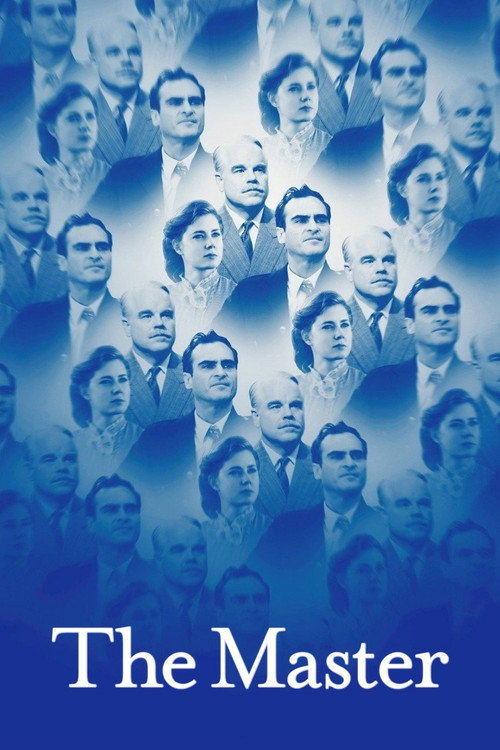
The Master2012
Both films examine how charisma and bullshit become indistinguishable; both are fascinated by the gap between a person's self-image and their actual monstrousness. Walter and Lancaster Dodd are separated by decades and sensibility, but they're both selling the same invisible product.
Paul Thomas Anderson's portrait of a charismatic charlatan and his true believer—a battle of wills wrapped in 1950s Americana. Slow-burn psychological horror masquerading as character study. Evoking the same suffocating dread as Bucket of Blood, but stretched across three hours.
But Deliberately opaque; refuses to judge its characters or make moral clarity easy. Requires multiple viewings. Anderson's maximalism might overshadow the intimate unease.
People
Cast
 Dick MillerWalter Paisley
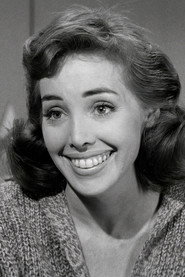 Barboura MorrisCarla
 Antony CarboneLeonard de Santis
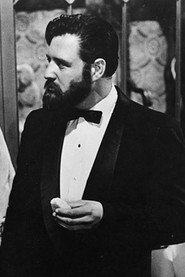 Julian BurtonMaxwell H. Brock
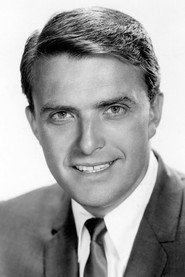 Ed NelsonArt Lacroix
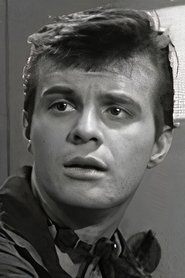 John BrinkleyWill
- John Herman ShanerOscar
 Judy BamberAlice
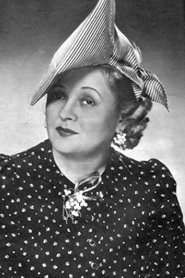 Myrtle VailMrs. Swickert
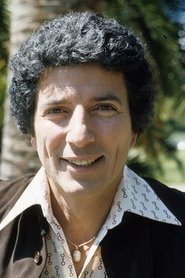 Bert ConvyLou Raby
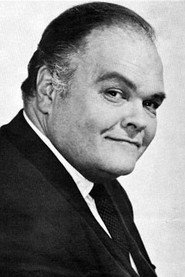 Bruno VeSotaArt Collector
 Sheila NoonanYellow Door Patron (uncredited)
Directing
- Paul RappAssistant Director
- Roger CormanDirector
Writing
- Charles B. GriffithScreenplay
Production
- Roger CormanProducer
- Jack BohrerProduction Manager
Recommended by
Corman's World, The Halfway House, Nightmares in Red, White and Blue