
Film
Bride of the Monster
Bela Lugosi's final leading role is a gloriously ramshackle atomic-age creature feature about a mad scientist breeding super-soldiers in a haunted mansion. Shot in stark black and white on a shoestring budget, it moves with B-movie urgency and cheerful disregard for physics. Made for anyone who loves old horror but isn't precious about it—who can laugh and shudder in the same breath.
If you liked this
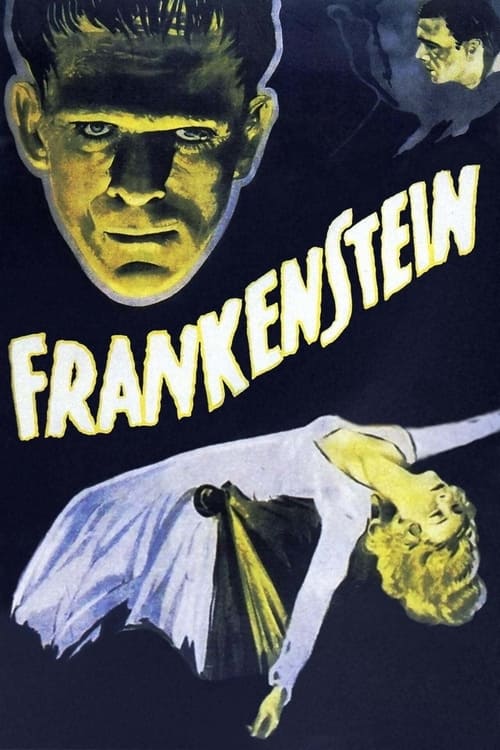
Frankenstein1931
The template Lugosi knew intimately. James Whale's control and atmosphere show what the mad-scientist story can be when resources align with vision. Essential ancestry.
But Nearly a century old. If you need sound design and pacing shaped by modern taste, the deliberate rhythm may feel glacial.
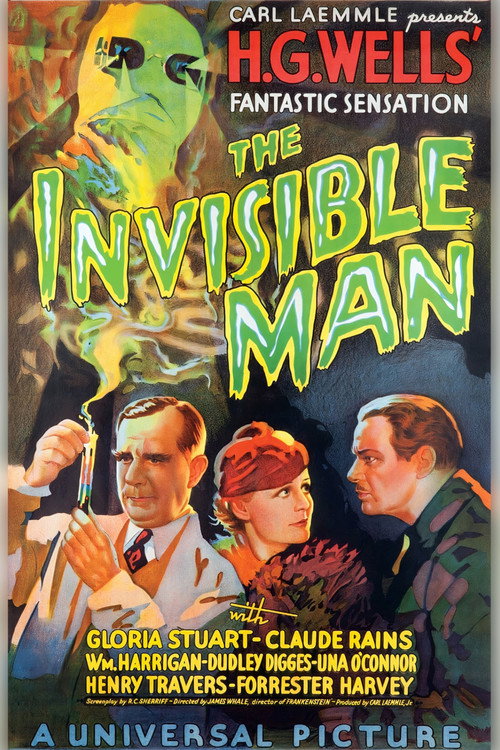
The Invisible Man1933
Universal's other towering creature feature. Claude Rains gives a performance of genuine menace and tragedy. Proof the studio knew how to build dread when it mattered.
But Rains' voice carries the film; without a strong speaker system, some of the power dissipates.
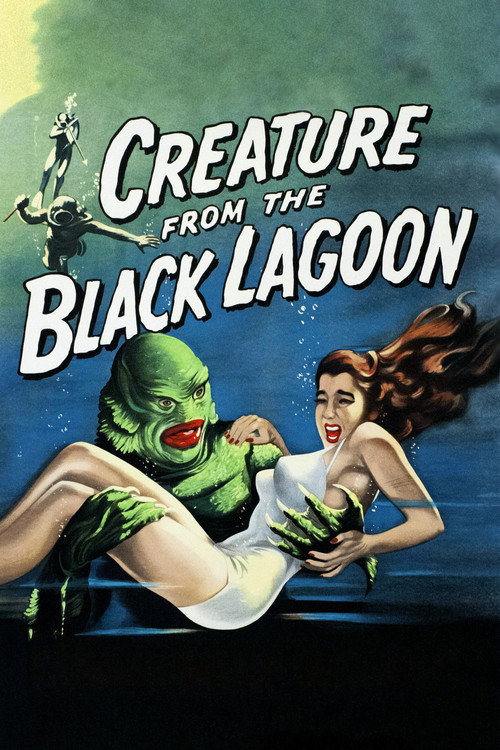
Creature from the Black Lagoon1954
Made the year before Bride, it's the atomic-age monster movie done right—legitimately eerie, visually inventive underwater sequences, and a creature design that still works. Shows what the genre could achieve.
But If you watch this first, Bride's rough edges become more apparent rather than charming.
Not sure tonight? Get a pick in a minute, starting from Bride of the Monster
The wildcard
Something you would not have found on your own.
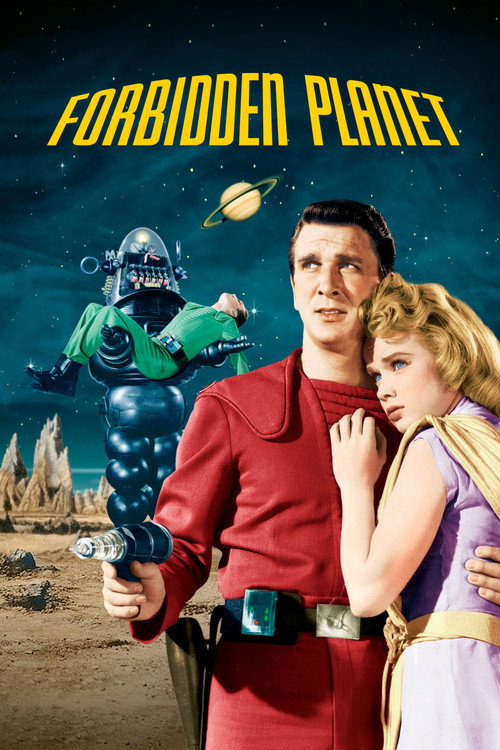
Forbidden Planet1956
Both pit a mad scientist and his mute servant against society; Forbidden Planet simply has the money to realize the vision at scale.
Made one year after Bride, it's what atomic-age sci-fi looks like with MGM's budget and ambition. Shakespeare in space, real sets, Robby the Robot, and a genuinely creepy central concept. The film Lugosi might have headlined had fortune tilted.
But The technicolor sheen and earnest 1950s futurism can read as camp if you're not on its wavelength. Some find the grandiosity exhausting.
More like this (7)
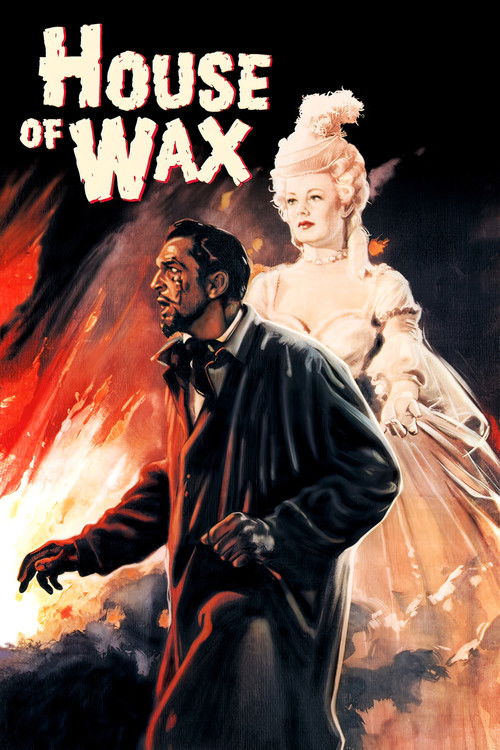
House of Wax1953
Vincent Price in an atomic-era reworking of the mad-artisan premise. Campy energy and genuine craftsmanship in the production design. A spiritual cousin with better funding.
But The 3D gimmickry dates it visibly. Works best in a version that accounts for the original format.
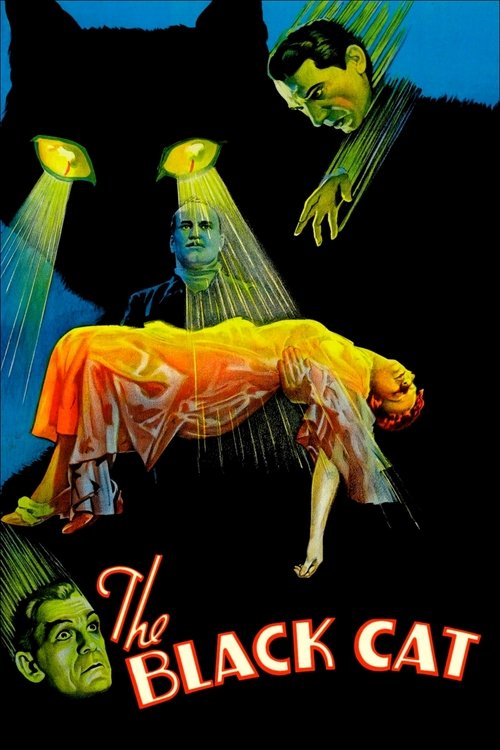
The Black Cat1934
Lugosi and Boris Karloff face off in a Modernist mansion with Satanic undertones. Stranger and more sexually weird than you'd expect from 1934. Peak Universal weirdness.
But The plot is thin and the pacing uneven. It works on mood and star power, not logic.
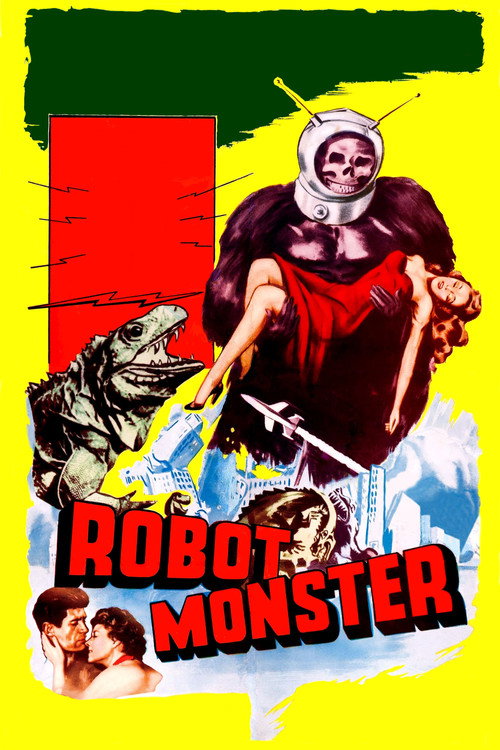
Robot Monster1953
A fellow B-movie about aliens and atomic doom, shot on a visible budget with real ingenuity. The rubber-suit monster is threadbare but the ambition is genuine.
But The dialogue is stiff and the romance subplot stops the plot cold. Requires patience with 1950s B-movie acting.
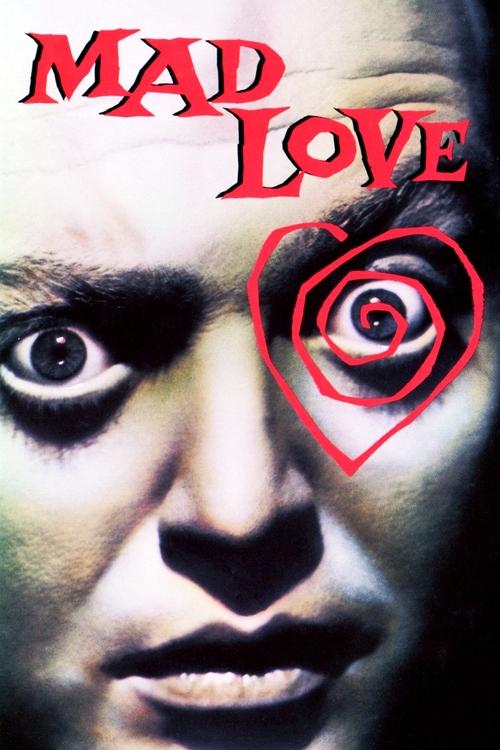
Mad Love1935
Peter Lorre as an obsessed surgeon in a haunted-castle setting. Genuinely twisted psychology under the gothic trappings. Shows how well the Universal lot understood perverse desire.
But More of a psychological thriller than monster picture. If you're here for creatures and mayhem, the introspection may feel like a detour.
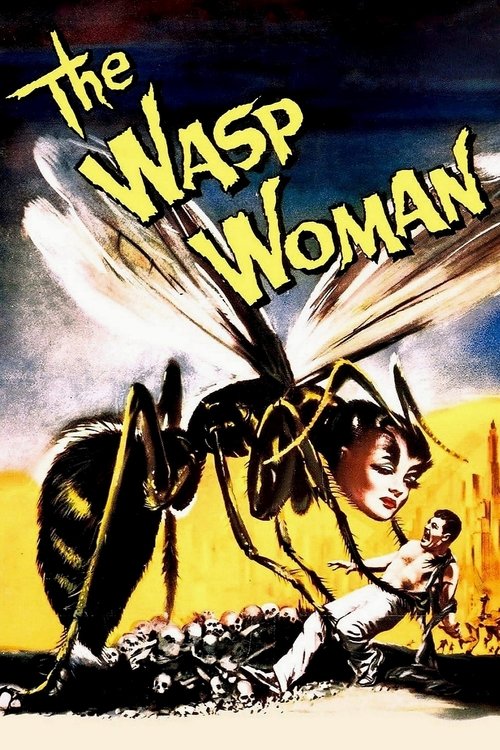
The Wasp Woman1959
Roger Corman's B-movie fever dream about a woman turning into an insect. Same gleeful low-budget monster logic as Bride, but with an even smaller budget and weirder gender politics to chew on.
But The special effects are threadbare even by 1959 standards. The wasp sequences strain credibility to breaking.
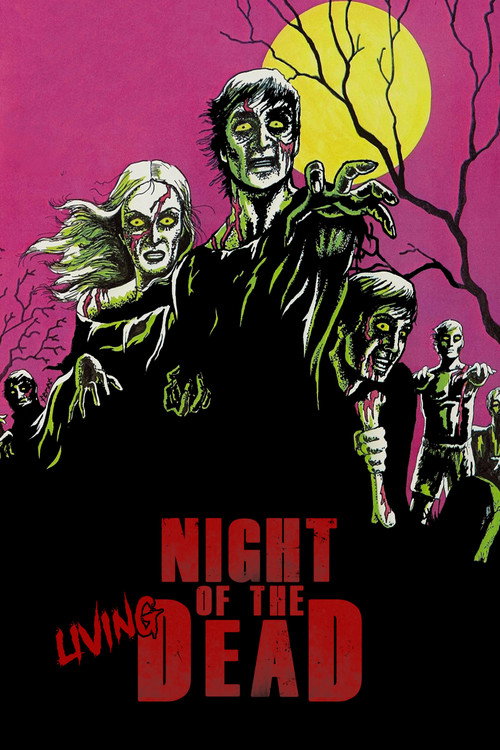
Night of the Living Dead1968
Both are outsider films made outside the studio system with minimal resources; both became foundational. But where Bride is delighted with itself, Night of the Living Dead carries dread.
Romero's black-and-white indie that rewrote horror's rules. Shot on a pittance like Bride, but with such fierce intelligence and moral weight that the budget becomes invisible. Proof that constraint forces invention.
But Genuinely disturbing and bleak. The corpse imagery and racial allegories aren't fun. This is horror that does not comfort.
Harakiri1962
Lugosi's performance is a relic of a vanishing era—a star system that had no place left for him. Harakiri is about the death of a code. Both are elegy disguised as genre.
A Japanese masterpiece about ritual suicide and masculine codes. Black and white, geometrically precise, devastating. Nothing like Bride on the surface, but both are films where visual composition and an actor's presence carry nearly everything.
But Extremely slow and formal. The cultural distance is real. Watching it requires sustained attention and willingness to sit with pain.

People
Cast
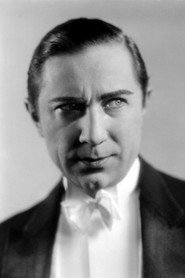 Bela LugosiDr. Eric Vornoff
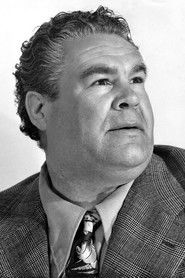 Tor JohnsonLobo
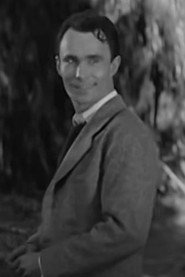 Tony McCoyLt. Dick Craig
- Loretta KingJanet Lawton
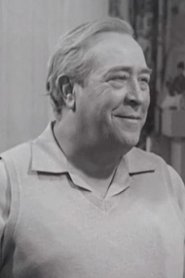 Harvey B. DunnCapt. Robbins
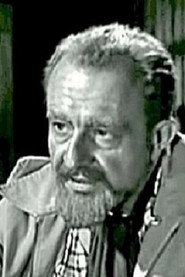 George BecwarProf. Strowski
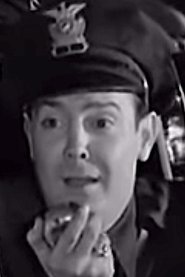 Paul MarcoKelton
- Don NagelMartin
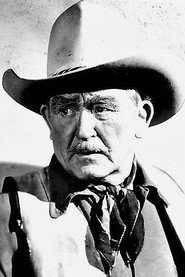 Bud OsborneMac
- John WarrenJake
- Ann WilnerTillie
 Dolores FullerMargie
Directing
- Robert FarfanAssistant Director
- William L. NolteAssistant Director
- Edward D. Wood Jr.Director
Writing
- Alex GordonWriter
- Edward D. Wood Jr.Writer
Production
- Tony McCoyAssociate Producer
- Donald E. McCoyExecutive Producer
- Edward D. Wood Jr.Producer