
Film
The Phantom Creeps
A 1939 serial following mad scientist Dr. Zorka as he deploys bizarre inventions to conquer the world. *The Phantom Creeps* is delightfully unhinged early sci-fi: Lugosi chewing scenery, stop-motion creatures, invisible bands, robots. It's pure pulp energy, technically primitive but spirited, perfect for anyone who loves vintage camp and isn't afraid of cliffhanger storytelling.
Should you watch it?
Watch it if you love old-fashioned cliffhanger serials where the gadgets are more ridiculous than the plot and Bela Lugosi chews every line like it owes him money.
Skip it if the plot is a loose chain of contraptions, and if you need story to hold together across hours of stop-start episodes, its repetition will wear you down.
What it asks of you: Its shape is serial: a long runtime split into short installments, each ending on a jolt, so expect breathless set-up and recap before anything resolves.
Not sure? Find tonight's pick in a minute.
If you liked this
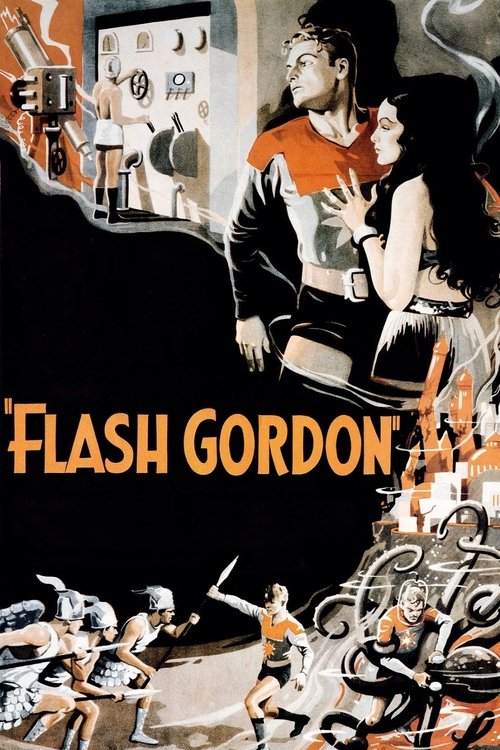
Flash Gordon1936
Pulpy, optimistic sci-fi with stunning art deco design. Buster Crabbe is irresistible, Ming the Merciless is unforgettable, and it moves like a freight train. The same era's best answer to serial adventure.
But The acting is broad, the dialogue overwrought, and by modern pacing standards it feels leisurely. Some find the earnestness cloying.
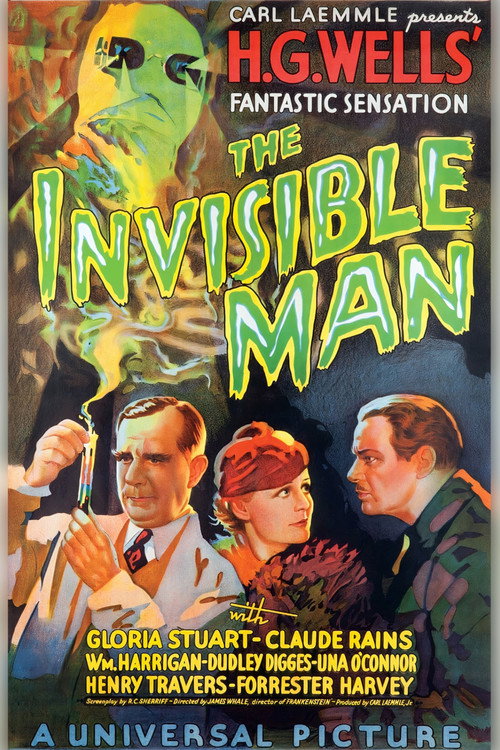
The Invisible Man1933
James Whale's masterpiece of mad scientist horror. Invisible effects that still astound, mad laughter that genuinely chills, and Claude Rains making invisibility feel like corruption of the soul. Tight, brilliant filmmaking.
But It's often played straight and bleak rather than camp. If you want fun over dread, this pivots darker than you might expect.
Metropolis1927
Fritz Lang's vision of a future city and robot uprising. Visually staggering even now—the sets, the scale, the craft. A genuine sci-fi epic that invented so much of the language we still use.
But It's genuinely long, paced deliberately, and heavy with metaphor. Modern viewers sometimes find it slow or overly symbolic.

Not sure tonight? Get a pick in a minute, starting from The Phantom Creeps
The wildcard
Something you would not have found on your own.
The Cabinet of Dr. Caligari1920
Both feature a mad doctor whose sanity becomes the story's true subject. *Caligari* is the artistic ancestor; *Phantom Creeps* is the pulp descendant trying to translate that same unease into adventure.
German Expressionist masterpiece about a mad doctor and his sleepwalking puppet. Painted shadows, warped geometry, psychological horror as visual language. It invented the aesthetic that *Phantom Creeps* was trying to channel eight years later.
But It's silent, formally challenging, and uses madness as metaphor rather than plot device. Some find it impenetrable rather than entertaining.

More like this (6)
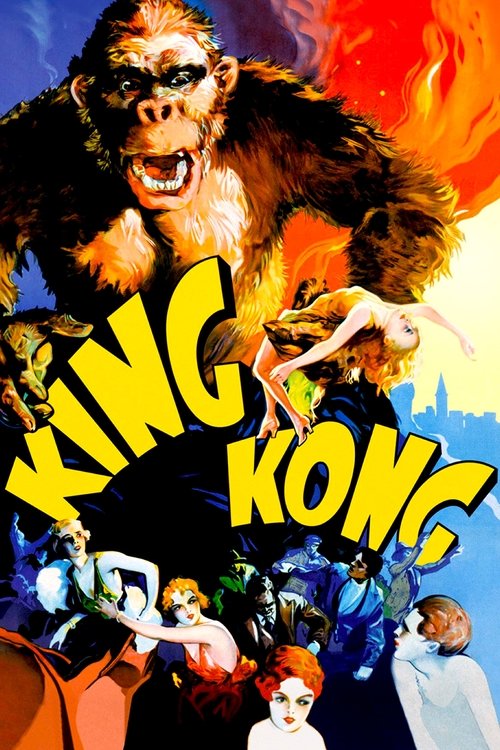
King Kong1933
Creature wonder meets tragic romance meets adventure spectacle. The animation and practical effects conjure real awe. Willis O'Brien's work is astonishing, and the whole thing crackles with imaginative ambition.
But The racial imagery of the 1933 film is deeply uncomfortable and hard to separate from the story itself.
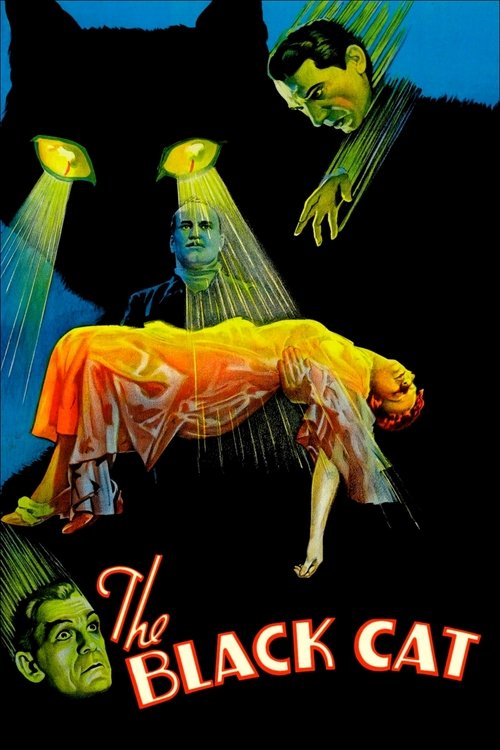
The Black Cat1934
Lugosi and Boris Karloff together, mired in Art Deco Gothic madness. Directed by Edgar G. Ulmer, weird and expressionistic, utterly unconcerned with making sense. Deliriously strange.
But The plot doesn't really cohere. It's more atmosphere and fever dream than narrative, which will frustrate anyone looking for story clarity.
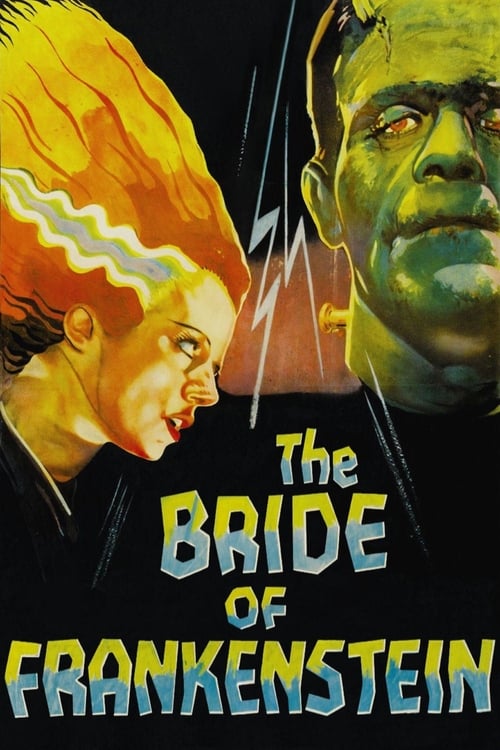
Bride of Frankenstein1935
Utterly confident Gothic science fiction with real heart. James Whale made the best monster movie ever made here: gorgeous, funny, genuinely moving. Elsa Lanchester is iconic within seconds.
But The more comedic tone won't appeal if you came for horror scares rather than imaginative entertainment.
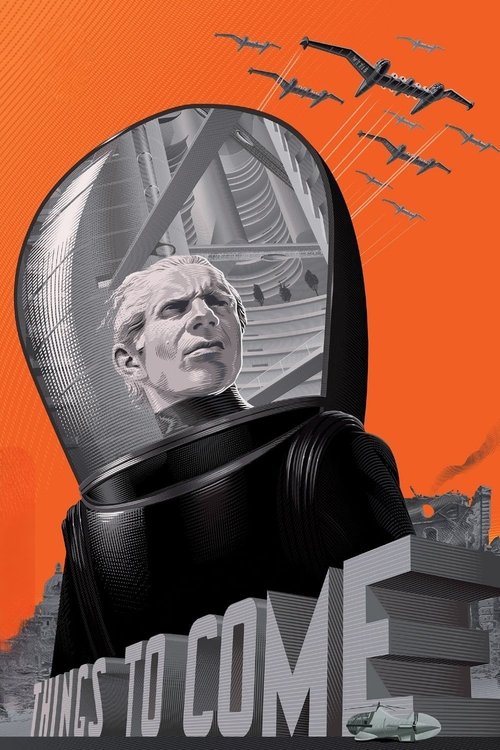
Things to Come1936
H.G. Wells adapting his own work about humanity's future from war through utopia and back. Visionary production design, ambitious ideas, earnest and optimistic sci-fi that actually thinks. Rare for the era.
But It's talky and didactic, more interested in ideas than plot momentum. The second half becomes quite preachy.
The Invisible Ray1936
Lugosi and Karloff reunited in mad scientist territory. Glowing sets, wild energy, completely uninterested in science accuracy. It's precisely the trashy invention-laden fun that *The Phantom Creeps* shares.
But The plot is genuinely incoherent, even by serial standards. The script seems to have been written in phases without consultation.
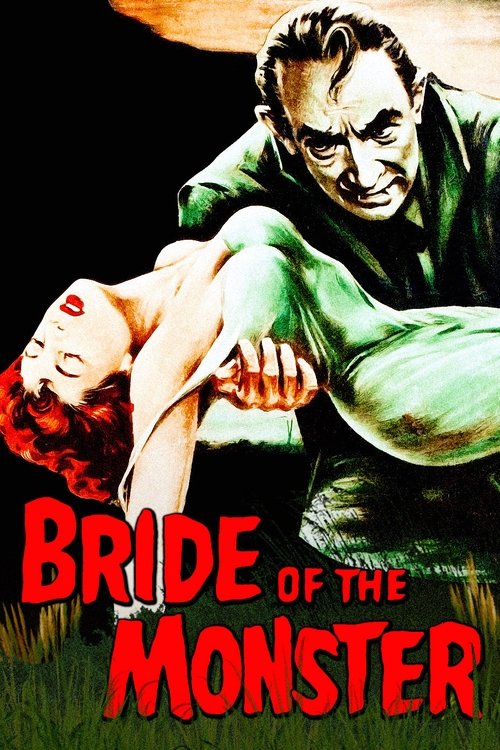
Bride of the Monster1955
Lugosi, two decades later, still playing the misunderstood mad scientist. Where *Phantom Creeps* was energetic studio pulp, this is Wood's personal love letter to an aging horror icon—both films exist so Lugosi can dominate the frame and chew the scenery with absolute conviction.
Ed Wood's delirious creature feature starring Bela Lugosi in one of his final roles. It's inept in ways that become endearing—rubber octopus, hilariously earnest dialogue, Lugosi still commanding the screen with dignity. Pure unashamed fun.
But It's genuinely bad filmmaking. If amateur production values and unconvincing effects make you impatient rather than amused, this will frustrate you.
People
Cast
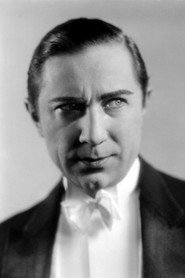 Bela LugosiDr. Alex Zorka / Dr. Zane
 Robert KentCapt. Bob West
 Dorothy ArnoldJean Drew
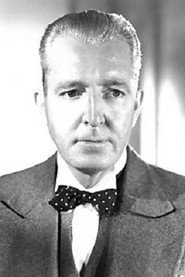 Edwin StanleyDr. Fred Mallory
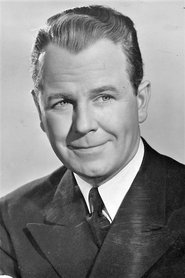 Regis ToomeyLt. Jim Daly
- Jack C. SmithMonk
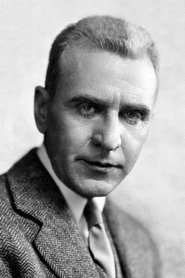 Edward Van SloanJarvis
 Dora ClementAnn Zorka
 Anthony AverillRankin
- Hugh HuntleyPerkins
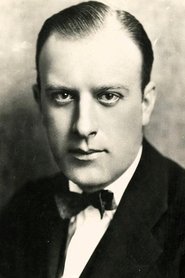 Frank MayoTrain Engineer
Directing
- Ford BeebeDirector
- Saul A. GoodkindDirector
Writing
- Basil DickeyScreenplay
- George H. PlymptonScreenplay
- Mildred BarishScreenplay
- Wyllis CooperStory