
Film
The Black Cat
Other titles called The Black Cat: the 1941 film, the 1981 film.
- Horror
- Very dark
A 1934 fever dream where Lugosi and Karloff prowl a modernist mansion, wrestling with old grievances and newer horrors. Plotless in the best way—atmosphere is everything. German Expressionism in miniature, seventy minutes of dread, shadows, and the two greatest monsters of the era circling each other like a dark waltz. For lovers of mood over sense.
Should you watch it?
Watch it if you love gothic horror built on a tense duel of wits between two proud, damaged men, with Karloff and Lugosi trading chilly courtesy in an art-deco house of dread.
Skip it if you need brisk plotting and a steady supply of jump scares; this one lingers in conversation and atmosphere, and its sixty-five minutes move at a deliberate, talky pace.
What it asks of you: Sit with long stretches of stylish dialogue and slow-burn menace, and expect a short, compact film that rewards patience more than it rushes to shock.
Not sure? Find tonight's pick in a minute.
If you liked this
Nosferatu1922
Silent German Expressionism at its most haunting. A vampire film that invented the visual language horror still borrows from. Eerie, beautiful, and genuinely unsettling without a word of dialogue.
But Very slow. The narrative is thin and the pacing demands patience from modern viewers. Black and white, and over a century old.

The Cabinet of Dr. Caligari1920
Twisted sets and shadows that feel like walking inside a nightmare. An asylum, a somnambulist, and a murder that isn't what it seems. Pure visual storytelling that influenced everything that came after.
But Genuinely weird and deliberately artificial. If you want realism or conventional scares, this is abstract dread instead.

M1931
Fritz Lang's masterpiece about a child murderer hunted by both police and Berlin's underworld. Claustrophobic, intelligent, and genuinely terrible in the best way. Sound used like a weapon.
But It's about the hunt for a killer of children. Bleak, focused, and morally complex in ways that can be exhausting.

Not sure tonight? Get a pick in a minute, starting from The Black Cat
The wildcard
Something you would not have found on your own.
Häxan1922
Both are atmospheric collages built on dread and shadow rather than plot. Neither film is interested in explaining itself. The architecture of unease matters more than story.
A Swedish pseudo-documentary about witchcraft, demonology, and hysteria. Shot like a Gothic nightmare—part educational, part hallucinatory. Images that burrow into your skull. Horror as folklore made flesh.
But Not a narrative film. It meanders between essay and visual fever dream. Some sequences are genuinely grotesque. Very long for its era, and prints vary wildly.

More like this (8)
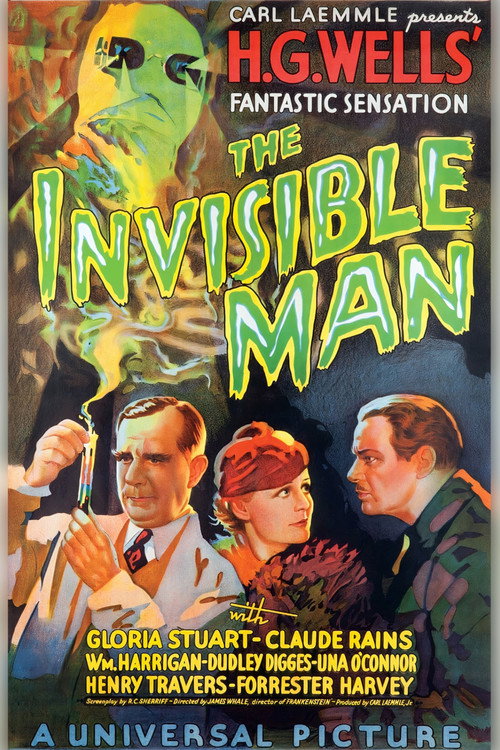
The Invisible Man1933
James Whale takes invisibility as a literal descent into madness. Brilliant visual trickery, dark humour, and a lead performance so unhinged you forget you can't see him half the time.
But Lighter than you'd expect, with comedy beats that clash oddly with the horror. Pacing stutters in the middle.
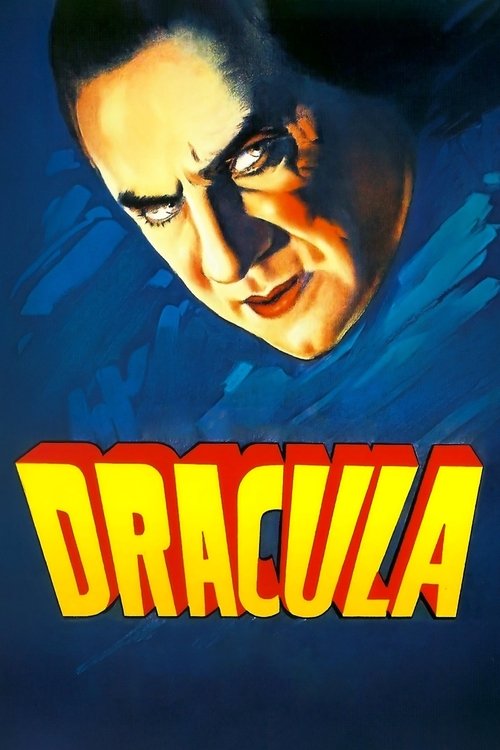
Dracula1931
Lugosi's definitive turn as the Count. Tod Browning's direction is glacial and hypnotic. It moves like a ritual and feels genuinely ancient despite being made yesterday.
But Talkie, so some dialogue hasn't aged gracefully. Slow even by 1931 standards. The ending feels rushed.
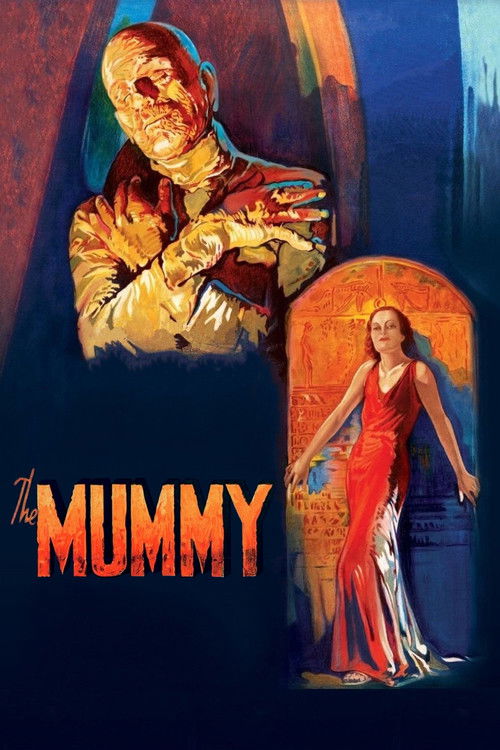
The Mummy1932
Karloff's quiet, sorrowful resurrection is more eerie than any jump scare. Ancient curse, reincarnated love, and a monster who simply wants to die. Beautifully melancholy.
But Very little actually happens. Long stretches of atmosphere with minimal plot. If you need action or pace, this won't deliver.
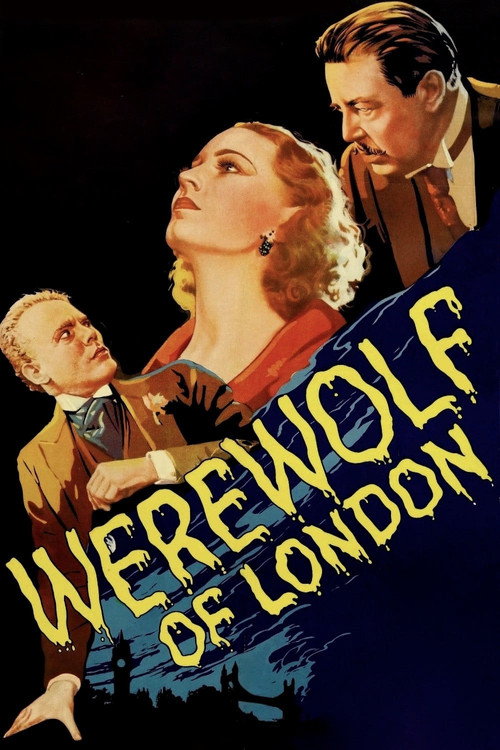
Werewolf of London1935
An American werewolf film made before the template got tired. Scientific horror meets transformation body horror. Henry Hull's sympathetic monster-man is genuinely tragic.
But The werewolf suit hasn't aged well and appears only briefly. The plot meanders. Tonal whiplash between science fiction and Gothic horror.
The Phantom Carriage1921
Swedish supernatural masterpiece about a drunkard who dies on New Year's Eve and encounters the carriage that collects the dead. Visual poetry. Genuinely haunting and deeply human.
But Very long, very slow, and the print quality varies. Silent, so you're reading intertitles. The emotional register is melancholy, not scary.

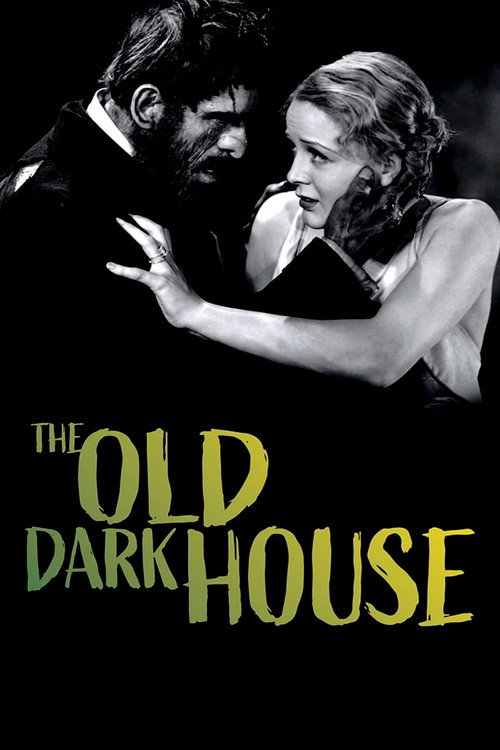
The Old Dark House1932
James Whale again, now making Gothic comedy from a house full of eccentrics during a storm. Oddball, theatrical, camp before camp was named. Darkly funny and genuinely strange.
But Tonal instability—never decides if it's horror or farce. Feels slight compared to Whale's other work. The plot is tissue-thin.
Meshes of the Afternoon1943
Both trap characters in a house that becomes the real antagonist. Both use repetition and shadow to unmake rational thought. Both are about atmosphere overwhelming meaning.
Maya Deren's avant-garde masterpiece: a woman trapped in recursive loops of a mysterious house, with death always arriving. Thirteen minutes that feel like ninety. Dreamlogic, female perspective, genuine terror from dissolution of self.
But Experimental, no dialogue, no conventional narrative. Some viewers find it pretentious or impenetrable. You have to surrender to it rather than follow it.

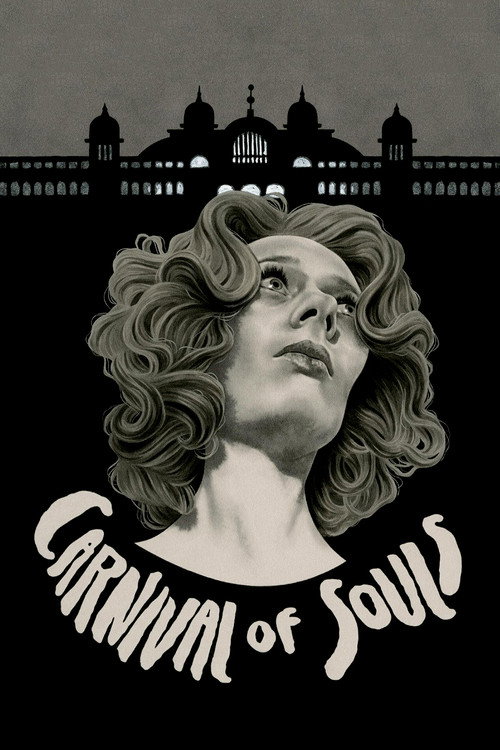
Carnival of Souls1962
Both use a house (or town) as a trap, both hinge on mystery rather than explanation, both make strangeness itself the subject. Both are more interested in mood than plot resolution.
Herk Harvey's low-budget haunted film about a woman who may or may not be alive after a car accident. Black-and-white, organ score, genuinely unsettling ambiguity. Feels like watching someone go quietly mad.
But Extremely low budget shows. Acting is uneven. The horror is entirely psychological—no scares, just creeping wrongness. Some find it too slow or too strange.
People
Cast
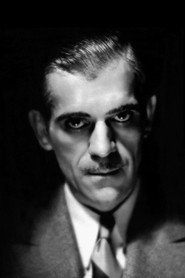 Boris KarloffHjalmar Poelzig
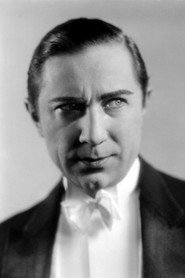 Bela LugosiDr. Vitus Werdegast
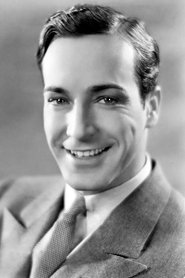 David MannersPeter Alison
 Julie BishopJoan Alison
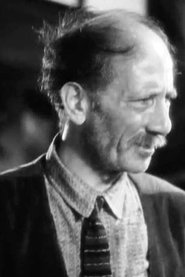 Egon BrecherThe Majordomo
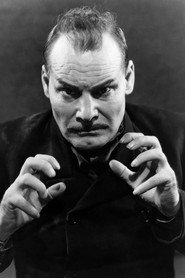 Harry CordingThamal
 Lucille LundKaren
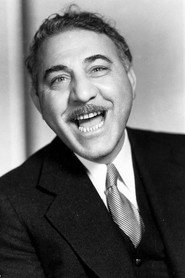 Henry ArmettaThe Sergeant
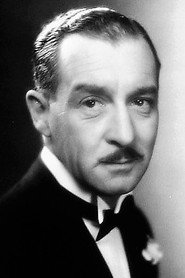 Albert ContiThe Lieutenant
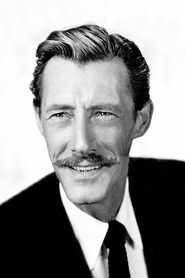 John CarradineCult Organist
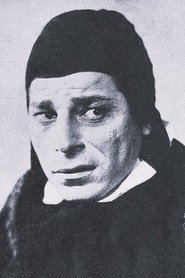 John GeorgeCultist (uncredited)
- Albert PolletWaiter (uncredited)
Directing
- Sam WeisenthalAssistant Director
- William J. ReiterAssistant Director
- Edgar G. UlmerDirector
Writing
- Peter RuricScreenplay
- Tom KilpatrickScreenplay
- Edgar Allan PoeShort Story
- Edgar G. UlmerStory
- Peter RuricStory
Production
- Carl Laemmle Jr.Producer
- M.F. MurphyProduction Manager
- E.M. AsherSupervising Producer
Recommended by
Tales from the Crypt, Cat People, White Zombie, The Hunchback of Notre Dame, The Devil-Doll, The Invisible Man, Phantom of the Opera, Mad Love, The Invisible Man Returns, Murders in the Rue Morgue, The Mask of Fu Manchu, The Raven, The Tomb of Ligeia, The Pit and the Pendulum, Bride of the Monster, The Gorilla, The Vampire's Ghost, The Hands of Orlac, The Corpse Vanishes, The Mummy's Hand, The Invisible Man's Revenge, The Dunwich Horror, Mystery of the Wax Museum, The Haunted Castle, Lock Up Your Daughters, The Mad Ghoul, The Mummy's Ghost, The Ghost Train, Son of Frankenstein, Castle of Blood, The Mad Monster, The Mummy's Curse, The Skull, The Ape, The Mad Doctor of Market Street, Voodoo Man, The Invisible Ray, The Phantom Creeps, King of the Zombies, The Vampire Bat, The Torture Chamber of Dr. Sadism, Mark of the Vampire, Flesh and Fantasy, The Raven, Tomb of Torture