
Film
The Torture Chamber of Dr. Sadism
A gloriously lurid 1967 Gothic horror film where Christopher Lee's resurrected count pursues revenge through fog-wrapped castles and candlelit dungeons. It's all theatrical menace and baroque cruelty, shot through with the campy energy of Eurohorror at its most delirious. Perfect if you love horror that doesn't take itself entirely seriously but commits completely to the atmosphere.
If you liked this
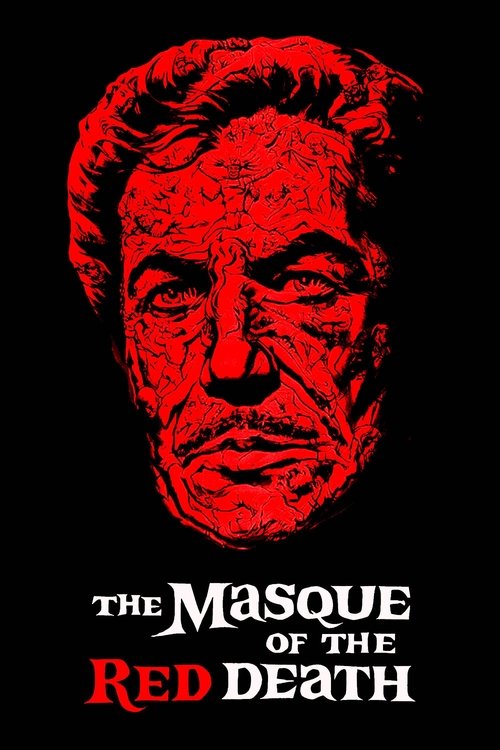
The Masque of the Red Death1964
Corman's Poe adaptation shares the same sumptuous Gothic dread and color-drenched cinematography, with Vincent Price commanding a castle of horrors. A true masterpiece of horror aesthetics that influenced everything after.
But It's more genuinely unsettling than fun—there's real despair underneath the beauty, which some find exhausting rather than entertaining.
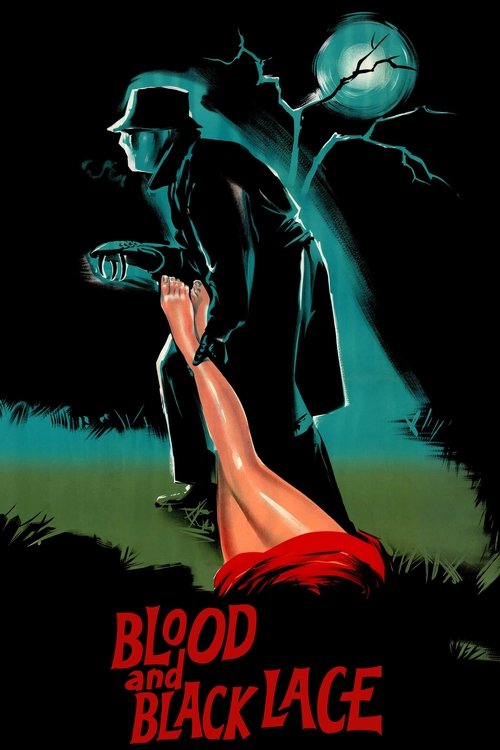
Blood and Black Lace1964
Bava's Italian proto-giallo features the same vibrant primary colors, stylized violence, and maze-like castle setting. A direct ancestor to this film's visual language, but even more influential on horror that followed.
But The dubbing is occasionally jarring, and the plot takes a back seat to pure atmosphere and design.
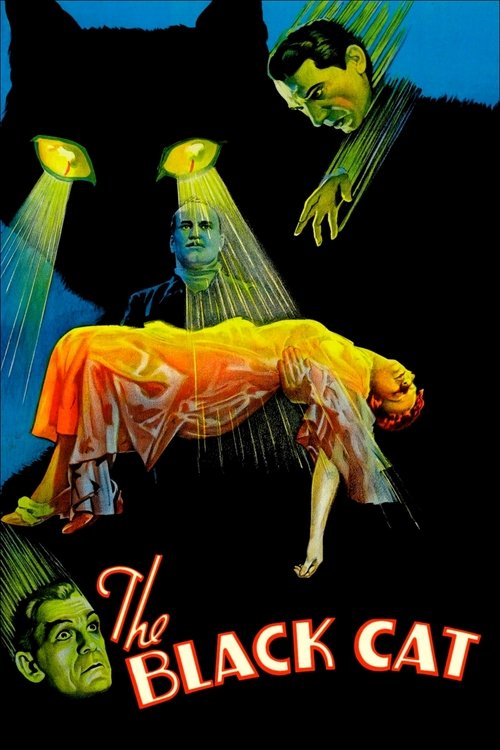
The Black Cat1934
Karloff and Lugosi in a Universal horror where architecture itself becomes sinister, with dungeons and torture implications lurking throughout. Pre-Code audacity mixed with genuine craft.
But It's slower and more restrained than modern expectations, and the emotional stakes feel thin by today's standards.
Not sure tonight? Get a pick in a minute, starting from The Torture Chamber of Dr. Sadism
The wildcard
Something you would not have found on your own.
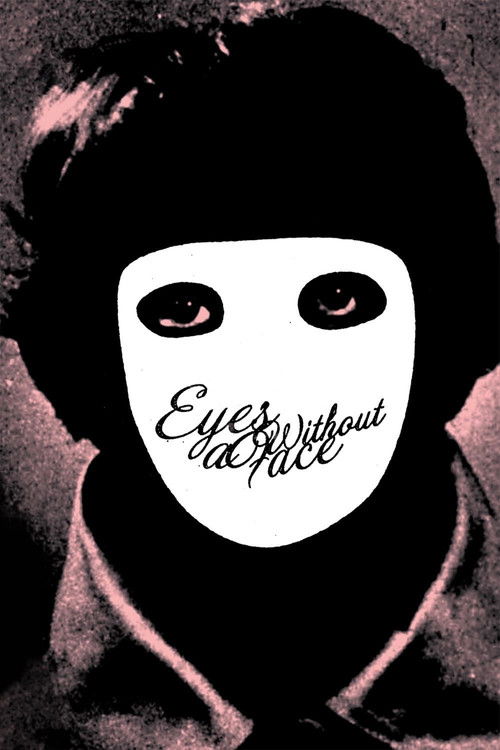
Eyes Without a Face1960
Both feature resurrection tied to bodily violation and revenge, but Eyes Without a Face uses that machinery for philosophical inquiry rather than pulp revenge fantasy. Same engine, opposite registers.
Franju's surgical-horror masterpiece is obsessed with faces, identity, and the body as both temple and torture chamber. A film about violation and resurrection that operates at the same Gothic wavelength but with art-cinema restraint and genuine tragedy.
But It's far more serious and genuinely disturbing than Dr. Sadism's theatrical menace—less fun, more profound and uncomfortable.
More like this (7)
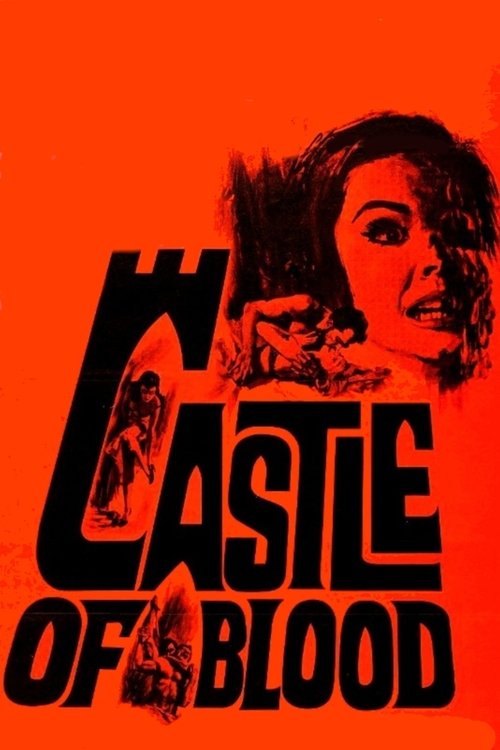
Castle of Blood1964
Barbara Steele trapped in a Gothic castle full of supernatural menace and secret chambers. Italian horror that nails the haunted-castle-as-character concept that Dr. Sadism also pursues.
But The pacing drags in places, and if you've seen much Steele, you know her particular charm may or may not click for you.
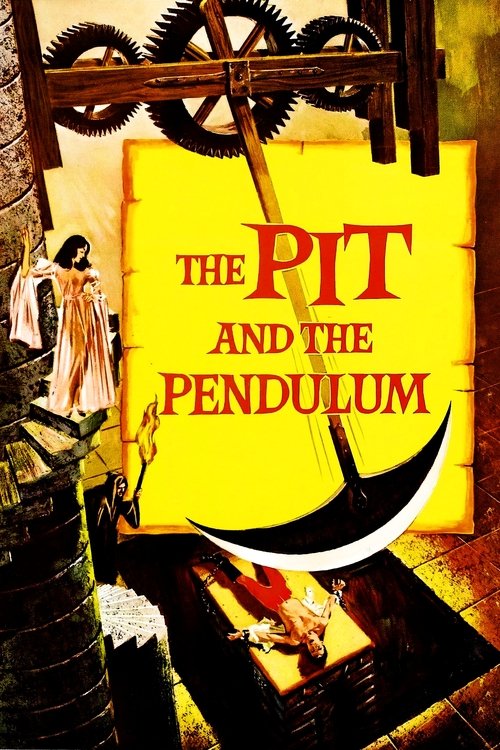
The Pit and the Pendulum1961
Corman's other Poe film, even more focused on dungeons, torture, and psychological unraveling. Vincent Price's descent into madness mirrors the obsessive revenge logic of Dr. Sadism.
But It's heavy on monologue and light on actual plot momentum, which can feel static even at 85 minutes.
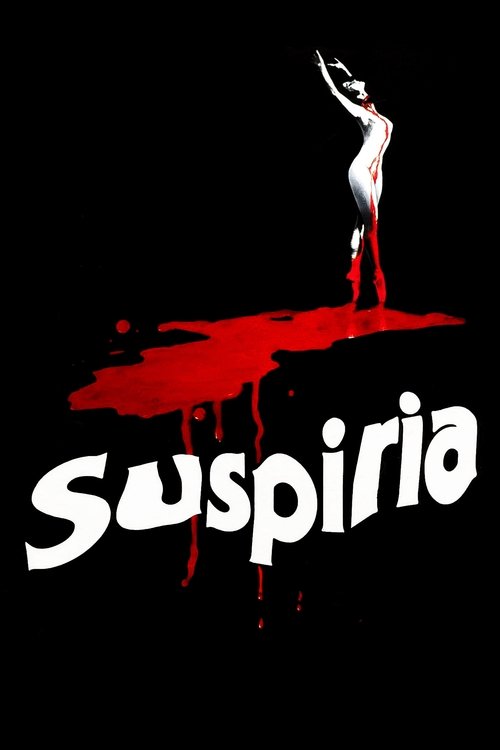
Suspiria1977
Dario Argento's masterpiece of pure visual horror in a mansion of nightmares. A later film that perfected what Eurohorror was attempting—style as substance, architecture as character.
But The dubbing is notorious, the plot is minimal, and some find it repetitive rather than hypnotic.
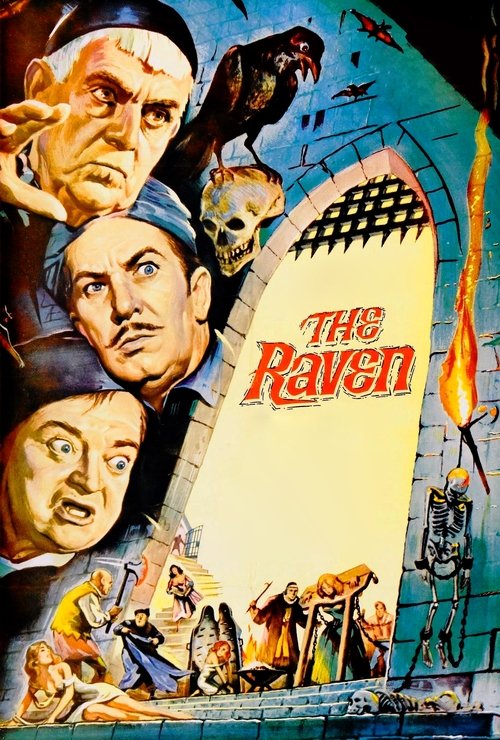
The Raven1963
Corman leans into the camp of his Poe cycle here, with Karloff, Price, and Lorre in a wizard's castle. If you want Gothic fun rather than pure dread, this nails that tone.
But It's deliberately campy in a way that doesn't work if you're after genuine scares or coherent plotting.
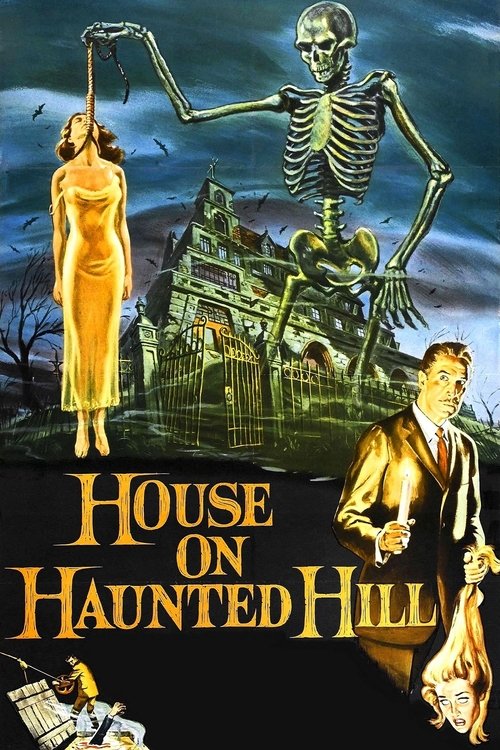
House on Haunted Hill1959
William Castle's mastermind of Gothic mood and mechanical scares creates a house designed to terrify. A direct spiritual ancestor to the 'castle as antagonist' concept Dr. Sadism employs.
But The climax leans heavily on cheap tricks, and Vincent Price aside, the performances can feel thin.
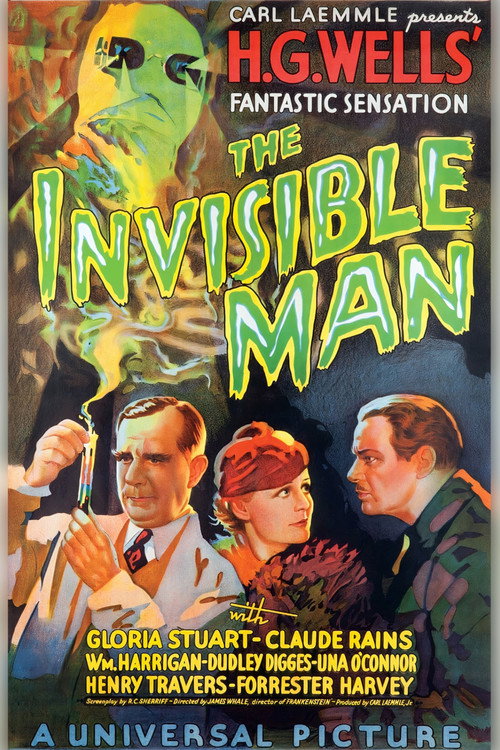
The Invisible Man1933
James Whale's Universal classic showcases early horror cinema at its most imaginative and darkly funny. The science-as-corruption angle shares thematic DNA with revenge-through-supernatural-means narratives.
But It's nearly a century old and shows it in pacing and special effects, which can feel quaint rather than eerie.
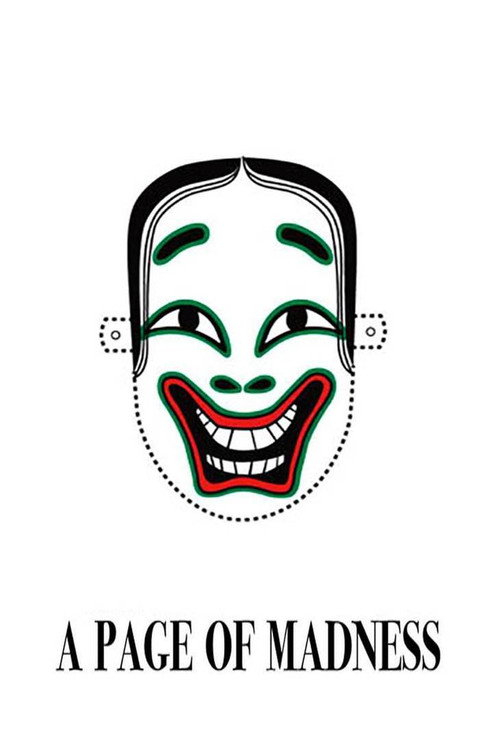
A Page of Madness1926
Both use institutional spaces as labyrinths designed to break the protagonist psychologically, but this one approaches it as art cinema abstraction rather than genre narrative, proving the Gothic impulse existed long before—and beyond—Western pulp.
Kinugasa's silent Japanese film uses an asylum as its torture chamber, employing expressionist visuals and narrative fragmentation to depict psychological horror. Predates Eurohorror entirely but achieves similar dread through pure cinema rather than plot.
But It's avant-garde silent cinema—no dialogue, fractured editing, and the story is deliberately opaque. Very much an acquired taste.
People
Cast
 Lex BarkerRoger Mont Elise / Roger von Marienberg
 Karin DorBaroness Lilian von Brabant
 Christopher LeeCount Frederic Regula / Graf von Andomai
 Carl LangeAnathol
 Christiane RückerBabette
- Vladimir MedarPater Fabian
 Dieter EpplerCoachman
Directing
- Harald ReinlDirector
Writing
- Manfred R. KöhlerScreenplay
- Edgar Allan PoeShort Story
Production
- Erwin GittExecutive Producer
- Wolfgang KühnlenzProduction Manager