
Film
The Devil's Possessed
A 1974 Spanish horror-adventure where a tyrannical baron weaponizes witchcraft to terrorize his kingdom, only to face an uprising from his suffering subjects. Paul Naschy delivers a charismatic villain performance in this gorgeously mounted Gothic romp—all blood-soaked intrigue, occult spectacle, and period atmosphere. Pure exploitation horror for those who want their evil colorful and their suffering theatrical.
If you liked this
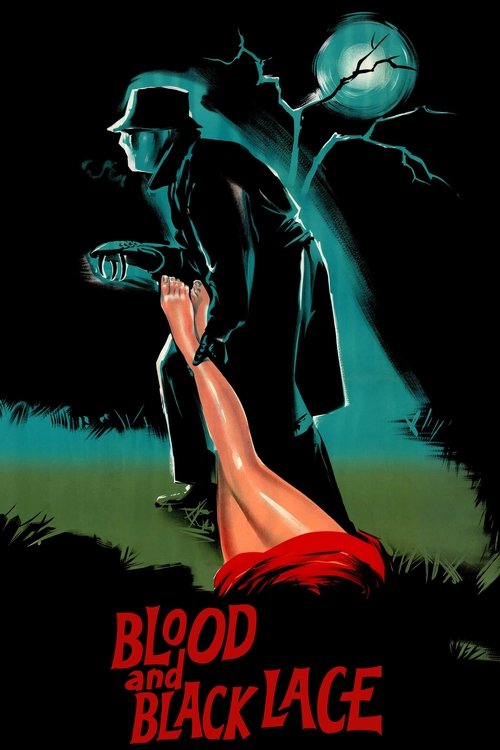
Blood and Black Lace1964
Bava's seminal giallo established the template: ravishing Technicolor compositions, operatic violence, and stylish mystery wrapped in atmosphere. If you love Naschy's baroque villainy, this is the DNA.
But The plot is secondary to mood and aesthetics; if you need tight narrative logic, the meandering pace will frustrate you.
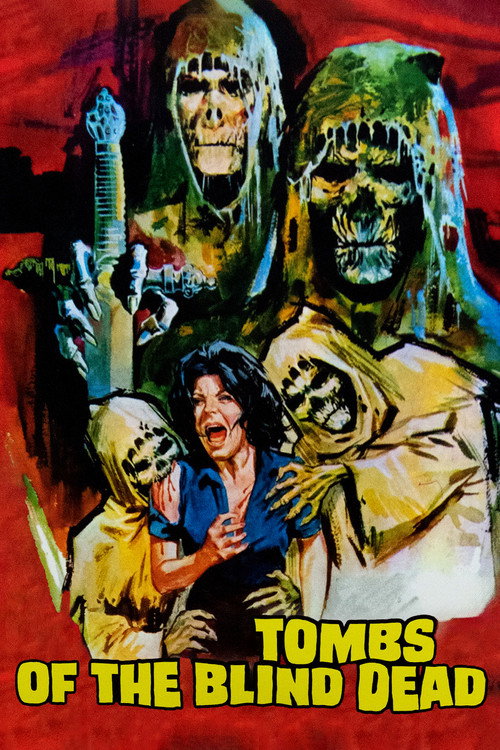
Tombs of the Blind Dead1972
Another Naschy-adjacent witch-hunt picture that doubles down on visceral period horror and the suffering of the accused. Equally committed to unease and spectacle without winking.
But It's grim and relentless rather than fun; some scenes of torture are presented unflinchingly, which can feel exploitative even when thematically justified.
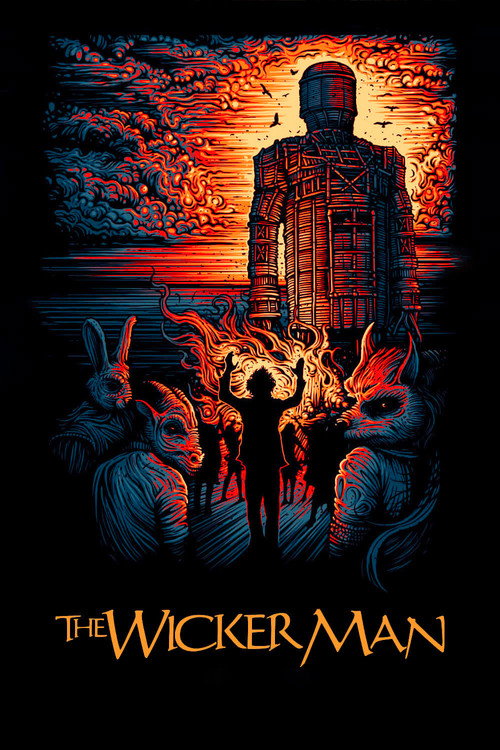
The Wicker Man1973
A folk-horror masterpiece where an authority figure arrives in a closed society with its own occult rules. Shares the same dread of supernatural power systems and the collapse of order.
But It's cerebral and slow-burn rather than visceral; the horror emerges from ideas, not action, which may feel too restrained if you want gore and spectacle.
Not sure tonight? Get a pick in a minute, starting from The Devil's Possessed
The wildcard
Something you would not have found on your own.
Häxan1922
The ultimate ancestor of The Devil's Possessed: both treat witchcraft accusations as social control mechanisms, but Häxan investigates the psychology and history while Naschy lets it explode into operatic revenge fantasy.
Christensen's silent documentary-performance hybrid treats witchcraft as historical fact and psychological phenomenon. Gorgeously grotesque, genuinely terrifying, and shot through with dark humor about mass delusion and persecution.
But It's silent film from 1922; the pacing and acting style will feel archaic, and the connection between scenes is sometimes oblique or symbolic rather than narrative.

More like this (6)
Suspiria1977
Argento's hallucinatory witch-world is the apotheosis of Gothic excess: saturated color, hypnotic score, and terror as pure sensory experience. The closest spiritual cousin to Naschy's operatic approach.
But The narrative is intentionally dreamlike and fragmented; if you want coherent plotting, the abstraction will feel like a barrier rather than a feature.

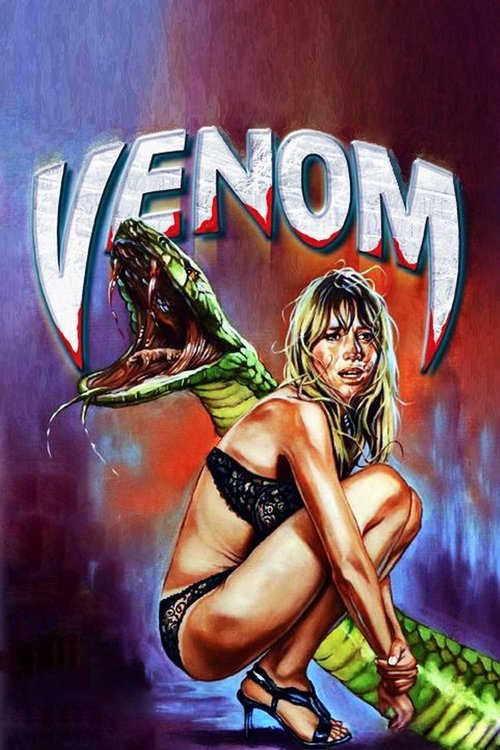
Venom1981
Klaus Kinski as a deranged villain commanding a household through terror and will. Claustrophobic, theatrical, with a charismatic monster at its center—the same energy as Gilles de Lancré.
But It's a siege film that takes place in one location; the confined setting may feel claustrophobic or repetitive compared to a sprawling period narrative.
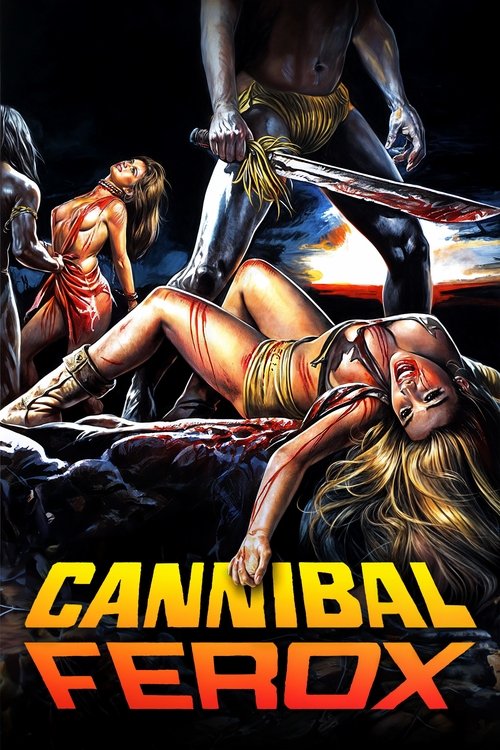
Cannibal Ferox1981
Raw, brutal Italian exploitation that doesn't look away from its own extremism. If you appreciate Naschy's willingness to go places, this is the logical endpoint of that aesthetic.
But It's genuinely difficult to watch; the violence is presented without irony or distance, and animal cruelty is documented. This isn't entertainment for everyone.
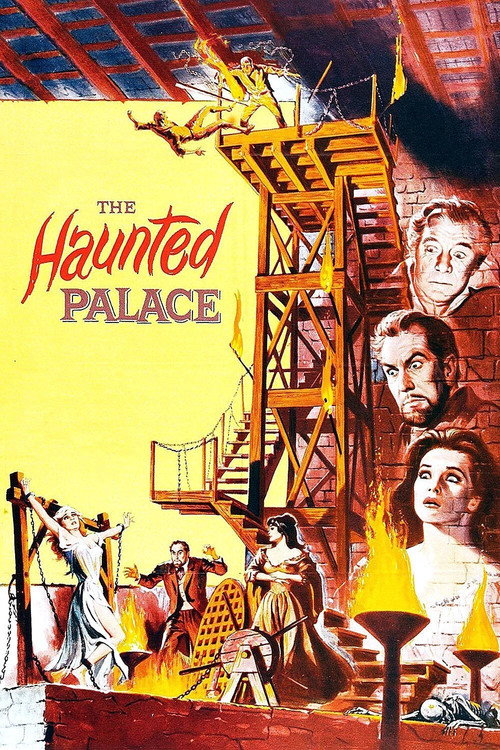
The Haunted Palace1963
Corman's Lovecraftian romp features Vincent Price as a sorcerer ruling through fear and dark rites. Similar blend of Gothic atmosphere, occult menace, and theatrical villainy on a modest budget.
But It's campy in ways that undercut the horror; if you want dread, the tone sometimes tips into unintentional comedy.
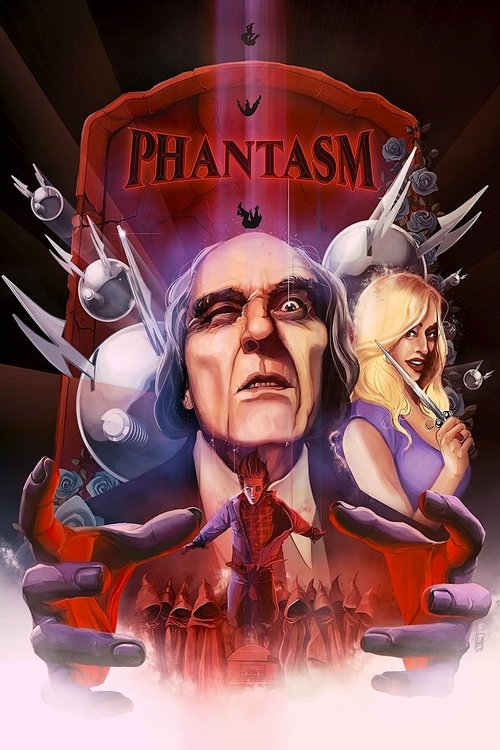
Phantasm1979
A weird-horror fever dream where death itself is the villain running operations from the margins. Shares the surreal logic and operatic violence; deeply strange and committed to its own mythology.
But The plot is deliberately confusing and the chronology ambiguous; you'll spend as much time puzzling it out as feeling scared.
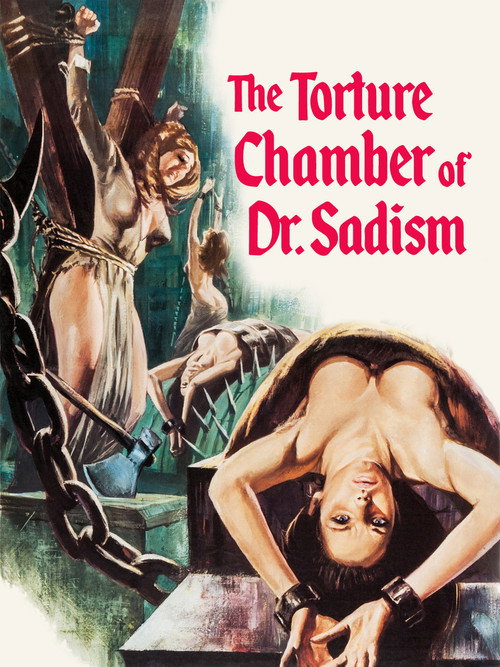
The Torture Chamber of Dr. Sadism1967
An Italian Gothic-horror with similar themes of aristocratic tyranny, occult violence, and period trappings. Stylish, nasty, and unafraid of its own excess—a solid period horror companion piece.
But It's more interested in tableaux of suffering than narrative momentum; the plot stops frequently to admire cruelty, which some will find tedious.
People
Cast
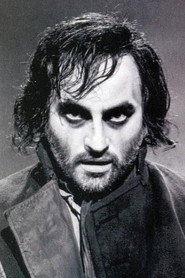 Paul NaschyBarón Gilles de Lancré
- Norma SebréGeorgelle
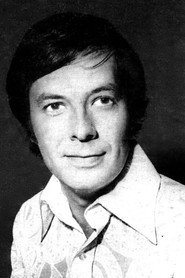 Guillermo BredestonGaston de Malebranche
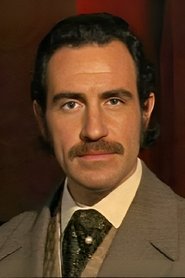 Mariano Vidal MolinaSillé
- Graciela NilsonGraciela
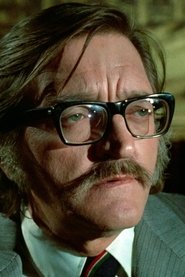 Eduardo CalvoSimon de Braqueville
 Luis InduniPaul
 José Luis ChinchillaDaniel
- Fernando RubioEstebano -
Directing
- Alfredo SergioAssistant Director
- Pedro PardoAssistant Director
- León KlimovskyDirector
Writing
- Paul NaschyScreenplay
Production
- José Antonio Pérez GinerExecutive Producer
- Néstor R. GaffetExecutive Producer
- Modesto Pérez RedondoProduction Manager
- Pedro PereiraUnit Production Manager