
Film
Phantasm
Phantasm is a 1979 horror-sci-fi fever dream where a teenage boy investigates a sinister mortician who may be something far worse. Surreal, genuinely eerie, with a synth-drunk atmosphere and practical effects that still unsettle. For fans of horror that trusts mood over exposition and isn't afraid to leave you confused in the best way.
Should you watch it?
Watch it if you love horror that runs on dream logic, where eerie images, a droning score and creeping unease matter more than tidy explanations, and a cheap-looking drive-in charm only adds to the spell.
Skip it if you need plot logic you can follow, since the story loops, the low budget shows in rough edges, and the pacing can drag.
What it asks of you: Roughly ninety minutes that rarely hurry, and it expects you to accept strange rules without explanation, letting its hazy, slow-building atmosphere do the work instead of chasing answers.
Not sure? Find tonight's pick in a minute.
If you liked this
Suspiria1977
Dario Argento's operatic nightmare about a dance academy harboring a witches' coven. Shares Phantasm's commitment to atmosphere over narrative clarity and features one of horror's greatest synth scores.
But The plot is deliberately elliptical and the dialogue occasionally stilted; it demands patience and rewards mood-watching more than coherent storytelling.

Possession1981
Andrzej Żuławski's unhinged masterpiece about a marriage deteriorating into cosmic horror. As visually and narratively bewildering as Phantasm, but with more flesh and philosophical dread underneath the grotesquerie.
But Genuinely difficult to watch: graphic body horror, emotional violence, and a narrative deliberately designed to feel like witnessing a breakdown rather than following a plot.

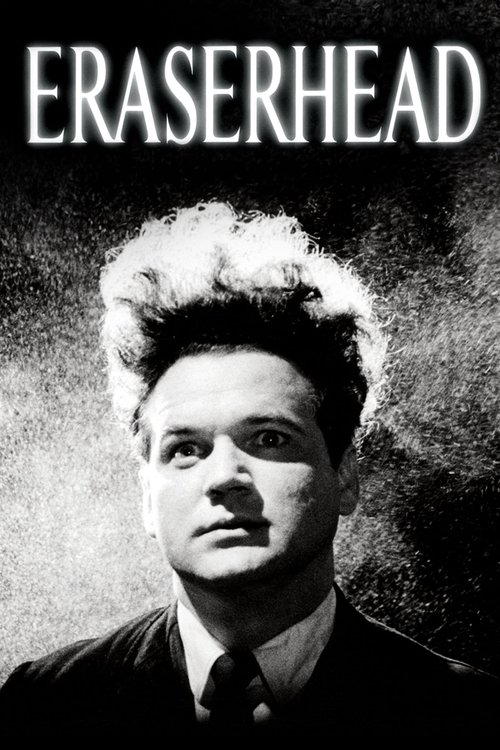
Eraserhead1977
David Lynch's black-and-white industrial nightmare. Like Phantasm, it's a debut that creates a complete, haunting world through sound design, practical effects, and pure visual nightmare logic rather than exposition.
But It's aggressively weird and slow; if you need a clear story or resolution, this will frustrate you profoundly.
Not sure tonight? Get a pick in a minute, starting from Phantasm
The wildcard
Something you would not have found on your own.
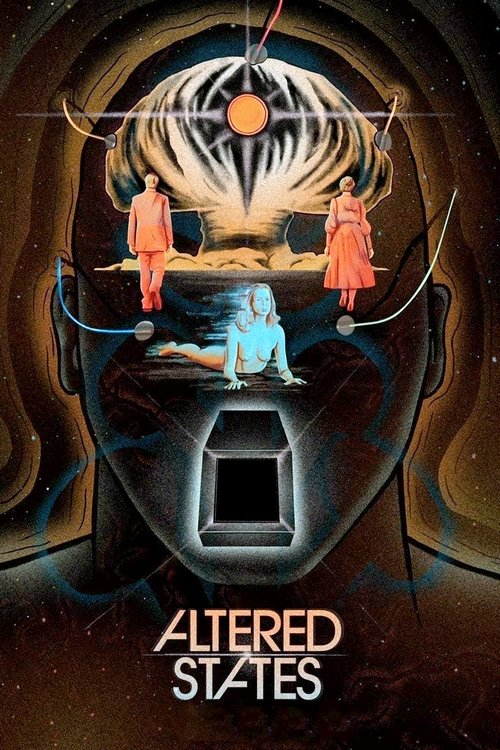
Altered States1980
Both films collapse the boundary between the physical and the otherworldly through practical effects; both trust the audience to sit with incomprehension and unease.
Ken Russell's fever dream about a sensory deprivation experiment that breaks reality itself. Like Phantasm, it's a sci-fi body horror film that prioritizes visceral sensation and visual nightmare over coherent explanation, but filtered through William Hurt's descent into transcendent madness.
But It's pretentiously weird in ways Phantasm avoids—the psychedelia and philosophical monologuing feel like 1980 rather than timeless, and some find it self-consciously arty rather than genuinely unsettling.
More like this (7)
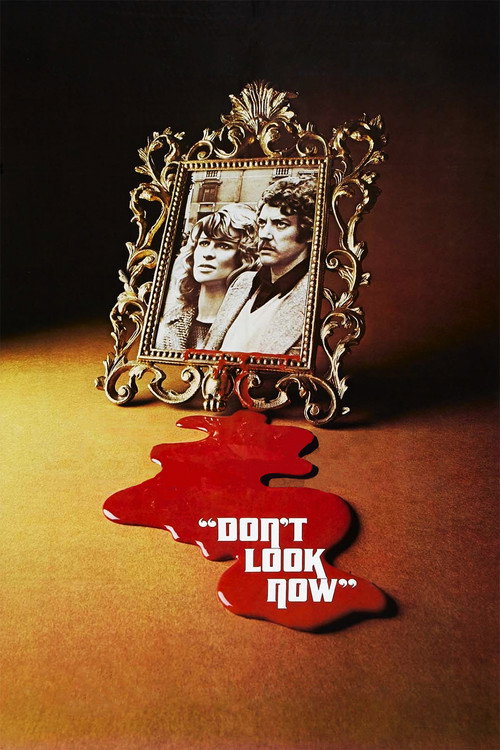
Don't Look Now1973
Nicolas Roeg's masterpiece about grief and premonition in Venice. Shares Phantasm's ability to make everyday details feel sinister and its refusal to explain everything—dread comes from not understanding.
But It's meditative and sexually explicit; the pacing is glacial by modern standards and the ending divides audiences sharply.
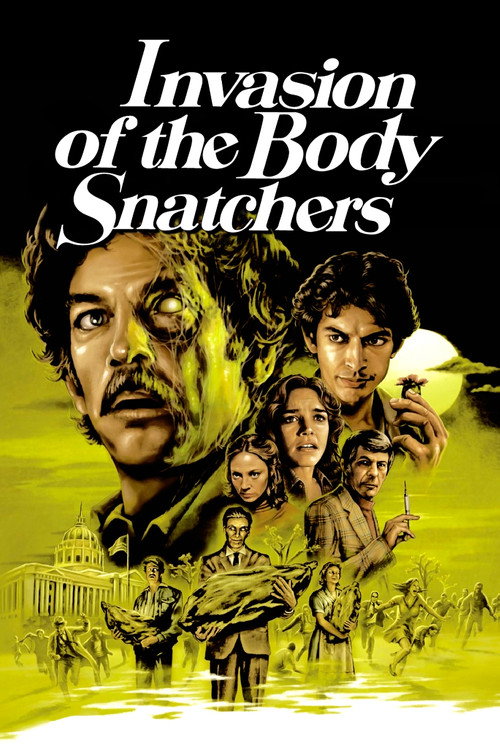
Invasion of the Body Snatchers1978
Philip Kaufman's paranoid remake transforms the original into existential sci-fi horror. Like Phantasm, it presents a surreal threat that's genuinely unsettling because it operates by dream logic rather than realistic rules.
But The second half abandons subtlety for straight action; some find the pod people design more dated than genuinely creepy.
The Wailing2016
Na Hong-jin's South Korean masterpiece where a small village unravels around a mysterious stranger. Phantasm meets folk horror: elliptical plotting, visual dread, genuine scares, and an ending that recontextualizes everything.
But It's 156 minutes and demands active attention; ambiguity about what actually happened will anger viewers seeking clarity.

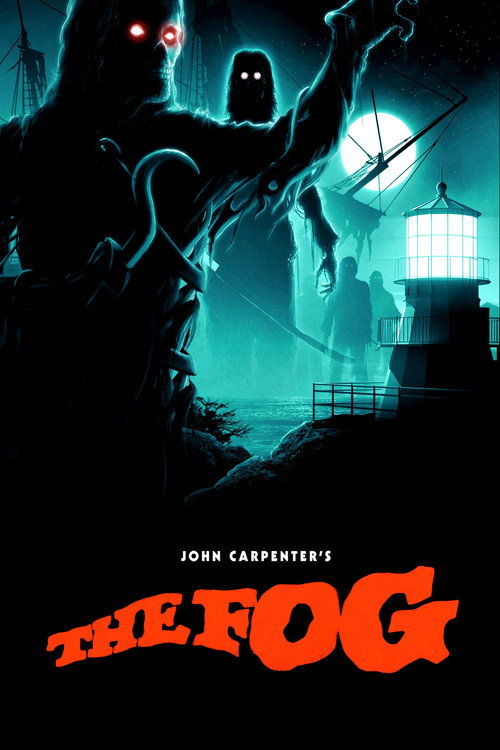
The Fog1980
John Carpenter's atmospheric haunted-town tale where an incoming fog brings vengeful ghosts. Simpler than Phantasm but equally committed to mood, a great synth score, and a threat you never fully understand.
But The plot is straightforward to the point of simplicity, and some of the effects haven't aged well—it can feel slight compared to Carpenter's later work.
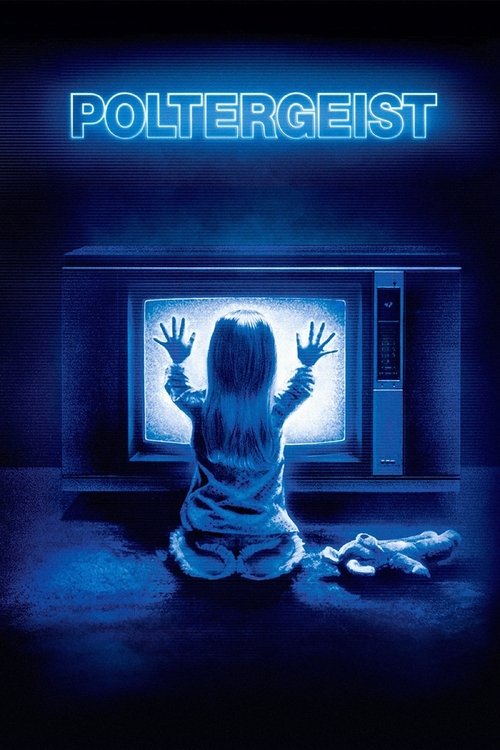
Poltergeist1982
Tobe Hooper's suburban horror about a family haunted by forces in their house. More grounded than Phantasm but equally interested in making ordinary spaces feel wrong, with exemplary practical effects.
But It leans into family-friendly scares rather than dread, and the third act becomes more spectacle than genuine horror.
Mulholland Drive2001
Both films present incomplete narratives where you're never certain what's real, what's memory, and what's delusion—they trust mood and imagery to carry emotional truth.
David Lynch's Hollywood fever dream where reality fractures and a woman's identity dissolves. Like Phantasm, it's a narrative maze where the strangeness is *the point*—atmosphere and dread matter more than plot coherence, and the ending suggests everything you watched was a nightmare.
But At 147 minutes, it's demanding and deliberately non-linear; many viewers find it frustratingly obscure and leave angry rather than unsettled.

Ghostland2018
Both films treat the protagonist's subjective reality as unreliable—what you see may be trauma, premonition, or literal supernatural incursion, and the film refuses to specify which.
Pascal Laugier's French horror film about trauma and haunting that plays with time and reality. Horrifying and genuinely weird, it shares Phantasm's willingness to be visually disturbing and narratively disorienting, but adds a brutal emotional core about survival and memory.
But It's graphically violent and deals with abuse in ways that feel genuinely dangerous rather than cathartic; the intentional narrative shifts confuse many viewers and frustrate rather than fascinate.

People
Cast
 Bill ThornburyJody
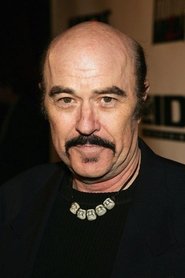 Reggie BannisterReggie
 Kathy LesterLady in Lavender
 Angus ScrimmThe Tall Man
- Terrie KalbusFortuneteller's Granddaughter
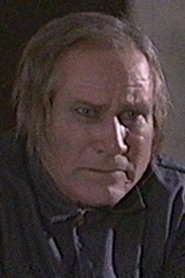 Kenneth V. JonesCaretaker
- Susan HarperGirlfriend
 Lynn Eastman-RossiSally
- David ArntzenToby
- Ralph RichmondBartender
- Bill ConeTommy
Directing
- Don CoscarelliDirector
- Dena RothScript Supervisor
- Wendy KaplanScript Supervisor
Writing
- Don CoscarelliWriter
Production
- Dac CoscarelliProducer
- Paul PeppermanProducer
- Adele LustigProduction Coordinator
Recommended by
Wisconsin Death Trip, Death Bed: The Bed That Eats, Personal Shopper, Meet the Applegates, Eaten Alive, Graduation Day, Ghoulies, Nightmares, Equinox, Evilspeak, Bubba Ho-tep, Death Line, Psycho III, The Funhouse, Superstition, The Wizard of Gore, The Spiral Staircase, Cornered!, The Devil's Possessed, The 13 Ghosts of Scooby-Doo, Big Money Rustlas, Neon Maniacs, Fiend, The Fun House