
Film
Death Bed: The Bed That Eats
Death Bed is a 1977 horror film about a sentient bed that devours anyone who lies on it, while a demonic artist watches helplessly from behind a painting. It's slow-burn, strange, and utterly committed to its absurd premise. For those who find genuine unease in the ridiculous and love cult cinema that doesn't know it's camp.
Should you watch it?
Watch it if you want a lurid, nearly dreamlike piece of 1970s cult horror where logic gives way to atmosphere, and a bed with an appetite is taken completely seriously.
Skip it if the handmade, low-budget look and loose, repetitive rhythm can test you, since its strangeness sometimes outruns its storytelling and its scares feel more like ideas than tension.
What it asks of you: Short at seventy-seven minutes, it moves dreamily, asking you to accept its odd logic and sit through long stretches of stillness rather than expect a steady build.
Not sure? Find tonight's pick in a minute.
If you liked this
Eraserhead1977
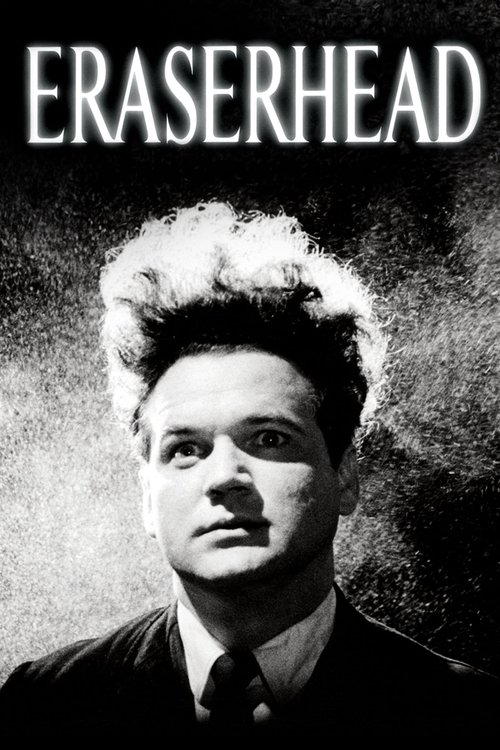
David Lynch's debut shares Death Bed's commitment to nightmare logic and visceral discomfort. Both films linger on the grotesque with deadpan sincerity, creating dread from the wrong angle entirely.
But Eraserhead is more actively disturbing and harder to parse. It doesn't explain itself, and the industrial sound design is relentlessly oppressive.
Suspiria1977
Dario Argento's giallo horror also arrived in '77 with similar ideas about malevolent spaces and stylized kills. Both prioritize atmosphere and visual strangeness over narrative logic.
But Suspiria is far more polished and conventional in structure. Death Bed's rough-hewn oddness is part of its appeal here.

Videodrome1983
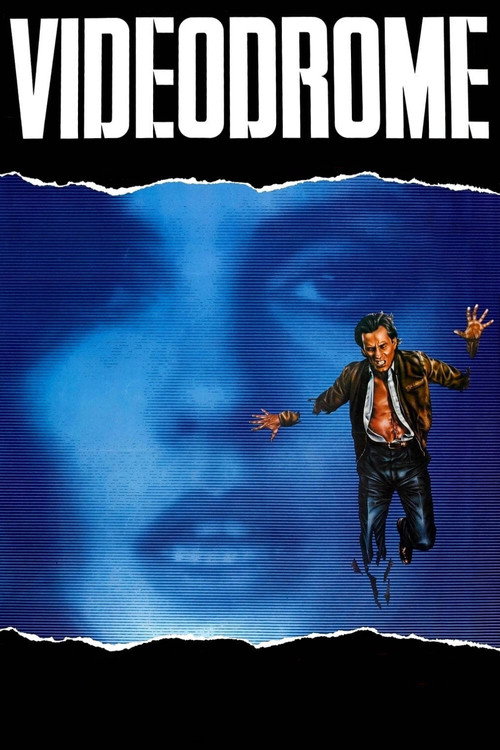
Cronenberg shares Death Bed's willingness to embody abstract psychological concepts as literal body horror. Both trust the audience to sit with weird without constant explanation.
But Videodrome is more intellectually imposing and sexually explicit. It's also much more confident in its filmmaking craft.
Not sure tonight? Get a pick in a minute, starting from Death Bed: The Bed That Eats
The wildcard
Something you would not have found on your own.
The War of the Gargantuas1966
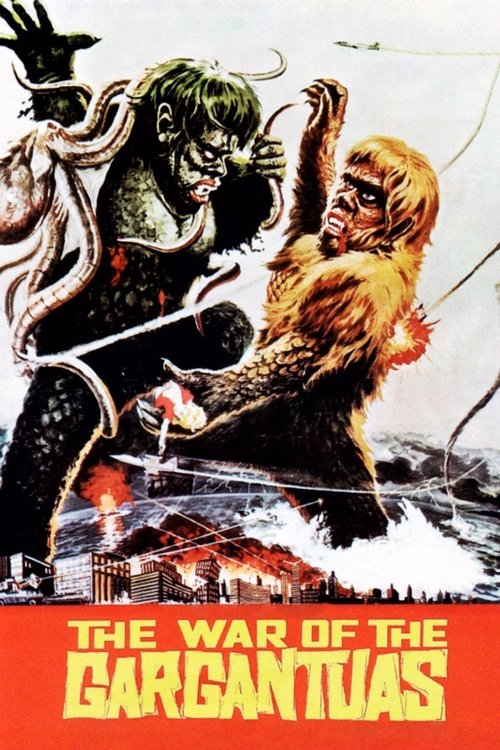
Both films arrived from the margins of commercial cinema and refused to apologize for their strangeness or budget limitations. Both treat the impossible as merely present.
A Japanese kaiju film that treats giant monsters with absolute seriousness and emotional stakes. Like Death Bed, it commits fully to a premise that sounds silly and makes it matter.
But It's a tokusatsu film with practical effects that are charmingly low-budget. If you can't embrace that aesthetic, the whole thing falls apart.
More like this (8)
The Wailing2016
Na Hong-jin's folk-horror epic builds dread through accumulated strangeness and ambiguity. Like Death Bed, evil here is patient, present in place, and deeply weird about its logic.
But The Wailing is three hours and emotionally devastating. Death Bed's 77 minutes are almost precious by comparison.

Phantasm1979
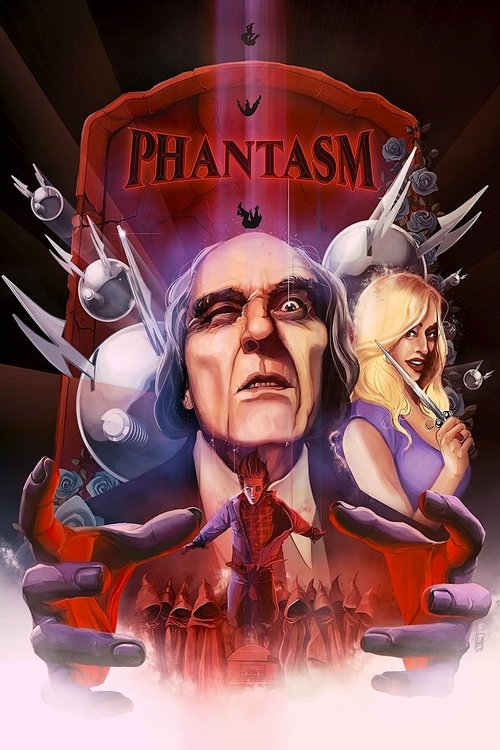
Don Coscarelli's odd-ball horror trusts dream logic over narrative sense. Both films have become cult favourites precisely because they're too strange to ignore and too committed to work as parody.
But Phantasm is tightly wound and genuinely scary at points. Death Bed is hypnotic but never frightening in any traditional sense.
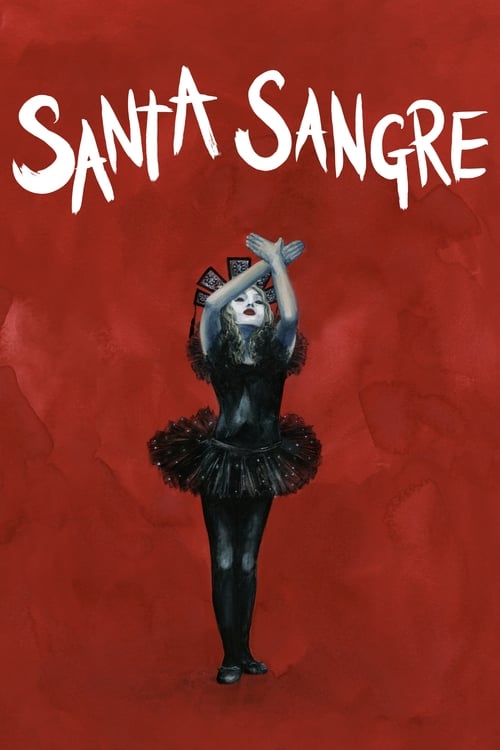
Santa Sangre1989
Jodorowsky's surrealist nightmare has Death Bed's fearlessness about grotesque imagery and its willingness to let tone float between the horrifying and the absurd.
But Santa Sangre is visually gorgeous and emotionally devastating. Death Bed looks like it was shot in a basement, because it was.
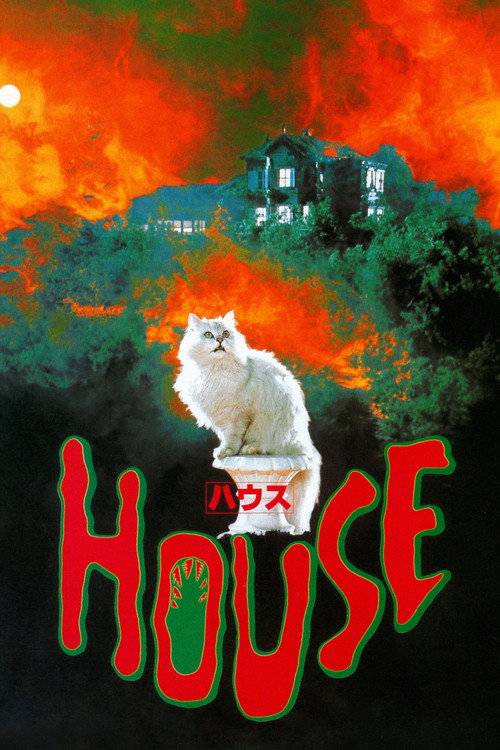
House1977
Nobuhiko Obayashi's haunted-house film is equally uninterested in conventional horror grammar. Both treat inanimate objects with supernatural weight and create terror through formal strangeness.
But Hausu is radiant and playful—almost a pop-art film. Death Bed is drearier and more genuinely unsettling.
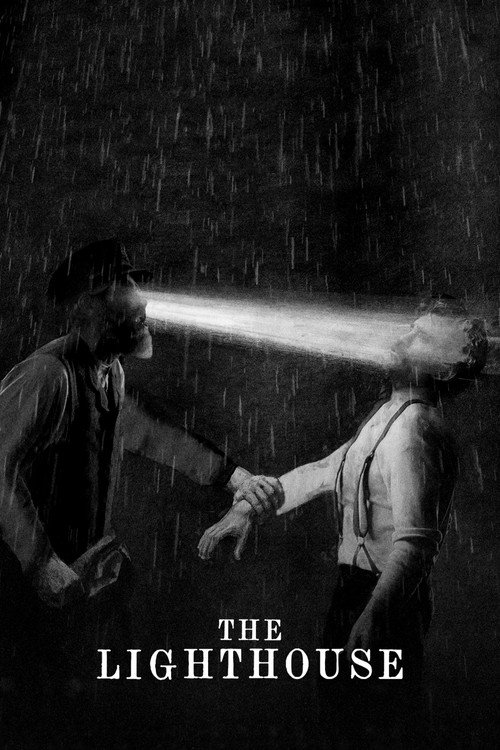
The Lighthouse2019
Eggers shares Death Bed's obsession with isolation and the grotesque. Both are formally weird, compressed in space, and committed to staying in a mood rather than moving a plot.
But The Lighthouse is technically brilliant and awards-baiting. Death Bed is proudly low-fi, which is kind of the point.
Mulholland Drive2001
Lynch again, but this time exploring how desire and watching trap us. Both films are about spectatorship—being forced to witness something you can't stop.
But Mulholland Drive is lengthy, baroque, and demands multiple viewings. Death Bed can be grasped in one sitting, though you'll want another.

Possession1981
Both films are rooted in what obsession looks like when it's allowed to become literal and physical. Both have gained cult status precisely because mainstream audiences found them impenetrable.
Andrzej Żuławski's avant-garde horror is viscerally sexual and deeply unhinged about relationships. It shares Death Bed's refusal to explain its logic or soften its vision for comfort.
But Possession is aggressively difficult, sexually explicit, and emotionally violent. It's not haunted by weirdness—it is weirdness.

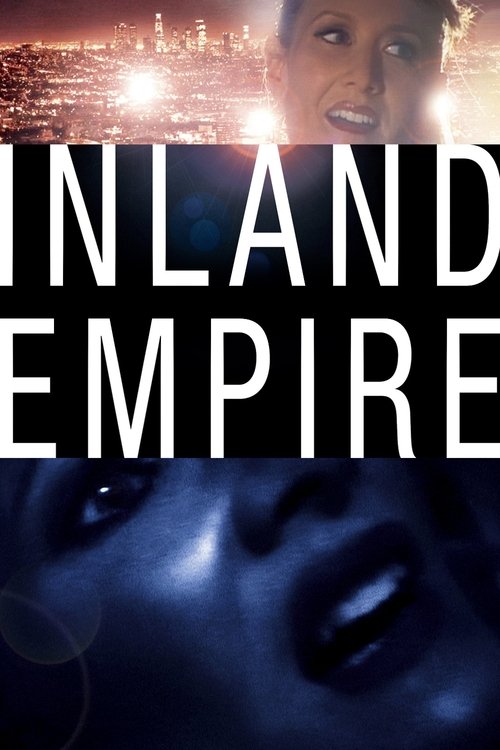
Inland Empire2006
Both films are about watching and witnessing as a form of horror—the helplessness of seeing something unfold that you cannot stop or fully understand. Both are essentially unsummarizable.
Lynch's three-hour digital nightmare is pure tone and mood with plot as afterthought. Like Death Bed, it trusts its fever-dream logic and abandons conventional narrative scaffolding entirely.
But Inland Empire is a grueling, nearly incomprehensible endurance test filmed on digital video. It exists almost purely in atmosphere and dread.
People
Cast
 Demene E. HallDiane
 William RussSharon's Brother
- Julie RitterSuzan
- Linda BondThe Resurrected
- Patrick Spence-ThomasVoice of the Artist
- Rosa LuxemburgSharon
- Dave MarshArtist
- Ed OldaniVictim
- Dessa StoneFirst Female Victim
- Marshall TateSide Order
- Samir EidGangster
- Fred AbdenourGangster
Directing
- George BarryDirector
Writing
- George BarryWriter
Production
- George BarryProducer
- Les WearsProduction Assistant