
Film
House
House is a 1977 Japanese haunted-house film so visually unhinged it barely counts as horror — a piano devours a girl, skies bleed watercolor, editing collages together animation, painted backdrops and pure candy-colored chaos. Made as a teen comedy that got away from its director entirely. Watch it for sensory delirium and gleeful invention, not scares; it's horror repurposed as psychedelic pop art.
If you liked this
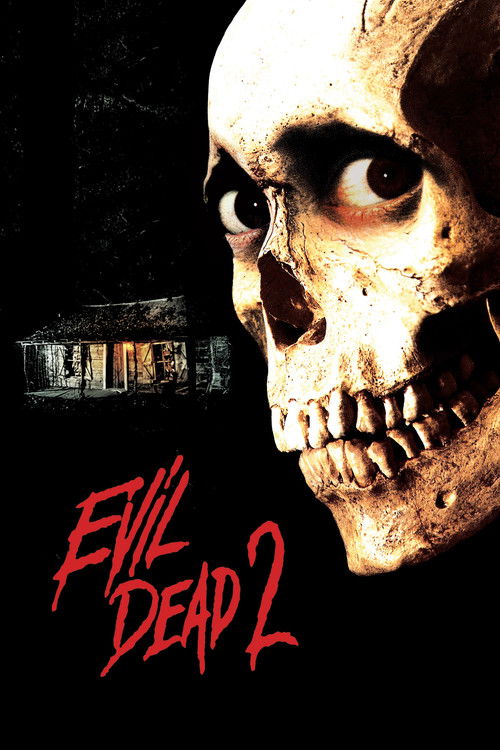
Evil Dead II1987
Sam Raimi answers gore with slapstick, turning a possessed cabin into a live-action cartoon of severed hands and swinging camera tricks — the same anything-goes glee that makes House feel like a visual effects playground.
But The comedy is broader and gorier than House's whimsy; if you want charm without splatter, this leans hard into slime and dismemberment.
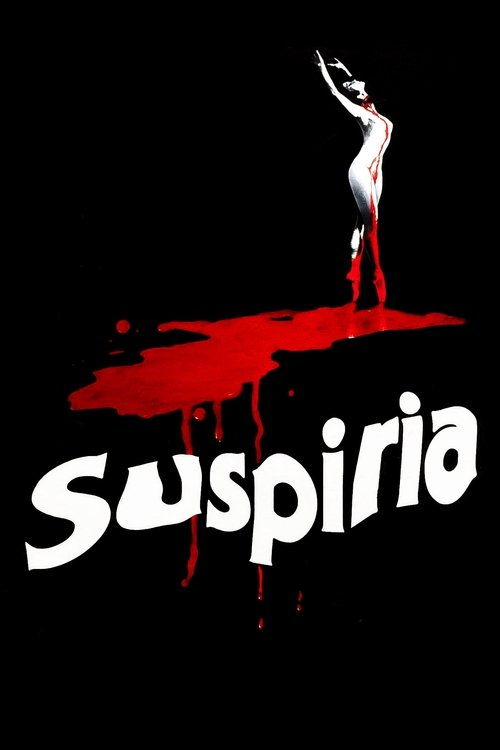
Suspiria1977
Released the same year, Argento's witch-academy nightmare shares House's principle that plot is an excuse for color and sound to assault the senses, with primary-red corridors as unforgettable as House's candy dread.
But It's genuinely frightening where House is gleeful; the dread here has real teeth, not a wink.
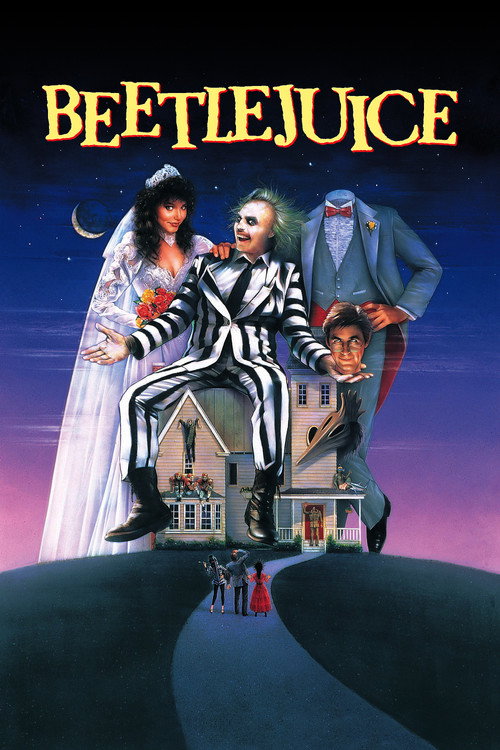
Beetlejuice1988
Tim Burton's afterlife farce shares House's belief that a haunted home should look like a demented pop-up book, stuffed with practical effects and a delighted disregard for internal logic.
But It's tamer and more family-friendly, with none of House's genuinely unsettling undercurrents about grief and loss.
The wildcard
Something you would not have found on your own.
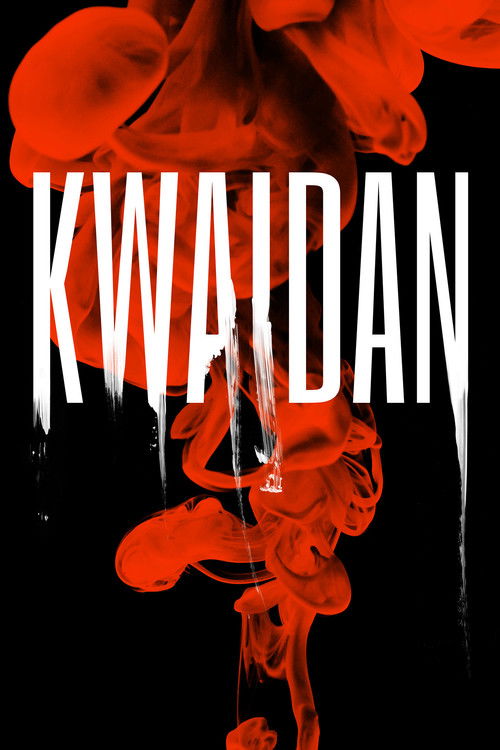
Kwaidan1965
Both come from a Japanese tradition of treating the ghost story as an excuse for pure studio artifice — painted, theatrical, deliberately unreal — one restrained and mournful, the other cranked to eleven.
Four Japanese ghost stories told with theatrical, hand-built artifice — painted skies, deliberately unreal sets — that make its world feel like a storybook rather than a location, the same instinct House takes to a manic extreme.
But It's stately and slow where House sprints; nearly three hours of quiet dread rather than eighty-eight minutes of visual pandemonium.
More like this (8)
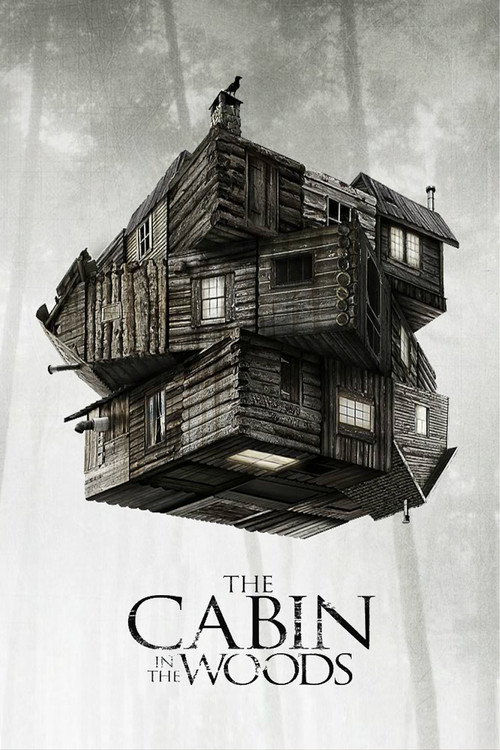
The Cabin in the Woods2012
A meta-horror comedy that keeps subverting its own genre scene by scene, much as House refuses to settle into being simply a haunted house movie — both delight in breaking their own rules.
But Its cleverness is verbal and structural rather than visual; if House's appeal was the imagery, this trades pictures for plot twists.
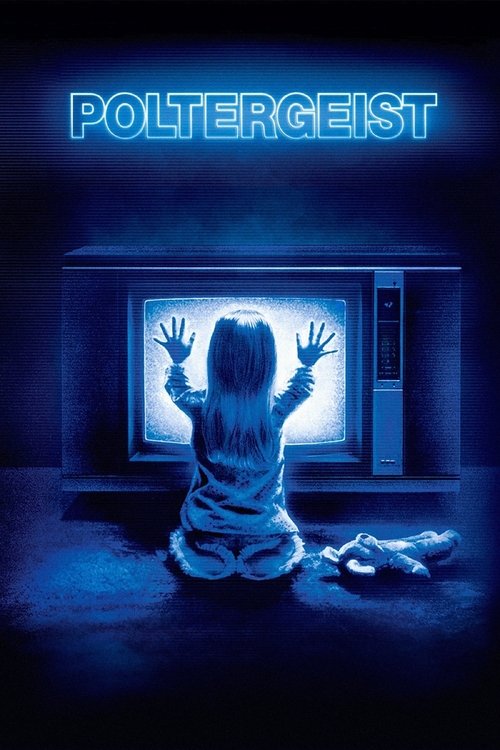
Poltergeist1982
A slicker, more mainstream American haunted-house film with genuinely inventive practical effects and the same sense that domestic space can turn hostile and absurd in equal measure.
But It plays its scares and family drama more sincerely — less anarchic humor, more polished studio horror.
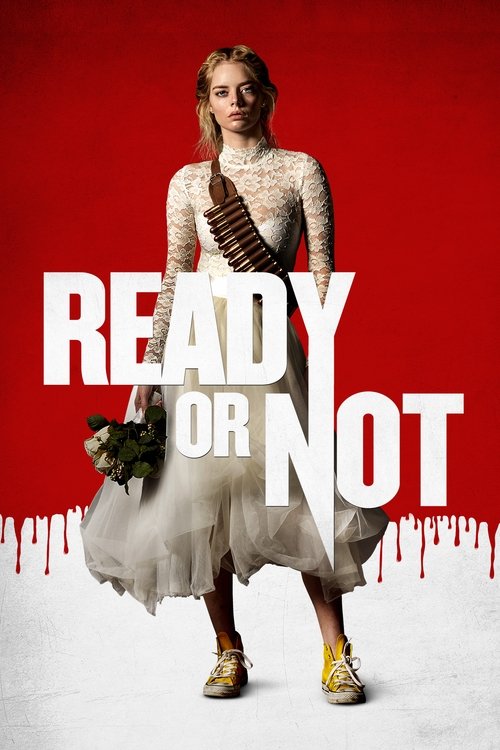
Ready or Not2019
A bride hunted through a sprawling mansion by her in-laws, played as pitch-black comedy with the house itself as gleeful antagonist — the same idea of architecture turned killer, just wickeder.
But It's grounded in slasher mechanics rather than surreal imagery; the humor is sharper and crueler, not whimsical.
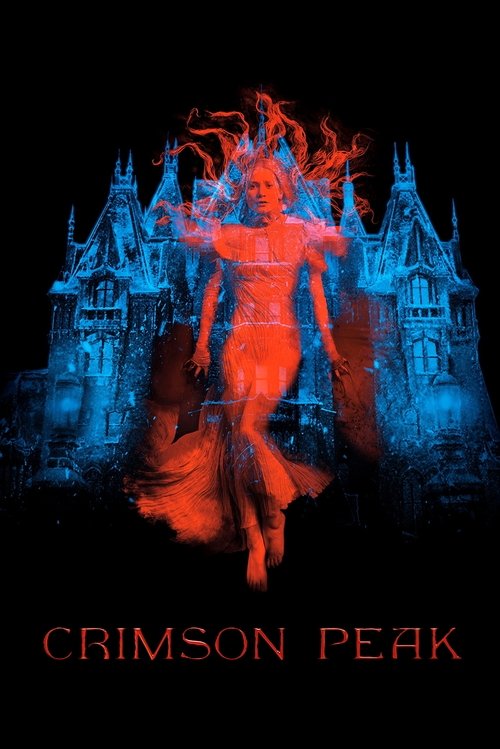
Crimson Peak2015
Guillermo del Toro treats a haunted mansion as a piece of design first, ghost story second, lavishing every hallway with color and texture the way House lavishes every frame with visual invention.
But It's a gothic romance at heart, slower and more melancholy, with none of House's manic comic energy.
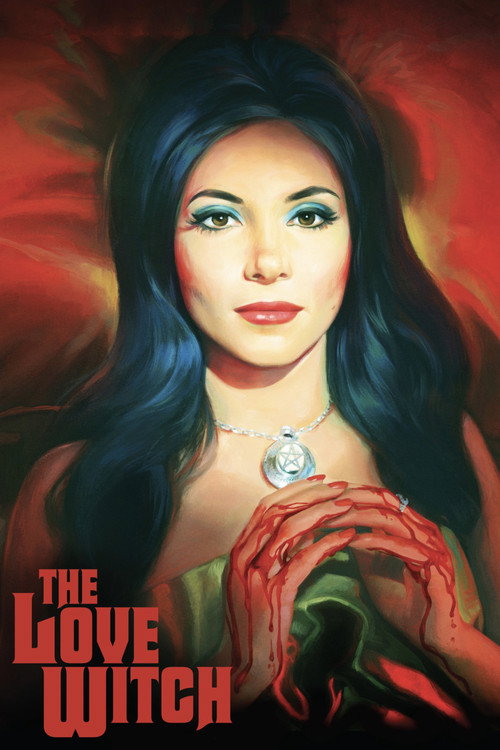
The Love Witch2016
Anna Biller's retro pastel fever dream recreates the artificial, hyper-stylized look of 60s and 70s genre films with the same loving, handmade excess that makes House so singular.
But It's a slow-burn satire on romance and femininity rather than a horror comedy; patience for deliberate pacing is required.
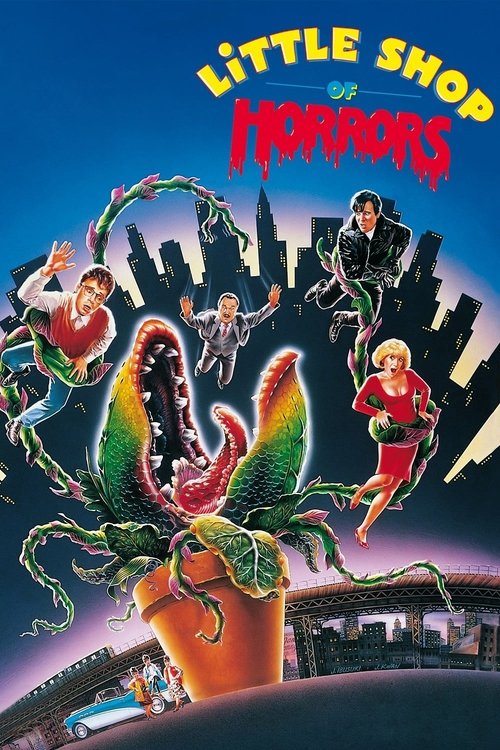
Little Shop of Horrors1986
A man-eating plant musical with the same cheerful embrace of the absurd and grotesque, proving horror, comedy and outright silliness can share a frame without apology.
But It's a full musical with songs and choreography, a very different rhythm from House's collage-editing chaos.
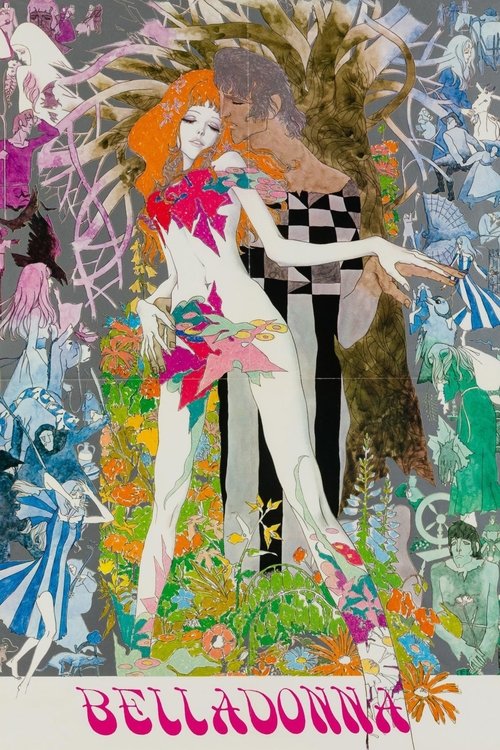
Belladonna of Sadness1973
Same era, same country, same appetite for throwing every visual technique at the screen at once — but in animation, and in service of a story about suffering rather than schoolgirl adventure.
A hallucinatory Japanese animated feature from the same decade, built from watercolor panels bleeding into psychedelic motion — proof House's collage aesthetic was part of a wider explosion in Japanese visual experimentation, not a one-off.
But It's an adult animated film dealing frankly with sexual violence and trauma, tonally far darker and more explicit than House's cheerful nightmare.
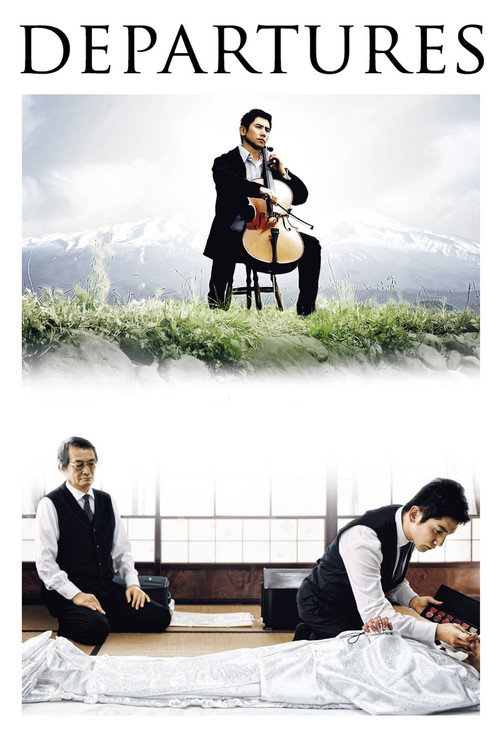
Departures2008
House hides a real story about a girl mourning her mother beneath its cartoon surface; this film takes that same subject — loss, ritual, the work of grieving — and tells it completely straight.
A quiet, serious Japanese drama about a man who becomes a ritual mortician, confronting death and grief directly — the emotional engine buried under House's chaos, unearthed here and given room to breathe.
But There's no horror, comedy or spectacle whatsoever; it's a slow, tender character study that asks for patience rather than delight.
People
Cast
 Kimiko IkegamiGorgeous / Gorgeous' Mother
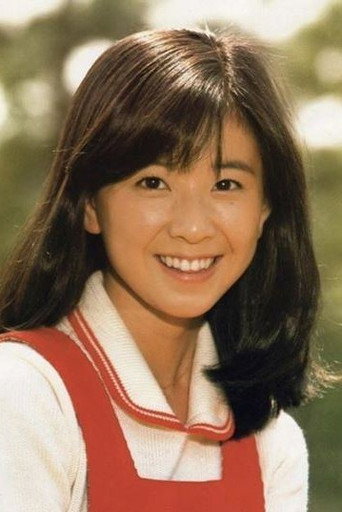 Kumiko OhbaFantasy
 Ai MatsubaraProf
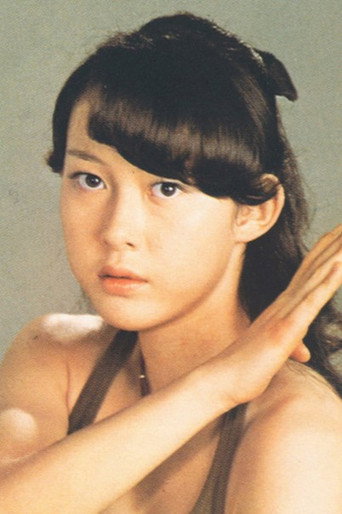 Miki JinboKung Fu
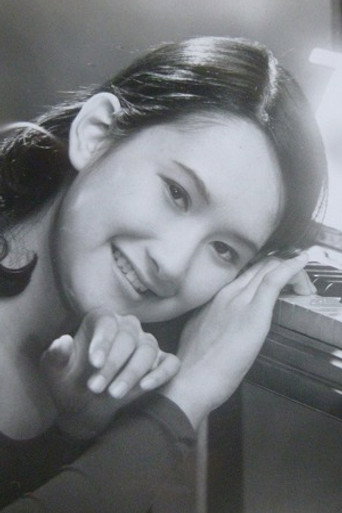 Eriko TanakaMelody
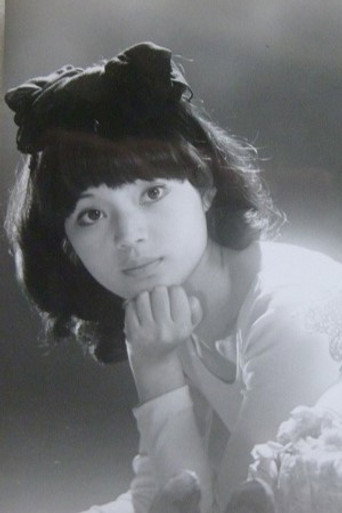 Masayo MiyakoSweet
 Mieko SatohMac
 Yōko MinamidaHausu Karei
 Kiyohiko OzakiKeisuke Togo
 Saho SasazawaGorgeous' Father
 Haruko WanibuchiRyôko Ema
 Asei KobayashiWatermelon Farmer
Directing
- Kazuo SatsuyaAssistant Director
- Nobuhiko ObayashiDirector
- Kōhei OguriFirst Assistant Director
Writing
- Chigumi ÔbayashiOriginal Story
- Chiho KatsuraScreenplay
Production
- Nobuhiko ObayashiProducer
- Tomoyuki TanakaProducer
- Yorihiko YamadaProducer
Recommended by
Monster House, Ghostbusters, Suspiria, The Cabinet of Dr. Caligari, Häxan, mother!