
Film
Belladonna of Sadness
Belladonna of Sadness is the strangest entry in Osamu Tezuka's adults-only 'Animerama' project—a hallucinatory, watercolor-painted revenge fable about a bride destroyed by feudal cruelty who trades her soul for power. Told through slow pans across psychedelic paintings rather than conventional animation, scored with folk-rock, it's gorgeous, explicit and genuinely upsetting. For fans of arthouse animation and 70s excess who can stomach sexual violence as metaphor.
If you liked this
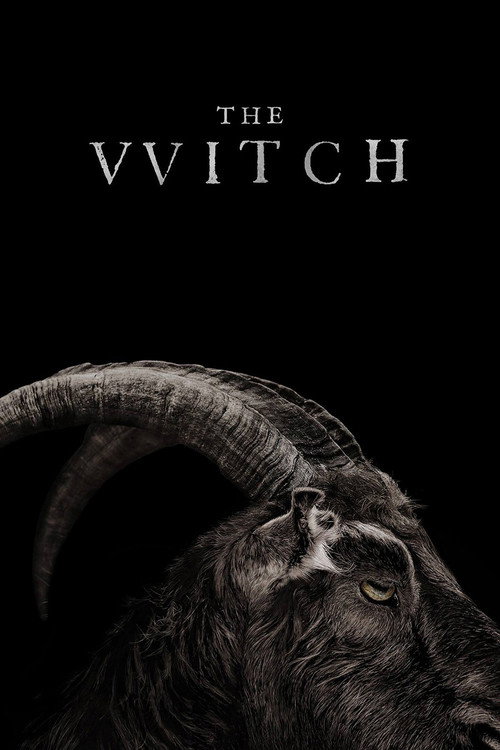
The Witch2016
Robert Eggers' folk-horror debut turns puritan guilt and a young woman's rage into something genuinely frightening, with a devil's bargain at its centre that echoes Belladonna's own. Meticulous and unforgettable.
But It's austere and quiet where Belladonna is lurid and loud—don't expect psychedelia or spectacle here.
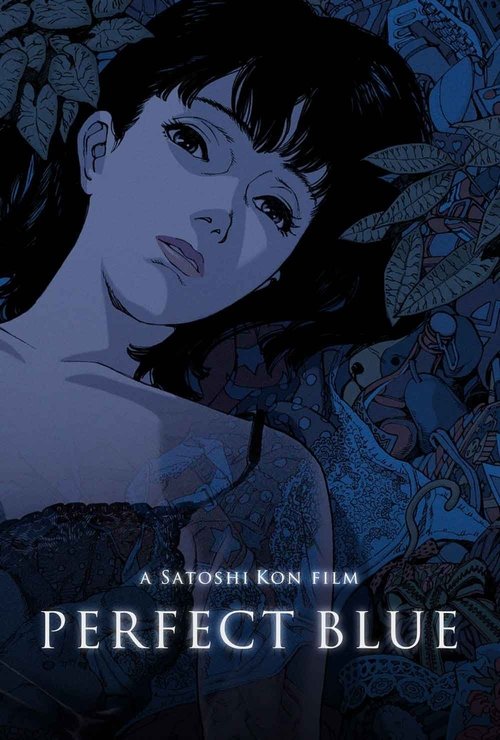
Perfect Blue1998
Satoshi Kon's anime thriller about a pop star losing her grip on reality shares Belladonna's fascination with female identity dissolving under exploitation, rendered in equally bold, disturbing images.
But It's a tight psychological thriller, not a fantasy epic—the scope is much smaller and grimmer.
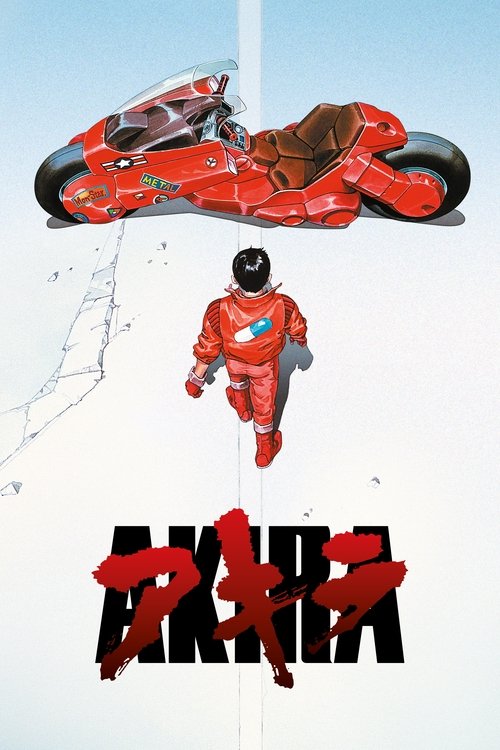
Akira1988
The other landmark of adult Japanese animation from the same general era, proof that anime aimed at grown-ups could be as visually radical and morally serious as anything live-action.
But Cyberpunk chaos instead of watercolor myth—tonally and visually it's a completely different universe.
The wildcard
Something you would not have found on your own.
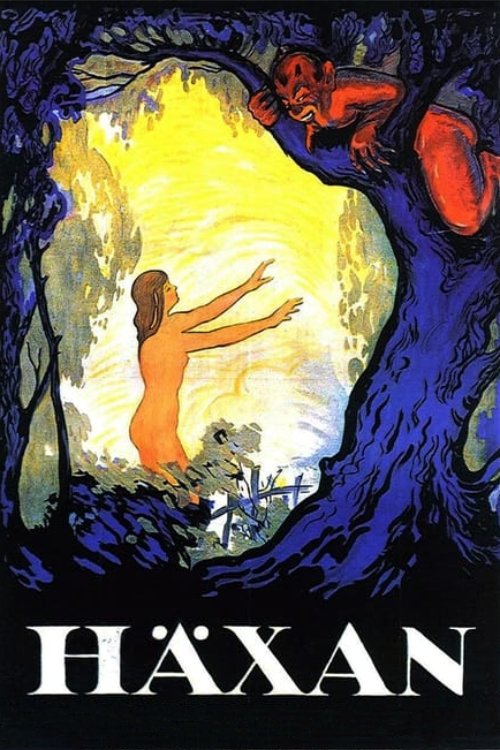
Häxan1922
Both films use the devil's-bargain witch as an argument that 'witchcraft' was always a story men told about female desire and power—Belladonna just paints it instead of filming it, fifty years later.
A Swedish-Danish silent 'documentary' that dramatizes witch trials, demonic pacts and female hysteria with genuinely unsettling images half a century before Belladonna—one of cinema's earliest attempts to paint witchcraft as a metaphor for the persecution of women.
But Silent, slow, and structured like a lecture with reenactments—patience required, and the pacing will test modern viewers.
More like this (8)
Fantastic Planet1973no page yet
A French-Czech animated fever dream from the very same year, built from strange painted textures and a genuinely alien sense of dread—a kindred spirit in ambition and era.
But Cold and cerebral where Belladonna is emotional and operatic; some find it stranger than moving.
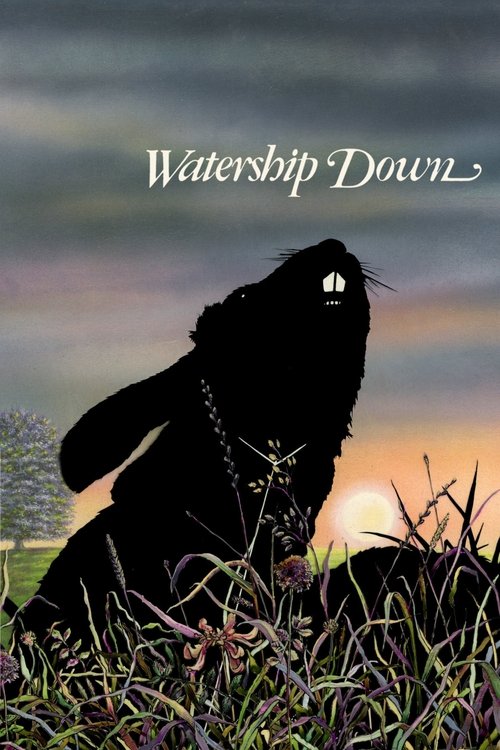
Watership Down1978
Proof that traditional animation can carry real brutality and grief—a beloved British film that still shocks newcomers expecting something gentle.
But Rabbits, not humans—the violence is real but the sensuality and eroticism of Belladonna are entirely absent.
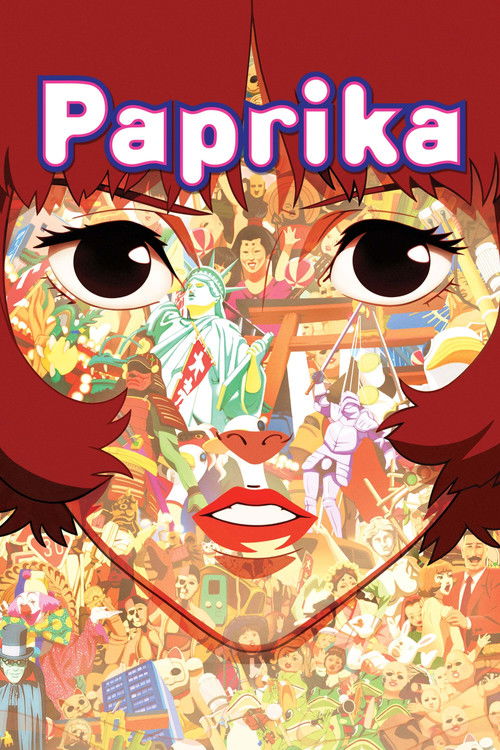
Paprika2006
Kon again, this time turning animation itself into a dream logic machine—wildly inventive and visually unbound, clearly an ancestor of Belladonna's painted delirium.
But Playful and puzzle-like rather than tragic; it's considerably more fun than devastating.
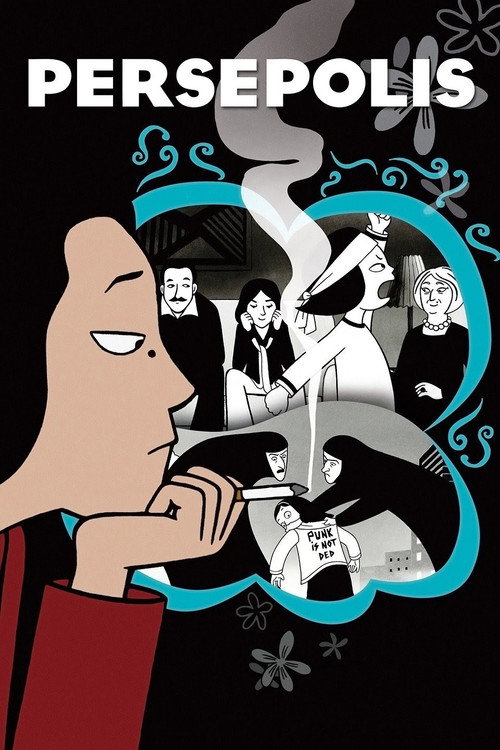
Persepolis2007
An animated memoir of growing up female under oppression, told with stark, beautiful line work—a different register but the same core question about a woman's survival.
But Autobiographical and grounded, with none of Belladonna's fantastical or erotic elements.
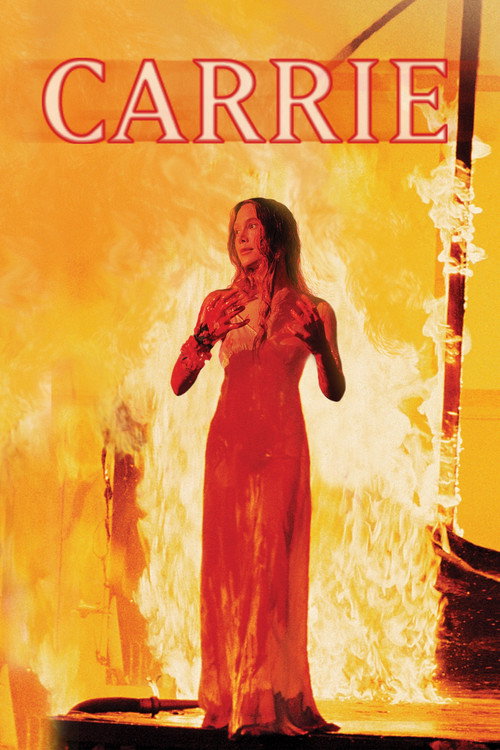
Carrie1976
A humiliated young woman discovers supernatural power and turns it on the people who broke her—the same revenge shape, filtered through 70s American horror.
But High school gym class instead of feudal Japan—much pulpier and far less painterly.
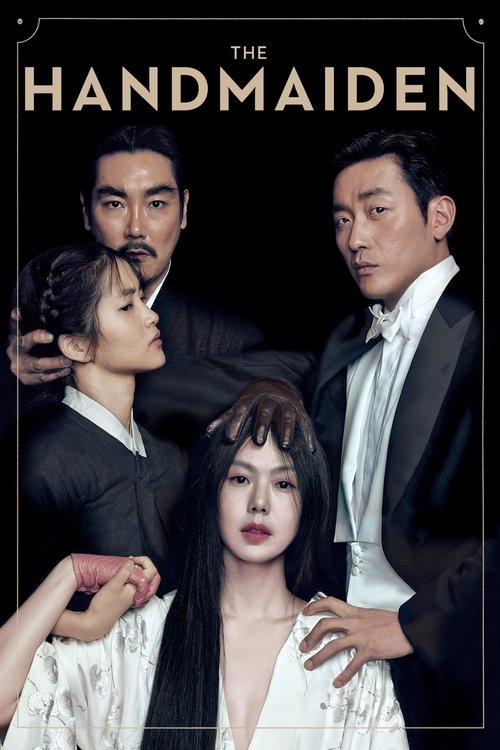
The Handmaiden2016
Park Chan-wook's gorgeous, twisting revenge story pairs visual sumptuousness with real anger about the ways women's bodies are used against them.
But It's a slow-burn thriller with narrative sleight of hand—those wanting hallucinatory abstraction may find it too plotted.
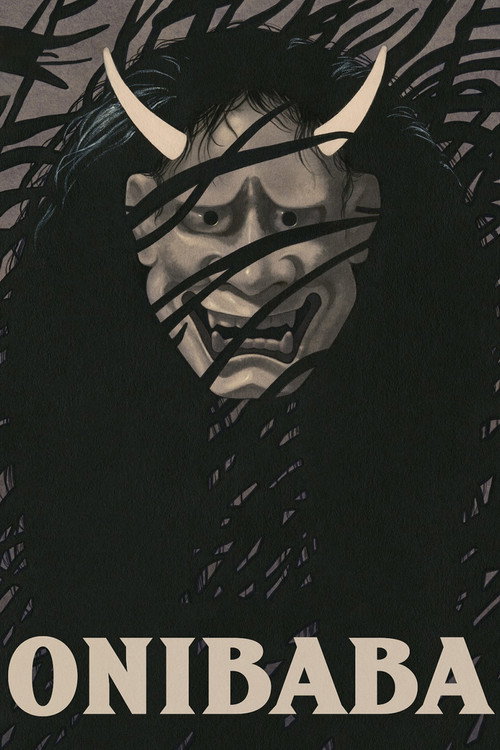
Onibaba1964
Same national cinema wrestling with the same idea a decade earlier: a woman's body, desire and rage as the meeting point of supernatural horror and social critique, told in stark monochrome instead of watercolor.
Kaneto Shindo's black-and-white Japanese folk horror follows two women in a war-ravaged village whose desperation and desire curdle into something monstrous—stripped of color, but just as furious about what men do to women left with nothing.
But Austere and slow, with none of Belladonna's psychedelic color or fantasy—this is social realism wearing a demon mask, not myth.
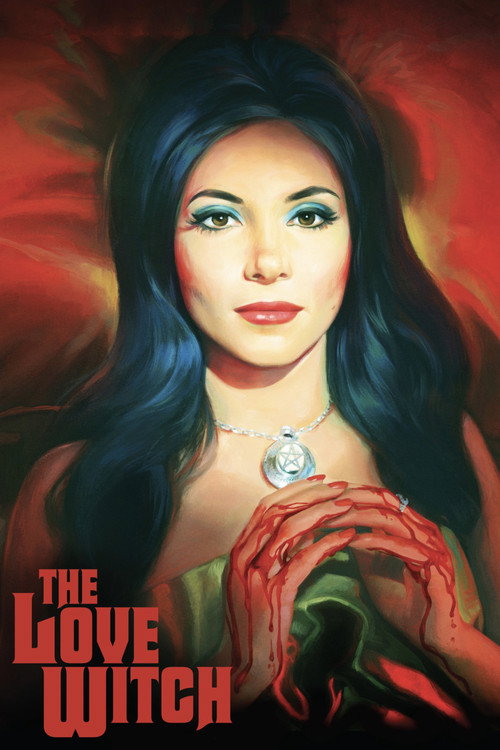
The Love Witch2016
Both dress a feminist critique of desire and power in exaggerated, hyper-feminine visual style; Belladonna plays it as tragic opera, The Love Witch plays it as knowing satire.
Anna Biller's technicolor pastiche of 60s occult melodrama is gorgeous, deadpan, and quietly furious about the male gaze it's dressed up in—a spiritual descendant that trades tragedy for camp.
But It's comedy pretending to be melodrama—if you want Belladonna's operatic grief, this cooler, funnier film won't give it to you.
People
Cast
 Aiko NagayamaJeanne / Belladonna (voice)
 Takao ItōJean (voice)
 Tatsuya NakadaiThe Devil (voice)
 Masaya TakahashiThe Lord (voice)
- Shigako ShimegiThe Lord's Mistress (voice)
 Masakane YonekuraThe Priest (voice)
- Natsuka YashiroThe Witch (voice)
Directing
- Eiichi YamamotoDirector
Writing
- Jules MicheletNovel
- Eiichi YamamotoWriter
- Yoshiyuki FukudaWriter
Recommended by
Heavy Metal, Kuroneko, The Duke of Burgundy, House, Ninja Scroll, Onibaba, Eyes Wide Shut, Nymphomaniac: Vol. II