
Film
Go Go Kamen Rider
A 1971 tokusatsu action film where the motorcycle-riding cyborg superhero Kamen Rider battles the Shocker Organization's plot to sabotage an atomic plant. Briskly paced and gloriously weird, it's a creature-feature wrapped in spy-thriller mechanics. Pure pulp energy—silly, earnest, and visually inventive in ways studio filmmaking rarely attempts now.
If you liked this
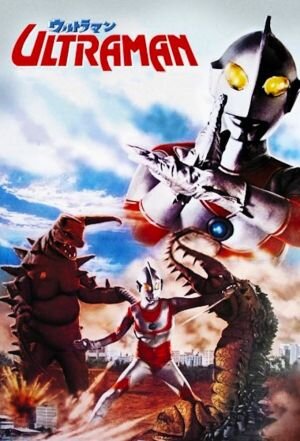
Ultraman1966
The foundational tokusatsu series that established the template: a human transformed into a giant alien protector fighting weekly monsters. Colour, charm, and the same blend of practical effects and miniatures that makes Go Go Kamen Rider sing.
But Episodic structure means some instalments are thin. The pacing assumes a TV audience; it doesn't have the narrative momentum of a feature film.
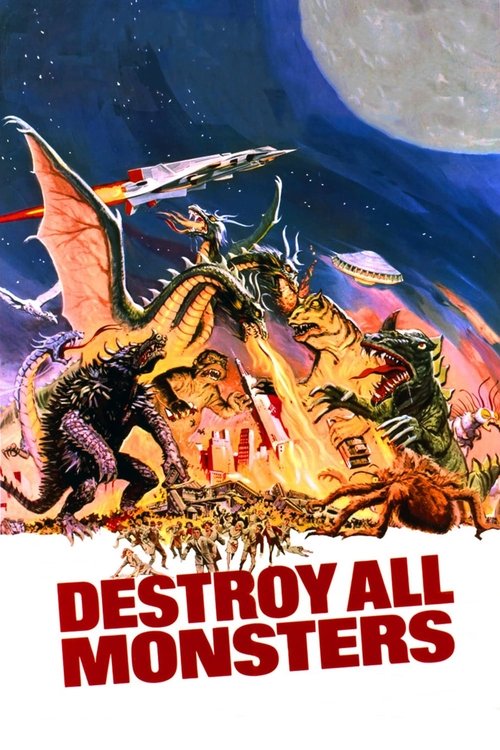
Destroy All Monsters1968
Toho's Godzilla ensemble spectacular—monsters tearing through Tokyo with real wit and scale. Same DNA: practical effects, B-movie plotting elevated by craft and visual flair. Pure joy in miniature destruction.
But Lightweight on character and story logic. If you need emotional stakes or narrative coherence, this will frustrate you.
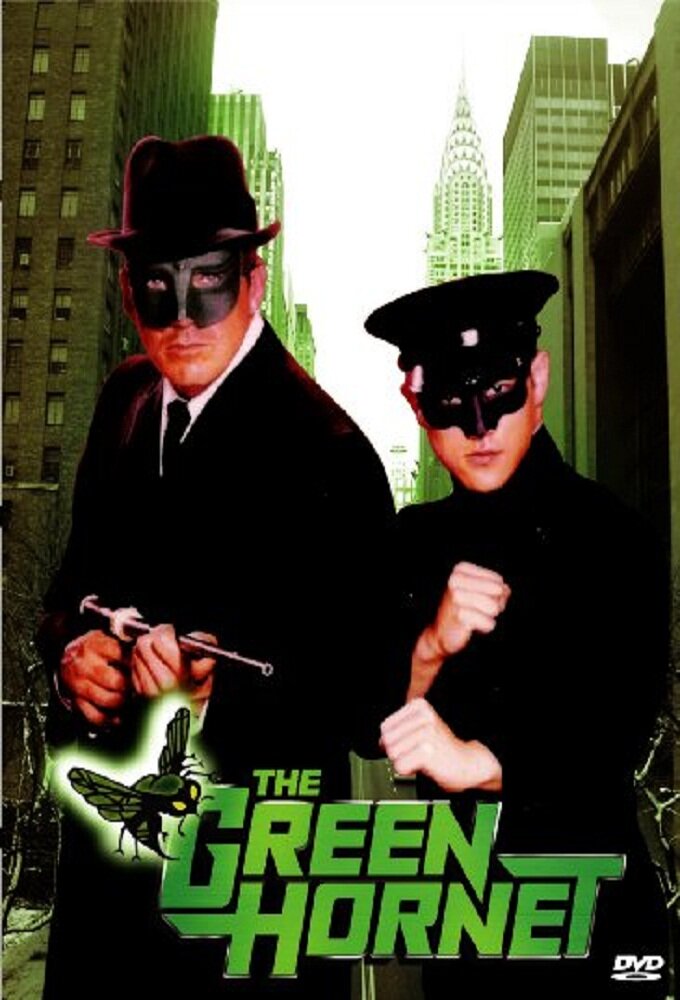
The Green Hornet1966
American TV's answer to the masked-vigilante boom, with the same campy energy and zippy action editing. Martial arts, gadgetry, and earnest silliness performed with full commitment. It gets what makes pulp work.
But Deliberately campy in a way that hasn't aged universally well. Some find the tone dated rather than charming.
Not sure tonight? Get a pick in a minute, starting from Go Go Kamen Rider
The wildcard
Something you would not have found on your own.
Harakiri1962
Both use the human body transformed by ideology: Kamen Rider by technology, Harakiri by ritual code. Both are about a man whose body is no longer his own, made an instrument of something larger.
Masaki Kobayashi's formal masterpiece about ritual suicide and institutional cruelty. Composed entirely differently from Kamen Rider—black-and-white, static, glacial—yet shares the same Japanese commitment to codified violence and honour. Proof that Japanese cinema in this era had aesthetic range without losing its DNA.
But Depressing and austere. Nearly three hours of slow revelation. No action in the conventional sense. Demands patience and surrenders nothing easily.

More like this (5)
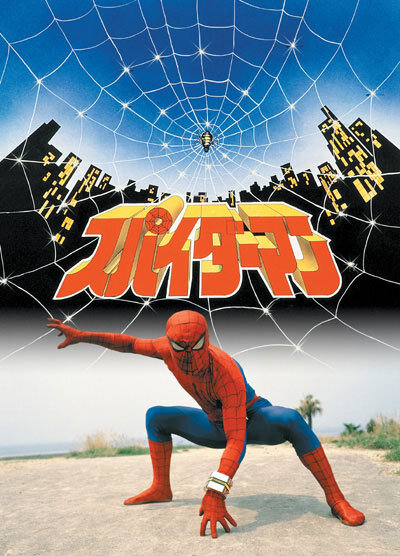
Spider-Man1978
Tokusatsu action television made by Japanese producers for American syndication. Cheaper, weirder, more intimate in scale than you'd expect. A secret bridge between the two traditions you'll never find again.
But Production values are visibly constrained. Fight choreography is repetitive. Episode-to-episode quality varies wildly.
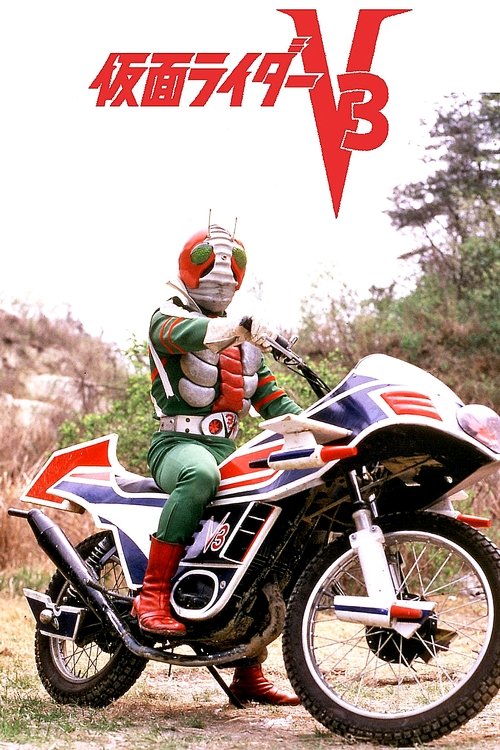
Kamen Rider V3: The Movie1973
The sequel series, doubling down on what worked: faster editing, improved effects, a sympathetic hero with real doubts. Proves the format could deepen without losing its pulp electricity.
But Extended TV series fatigue sets in by the second season. Villain designs repeat. You'll want to watch highlights, not archive everything.
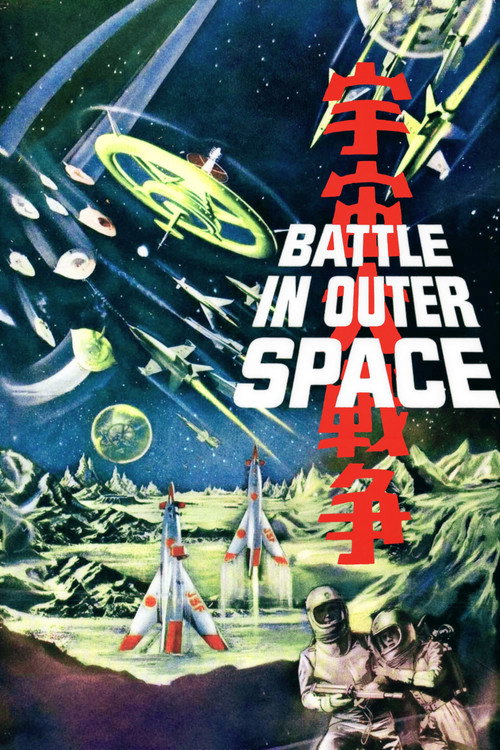
Battle in Outer Space1959
Toho space opera with the same practical miniature work and colour cinematography. Spy procedural meets sci-fi—it shares Go Go Kamen Rider's genre DNA and earnest commitment to its own premise.
But Glacially slow by modern standards. Long stretches of plotting, very little action. Patience required.
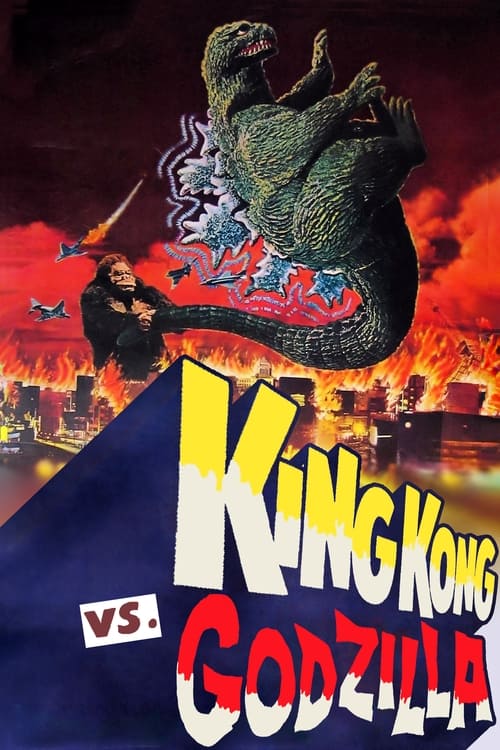
King Kong vs. Godzilla1962
Monster spectacle with genuine production scale and widescreen composition. Practical effects pushed to their limit; every shot shows hands-on craft. The ancestor of everything that follows, done with style.
But Dubbed version flattens performances. Plot is deliberately thin. Some find the miniature work too obviously miniature.
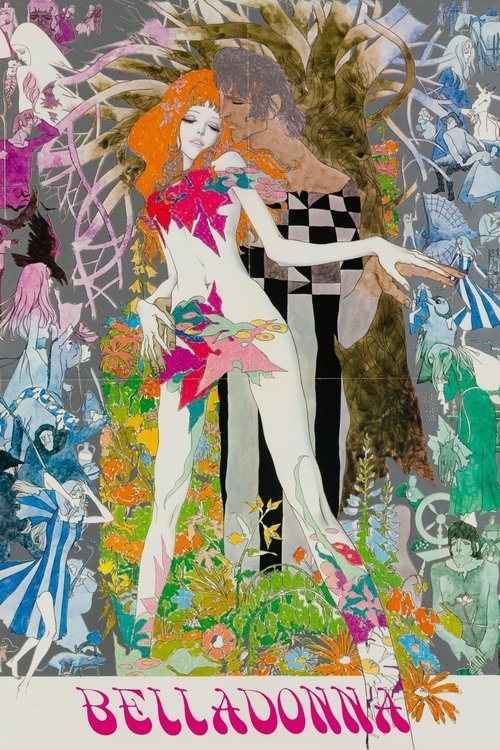
Belladonna of Sadness1973
Both from Japan's early-1970s pulp renaissance, both unafraid of their own strangeness, both trusting visual language over exposition. Both prove what low-to-mid budget cinema could attempt when unmoored from international commercial expectation.
A medieval fantasy horror film shot mostly through animation and collage. Surreal, sexually explicit, visually unlike anything else. Japanese science fiction and fantasy had range beyond tokusatsu—this proves it. A film that swings for something genuinely strange.
But Abstract and difficult. Plot is secondary to mood and image. Sexual content and religious imagery are confrontational. Not a story film; an experience that resists conventional interpretation.
People
Cast
 Hiroshi FujiokaTakeshi Hongo / Kamen Rider
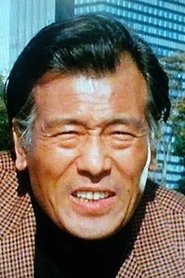 Akiji KobayashiTobei Tachibana
- Chieko MorikawaRuriko Midorikawa
 Yoko ShimadaHiromi Nohara
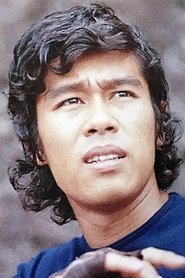 Jirô ChibaKazuya Taki
- Rumi KatsuraYoko Taki
 Shinzō HottaKen Nomoto / Tokageron
- Susumu MizushimaSpider Man
 Eken MineBat Man (Voice)
- Terue NunamiBee Woman (Voice)
Directing
- Hidetoshi KitamuraDirector
Writing
- Shotaro IshinomoriOriginal Story
- Masaru IgamiWriter
Production
- Seiji AbeProducer
- Tōru HirayamaProducer