
Television series
Spider-Man
Other titles called Spider-Man: the 2002 film.
Japan's 1978 Spider-Man is gloriously unmoored from the source material: a motorcycle racer who fights aliens with a giant robot, powered by an alien from a doomed planet. It's maximalist tokusatsu at its most exuberant—practical effects, miniature work, and swing-from-the-rafters earnestness. Pure adventure television, no irony.
Should you watch it?
Watch it if you love old-school tokusatsu, with rubber-suited monsters, giant robot team-ups and a hero who fights in bright, cheerfully earnest episodes that never apologise for their sincerity.
Skip it if you want slick modern effects or subtle performances, since the suits, sets and broad acting show their age openly and rarely try to hide it.
What it asks of you: Half-hour episodes stacked into forty-one instalments, so it runs long and episodic, with a formula you settle into rather than a plot you chase.
Not sure? Find tonight's pick in a minute.
If you liked this
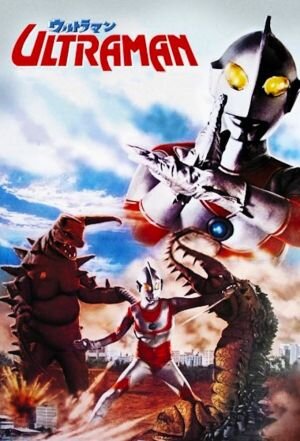
Ultraman1966
Giant alien hero fighting giant monsters in miniature Tokyo. The visual language is pure wonder: rubber suits, cardboard buildings, practical effects that somehow transcend their materials and become mythic.
But Very much a kids' show structurally, and some episodes are thinner than others. Repetition is built in.
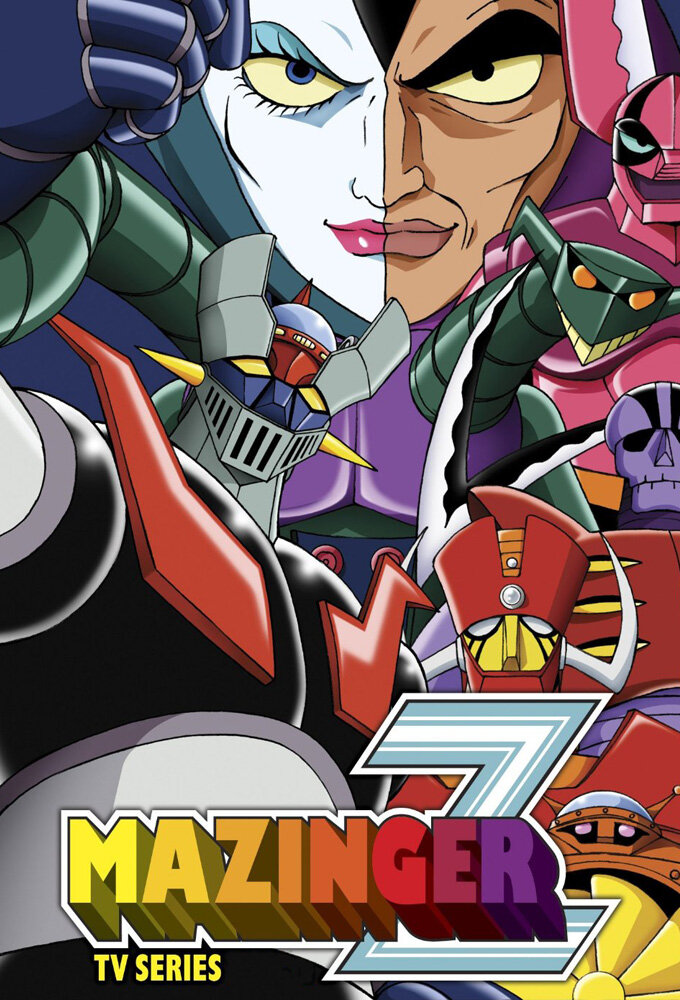
Mazinger Z1972
The template for super robot anime: a teenager pilots a giant mechanical warrior against an endless parade of mechanical monsters. Wildly inventive creature design, real stakes, and a serialized narrative that builds momentum.
But Animation is limited and stiff by design—it's early 70s TV anime on a shoestring budget. You have to accept stillness as aesthetic choice.
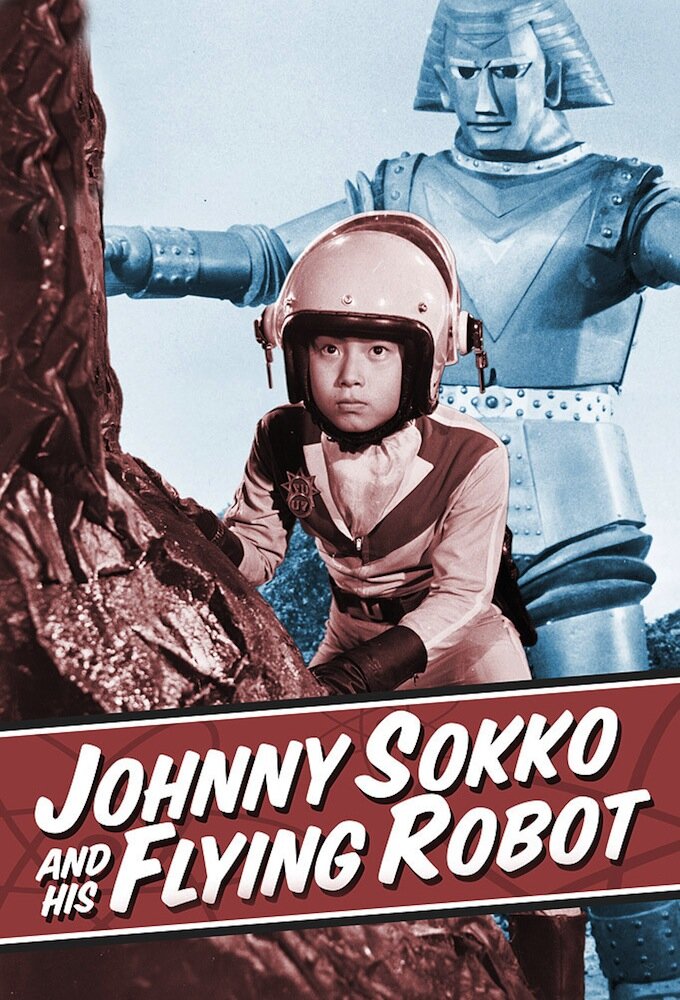
Johnny Sokko and His Flying Robot1967
American-Japanese coproduction about a boy controlling a giant robot with a wristwatch. Absolutely unhinged premise executed with sincerity and charm. A window into what crossed the Pacific as children's television.
But Juvenile pacing and dialogue that don't age gracefully. Some episodes feel stretched beyond their premise.
Not sure tonight? Get a pick in a minute, starting from Spider-Man
The wildcard
Something you would not have found on your own.
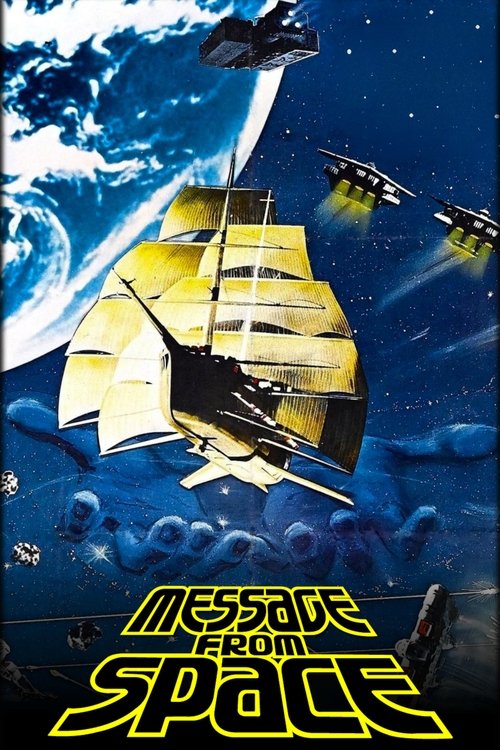
Message from Space1978
Both are 1978 Toei productions reaching for cosmic scope on TV budgets; both weaponize earnestness where cynicism might live.
Japanese Star Wars answer made the same year as this Spider-Man. Toei production, practical space effects, a bonkers plot about telepathic seeds and space pirates. Earnest, expensive, visually bizarre in ways only 1978 Japan could achieve.
But Pacing is stately to the point of drowsiness. The plot doesn't quite hold. It's fascinating largely because it's *strange*.
More like this (2)
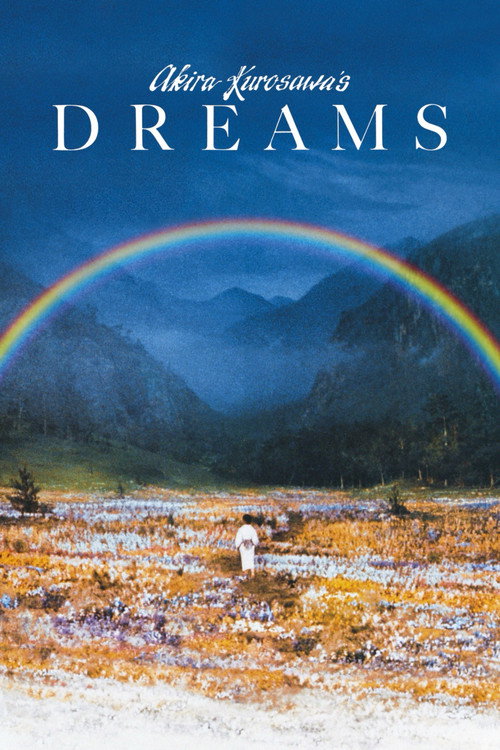
Dreams1990
Both are Japanese cinema reaching for wonder through genre—one through adventure pulp, one through metaphysical poetry. Both believe image can transcend language.
Kurosawa's final masterpiece: eight standalone dreams visualized with painterly precision. One contains a nuclear apocalypse, another foxes conducting a wedding. Pure cinema—no narrative, just image and emotion. Overwhelming beauty.
But Plotless by design. Slow, meditative, resists interpretation. Some find it inaccessible; others find that the point entirely.
Eolomea1972
Both pit human characters against cosmic otherness with sincere low-budget effects and earnest belief in wonder—the pulp hero and the philosophical explorer solving the same problem differently.
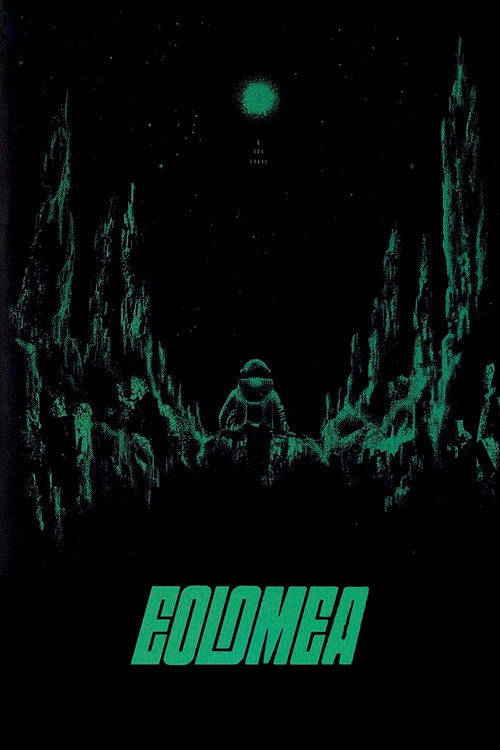
Polish sci-fi film about humans aboard a space station nearing an unexplored planet. Methodical, strange, brimming with genuine unknowing. Almost no dialogue. Practical effects that look like nothing else. Pure cosmic speculation.
But Extremely slow, dialogue-free for long stretches, set almost entirely in cramped corridors. Not a film that gives you much to hold.
People
Cast




Writing
- Stan LeeCreator
- Steve DitkoCreator
Recommended by
Go Go Kamen Rider, Aquaman, Here Comes the Grump, The Super Inframan