Television series
Here Comes the Grump
- Fantasy
- Treasure hunt
- Strange
A 1969 animated series where a princess and an earthbound boy quest across a fantasy realm to find a magical key, pursued by the sinister Grump and his hapless dragon. Wildly surreal, anarchic, and visually kaleidoscopic, it's Saturday-morning adventure filtered through pure weird—charming for those who love vintage animation's fearless strangeness.
Should you watch it?
Watch it if you love loopy, kaleidoscopic cartoons where the oddball detours matter more than the plot, and a grumpy villain chasing heroes across a fantasy map sounds like pure fun.
Skip it if you need tight plotting or sharp jokes, since this is a meandering, stop-start sequence of strange lands with a 1960s pace and wobbly, dated visuals that may test patience.
What it asks of you: Half-hour episodes, thirty-four of them in one season, so it suits a few sittings, and you must let its dreamlike logic wash over you.
Not sure? Find tonight's pick in a minute.
If you liked this
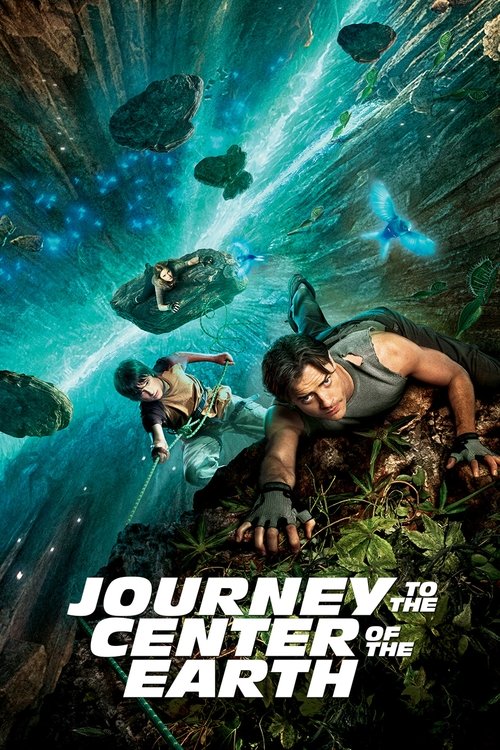
Journey to the Center of the Earth2008
Likewise pairs earthly characters with fantastical worlds and impossible creatures in quest narratives. Claude Rains brings gravitas; the sense of wonder is genuine, not camp.
But Slower paced and more interested in dinosaurs than absurdism. If you want weirdness, this prioritizes spectacle and earnestness instead.
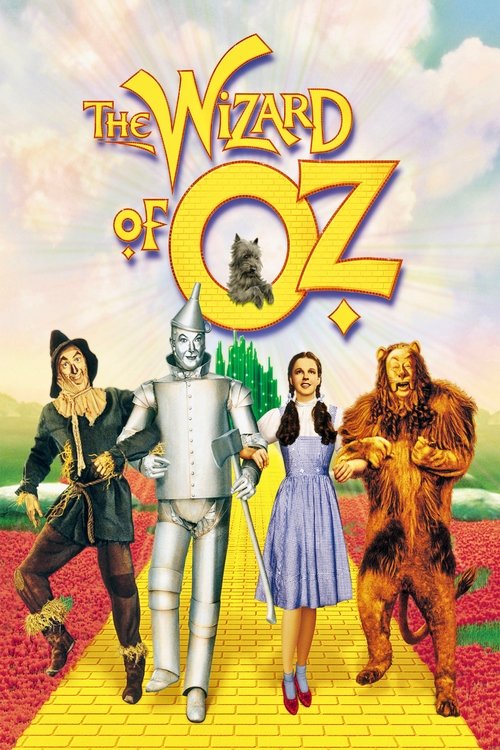
The Wizard of Oz1939
The template for every fantasy quest that follows: ordinary person, magical companion, colorful landscapes, evil obstacle. Here Comes the Grump remixes this DNA into something far stranger.
But A masterpiece that casts a long shadow. Watching it after the show might make the show feel thinner, or you might appreciate what Grump's surrealism was reaching toward.
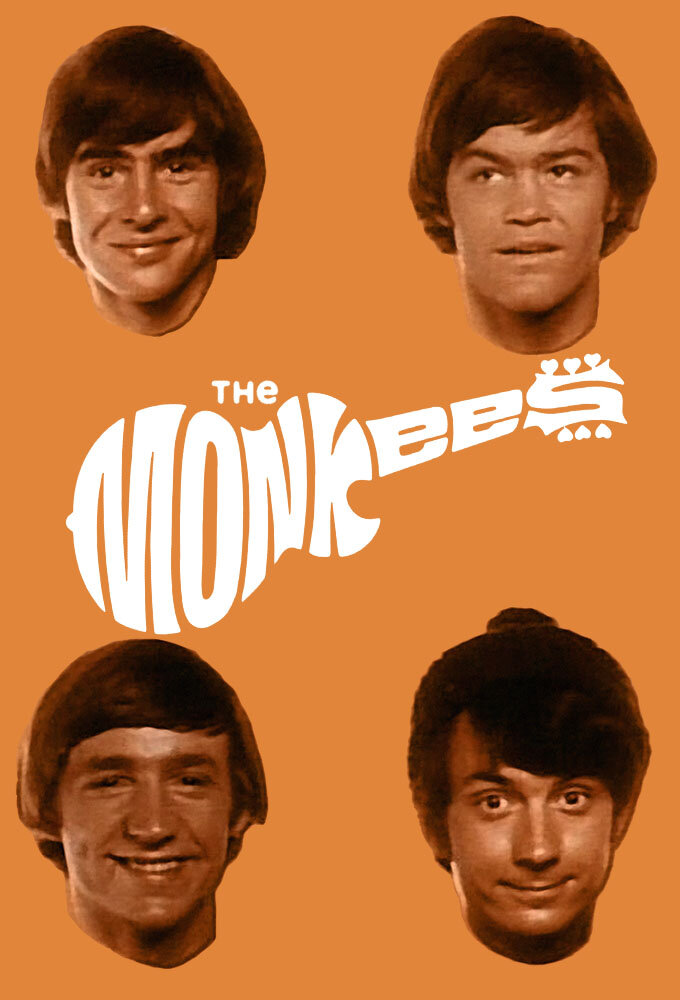
The Monkees1966
Shares the anarchic spirit and willingness to be visually bizarre. Same period, same willingness to surprise viewers with absurdist humor and color-saturated worlds.
But It's a music-comedy show about a band, not a quest narrative. If you're looking for plot momentum, you won't find it here.
Not sure tonight? Get a pick in a minute, starting from Here Comes the Grump
The wildcard
Something you would not have found on your own.
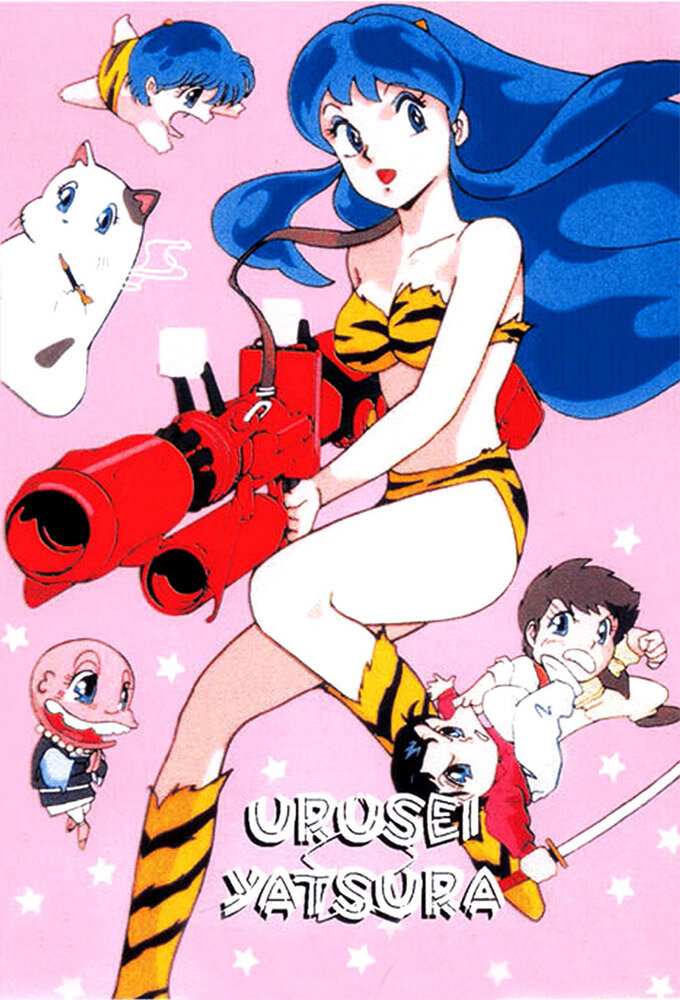
Urusei Yatsura1981
Both center boy-meets-princess quest narratives where the journey's surreal variety and antagonist's persistent incompetence matter more than plot coherence. Both are visually maximalist and genuinely strange.
Japanese romantic comedy-adventure where an earthling boy repeatedly quests across strange dimensions with an alien princess. Shares Grump's love of visual chaos, absurd antagonists, and the romantic subtext between unlikely companions. Wildly inventive and formally playful.
But Anime from 1981 Japan: very different animation style, relies on some cultural references that don't translate, and 195 episodes might feel like commitment. Also frequently sexualized in ways Grump isn't.
More like this (5)
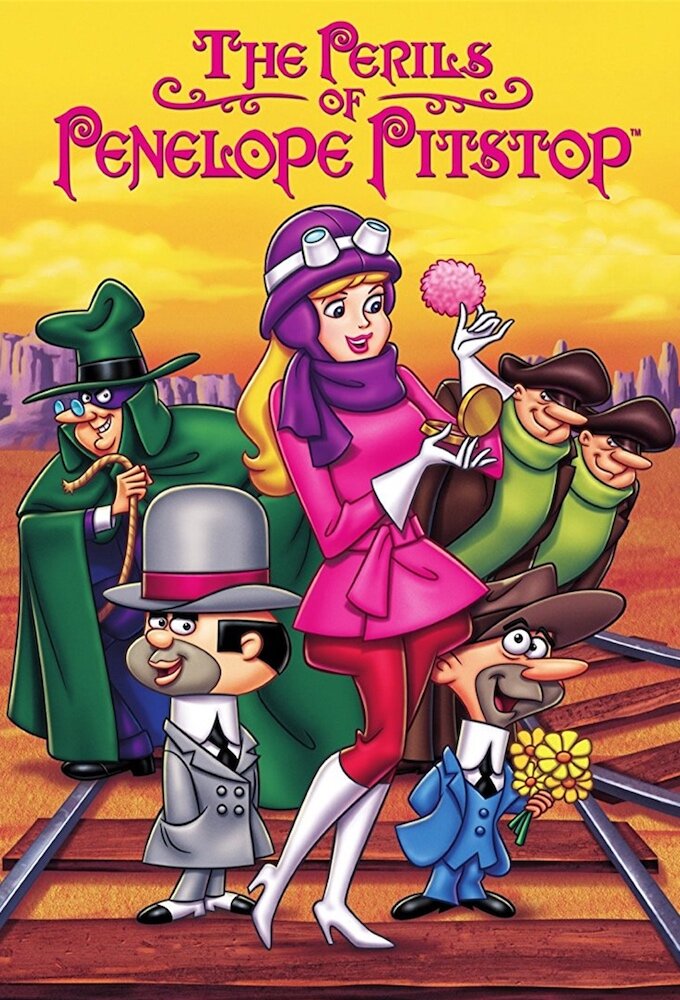
The Perils of Penelope Pitstop1969
Released the same year, with a female protagonist in peril, comedic relief characters, and colorful episodic adventures. Shows what else networks were greenighting in 1969.
But The humor is broader and meaner-spirited, leaning on slapstick at the expense of genuine strangeness. Much less psychedelic in its sensibilities.
Aquaman1967
Filmation animated series with similar production values and adventure logic. Another hero-with-sidekick structure encountering bizarre antagonists and creatures across episodes.
But Superhero property with tighter narrative constraints. Lacks the surreal freedom and kaleidoscopic world-building that makes Grump feel unmoored from reality.
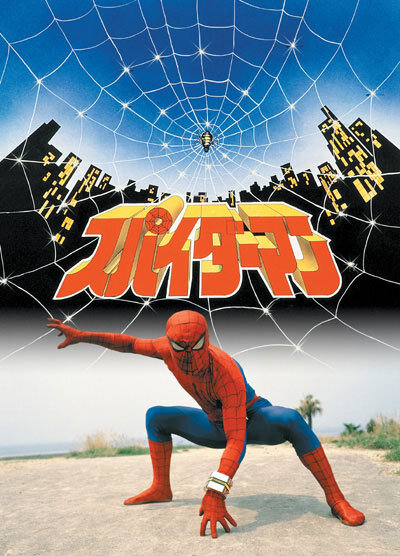
Spider-Man1978
1967 Grantray-Lawrence animated series, contemporary with that era's adventurous approach to design. Shows how animation experimented with style during this period.
But Conventional superhero plotting and dialogue. A useful comparison point for understanding Grump's refusal to be conventional, but less rewarding on its own.
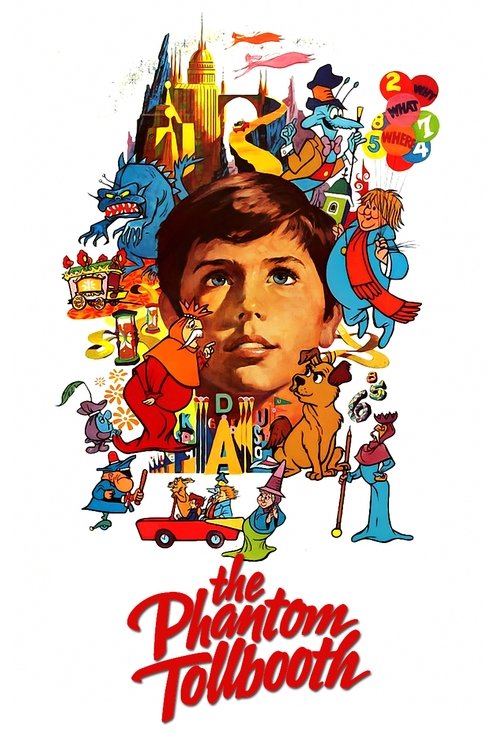
The Phantom Tollbooth1970
Both use fantasy quests as an excuse to build worlds where rules are arbitrary, language is playful, and the journey is weirder than any destination. Both prioritize visual invention over plot.
A boy travels through punning wordplay landscapes to rescue princesses in a kingdom ruled by logic. Absolutely surreal in its commitment to visual metaphor and absurdist humor. Deliberately disorienting in the best way.
But A 1970 animated film; production values are glitchy and the pacing is dreamy rather than propulsive. It's genuinely experimental in a way that can feel static to modern viewers expecting narrative momentum.
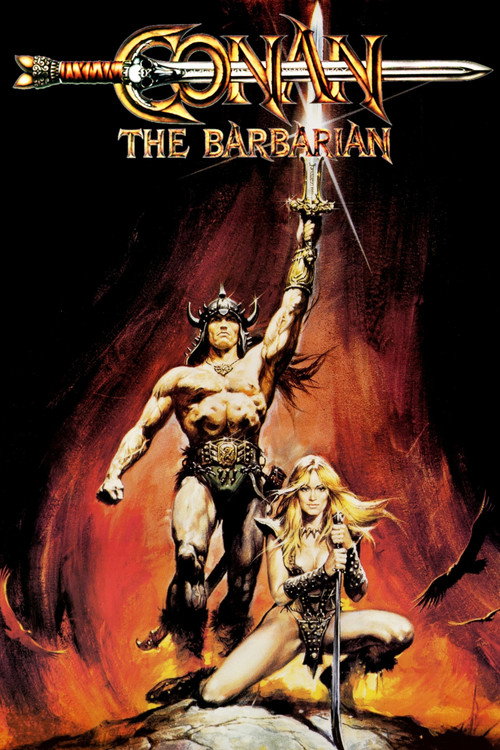
Conan the Barbarian1982
Both are quests across impossible worlds with a malevolent antagonist, but where Grump explodes into surrealism as a defense against pain, Conan faces pain directly. Understanding one's refusal of the other clarifies what both were trying to do.
John Milius directs an actual-stakes dark-fantasy epic. No comedy, no whimsy—everything Grump's surrealism wasn't. The definitive 1980s answer to what fantasy adventure becomes when you commit to dread and consequence.
But Violent, slow-building, utterly serious. Thematically and tonally the opposite of Grump's anarchic joy. Some find it tedious; some find it transcendent. Watching back-to-back would be tonal whiplash.