
Film
Dreams
- Fantasy
- Strange
- Slow-burning
- Dip in and out
Kurosawa's final masterpiece: eight interconnected dream-vignettes that feel like memories half-remembered. Painterly, strange, tender, and haunting—part autobiography, part fever dream, part visual essay on mortality and beauty. For anyone who's ever wondered what the inside of a great artist's mind looks like at the end.
If you liked this
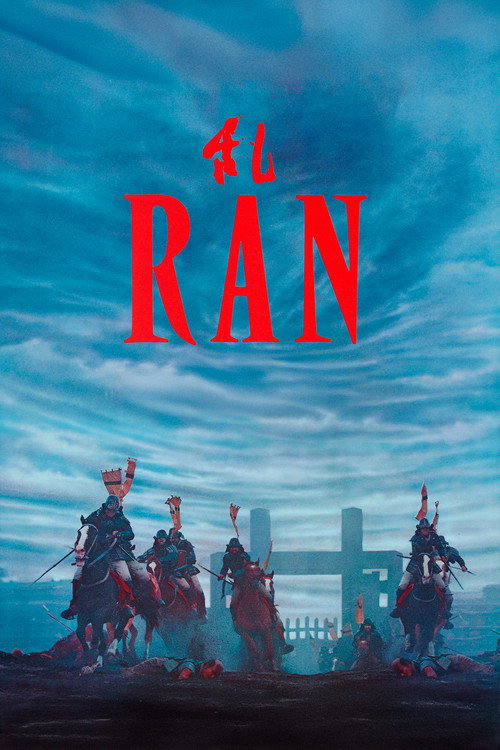
Ran1985
Kurosawa's other late triumph: a Shakespearean epic of ambition and decay, with landscapes as emotionally complex as any character. If you loved Dreams' visual poetry, this shows its opposite face—the same genius turned outward.
But Nearly three hours, in Japanese, with a plot that demands attention. The pacing is deliberate; impatience will punish you.
Ikiru1952
A quiet, devastating film about a bureaucrat confronting mortality. Like Dreams, it finds grace in small moments and asks what a life amounts to. Both films feel like they're written from the bone.
But Slow and melancholy throughout. There's no catharsis, only acceptance—which some find crushing rather than moving.

Stalker1979
Tarkovsky's meditative masterpiece about desire and meaning. Like Dreams, it prioritizes vision and mood over plot; both films trust the audience to find their own way through the image.
But Even dreamier and slower than Dreams. If you're looking for narrative momentum, you'll find neither here.

Not sure tonight? Get a pick in a minute, starting from Dreams
The wildcard
Something you would not have found on your own.
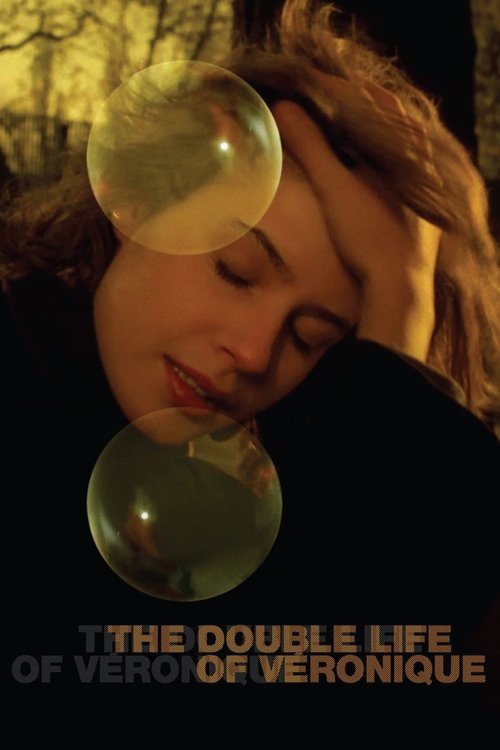
The Double Life of Véronique1991
Both are meditative films about existence told through image and mood rather than story. Both trust silence, repetition, and the emotional weight of a single shot more than dialogue or action.
Kieslowski's film about identity, chance, and the impossible connections between parallel lives. Like Dreams, it's built from visual and musical patterns rather than plot—hypnotic, mysterious, about the mysteries we can't solve.
But Deliberately enigmatic and highly stylized. If you need narrative clarity, you'll find none here, and the film doesn't care.
More like this (8)
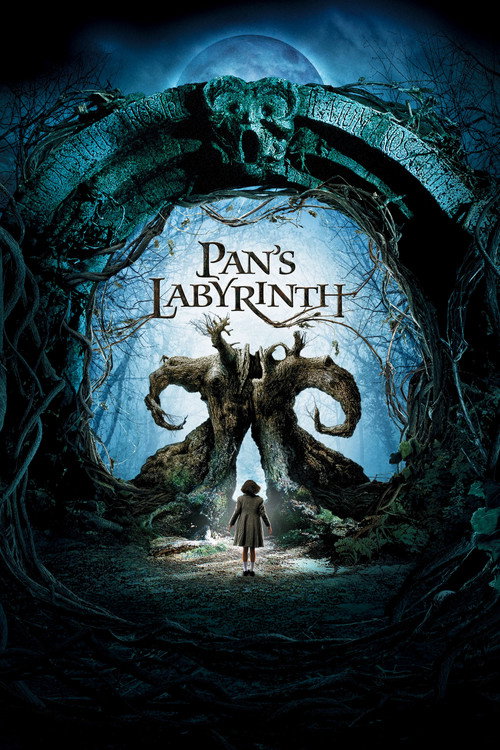
Pan's Labyrinth2006
A fantasy built on childhood memory and loss, where magic and history collide. It has Dreams' fairytale logic applied to real horror—beautiful and deeply sad in the same breath.
But Darker and more narratively concrete. If you want pure abstraction, this tethers dream-logic to plot in ways Dreams doesn't.
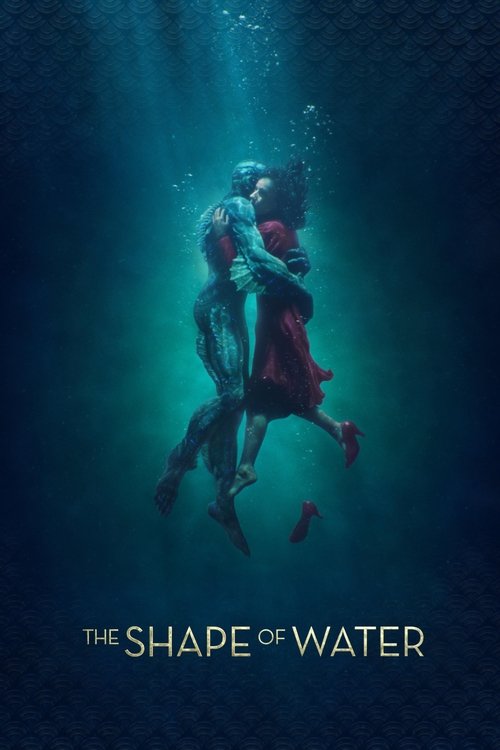
The Shape of Water2017
Del Toro's love letter to old cinema, structured like a dream and suffused with wonder. Same painterly visual obsession as Kurosawa; both films are made by artists who see in metaphors.
But Genre pastiche over emotional depth. It's clever and lovely but never reaches the profound quiet of Dreams.
Harakiri1962
Masaki Kobayashi's masterwork about honor and mortality in feudal Japan. Visually stunning and philosophically rigorous—shares Dreams' interest in how we face the end.
But Bleak and demanding. No beauty here softens the bleakness; it is the bleakness.

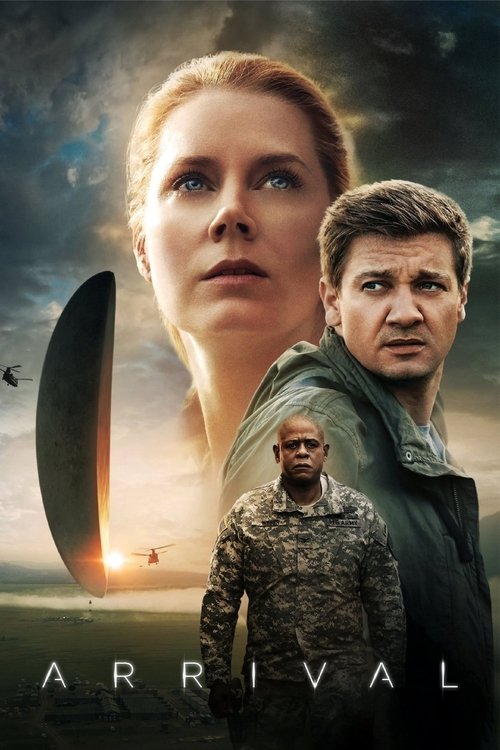
Arrival2016
A science-fiction meditation on time, language, and what it means to accept mortality. Dreams-adjacent in how it uses visual language to explore something untranslatable.
But More accessible and plot-driven than Dreams. The emotional payload lands through narrative; you won't be thinking in impressions.
Mulholland Drive2001
Lynch's dreamscape about Hollywood and identity. Both films use dream-logic as a way to talk about real loss; both are fragments that cohere in your mind after they're over.
But Willfully obscure and sometimes frustrating. Some see it as cryptic to the point of emptiness.

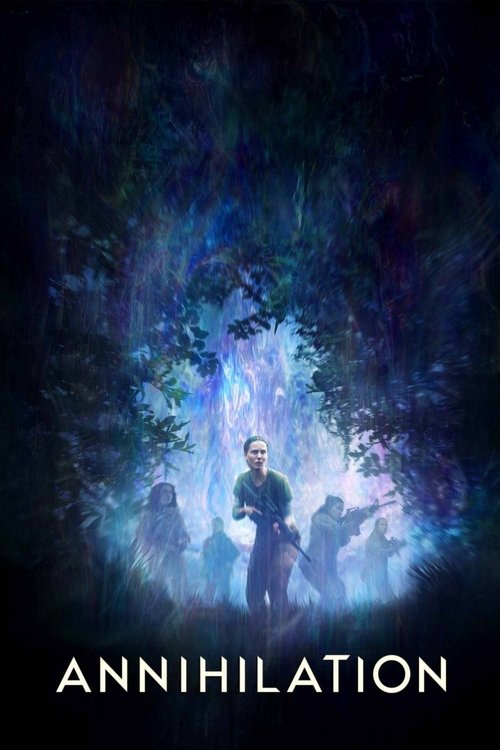
Annihilation2018
A science-fiction nightmare with dreamlike cinematography and a deep interest in transformation and unknowability. Strange, gorgeous, and philosophically unsettling in ways that linger.
But Opaque plotting and an ambiguous ending. Some find it frustratingly vague where Dreams is poetic.
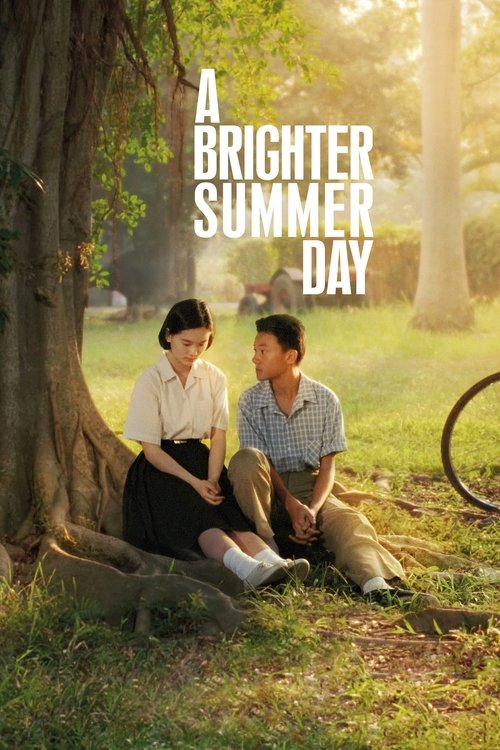
A Brighter Summer Day1991
Both are late-period masterpieces by filmmakers at the height of their powers, wrestling with memory and nostalgia. Both move from personal remembrance toward universal meditation on time's passage.
Edward Yang's four-hour epic about adolescence, family, and innocence lost in 1960s Taiwan. It has Dreams' interest in memory and childhood but grounds it in real history. Staggeringly beautiful and melancholic.
But Four hours. In Mandarin. Subtitled. Demands full attention and rewards it, but the commitment is real.
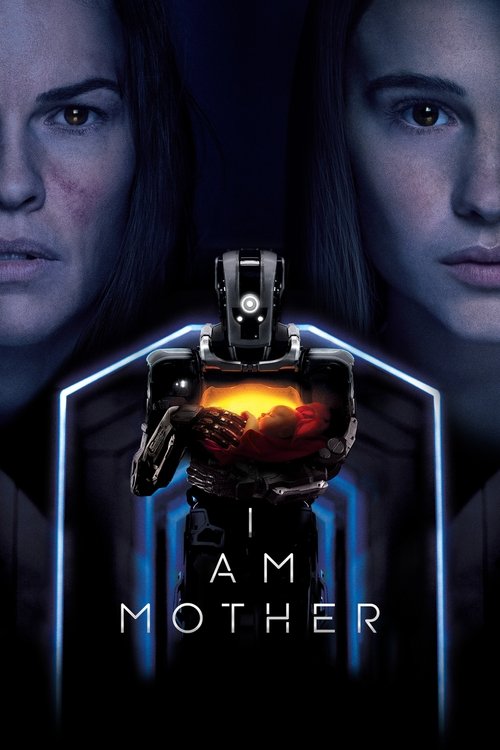
I Am Mother2019
Both examine the boundary between human and inhuman consciousness through visual and narrative abstraction. Both ask: what remains when you strip away everything but the essential question of what we are?
A science-fiction chamber piece about consciousness and trust, told almost entirely between two characters. Like Dreams, it's fundamentally concerned with what it means to be human—but instead of mysticism, it approaches it through cold logic and paranoia.
But Very different in tone—austere and cerebral where Dreams is poetic. Some find the minimalism cold; it doesn't invite you to feel so much as to think.
People
Cast
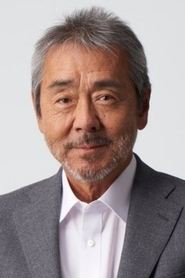
 Mitsuko BaishoMother of 'I'
 Toshie NegishiMother carrying child
 Mieko HaradaThe Snow Fairy
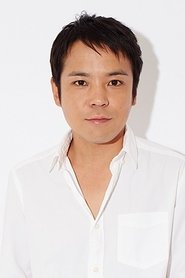 Mitsunori IsakiYoung I
- Toshihiko NakanoChild I
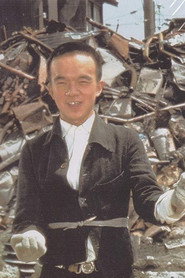 Yoshitaka ZushiPvt. Noguchi
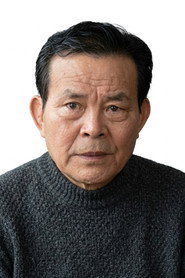 Hisashi IgawaNuclear Plant Worker
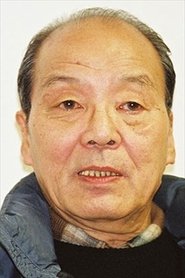 Chosuke IkariyaCrying Demon
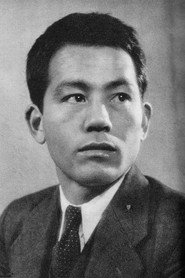 Chishū RyūOld Man
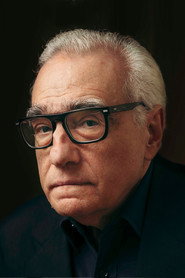 Martin ScorseseVincent Van Gogh
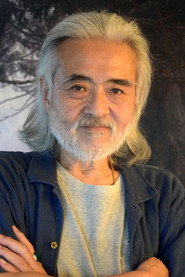 Masayuki YuiMember of Climbing Team
Directing
- Kiyoharu HayanoAssistant Director
- Naohito SakaiAssistant Director
- Okihiro YonedaAssistant Director
- Toru TanakaAssistant Director
- Tsuyoshi SuginoAssistant Director
- Vittorio Dalle OreAssistant Director
- Akira KurosawaDirector
- Takashi KoizumiFirst Assistant Director
Writing
- Akira KurosawaWriter
Production
- Allen H. LiebertAssociate Producer
- Seikichi IizumiAssociate Producer
- Yasunori SuzukiCasting Assistant
- Steven SpielbergExecutive Producer
- Magosaka OsadaLocation Manager
- Shizuo OsadaLocation Manager
- Tadao KanzekiLocation Production Assistant
- Hisao KurosawaProducer
- Mike Y. InoueProducer
- Hiroko IdetsuProduction Accountant
- Shuji MatsumotoProduction Accountant
- Kazutoshi WadakuraProduction Assistant
- Satoshi ShimozawaProduction Assistant
- Shushin HosoyaProduction Assistant
- Izuhiko SuehiroProduction Coordinator
- Teruyo NogamiProduction Manager
- Yasuhiko HigashiPublicist
- Kunio NiwaUnit Manager
- Masahiko KumadaUnit Manager
Recommended by
Atanarjuat: The Fast Runner, The Go Master, Distant Thunder, Spider-Man