
Film
Distant Thunder
Satyajit Ray's austere examination of privilege and moral collapse during the 1943 Bengal famine. A Brahmin priest watches his comfortable world crumble as starvation engulfs his village, forced to choose between status and humanity. Slow-burning, deeply uncomfortable, unsparing about how easily good people rationalize abandoning the desperate.
Should you watch it?
Watch it if you value a quiet, observant film where a comfortable man's moral slide shows up in small domestic gestures while the wider catastrophe stays mostly offstage.
Skip it if you want the famine's horror rendered head-on, since its restraint and unhurried, talky scenes keep the worst at a distance.
What it asks of you: Settle in for a patient hundred minutes of pauses and small domestic exchanges, and bring steady attention to a story that grows heavier without raising its voice.
Not sure? Find tonight's pick in a minute.
If you liked this
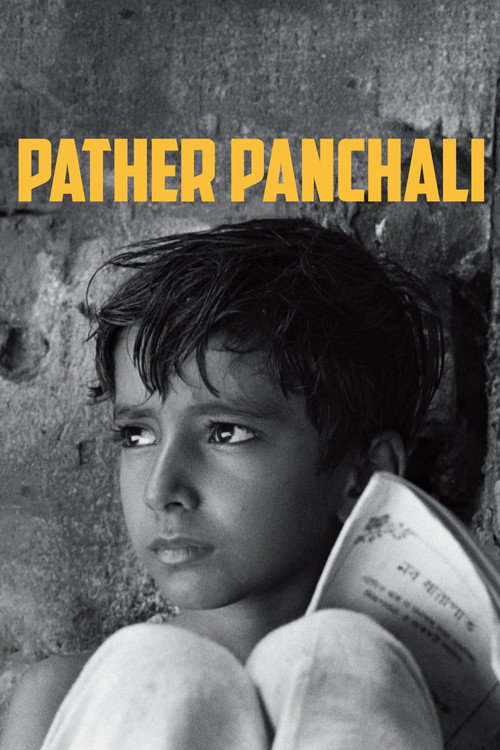
Pather Panchali1955
Ray's masterpiece of everyday poverty and childhood in Bengal. If Distant Thunder moved you, this is essential—it shows the same world through wonder rather than despair, revealing Ray's full range.
But It's deliberately paced and demands patience. Nothing dramatic happens; life simply unfolds. Some find its slowness mournful rather than meditative.
The Battle of Algiers1966
Another political film about systemic suffering and impossible choices. Pontecorvo documents colonialism's violence with the same unflinching eye Ray turns on famine—both refuse easy comfort.
But It's a docudrama about urban warfare and torture. Viscerally tense and politically dense in ways that can feel relentless.

Brief Encounter1945
Coward and Lean's exploration of desire and duty among the constrained middle classes. Like Ray's film, it's about what people owe each other versus what they want for themselves.
But It's fundamentally a romantic melodrama. If you're after social critique rather than emotional anguish, the focus on love over politics might feel narrow.

Not sure tonight? Get a pick in a minute, starting from Distant Thunder
The wildcard
Something you would not have found on your own.
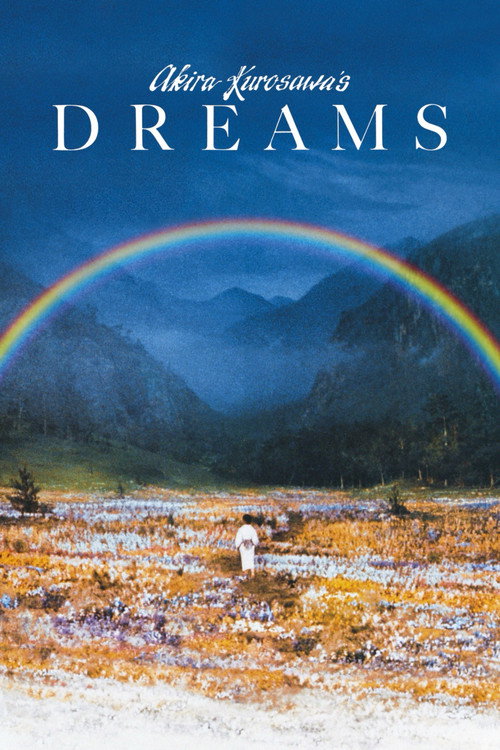
Dreams1990
Both artists grapple with the theme of ordinary people facing impossible choices when society collapses. Kurosawa visualizes it as allegory; Ray documents it as lived reality.
A visual essay told through eight dreams, including one set amid a famine where peasants are forced to choose between family and survival. Kurosawa approaches Ray's subject through abstraction and surrealism rather than realism—same moral crisis, utterly different language.
But It's not narrative. Each segment is standalone. The tonal shifts are jarring. You need to surrender to its dream logic rather than follow a story.
More like this (8)
Come and See1985
Elem Klimov's shattering portrait of a boy amid war and atrocity. Like Ray, Klimov refuses sentimentality—the suffering is real, the moral reckoning total. Essential if you can bear it.
But It's genuinely traumatic. One of cinema's most devastating films. Not for evenings when you need comfort.

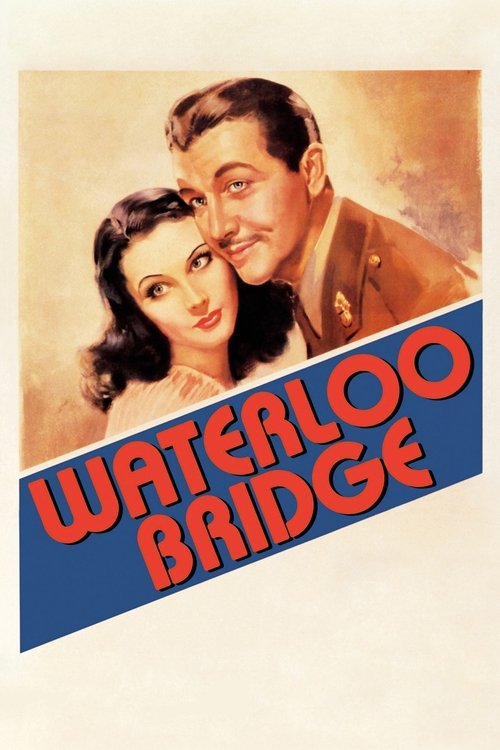
Waterloo Bridge1940
Mervyn LeRoy's film about desperation and dignity during wartime London. Class and circumstance trap characters just as surely as famine does in Ray's vision.
But It's a Hollywood melodrama from another era. The emotional register is quite different—more romantic, less austere.
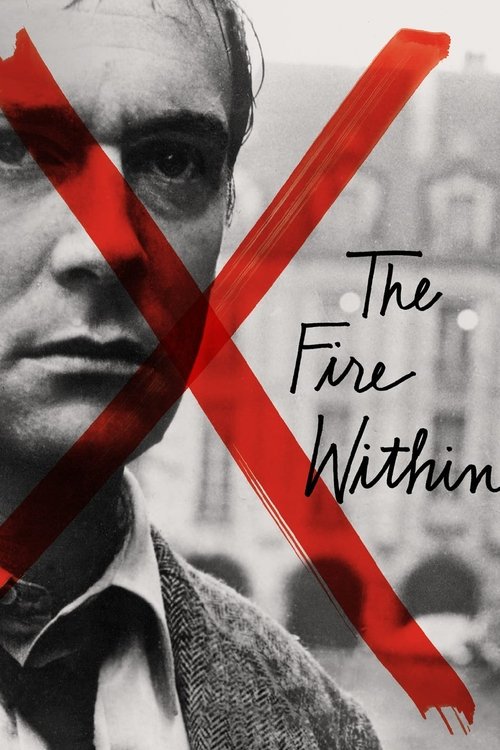
The Fire Within1963
Louis Malle's merciless portrait of a man collapsing inward while Paris indulges around him. Like Distant Thunder, it's about spiritual and social isolation amid apparent normalcy.
But It's suicide cinema—difficult, introspective, bleak. The pacing is deliberate to the point of suffocation for some viewers.
Tokyo Story1953
Ozu's quietly devastating film about aging parents visiting their children. The generational rift mirrors Ray's examination of how communities fracture under pressure.
But The 'plot' is minimal. It's entirely mood and observation. If you want narrative momentum, this will feel airless.

The Seventh Seal1957
Bergman's knight confronting death and meaninglessness during plague. Like Ray, Bergman explores how crisis reveals character and exposes the fragility of civilization.
But It's heavily symbolic and can feel stagey. The existential questioning might read as overwrought if you prefer subtlety.

Bicycle Thieves1948
De Sica's neorealist masterpiece about poverty's daily humiliations. The same unflinching look at how desperation corrupts ordinary people trying to survive.
But The ending is emotionally devastating. It offers no resolution or comfort, only the weight of injustice settling in.

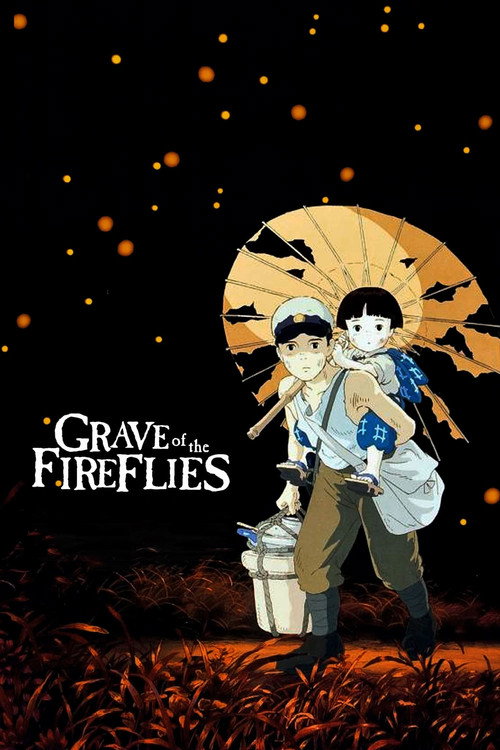
Grave of the Fireflies1988
Both films use restraint and silence to convey atrocity. Neither offers catharsis. Both present starvation and wartime devastation through the eyes of people with no power to change it.
Isao Takahata's animated film about two children surviving Japan's firebombing. Animation seems incongruous for such horror, yet it allows an emotional clarity that live action sometimes obscures. Like Ray, Takahata refuses to let viewers look away.
But It's animated, which some dismiss as inherently lighter than live action—a prejudice this film specifically punishes. The subject matter (dead children) may feel manipulative if you approach it defensively.
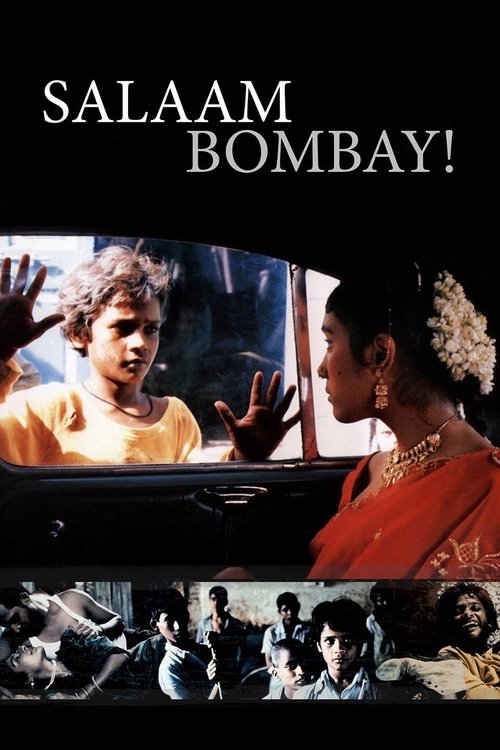
Salaam Bombay!1988
Both are Indian films examining how poverty and social indifference corrode dignity. Ray shows the crumbling of the privileged; Nair shows the adaptation of the powerless. Together they form a conversation across decades.
Mira Nair's documentary-style film following street children in Mumbai. Shot like journalism but acted by nonprofessionals, it has Ray's unflinching gaze on poverty and survival. The difference: Ray examines moral collapse; Nair documents resilience amid systems designed to crush it.
But It's set in contemporary India, which might feel distant from Ray's 1943 Bengal. The streetwise vernacular and chaotic energy contrast sharply with Distant Thunder's somber restraint.
People
Cast
 Soumitra ChatterjeeGangacharan Chakravarti
 BobitaAnanga, Gangacharan's wife
 Sandhya RoyChutki
- Chitra BanerjeeMoti
- Govinda ChakravartiDinabandhu
- Anil GangulyNibaran
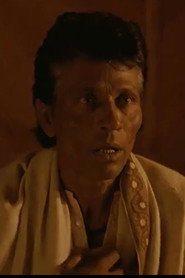 Noni Ganguly'Scarface' Jadu
Directing
- Satyajit RayDirector
Writing
- Bibhutibhushan BandyopadhyayNovel
- Satyajit RayScreenplay
Production
- Sharbani BhattacharyaProducer
Recommended by
In the Mirror of the City, 1942: A Love Story, The Seventh Sin, Utsav, Yoddha, Do Anjaane