
Television series
Mazinger Z
Mazinger Z is the 1972 anime that invented the giant robot genre. A teenager pilots an indestructible mechanical colossus to fight mad scientists and their mechanical beasts in weekly pulp-adventure battles. It's pure spectacle: explosive, inventive, gloriously earnest. The DNA runs through every mecha show since. If you love raw imagination and don't need perfect animation, this is essential.
Should you watch it?
Watch it if you grew up on giant robots and want the pure, unembarrassed joy of a hero-and-monster cycle, the early blueprint that many later mecha shows still borrow from.
Skip it if you need tight plotting and slow-burn character work, since episodes lean on repeated monster-of-the-week set pieces and the short format keeps the storytelling brisk and formulaic.
What it asks of you: Episodes run about twenty-five minutes and are easy to dip into, but its appetite for rematches and rousing escalation means the hours add up across its 92 installments.
Not sure? Find tonight's pick in a minute.
If you liked this
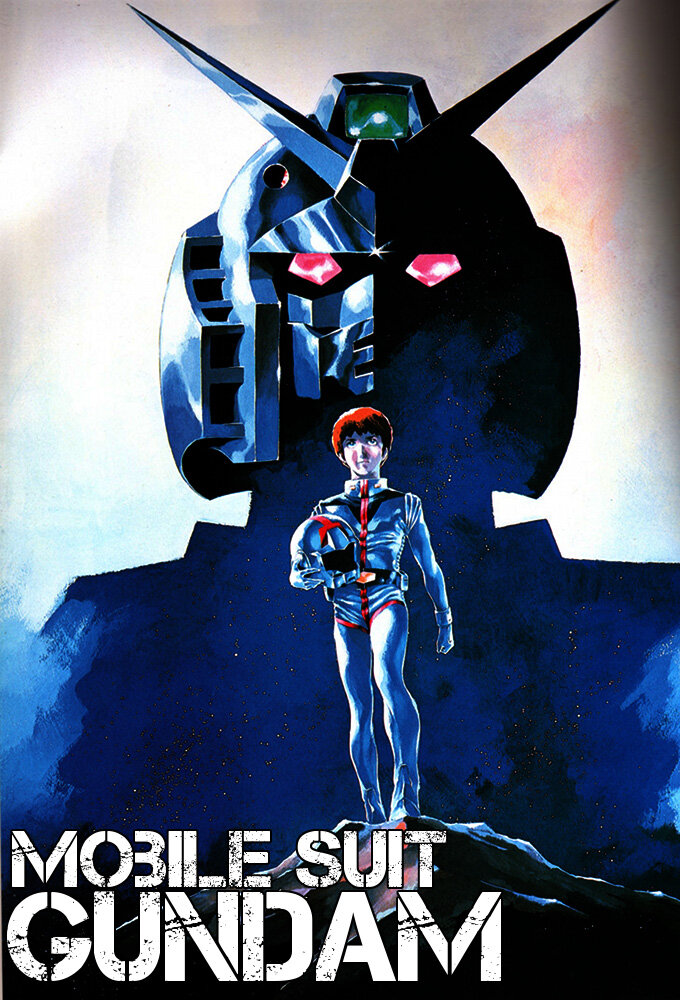
Mobile Suit Gundam1979
The spiritual successor that took the mecha formula serious—real war, real consequences, pilot trauma. Gundam built the template Mazinger Z sketched, proving giant robots could carry genuine drama and moral complexity alongside the action.
But Slower pacing and a murkier colour palette. The first series is 43 episodes and some arcs drag. Harder to jump into than the pure fun of Mazinger.
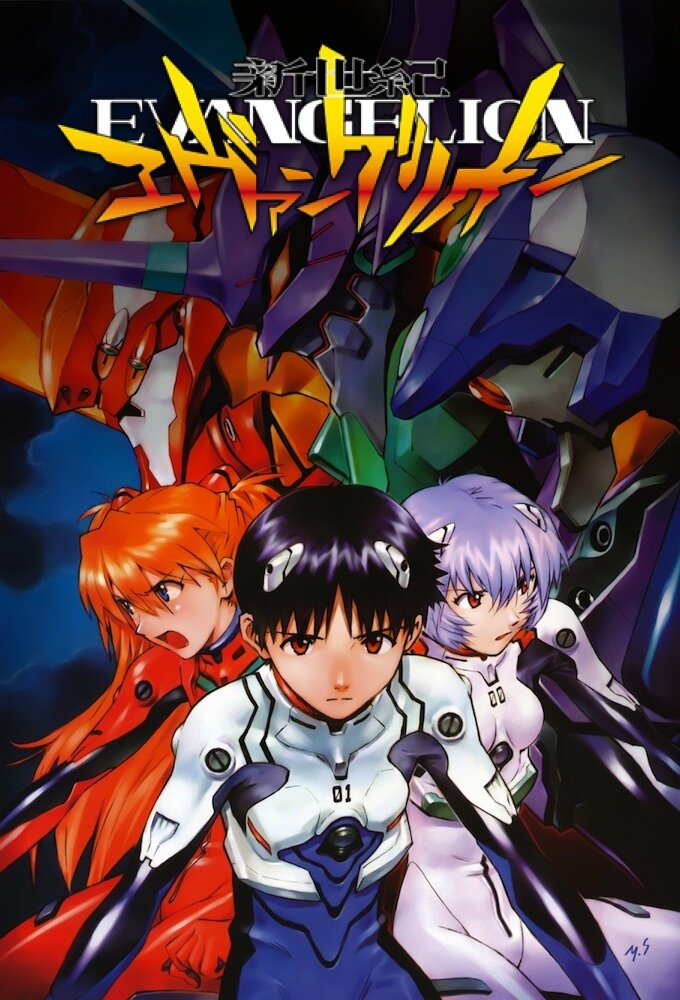
Neon Genesis Evangelion1995
Another pilot in a giant robot, but this time the machine is psychological horror and the teenager is falling apart. Evangelion takes everything Mazinger established and inverts it—the mecha is not a victory fantasy but a trap. Visually stunning and genuinely disturbing.
But Deliberately alienating and abstract, especially toward the end. The show wants to make you uncomfortable. If you want clear narrative and happy endings, this will frustrate you.
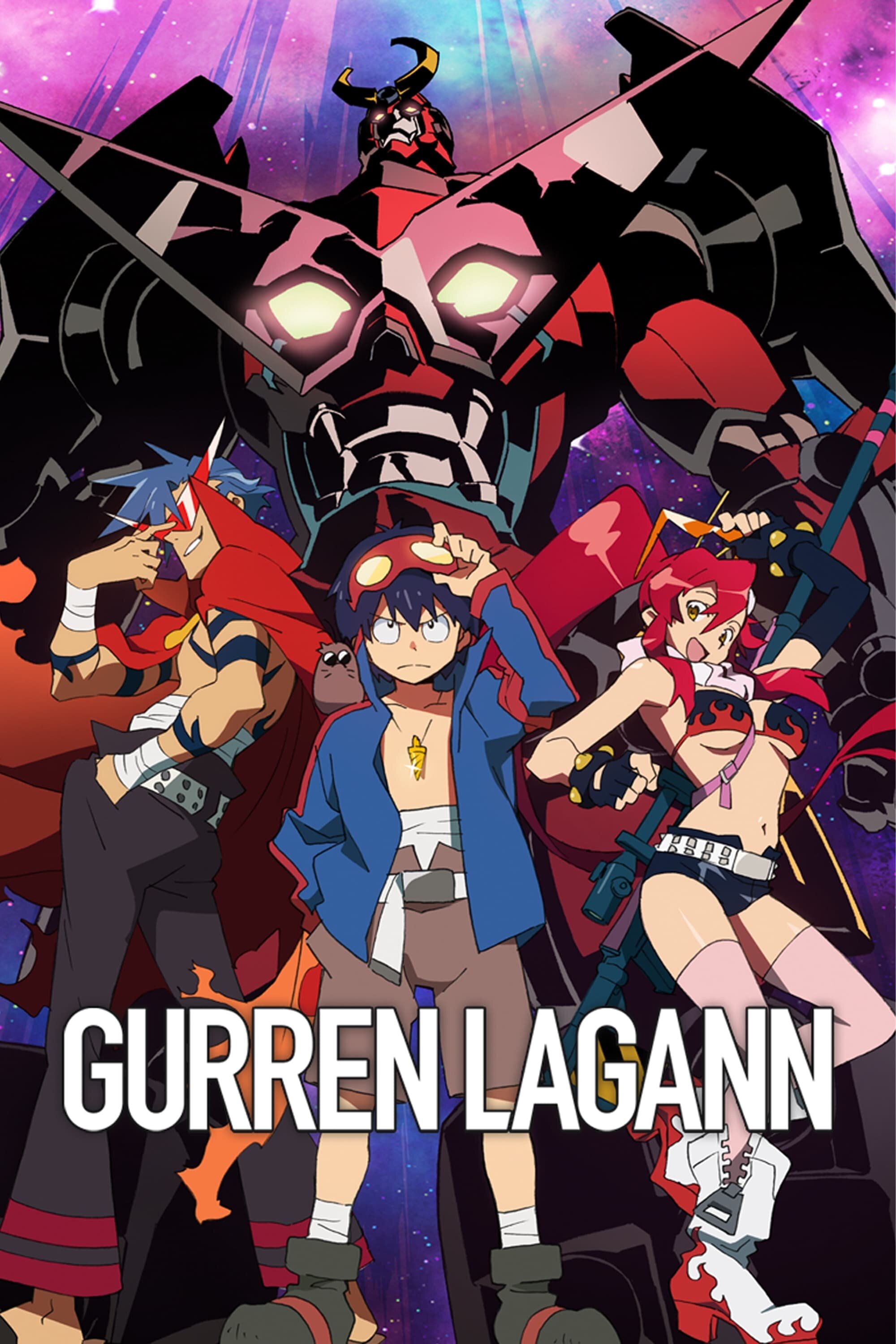
Tengen Toppa Gurren-Lagann2007
Pure exhilaration. Combines Mazinger's escalating spectacle with genuine character arcs and a story about believing in yourself. Every episode tops the last. It's joyful and ridiculous and you'll feel it in your chest.
But Tonal whiplash between comedy and tragedy. The animation quality dips sharply in places. And it's aggressively earnest—if cynicism is your default, the sincerity will feel cloying.
Not sure tonight? Get a pick in a minute, starting from Mazinger Z
The wildcard
Something you would not have found on your own.
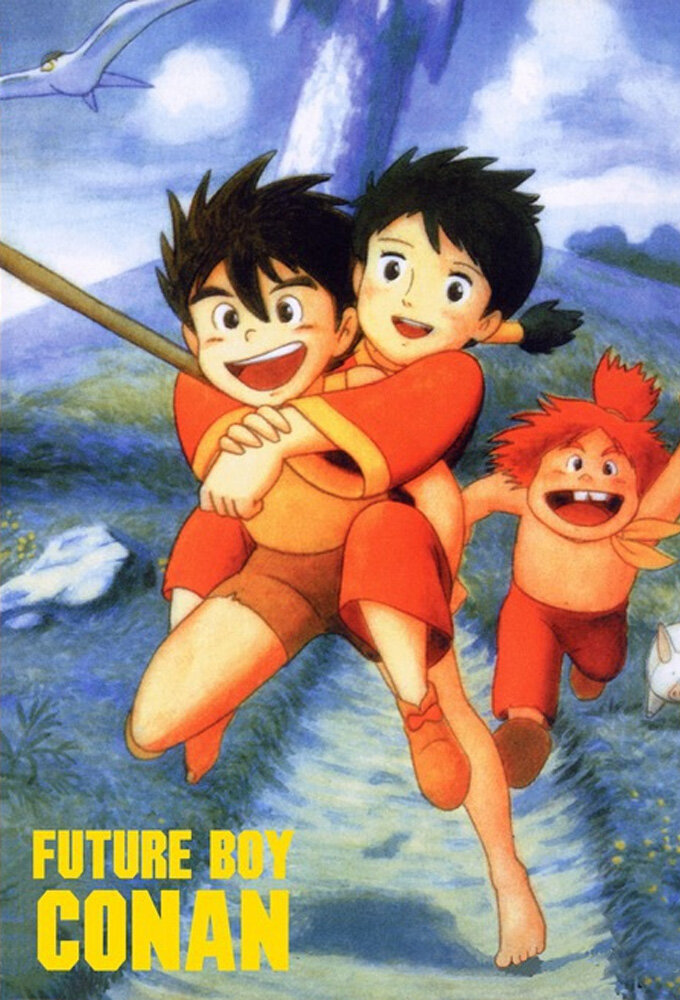
Mirai Shounen Konan1978
Both are products of 1970s Fuji TV anime optimism, but where Mazinger Z maximizes spectacle, Conan maximizes restraint. They're opposite answers to the same question: what can animation be?
Hayao Miyazaki's only TV series: post-apocalyptic adventure with a boy, a girl, and incredible mechanical inventions. Like Mazinger stripped of the mecha and dressed in adventure romance. Gorgeous, strange, and completely human despite the sci-fi wrapping. A master class in animation discipline.
But No giant robots and minimal action spectacle. Slow, contemplative pacing. The climax is philosophical rather than explosive. It's a Miyazaki film masquerading as a 1970s TV show, which means it won't satisfy if you came for the robot fights.
More like this (6)
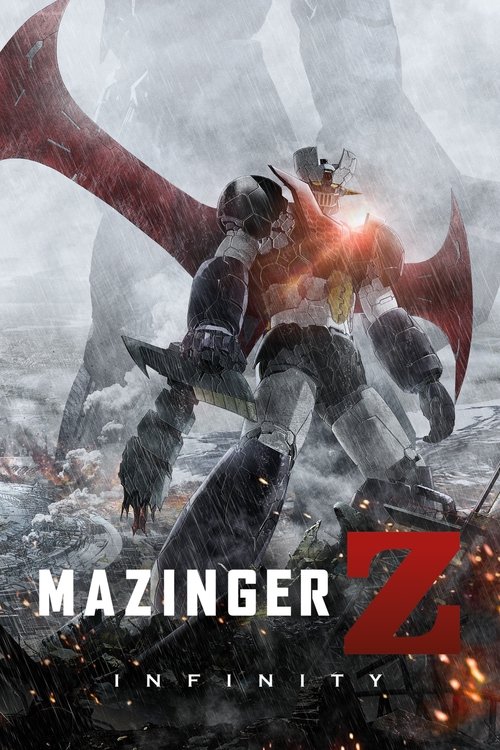
Mazinger Z: Infinity2017
A love letter to the original made for people who've watched the series. Brings Mazinger into the modern era with stunning animation while respecting the 1972 blueprint. A proper send-off that understands why the show mattered.
But Assumes you know and love the original. Standalone viewers will find it hollow nostalgia. And it's a feature film, so less screen time than you'd get from an episode arc.
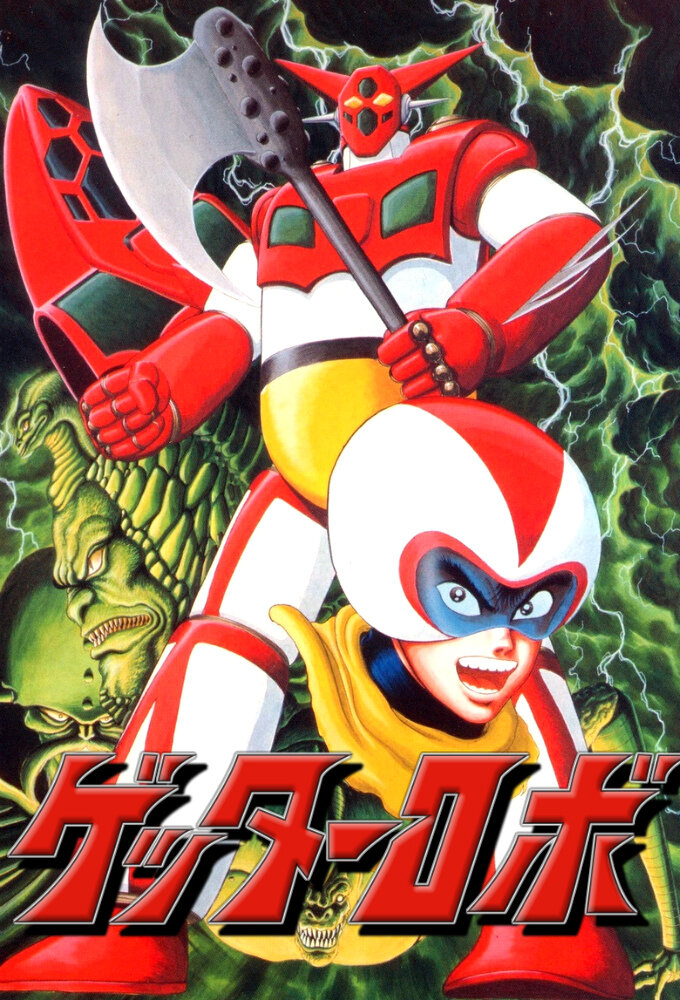
Getter Robo1974
Mazinger's contemporary rival and in some ways superior. Three pilots merge their machines into different forms depending on configuration. Rawer animation, more chaotic action, stranger design choices. A true peer from anime's golden age.
But Even more primitive in animation than Mazinger. The story barely holds together. Watching it requires real patience and a tolerance for 1974 TV production values.
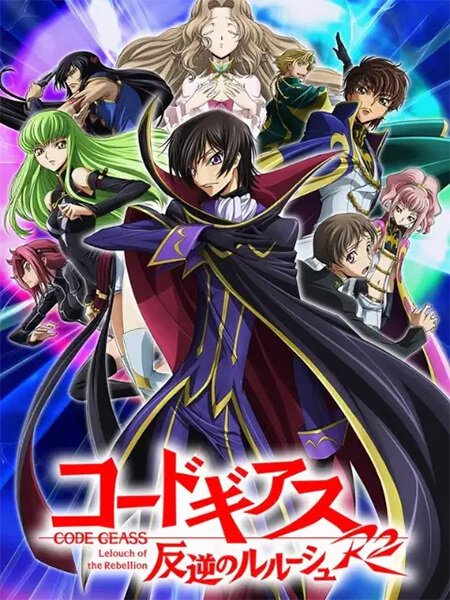
Code Geass: Hangyaku no Lelouch2006
Giant robots as political machinery. A brilliant but emotionally twisted protagonist uses his mecha and supernatural power to wage ideological warfare. The strategy and character work elevate mecha into serious drama without losing the spectacle.
But Increasingly convoluted plot. By season two it's throwing logic away for shock value. The protagonist's actions get harder to root for, and the show knows it but doesn't always handle the moral weight well.
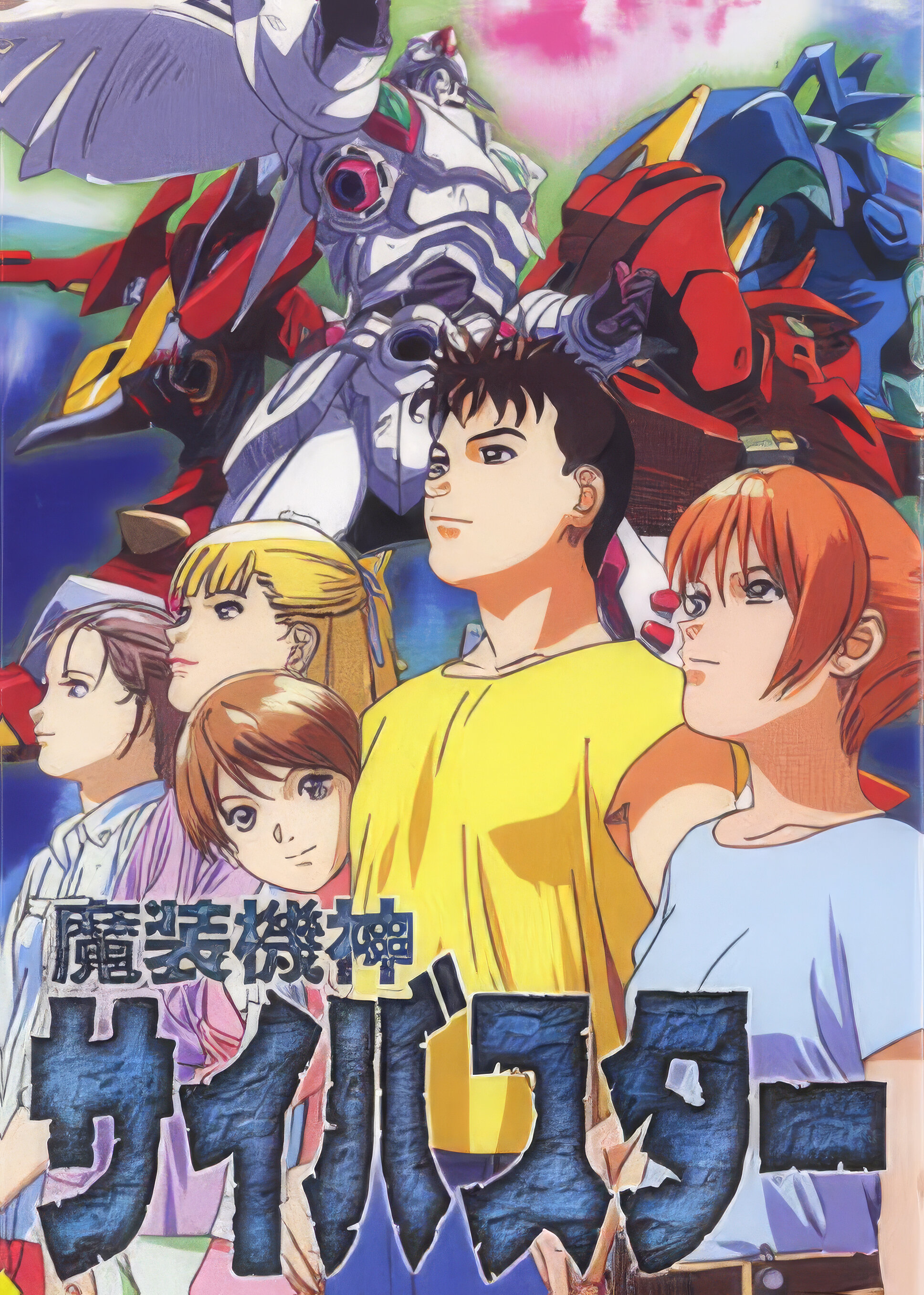
Masou Kishin Cybuster1999
Forgotten gem about a psychic-powered mecha with a melancholic hero. Stranger and more introspective than Mazinger, with genuinely unsettling supernatural elements. Small production but enormous atmosphere and real emotional stakes.
But Obscure and hard to find outside Japanese channels. The budget shows. Very slow and contemplative—the opposite of Mazinger's pulp energy. Niche appeal.
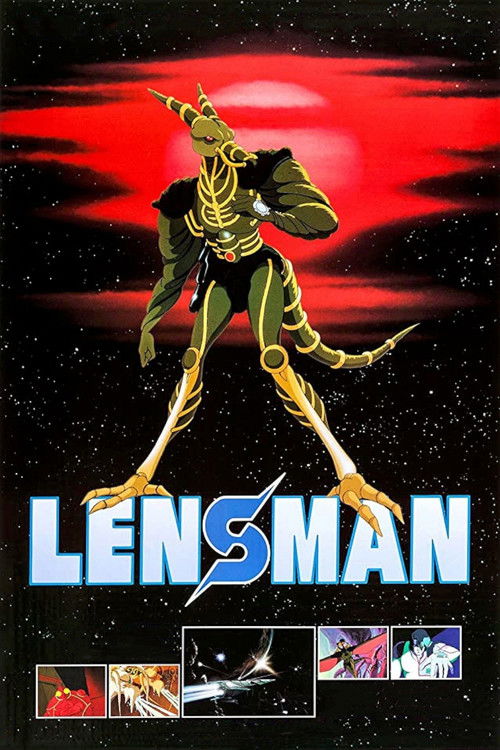
Lensman1984
Both are peak-era attempts to make machines feel mythic. Mazinger does it through combat spectacle; Lensman does it through cosmic scale and design. One is popular adventure, one is an arthouse film wearing a robot suit.
A 110-minute space opera with production design that would influence anime for decades. Mechanical combat on a cosmic scale, but with the formal beauty of a painting. Deeply strange and visually hypnotic—less about plot than about wonder.
But Deliberately paced like a visual essay rather than a narrative. Almost no character development. Confusing if you haven't read the source material. Demands you sit with images rather than plot momentum.
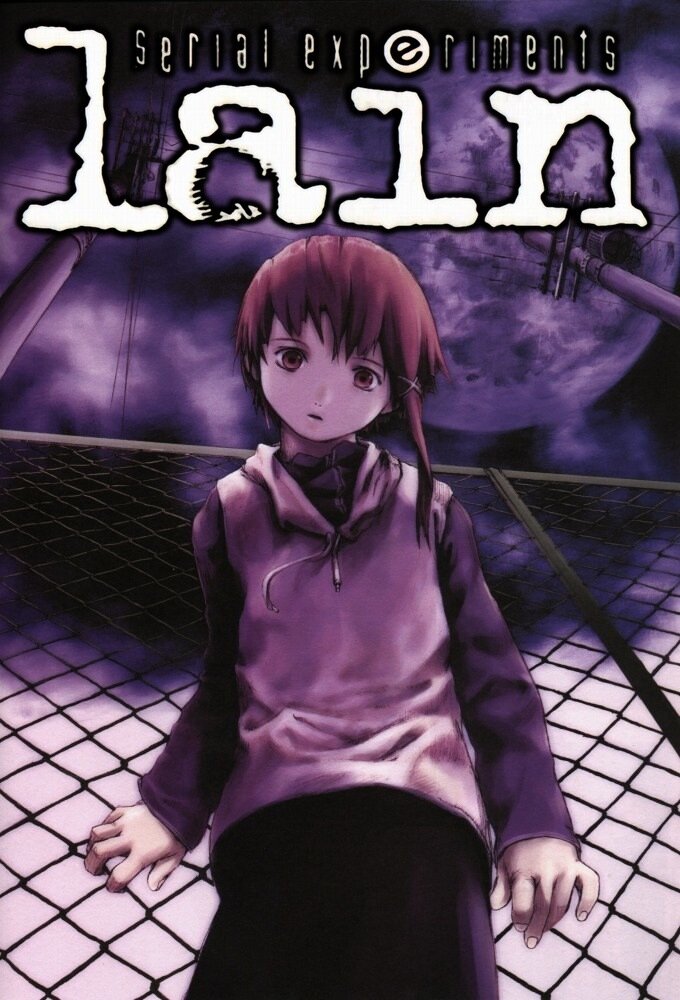
Serial Experiments Lain1998
Both use youth pilots interfacing with powerful technology as their central image, but Lain weaponizes that image into psychological warfare. Where Mazinger asks 'what if a kid could pilot a machine?', Lain asks 'what does that do to the kid's mind?' Same seed, inverted fruit.
A teenage girl becomes entangled in a cybernetic conspiracy that collapses the boundary between mind and machine. Thirteen episodes of mounting dread, visual innovation, and intellectual horror. Completely sui generis—nothing else looks or feels like it.
But Abstract and deliberately obscure. You will not understand it fully on first watching. The narrative refuses to clarify itself. If you need a story that closes neatly, this will infuriate you. Genuinely disturbing in ways that aren't fun.
Recommended by
Mobile Fighter G Gundam, Cutie Honey, Johnny Sokko and His Flying Robot, Gigantor, Cyborg 009, Getter Robo, The Ultraman, Spider-Man, Great Mazinger, UFO Robot Grendizer, Super Electromagnetic Robot Combattler V, Ultraman Jîdo, Choudenshi Bioman: The Movie, Kamen Rider Wizard in Magic Land