Television series
Gigantor
Gigantor is a 1963 Japanese anime series about a giant robot piloted by a young boy to defend Earth against criminals, terrorists, and alien threats. Episodic and energetic, it's foundational mecha storytelling—earnest, inventive, and thrilling in its own modest way. Essential viewing for anyone curious about anime's origins or the DNA of giant robot stories.
If you liked this
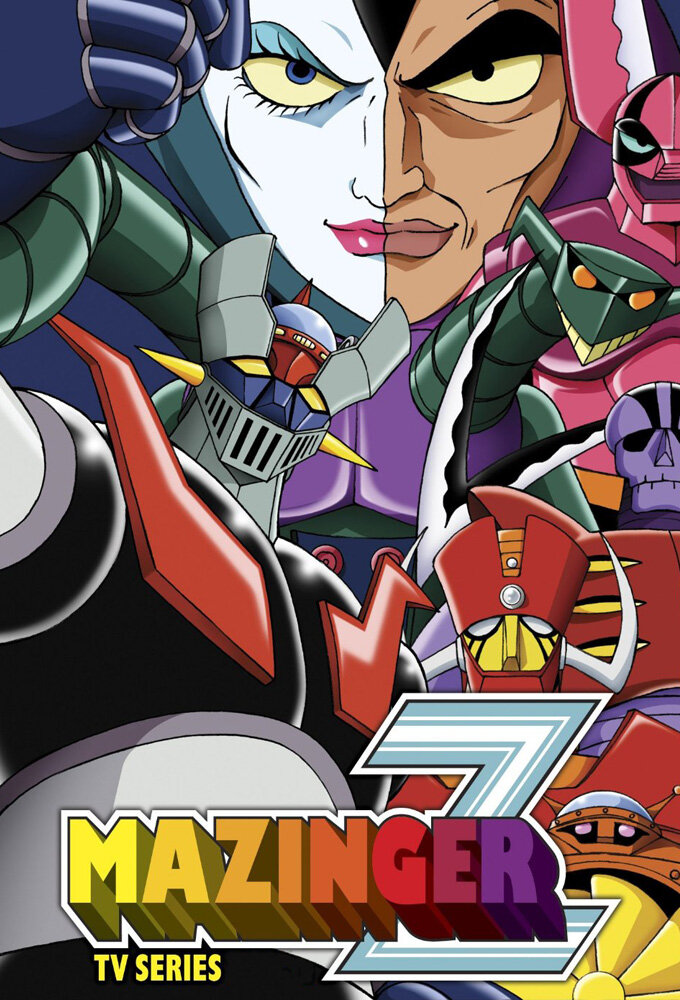
Mazinger Z1972
The spiritual successor to Gigantor's giant robot template. More elaborate mecha design, higher stakes storytelling, and the direct influence of everything you loved about the earlier series but refined.
But Seventies production values show their age. Pacing can drag across longer story arcs, and some episodes feel like filler.
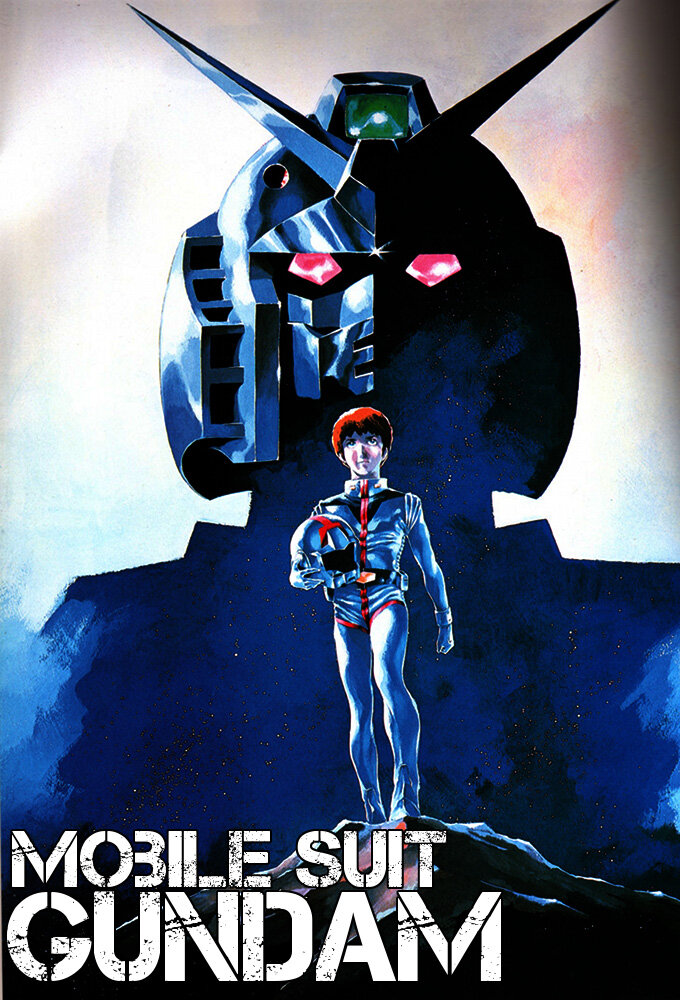
Mobile Suit Gundam1979
The show that turned giant robots into genuine narrative drama. Grounded sci-fi worldbuilding, moral complexity, and characters who matter. This is where the mecha genre grows up without losing its wonder.
But Early episodes are slow and can feel repetitive. Requires patience before the larger story architecture reveals itself.
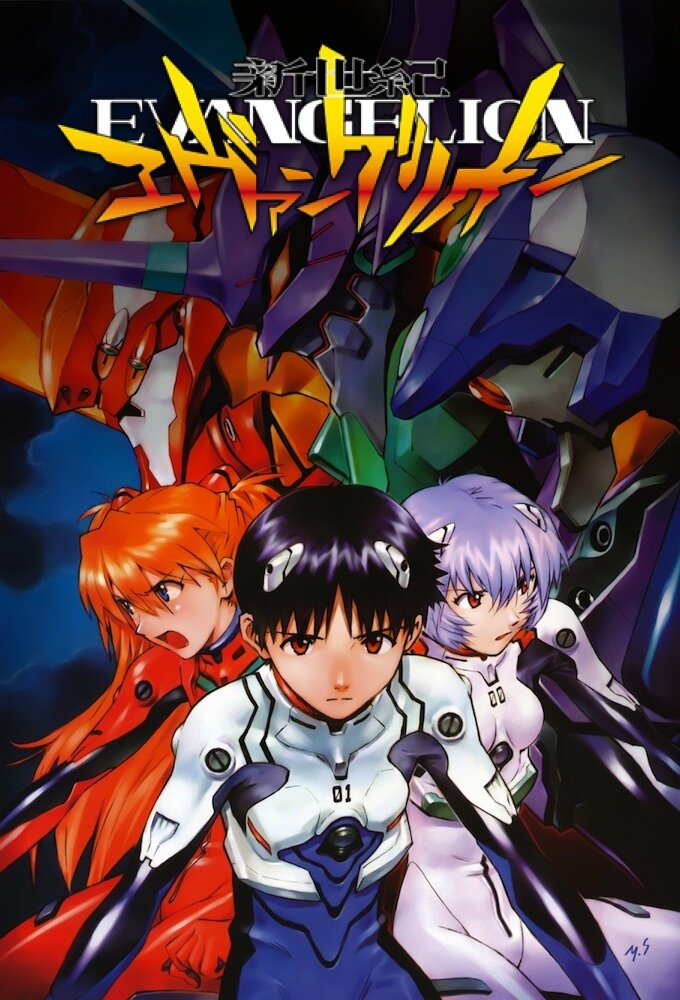
Neon Genesis Evangelion1995
Giant robots piloted by traumatized teenagers fighting existential threats. Visually daring, psychologically complex, and endlessly rewatchable. A deconstruction of everything Gigantor represents, done with genius.
But The ending is deliberately obtuse and unsatisfying if you want closure. Heavy on depression and psychological damage. Not a comfort watch.
Not sure tonight? Get a pick in a minute, starting from Gigantor
The wildcard
Something you would not have found on your own.
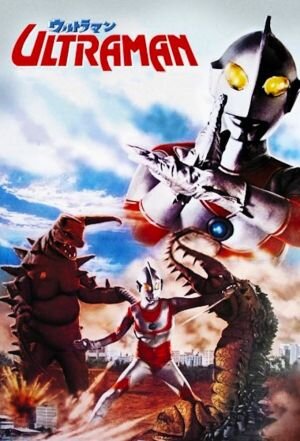
Ultraman1966
Both are 1960s Japanese action series that made giant beings in weekly combat feel urgent and real, establishing templates that anime and tokusatsu would follow for decades.
A different flavor of giant heroism: a cosmic alien in a human suit fighting kaiju weekly. Same episodic structure as Gigantor, same pure genre joy, but focused on suited combat and practical effects magic instead of robots. Proof that the era had multiple blueprints for this story.
But Suit acting and practical effects work can look awkward by modern standards. The show never takes itself seriously enough for some viewers.
More like this (7)
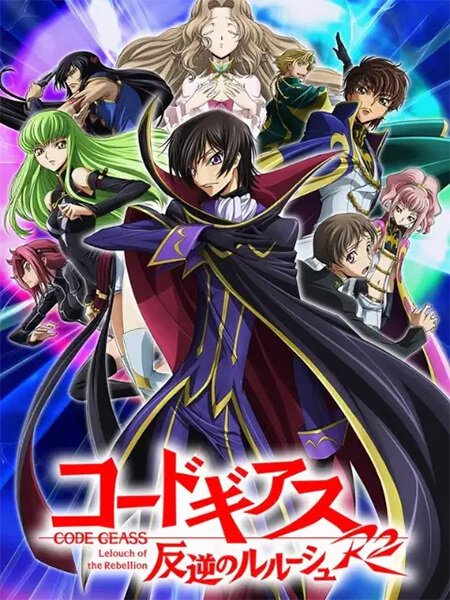
Code Geass: Hangyaku no Lelouch2006
High-stakes mecha warfare paired with a protagonist's escalating moral compromise. Gorgeously animated, compulsively watchable, and full of the kind of weekly invention Gigantor pioneered.
But Melodramatic at times. The plot occasionally prioritizes spectacle over logic, and the romance subplot can feel forced.
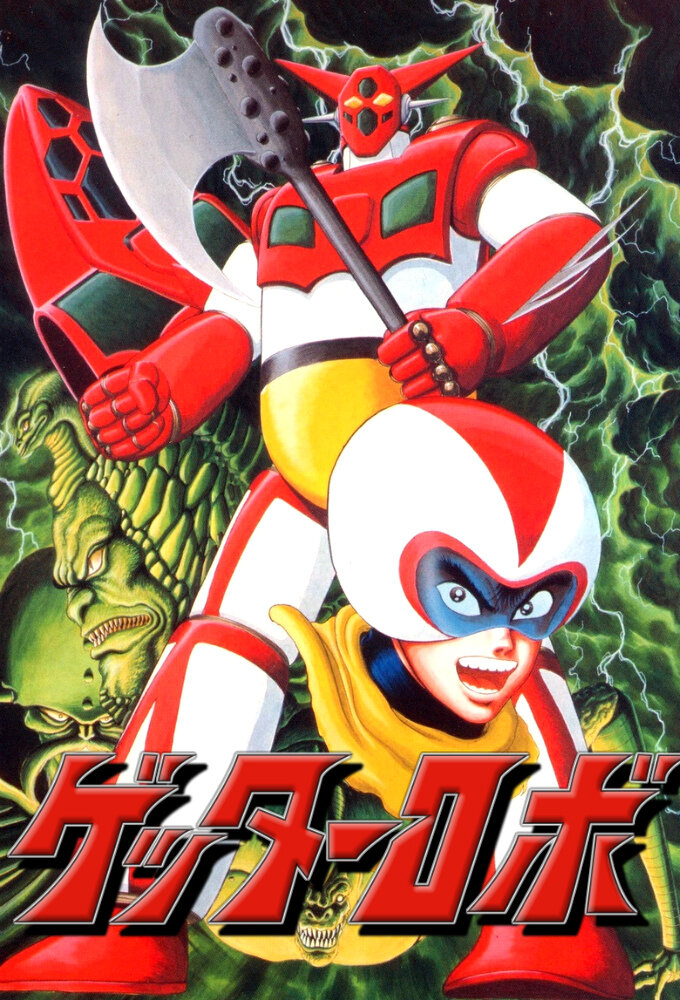
Getter Robo1974
Three pilots in combining robot segments fighting cosmic threats. Chaotic, inventive, and absolutely unhinged in the best way. Pure pulp energy from an era when anime had nothing to lose.
But Wildly inconsistent animation quality. Some episodes look unfinished. The plotting is deliberately loose—don't expect narrative coherence.
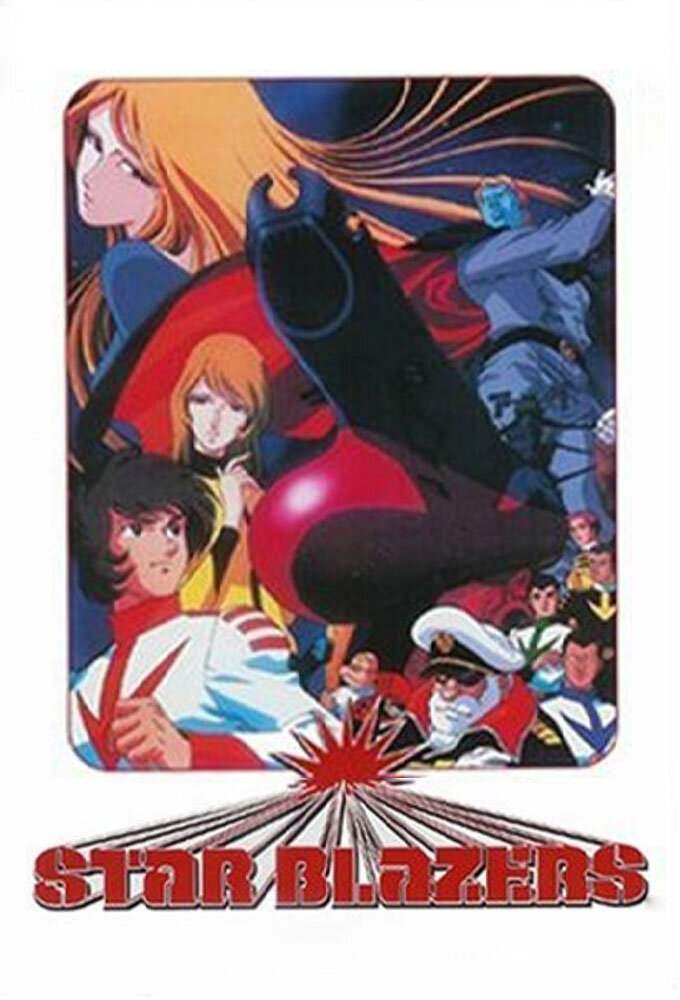
Star Blazers1974
Military sci-fi with genuine stakes and beautiful design. Same devotion to weekly adventure as Gigantor but with more sophisticated worldbuilding and a mission that actually matters.
But Pacing is deliberate to the point of slowness. Early episodes repeat exposition constantly. Requires commitment before payoff arrives.
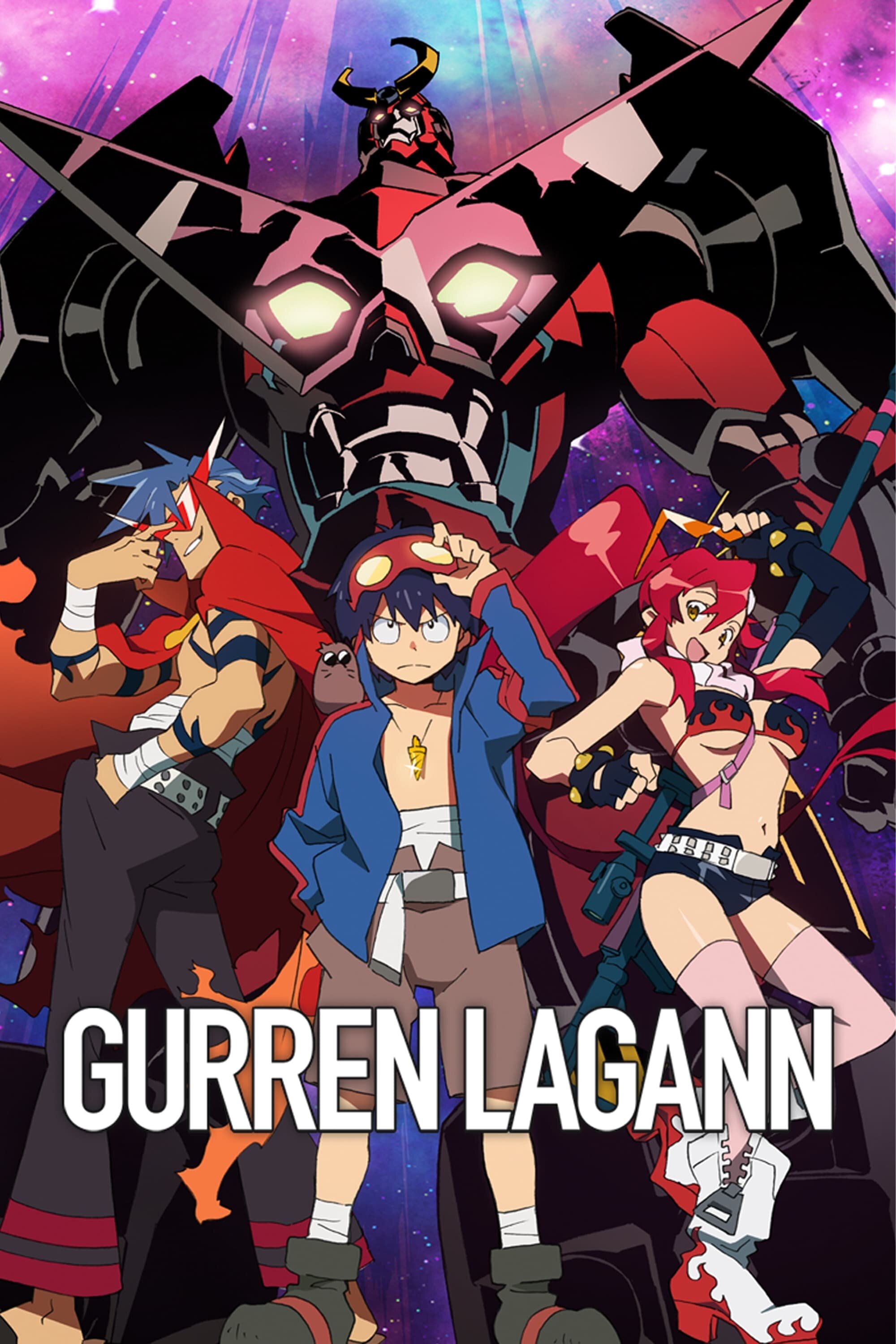
Tengen Toppa Gurren-Lagann2007
Escalating giant robots and sincere belief in the power of willpower and friendship. Visually inventive, genuinely thrilling, and funny without being dismissive of its own earnestness.
But The tone is aggressively upbeat—relentless optimism won't land for everyone. Some find the philosophy heavy-handed.
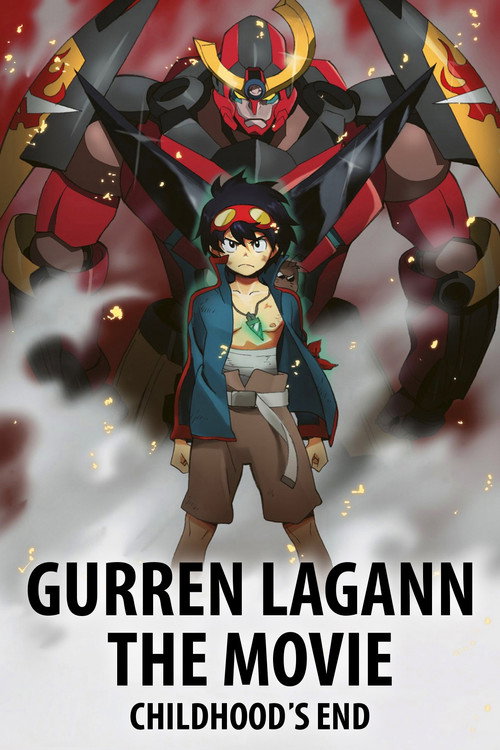
Gurren Lagann The Movie: Childhood's End2008
A perfect crystallization of giant robot storytelling at its most ambitious and sincere. Stunning animation, stakes that matter, and a meditation on legacy and becoming legend.
But Works best if you've seen the series first. Assumes emotional investment you won't have walking in cold.
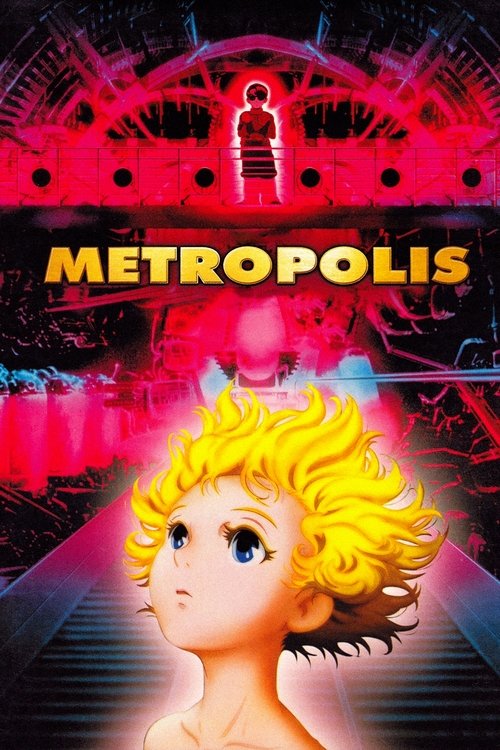
Metropolis2001
Both come from Tezuka's vision of robots as moral beings. Metropolis takes that theme seriously and tragic; Gigantor plays it as heroic pulp. One shows what the other's template could become in different hands.
Osamu Tezuka's only feature film, adapting his own 1949 manga. It's steampunk jazz-age sci-fi with a robot girl at its center. Gorgeously animated, thematically complex, and a completely different approach to 'robot fighting injustice' than Gigantor's episodic action.
But The pacing is deliberate and contemplative. Less about spectacle, more about mood and philosophy. If you want constant action, this isn't it.
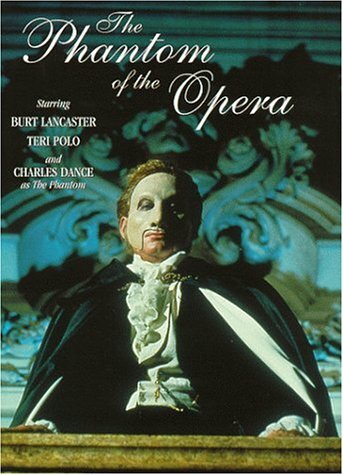
The Phantom of the Opera1990
Both represent anime's willingness in this era to be earnest, ambitious, and unconcerned with cynicism—to spend massive resources on weekly television that was allowed to be genuinely good at one specific thing.
A wildly ambitious anime musical—yes, really—made by the same studio that would later define mecha genre. Lush, theatrical, operatic in the truest sense. Proof that anime in this era was reaching toward every possible genre simultaneously.
But It's an adaptation of a beloved Western story through a completely different cultural lens. The melodrama is genuine and unironic. If you need genre comfort food, this isn't it.