
Television series
Getter Robo
Getter Robo is a 1974 super robot anime where three pilots combine their machines into one transforming giant robot to fight dinosaur-like aliens. It's kinetic, absurd, and operates on dream logic—action sequences pile on without pause, and the plot barely exists to interrupt the next fight. Pure spectacle for anyone who loves anime's wilder roots and doesn't mind paper-thin storytelling.
Should you watch it?
Watch it if you love old-school super robot shows where the hardware is the hero, with rocket jets snapping together into a giant machine and every fight turned up to full volume.
Skip it if you want tight serialized storytelling or modern animation; the battles repeat their formula week after week, and the 1970s look can feel creaky even to sympathetic viewers.
What it asks of you: Expect a very long haul, around 140 episodes of half an hour each, with a formula that rarely changes, so patience counts for more than close attention.
Not sure? Find tonight's pick in a minute.
If you liked this
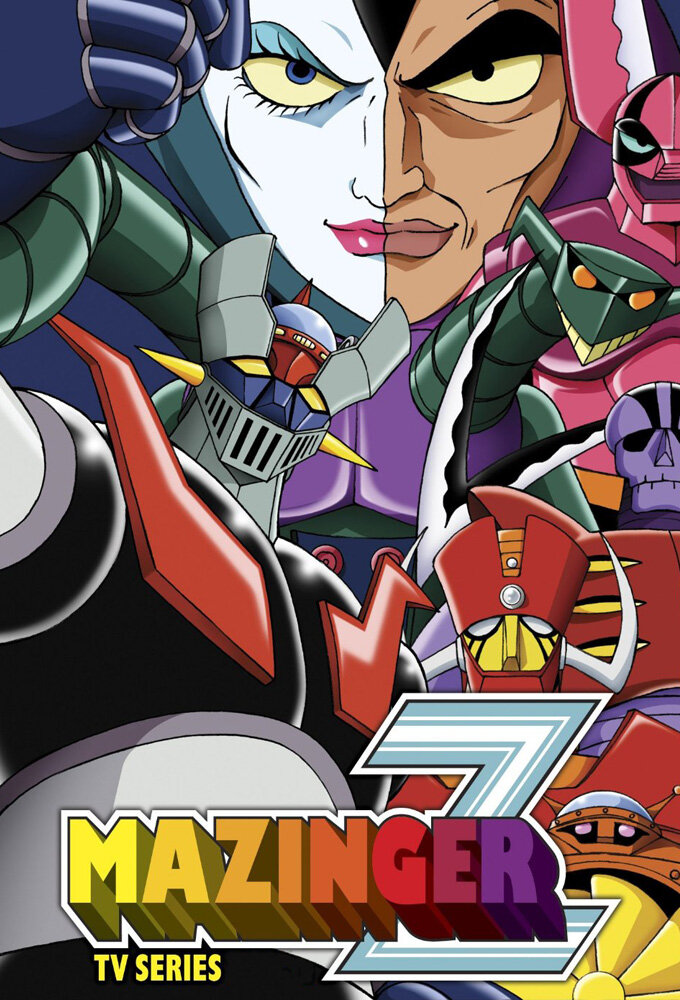
Mazinger Z1972
The proto-super-robot that defined the formula: a teenage pilot, a giant robot, and increasingly elaborate mechanical adversaries. Mazinger Z is where it all started, and it has the same pulpy energy and transformative spectacle.
But Even slower-paced than Getter Robo. The stories are repetitive filler, and 90 episodes is a commitment for what is essentially the same fight, week after week.
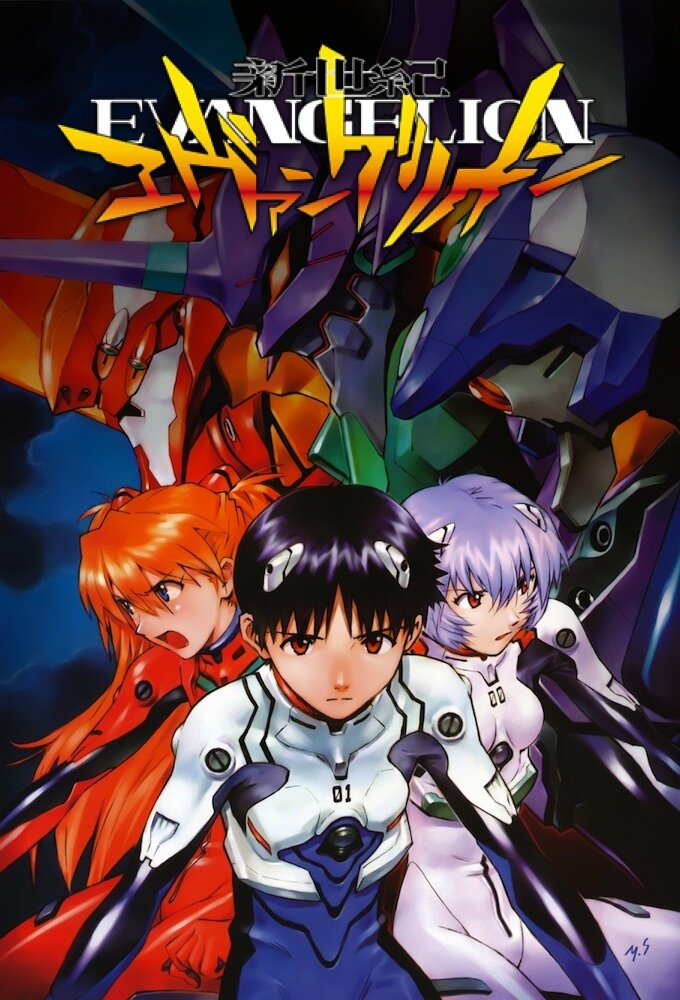
Neon Genesis Evangelion1995
Takes the giant robot formula and drives it into psychological crisis. The same DNA as Getter Robo—pilots, combinations, city-destroying battles—but inverted into existential dread and human fragility.
But Ends mid-story with a controversial final two episodes that are essentially an art film. Brutal for those wanting the cathartic robot smashing Getter Robo delivers.
Great Mazinger1974
A direct successor to Mazinger Z that shares Getter Robo's era and energy. Same Saturday-morning absurdity, same willingness to introduce new giant robots and dinosaur enemies without explanation.
But A knockoff that adds little beyond the original. If you've seen Mazinger Z, this will feel redundant rather than revelatory.
Not sure tonight? Get a pick in a minute, starting from Getter Robo
The wildcard
Something you would not have found on your own.
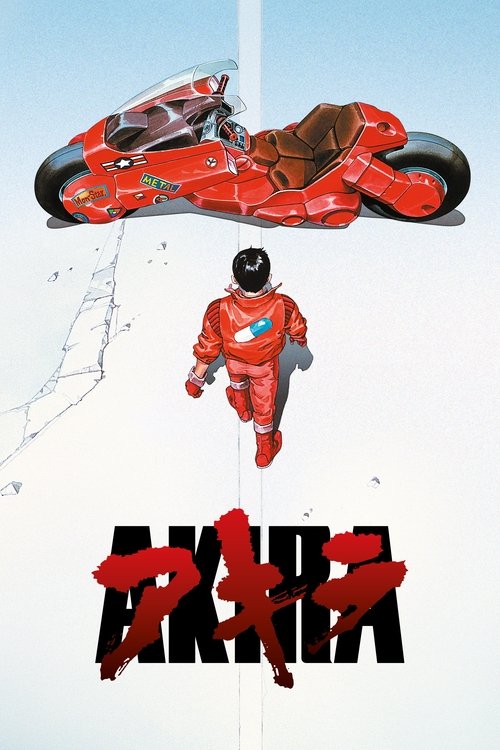
Akira1988
Both are feast-or-famine anime: gloriously animated sequences connected by minimal plot. Both prioritize sensation and visual overload. Both trust the viewer to enjoy incomprehension.
A generation later, a different medium, but the same Japanese sci-fi maximalism. Animated at the height of 80s budgets, Akira pours everything into spectacle and visual information. Both demand surrender to the experience over plot.
But Akira is sprawling and deliberately obscure. You finish it confused about what happened. The film version cuts the manga ruthlessly and assumes prior knowledge.
More like this (7)
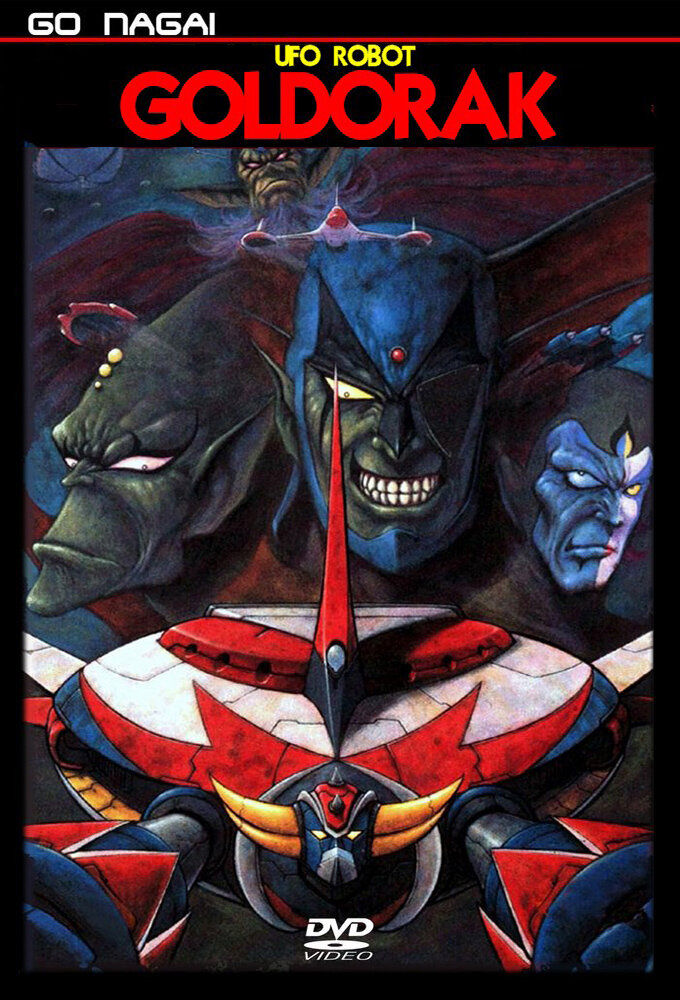
UFO Robot Grendizer1975
Space prince, his giant robot, defending Earth from alien invasion. The earnest weirdness of 1970s mecha, with that same pure-action philosophy. A spiritual sibling made in the exact same moment.
But The dub—which many encounter first—is aggressively cheesy. Even by super-robot standards, the plot is negligible.
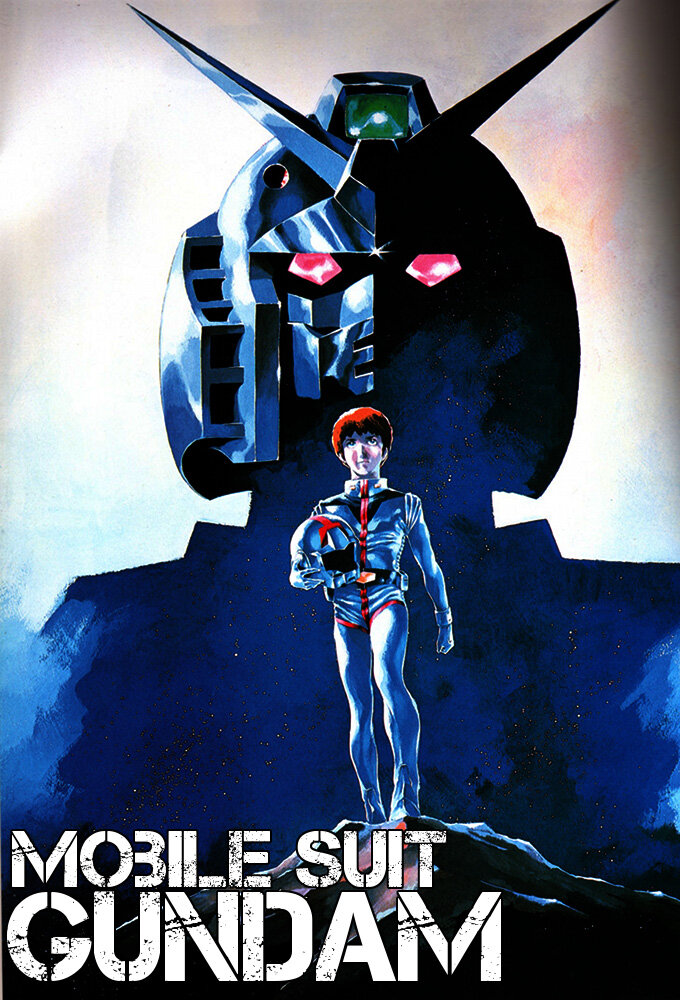
Mobile Suit Gundam1979
The series that matured the giant robot format into genuine narrative and military drama. Still has Getter Robo's kinetic battle choreography, but with characters you actually care about and a story that builds.
But The first series is slow. Modern audiences usually start with the films or newer entries. The original 43 episodes demand patience.
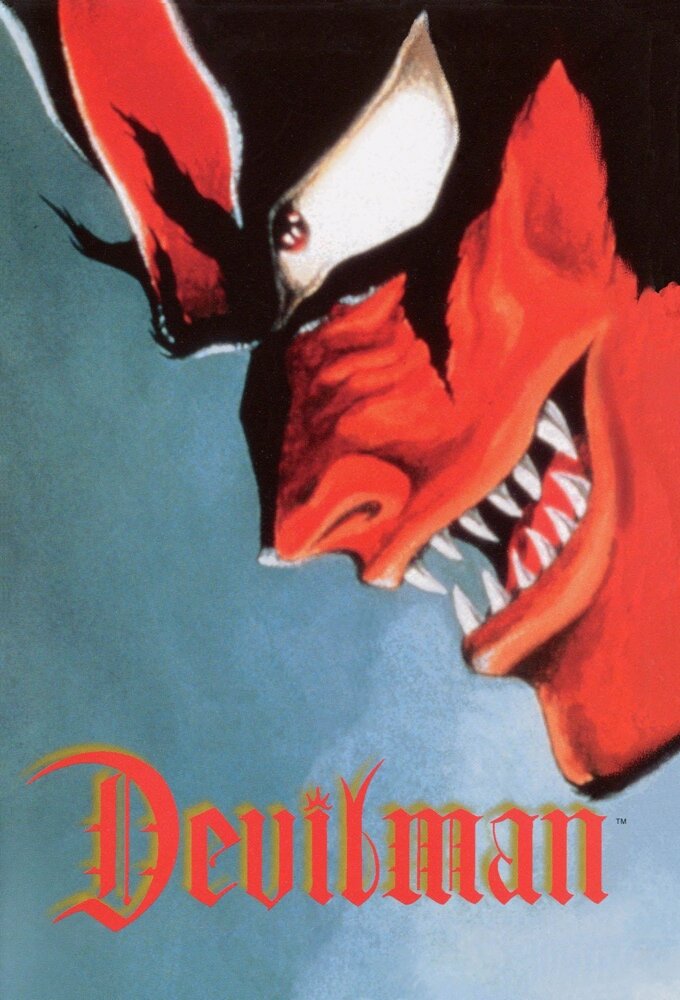
Devilman1972
Go Nagai's other 70s creation is similarly wild and unhinged. Supernatural chaos, transformation sequences, a teenager gaining superpowers. The same gleeful disregard for narrative sense.
But Devilman is darker and more grotesque. If you want fun spectacle without nihilism, this swings too hard the other direction.
Violence Jack: Harem Bomber1986
More Go Nagai (Getter Robo's creator), this time as brutal post-apocalyptic OVA. The unhinged action sensibility taken to extremes. For those who love the raw animation quality and speed.
But It's intentionally ugly and mean. No charm, no heroes—just survival and violence. Very much a product of late-80s excess.

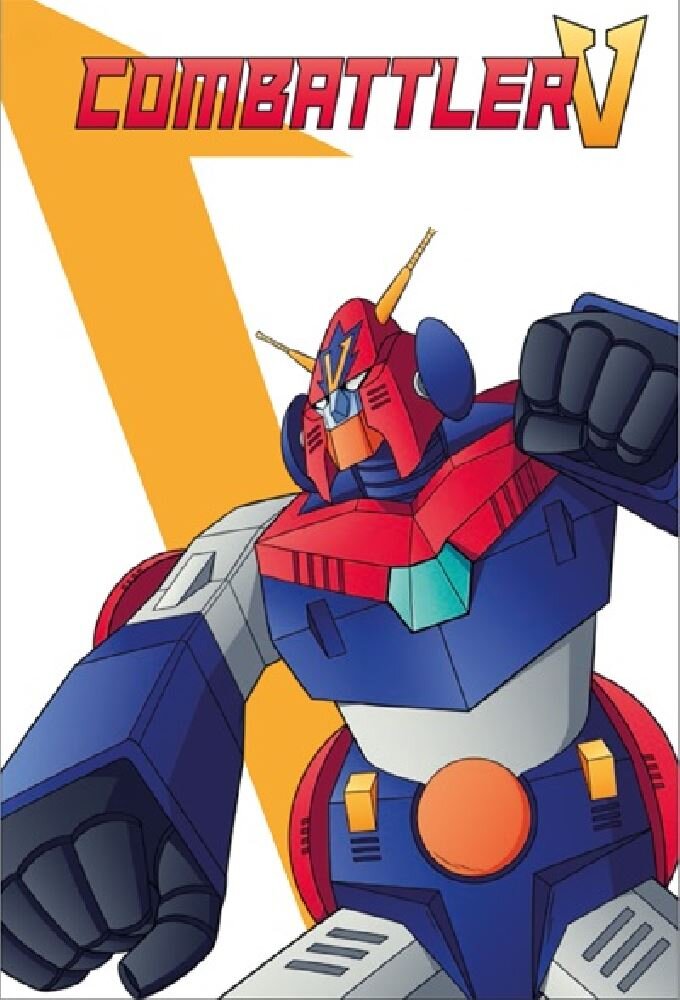
Super Electromagnetic Robot Combattler V1976
Five separate vehicles combine into a super robot. Same year as Getter Robo's sequels. Peak super-robot formula before Gundam arrived to make it serious.
But Barely distinguishable from other mid-70s mecha. You'll be watching the same five-part combination and fight cycle 50+ times.
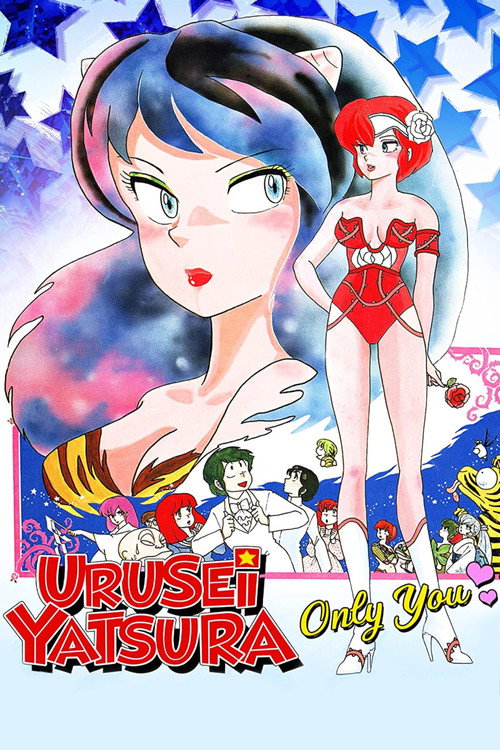
Urusei Yatsura: Only You1983
Same director (Kazuo Yamazaki), same animation studio (David Production's predecessor), same willingness to explode the frame with pure movement as a storytelling language.
A romantic comedy film from the same era of Japanese animation, but the kinetic energy is identical: characters move impossibly fast, the camera never stops, comedy and chaos collide without logic. Proof the Getter Robo style worked across genres.
But Requires familiarity with the TV series and its relationships. Comedy that lands if you know the characters, falls flat if you don't.
Perfect Blue1998
Both trust animation's unique power to overwhelm through sheer movement and visual density. Both use the medium's freedom from physical logic. Both are pure cinema, not filmed theatre.
Satoshi Kon's nightmare manifesto looks nothing like Getter Robo but moves the same way: dizzying cuts, impossible perspective shifts, images piling faster than sense can follow. Animation as vertigo. The same sensory assault, absolute control.
But It's a psychological horror thriller about an idol's mental breakdown. Beautiful but ugly. No robot, no catharsis—just unease.

Recommended by
Mazinger Z, Gigantor, Mazinger Z: Infinity, Great Mazinger, Super Electromagnetic Robot Combattler V, Ultraman Jîdo