
Television series
Great Mazinger
Great Mazinger is a 1974 Japanese super robot anime that hands the controls to a new pilot after the original hero departs. It's pure Saturday-morning spectacle: giant mecha, absurd villain factions, and escalating mechanical mayhem. Fast-paced, colorful, and earnest about its melodrama. For anyone who loves anime history, monster-of-the-week action, or the particular joy of 70s tokusatsu energy translated to animation.
Should you watch it?
Watch it if you love old-school giant robot shows where a rookie hero, a lab-coat mentor and a steady parade of new mechanical foes do the heavy lifting, with a cheerfully earnest tone.
Skip it if you want tight modern pacing; the storytelling is simple and the animation shows its 1974 age throughout.
What it asks of you: Short bursts suit it: episodes run about twenty-five minutes, but 56 of them is a long haul, and its battle rhythm repeats deliberately.
Not sure? Find tonight's pick in a minute.
If you liked this
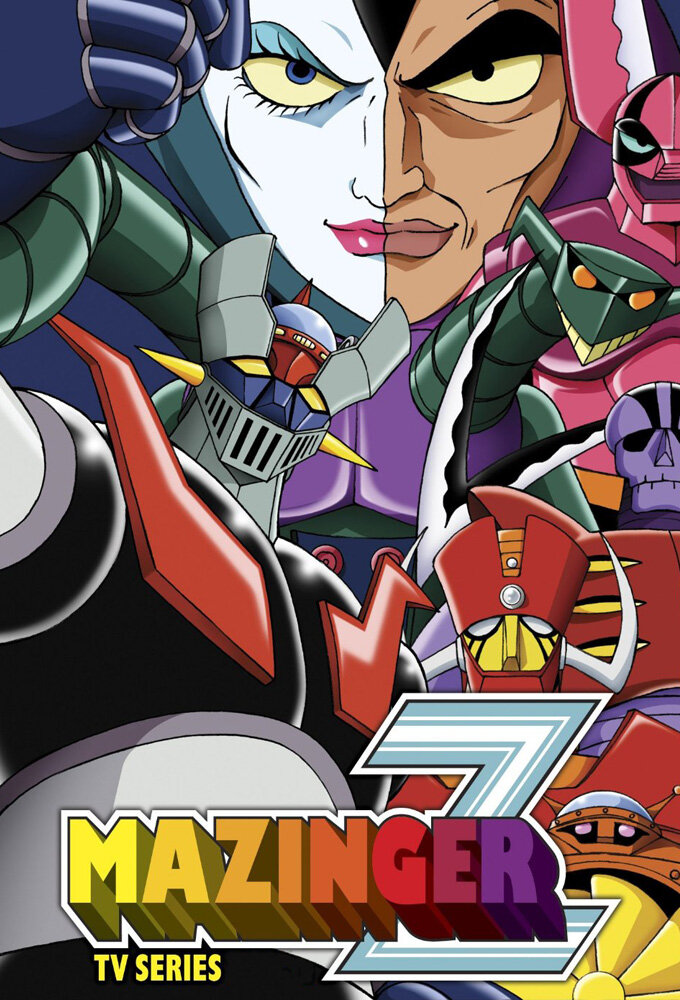
Mazinger Z1972
The original and the template. If Great Mazinger is your entry point, seeing where it came from explains why the formula works: clean hero, clear enemy, spectacular robot designs, and genuine stakes that escalate every episode.
But The pacing is even slower, and some animation shortcuts are rougher. Also predates Great Mazinger's refinements, so it can feel more repetitive in structure.
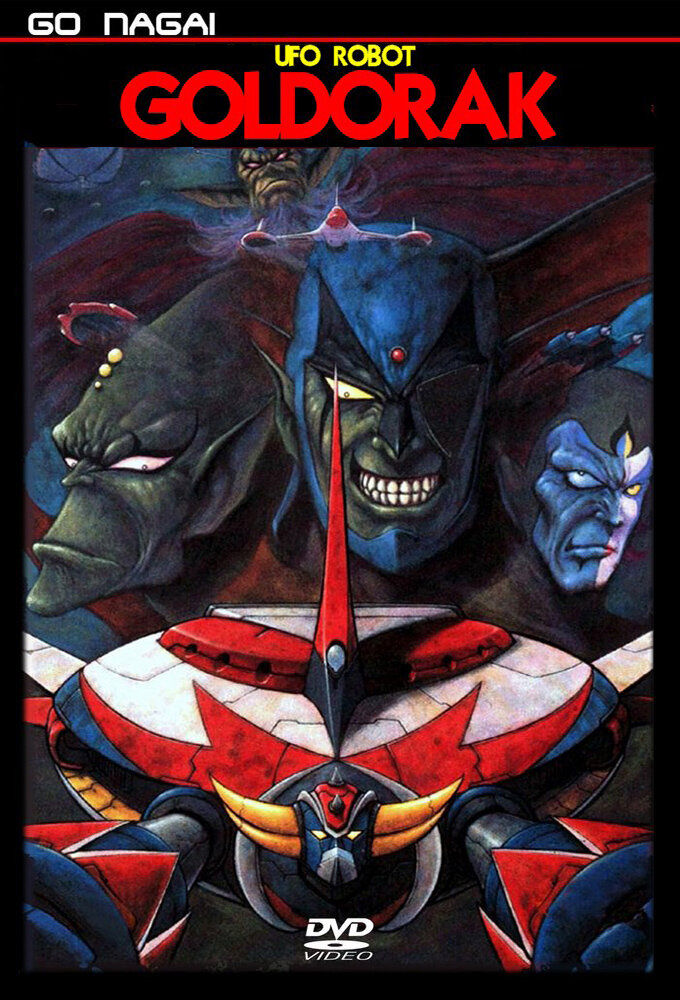
UFO Robot Grendizer1975
The spiritual successor, made while the super robot genre was still white-hot. A prince from another planet fights Earth invaders in an even bigger robot. Same energy, similar team structure, but with fresher designs and a planetary-scale mythology.
But It diverges into space opera territory that some find less grounded. The tone can swing between genuinely menacing and cartoonish within the same episode.
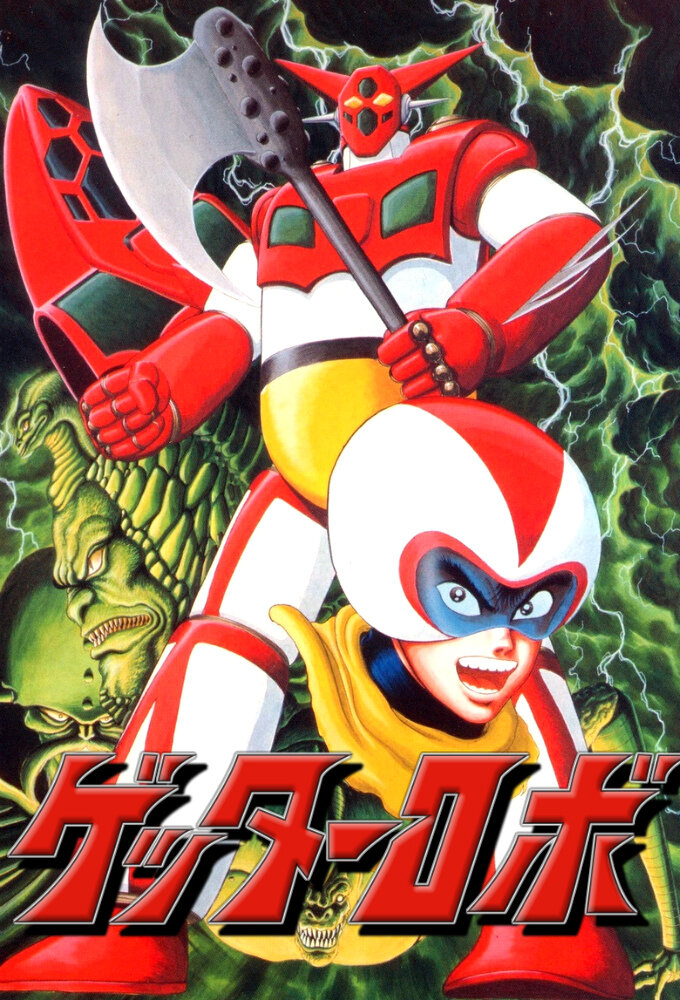
Getter Robo1974
Your other 1974 option: three pilots combining into a transforming super robot that actively evolves. More focused on mechanical variety and team dynamics than Great Mazinger. Genuinely inventive fight choreography for the era.
But The protagonist is aggressively hot-headed in ways that wear thin. Also compresses more plot into fewer episodes, which can feel rushed.
Not sure tonight? Get a pick in a minute, starting from Great Mazinger
The wildcard
Something you would not have found on your own.
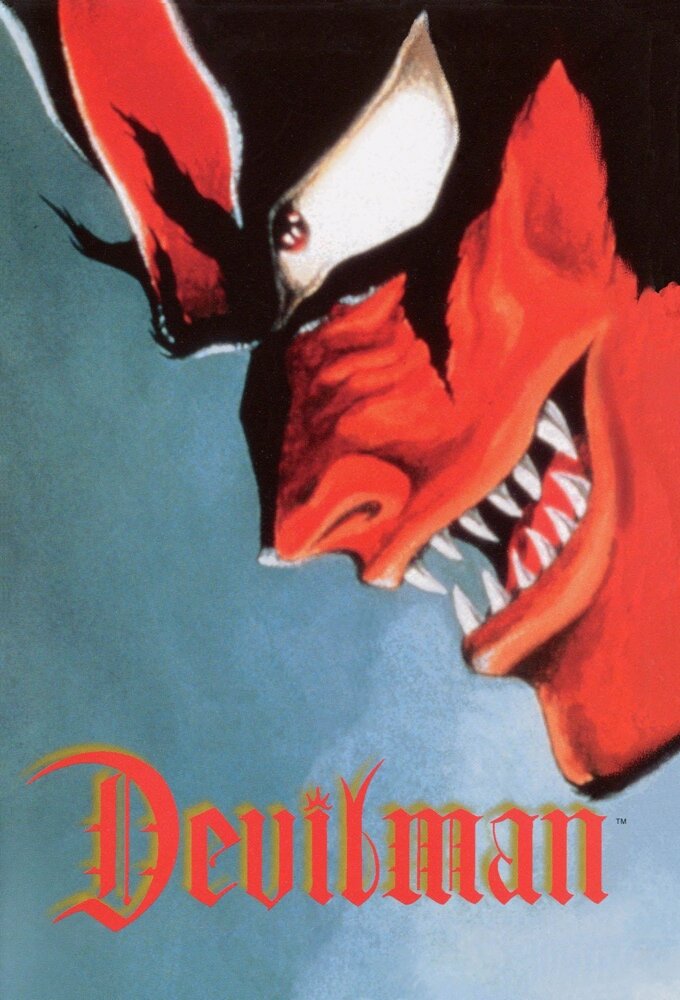
Devilman1972
Both directed by Go Nagai; same extreme visual maximalism and willingness to pit heroes against overwhelming odds, but Devilman abandons the robot frame entirely for supernatural chaos.
Go Nagai made both Great Mazinger and Devilman. This supernatural horror-action series has none of the mecha but all the apocalyptic energy. Same maximalist sensibility, same willingness to go genuinely dark. A different lens on the same creative fire.
But Devilman is messy, sometimes incoherent, and the body horror can be genuinely unsettling. It's not the clean adventure Great Mazinger is—it's fever-dream adjacent.
More like this (3)
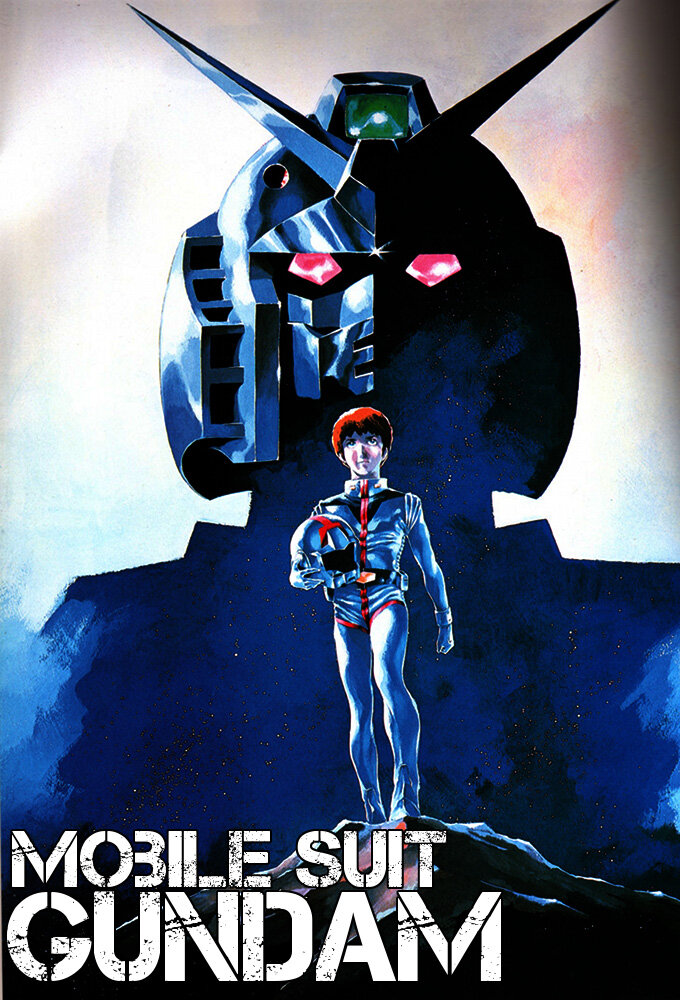
Mobile Suit Gundam1979
When super robots grew up. Same mecha combat framework, but with genuine war narrative, politics, and moral complexity. Gundam's influence on anime cannot be overstated. If you loved Great Mazinger's earnestness, this proves it can coexist with real stakes.
But Much longer, slower-burn first arc, and requires patience with 1979 animation. The soap opera elements are substantial—not everyone's looking for that much character drama.
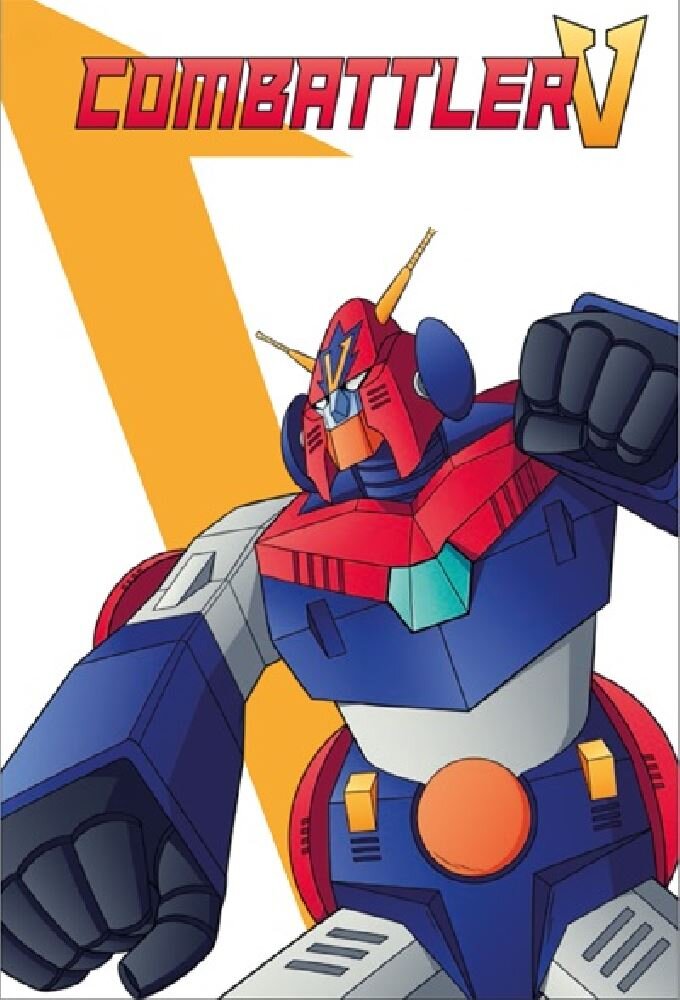
Super Electromagnetic Robot Combattler V1976
Five pilots in five vehicles combining into one mega-robot. More cohesive team dynamics and character interplay than pure mecha action. The combining sequences are satisfying and the show doesn't overstay its welcome.
But Animation is uneven and some episodes feel like filler. The villain organization is less compelling than Great Mazinger's, making stakes harder to feel.
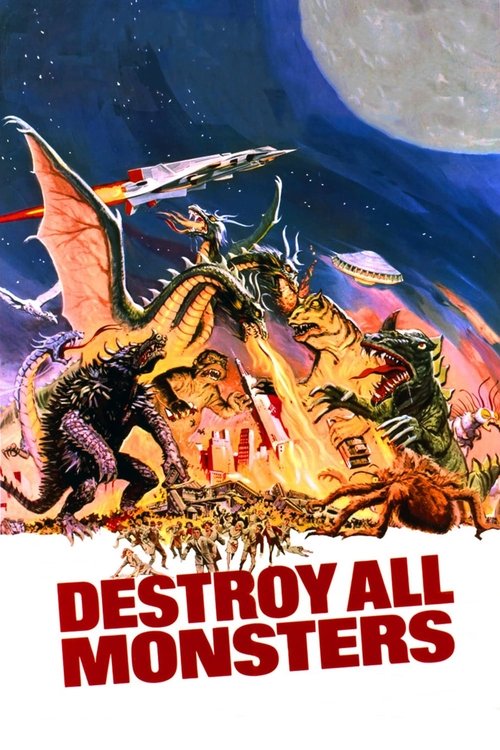
Destroy All Monsters1968
Same era and sensibility as Great Mazinger; both prioritize spectacle over coherence, and both come from Japanese popular entertainment's golden age of not worrying whether a giant thing destroying things makes perfect sense.
Toho's kaiju opus: 11 monsters versus humanity in a final-act spectacle that makes no narrative sense and doesn't care. Pure destructive joy. If you love the unapologetic scale and action density of Great Mazinger, this is where that DNA comes from—tokusatsu mayhem before it went robotic.
But It's 90 minutes of montage and destruction with minimal plot. Actors are clearly second priority. Pacing is glacial between action sequences, and the special effects are visibly dated in ways that don't always read as charming.
People
Cast

Recommended by
Getter Robo, UFO Robot Grendizer, Super Electromagnetic Robot Combattler V