Television series
The Ultraman
The Ultraman is a 1979 anime that transplants the tokusatsu giant-hero formula into animation. It's sleek, propulsive sci-fi action with a retro-futuristic aesthetic that holds up remarkably well. For fans of pulpy space adventure and anyone curious how Japanese animators tackled a beloved live-action property.
Should you watch it?
Watch it if you love kaiju-era tokusatsu heroes rendered in hand-drawn animation, and enjoy bright, earnest episodic monster battles that feel like a Saturday morning memory.
Skip it if you want a sleek modern effects spectacle or a tight serialized plot; the animation is limited and the storytelling is simple, built around repeated fights.
What it asks of you: Half an hour per episode across fifty episodes, so it wants steady weeks rather than a single sitting, and its pacing is leisurely, with time spent on each fight's build-up.
Not sure? Find tonight's pick in a minute.
If you liked this
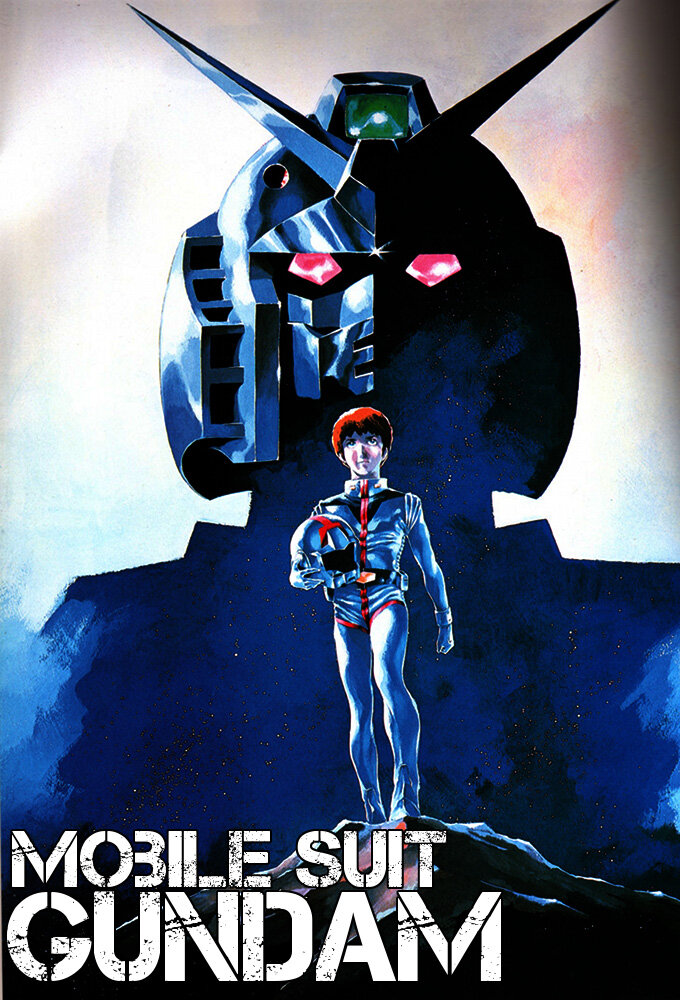
Mobile Suit Gundam1979
Released the same year, it redefined giant robot anime with real stakes and political complexity. Both shows prove 1979 was an extraordinary moment for Japanese animation ambition.
But Gundam is much longer and serialized; if you want contained adventure rather than ongoing narrative commitment, it demands more patience.
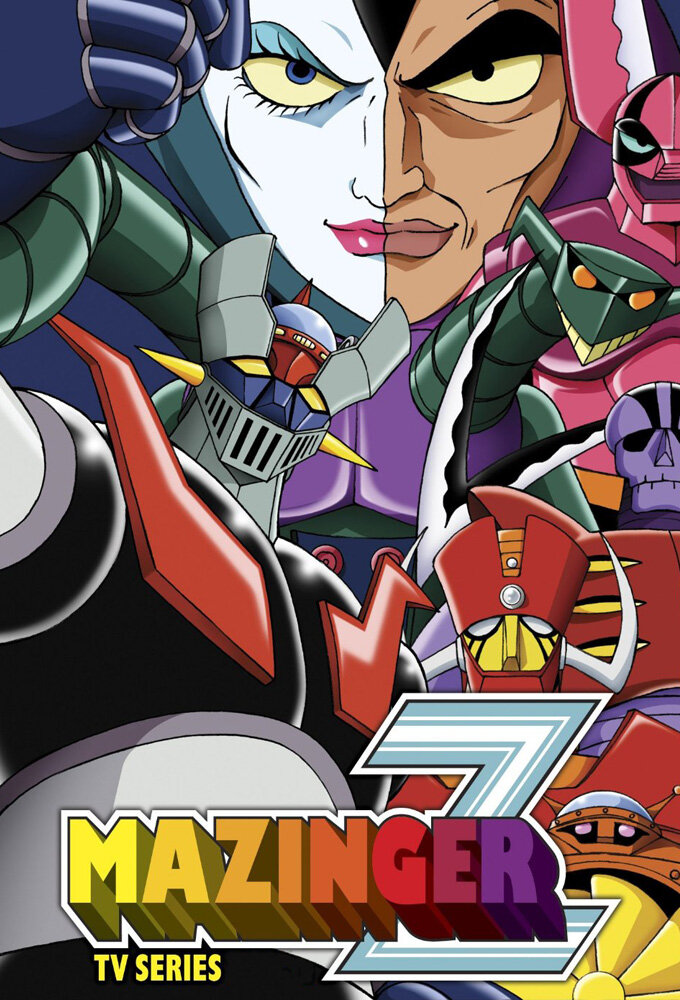
Mazinger Z1972
The template for giant-hero anime that The Ultraman refines. Watching it first shows how much animation had evolved in seven years while honoring the same pulp spirit.
But The animation is noticeably cruder and the pacing slower; it feels like watching the prototype after seeing the refinement.
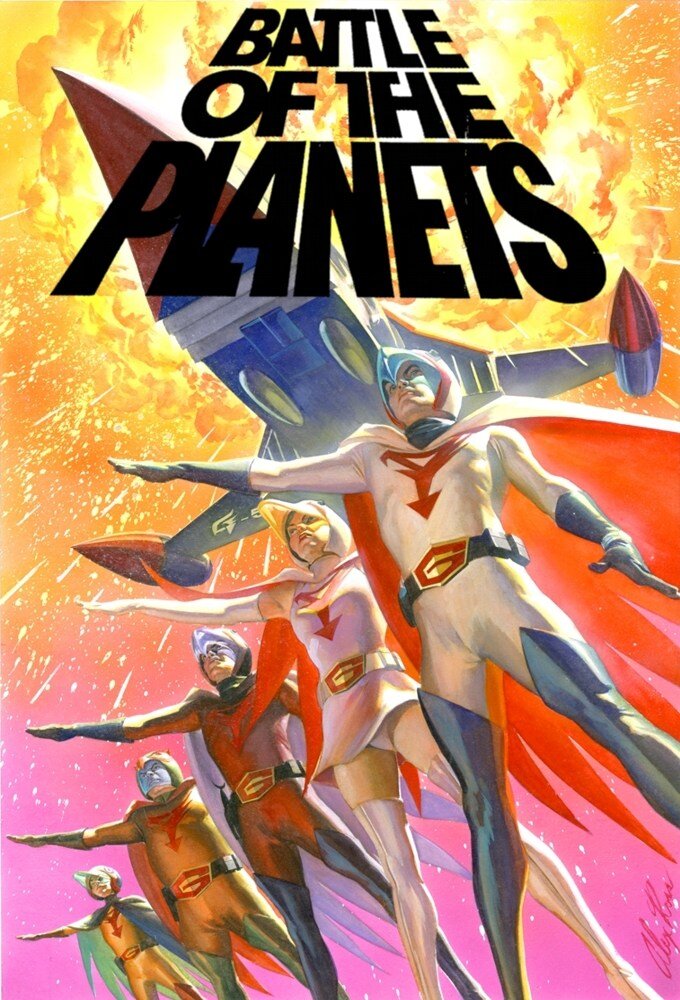
Battle of the Planets1978
A near-contemporary that shares the same retro-futuristic militaristic aesthetic and rapid-fire action sequences. Both feel like they emerged from the same creative moment.
But Battle of the Planets is more plot-driven; The Ultraman prioritizes action momentum, so the comparison reveals different storytelling philosophies.
Not sure tonight? Get a pick in a minute, starting from The Ultraman
The wildcard
Something you would not have found on your own.
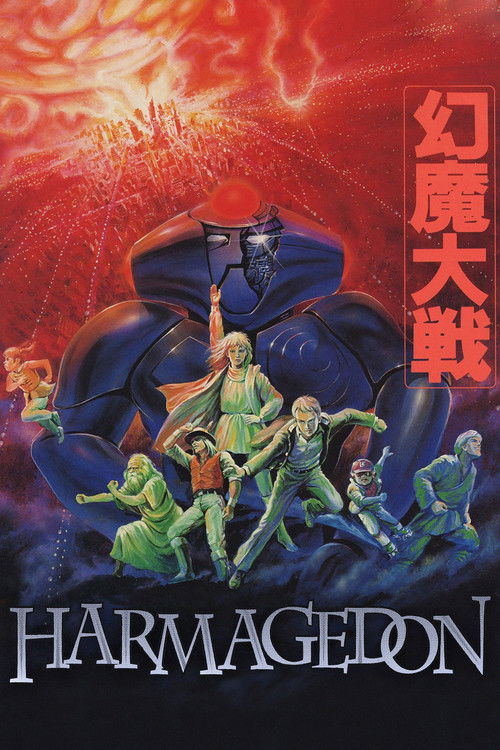
Harmagedon1983
Both are Japanese sci-fi anime from the same visual tradition, but Harmagedon shows what happened when that aesthetic was bent toward existential horror instead of action heroics.
A feature-length anime with the same retro-futuristic militaristic design language but darker philosophical weight and experimental animation. What The Ultraman's universe might look like if it were made by someone interested in dread.
But It's deliberately weird and apocalyptic; the tone is much colder, and the narrative is fragmented in ways that demand active viewing.
More like this (4)
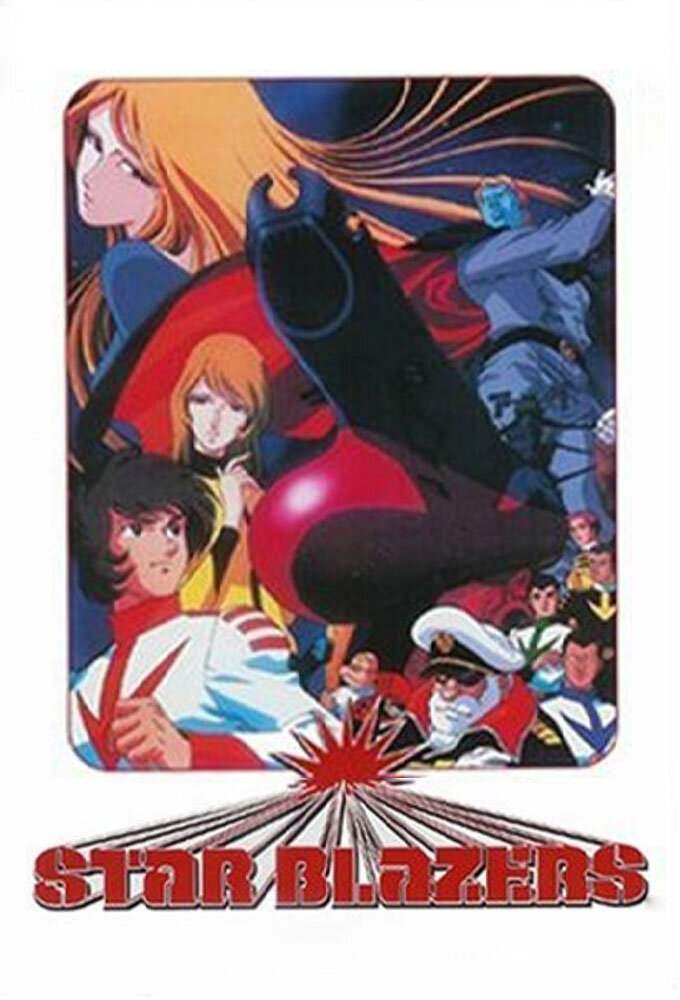
Star Blazers1974
A predecessor that proved anime could sustain epic space adventures across multiple episodes. Essential viewing for understanding the landscape The Ultraman entered.
But Yamato is considerably longer and more serialized, with slower pacing; it's a commitment, not a sprint.
Kiri2018
Another late-70s anime that mines the tokusatsu well but plays it lighter. A useful comparison for seeing how different shows approached the same source material.
But Tonally much softer and more comedic; if you want The Ultraman's action emphasis, this will feel like a diversion.

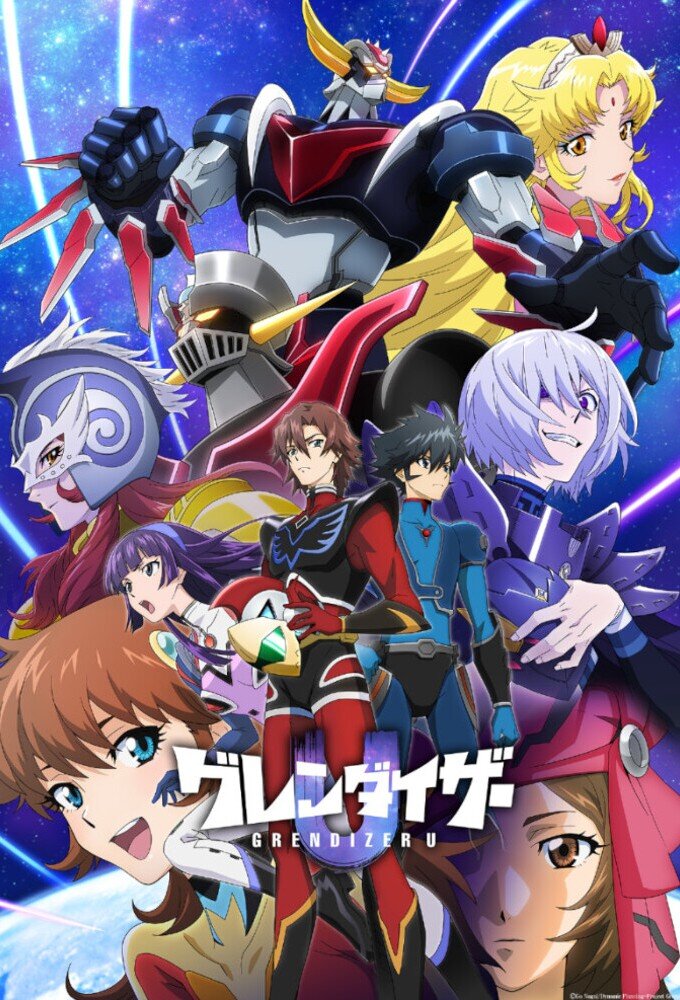
Grendizer U2024
Another giant-hero anime that refines the genre formula with sharper character work. If The Ultraman clicks, this offers more of what made it work.
But It's very similar in approach; if you're seeking something fundamentally different, this won't surprise you.
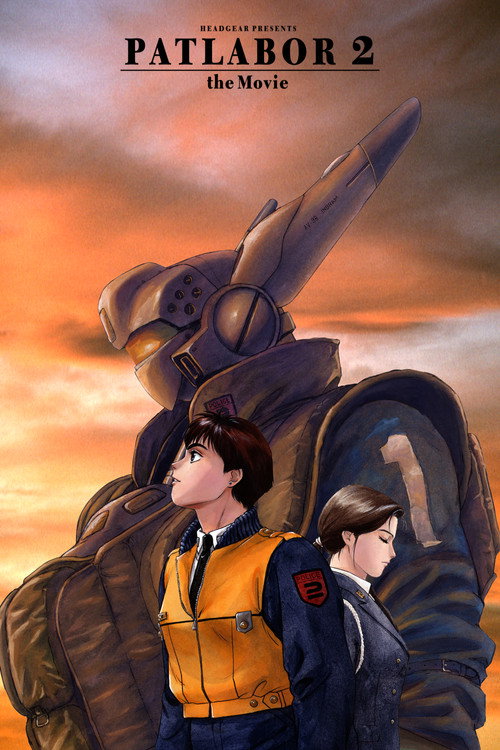
Patlabor 2: The Movie1993
Both use giant-hero visual language, but Patlabor 2 weaponizes it for something approaching hard sci-fi, showing how far the form could travel from pulp adventure.
A feature that proves giant-mecha anime evolved into something capable of geopolitical sophistication. The DNA of The Ultraman is visible in how it moves through space and constructs action, but deployed toward completely different ends.
But It's meditative and political rather than propulsive; the action serves narrative themes rather than existing for its own sake, which is the opposite of what The Ultraman offers.