Television series
Kiri
- Social drama
- Crime
- Very dark
Kiri is a four-part British drama that follows the disappearance of a young Black girl from care, fracturing the lives of her white adoptive parents, her social worker, and the community around her. It's intensely focused on how institutional failure, race, and parental love collide under catastrophic pressure. For viewers who want their drama to excavate moral complexity rather than offer easy answers.
If you liked this
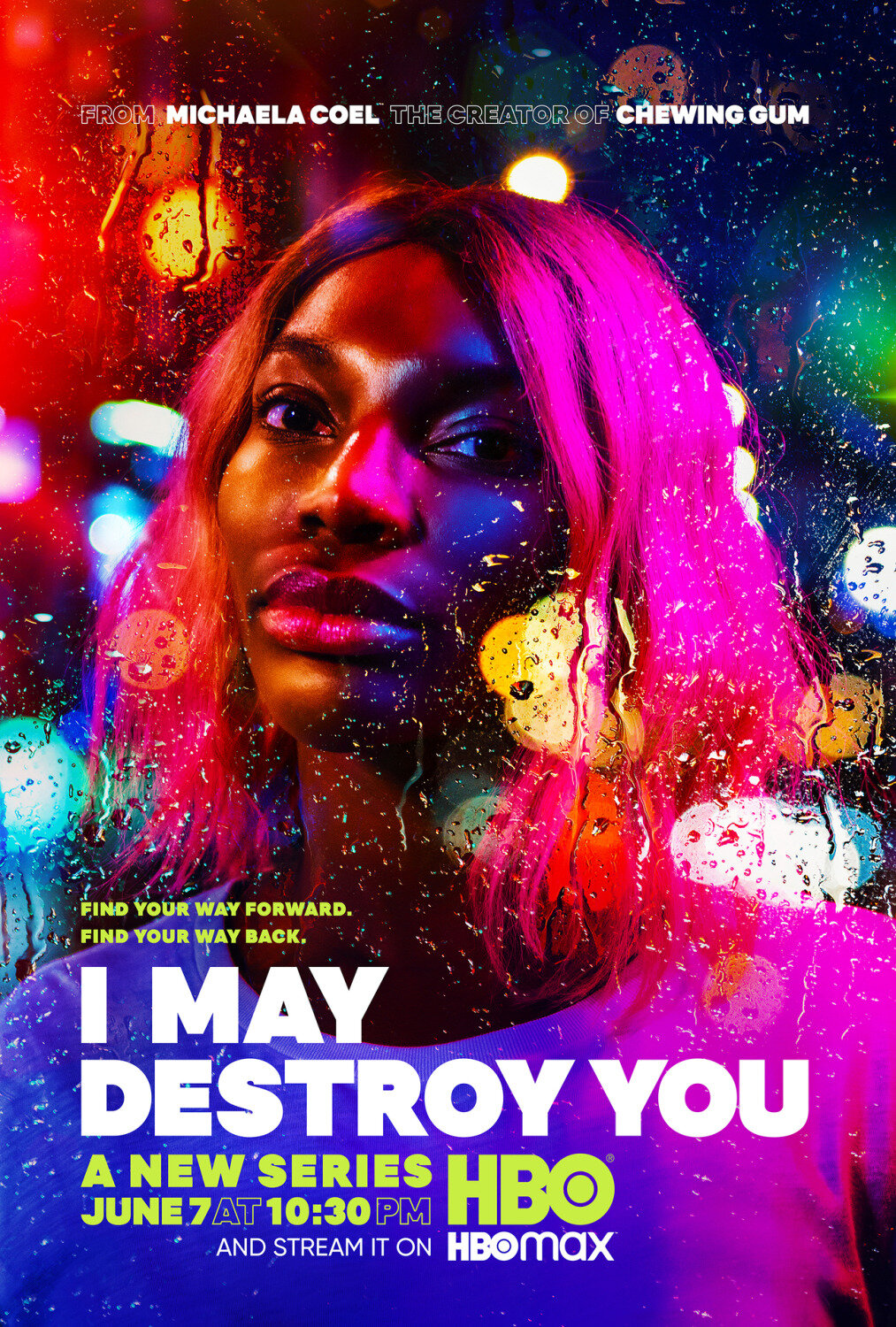
I May Destroy You2020
Michaela Coel's semi-autobiographical series about a young Black woman navigating London after a sexual assault. Combines dark comedy with unflinching emotional depth and asks urgent questions about identity, consent, and how we survive trauma.
But The tonal shifts between comedy and serious trauma can feel jarring if you want consistency. Some episodes deal with assault and abuse in ways that demand emotional labour from the viewer.
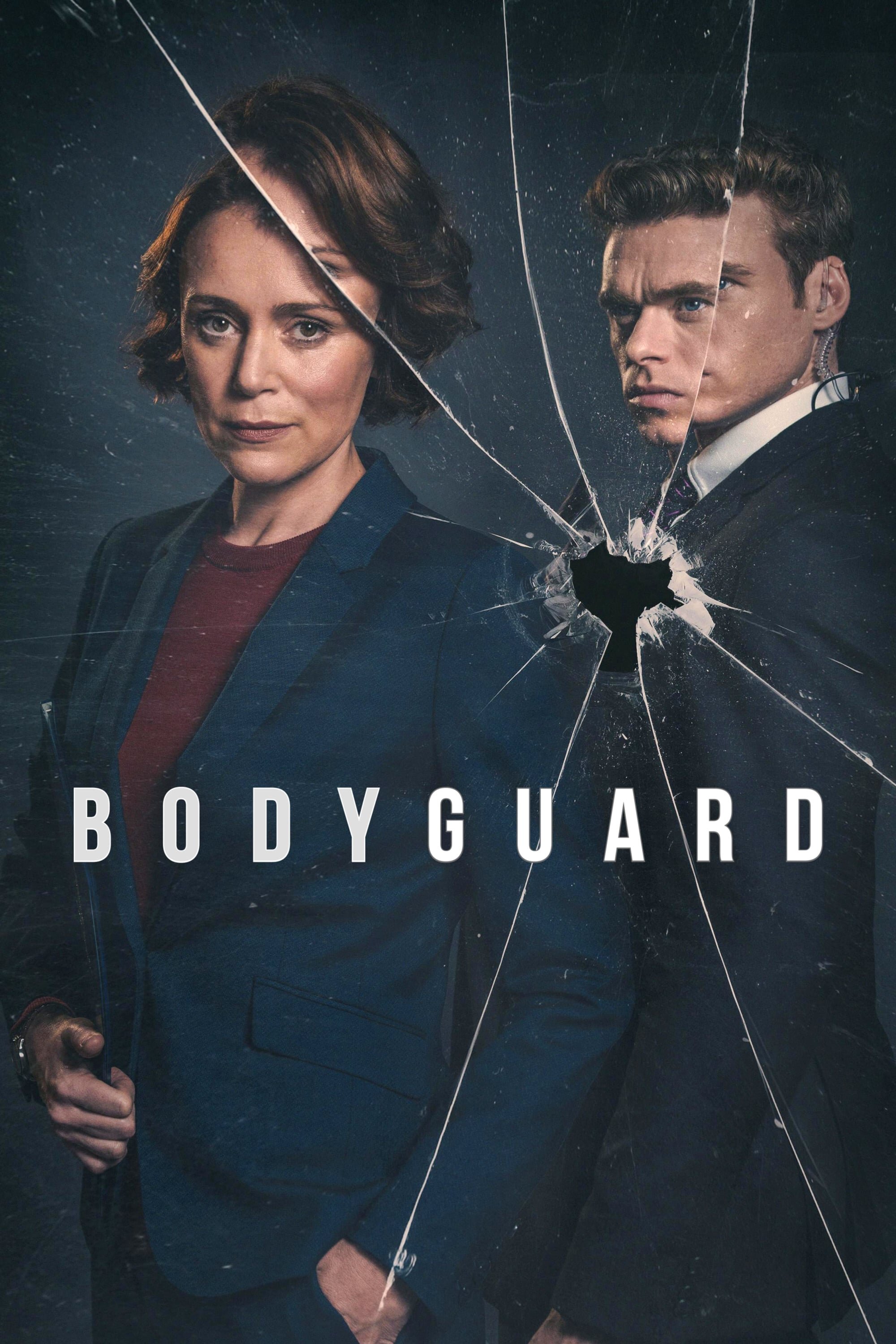
Bodyguard2018
Jed Mercurio's taut political thriller about a war veteran assigned to protect a controversial politician. Grips from the first episode and dismantles trust and loyalty at every turn, with performances that electrify the screen.
But The plot accelerates into twists that strain credibility. If you need your drama to stay grounded in plausible procedure, it will frustrate you by the finale.
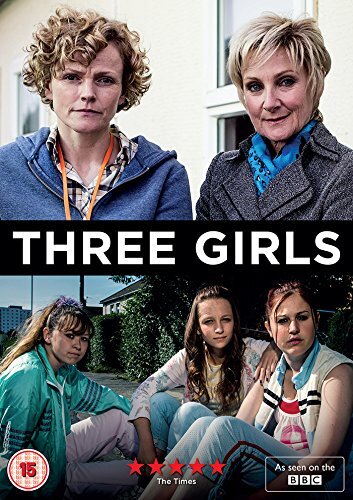
Three Girls2017
Sarah Lancashire's harrowing performance anchors this true-crime drama about the Rotherham child sexual exploitation scandal. It's a furious indictment of institutional failure and the cost of not being believed, told with quiet, devastating power.
But The subject matter—child abuse and institutional cover-up—is relentlessly bleak. It's important and necessary, but watching it is not a comfort.
Not sure tonight? Get a pick in a minute, starting from Kiri
The wildcard
Something you would not have found on your own.
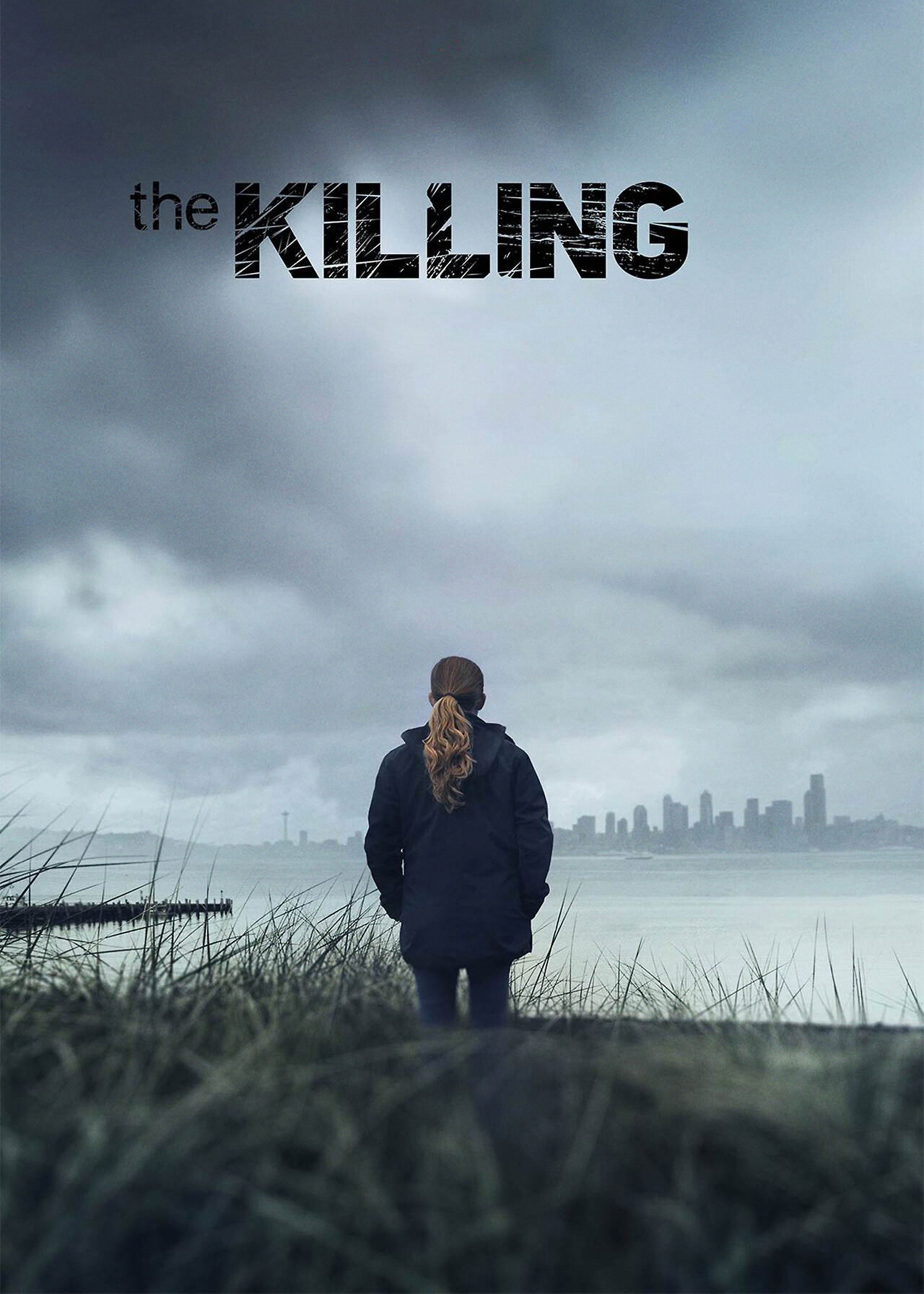
The Killing2011
Both are investigations into institutional failure and how power (professional, social, racial) shapes who gets protected and who gets blamed. Both privilege procedure and moral murk over plot.
This Danish series invented the modern crime procedural. A girl's body is found, and two detectives comb the same ground obsessively across seasons. It's slow, claustrophobic, and structured to show how institutional systems protect the powerful—much like Kiri does.
But It's in Danish with subtitles. It moves at a deliberate pace that feels almost meditative, which tests patience: many find the first season's repetition maddening before they find it hypnotic.
More like this (8)
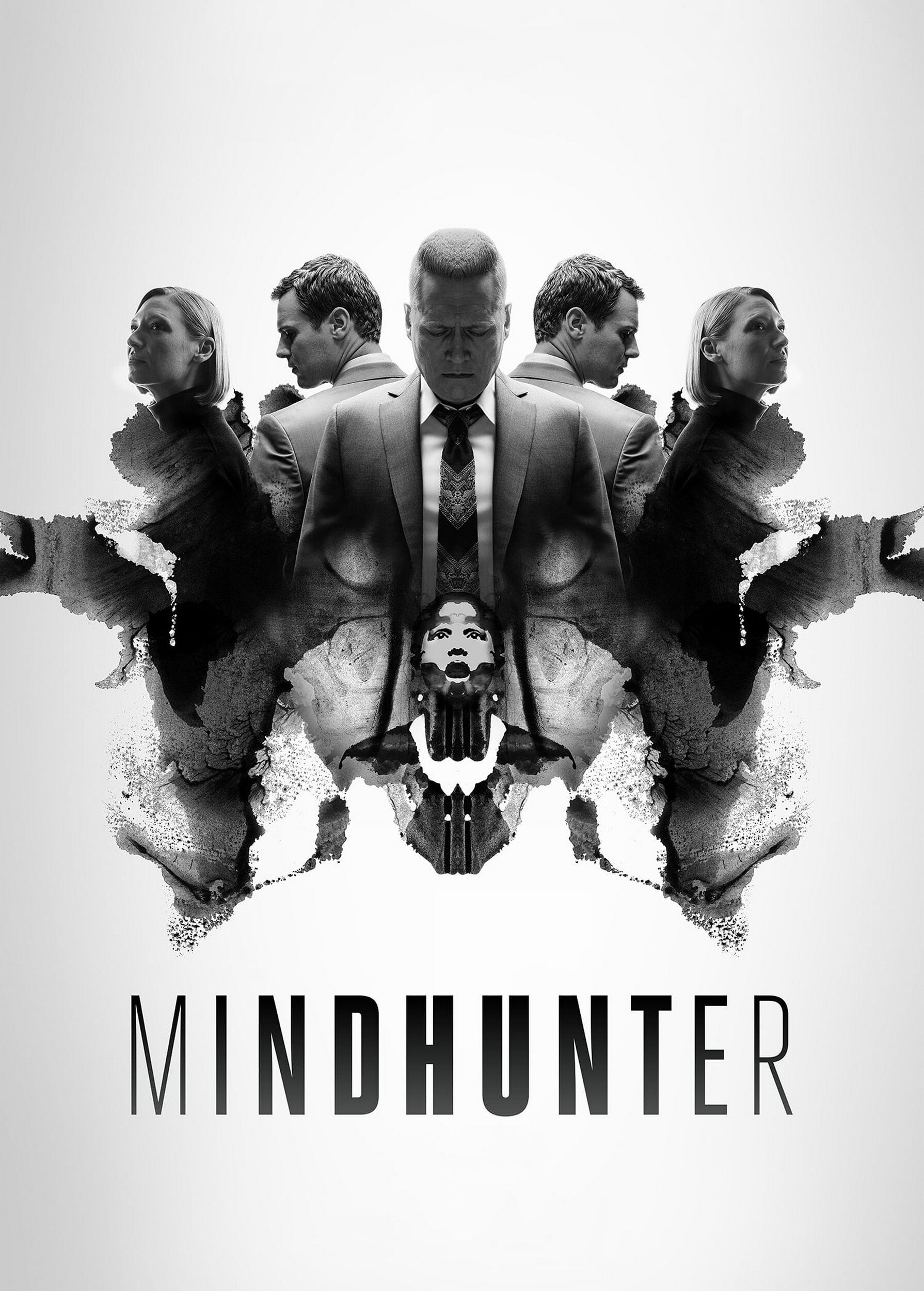
MINDHUNTER2017
A methodical, psychologically intricate series about the birth of criminal profiling at the FBI. Jonathan Groff and Holt McCallany anchor scenes of interrogation and moral ambiguity that will keep you theorising long after each episode.
But It moves at a forensic pace that some find slow. If you need immediate narrative momentum, the long interviews and bureaucratic tangles may feel tedious rather than tense.
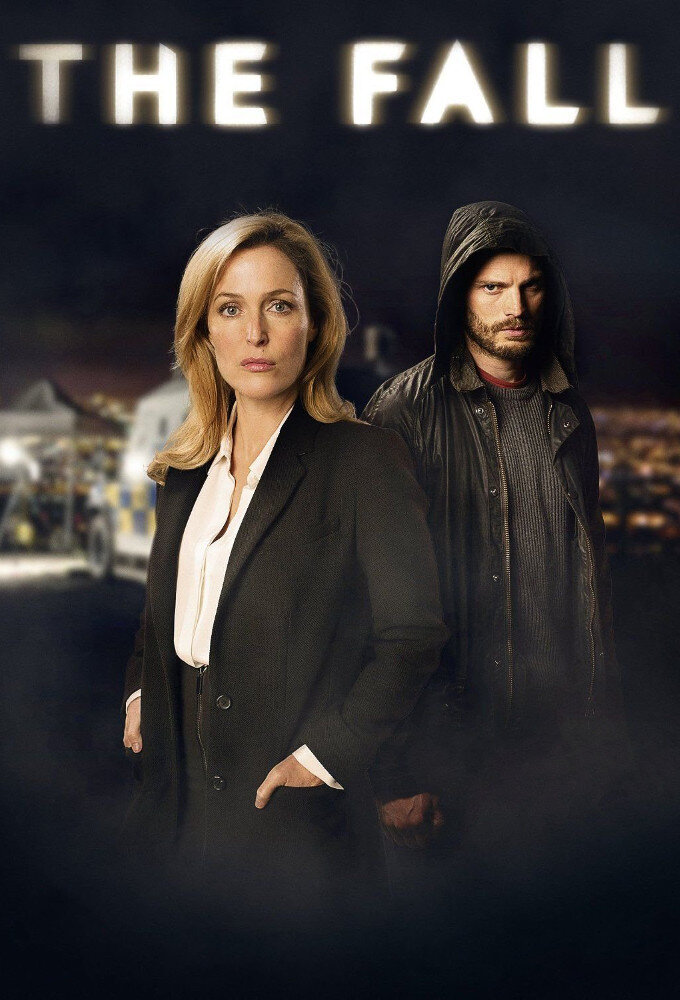
The Fall2013
Stella Gibson (Gillian Anderson) hunts a serial killer in Belfast across three seasons of cat-and-mouse brilliance. It's as much about the hunter as the hunted, and the moral murk between them, with some of British television's smartest writing.
But The killer's perspective gets significant screen time and some viewers find it gratuitously detailed. The ending also divides opinion sharply.
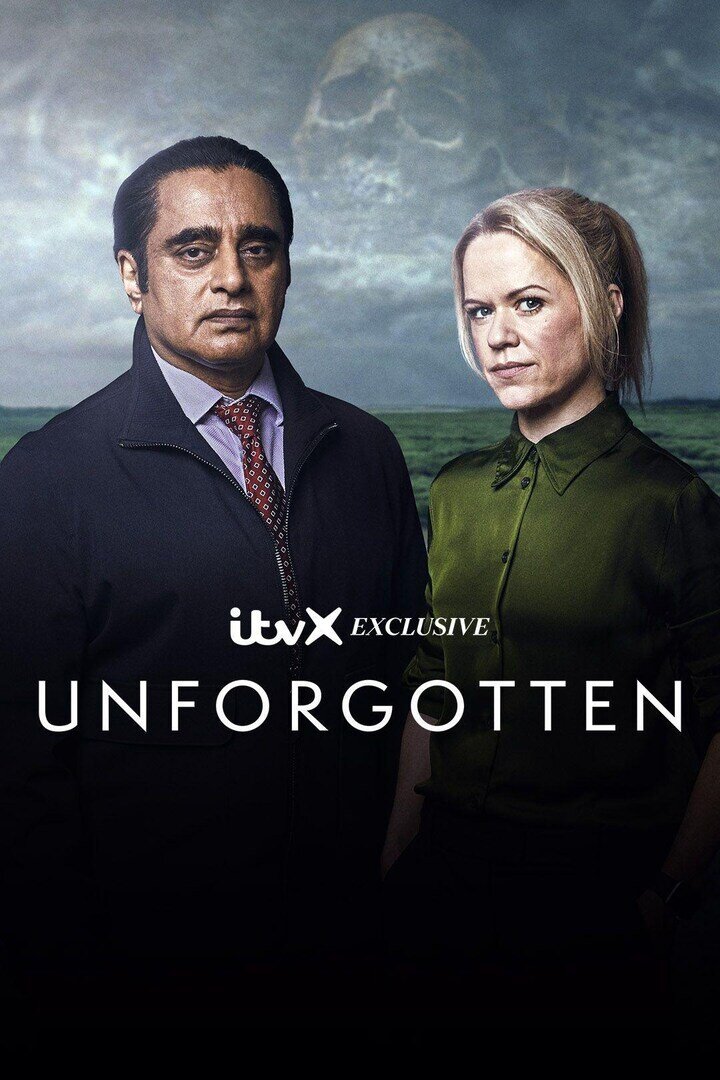
Unforgotten2015
Each season begins with a cold case and four suspects; Nicola Walker methodically unpicks their lives to find the truth. It's a masterclass in ensemble acting and the idea that everyone has secrets—and reasons.
But The pacing is deliberate and unhurried. It rewards patience but punishes impatience; if you want answers fast, you'll find it glacial.
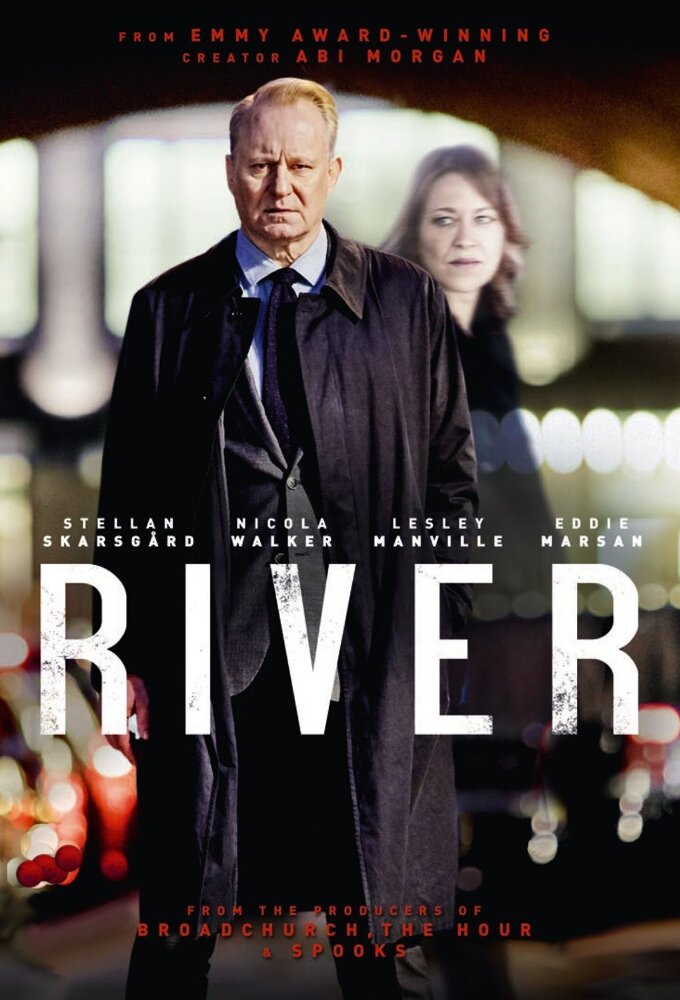
River2015
A grieving detective (Stellan Skarsgård) hallucinates his murdered partner as he investigates her death. It's formally inventive, emotionally raw, and Skarsgård's performance is a master class in controlled devastation.
But The narrative structure is deliberately fractured and non-linear, which some find profound and others find exhausting. At six episodes, it's brief but demanding.
The Honourable Woman2014
Maggie Gyllenhaal blazes through this eight-part political thriller about an Anglo-Israeli industrialist pulled into espionage and family secrets. It's stylish, tense, and genuinely unpredictable.
But The plot becomes genuinely baroque by the end. If you need every thread explained and resolved, you'll feel short-changed.
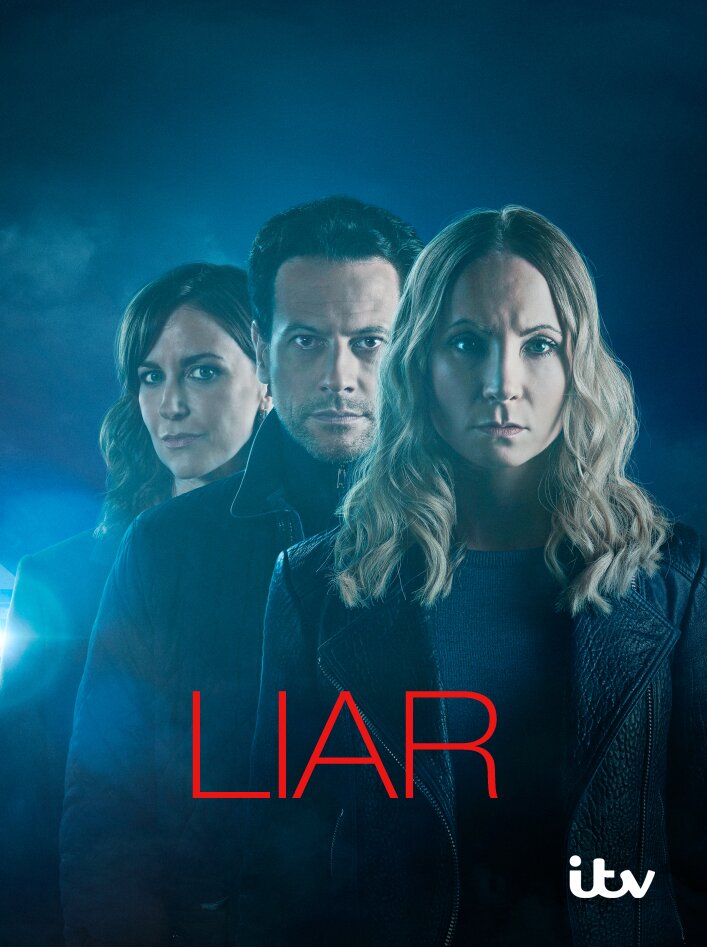
Liar2017
Two people with contradictory accounts of one night collide in court and life. It's a forensic examination of how we construct truth and who we believe, with excellent performances from Ioan Gruffudd and Jodie Comer.
But The second season abandons the original case entirely and shifts to a different story, which feels like a betrayal to fans of the first. It also becomes less psychologically grounded and more melodramatic.
Moonlight2016
Like Kiri, it refuses to simplify a Black child's interior life or reduce it to victimhood. Both are about how identity forms through the people who hold us—and the ones who fail to.
Barry Jenkins' three-chapter portrait of a Black boy becoming a man across different moments of his life. It's formally elegant, emotionally vast, and quietly revolutionary—each scene feels hand-made. It won Best Picture for good reason.
But There's almost no plot in conventional terms. It's entirely dependent on mood, implication, and visual language. If you need explicit narrative, you'll feel like nothing happens.

The Hunt2012
Both examine how a child's word triggers institutional machinery that grinds without mercy or regard for truth. Both are indictments of how systems fail at the moment they're supposed to protect.
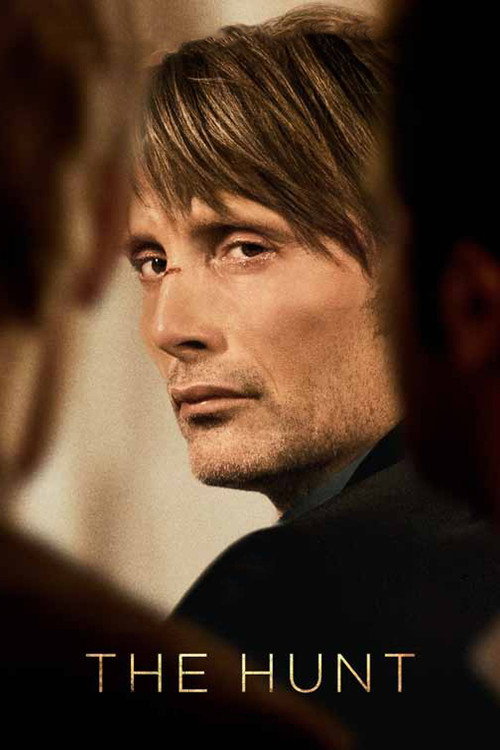
Thomas Vinterberg's Danish film about a man falsely accused of child abuse in a small town. As his reputation shatters, the film becomes a savage study of how institutions, fear, and groupthink destroy innocent people. Mads Mikkelsen is extraordinary.
But It's relentlessly grim and offers no catharsis. The accusation is the fuel; the presumption of guilt spreads faster than truth. If you watch for hope, you won't find it here.