
Film
Harmagedon
- Action
- Action thriller
- Fantasy
- Relentless
A 1983 Japanese anime apocalypse: an ancient cosmic horror called Genma is consuming the universe and heading for Earth. A prophetess and a cyborg from a doomed world recruit psychic teenagers to mount a desperate defence. It's visually dazzling, narratively chaotic, and operates at maximum intensity—a fever dream of 80s sci-fi anime ambition before anyone learned restraint.
Should you watch it?
Watch it if you love old-school Japanese animation where cosmic dread and psychic showdowns are rendered with lush, strange imagery and a sincere, earnest faith in its own apocalypse.
Skip it if you want tight plotting, since the story sprawls across a long runtime with a lot of recruiting-the-team setup before the big confrontations finally arrive.
What it asks of you: Settle in for well over two hours, with a pace that feels more patient than propulsive, and let the pictures carry you between bursts of fast action.
Not sure? Find tonight's pick in a minute.
If you liked this
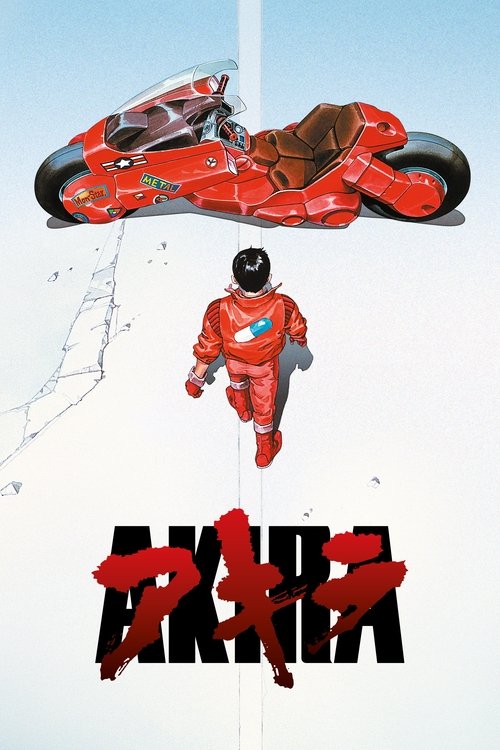
Akira1988
Post-apocalyptic Tokyo, psychic powers weaponised, stunning hand-drawn action, and a narrative that spirals into genuine cosmic horror. The animation is in another class, and it asks the same question: can humanity survive its own potential?
But It's dense, violent, and the ending demands patience. Some find it cold, and the middle section can feel oblique.
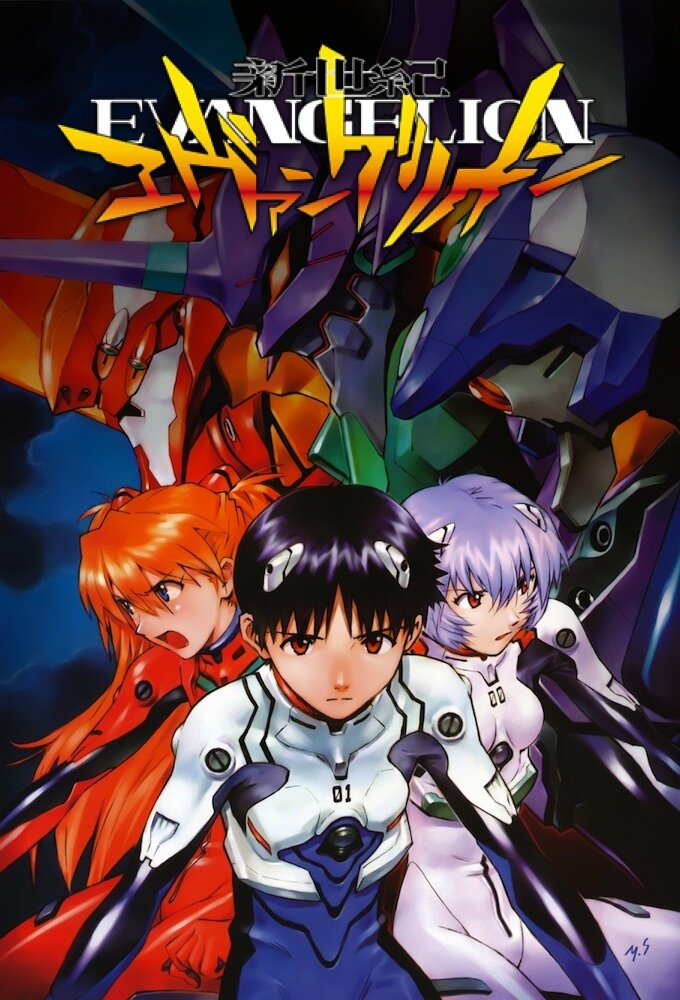
Neon Genesis Evangelion1995
Teenage psychics in giant robots fighting eldritch invaders. It shares Harmagedon's headlong plunge into metaphysical terror, existential dread, and the cost of asking children to save the world. Utterly committed to its own strangeness.
But It gets genuinely distressing and philosophically abstract. The final episodes abandon conventional narrative entirely. Not comfort viewing.
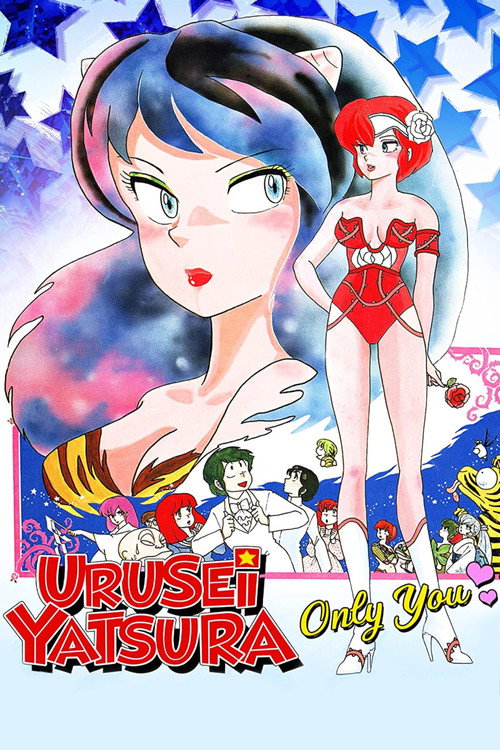
Urusei Yatsura: Only You1983
Released the same year, same manic energy and visual invention. A romantic comedy that somehow also involves apocalyptic stakes, collapsing realities, and some of the most inventive anime action ever committed to film.
But It's chaotic by design—plot takes a backseat to spectacle and comedy. Some viewers find it exhaustingly scatterbrained.
Not sure tonight? Get a pick in a minute, starting from Harmagedon
The wildcard
Something you would not have found on your own.
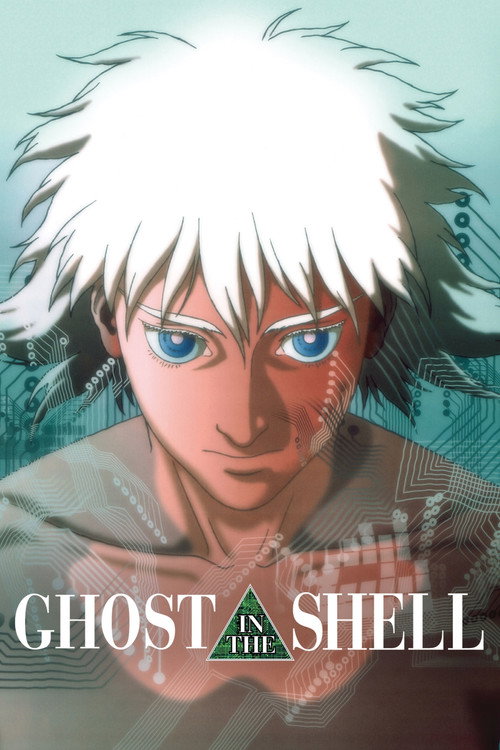
Ghost in the Shell1995
Both ask whether humanity can be saved, and both suggest the answer might require surrendering what makes us human. One sprints; one meditates. Same destination.
Where Harmagedon is maximalist chaos, Ghost in the Shell is minimalist precision—but both are wrestling with the same question: what survives when consciousness can be copied, hacked, or transplanted? Haunting, philosophical, and visually perfect. Utterly transfixing.
But Almost no action until the final twenty minutes. Long sequences of characters discussing semiotics. If you want propulsive entertainment, you'll be frustrated by how slowly it unfolds.
More like this (5)
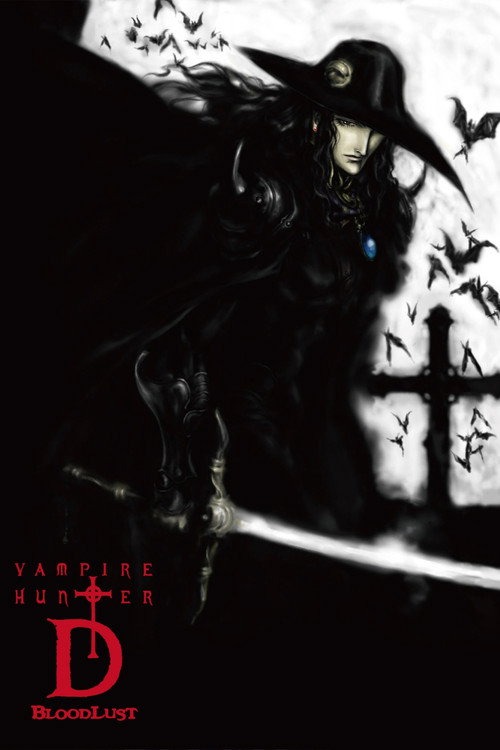
Vampire Hunter D: Bloodlust2001
Gothic sci-fi horror with extraordinary animation, a lone warrior fighting cosmic evil, and a melancholic tone wrapped around genuine terror. It's what Harmagedon would look like with discipline and a bigger budget.
But Slower-paced than Harmagedon and far more meditative. If you want constant action, you'll lose patience.
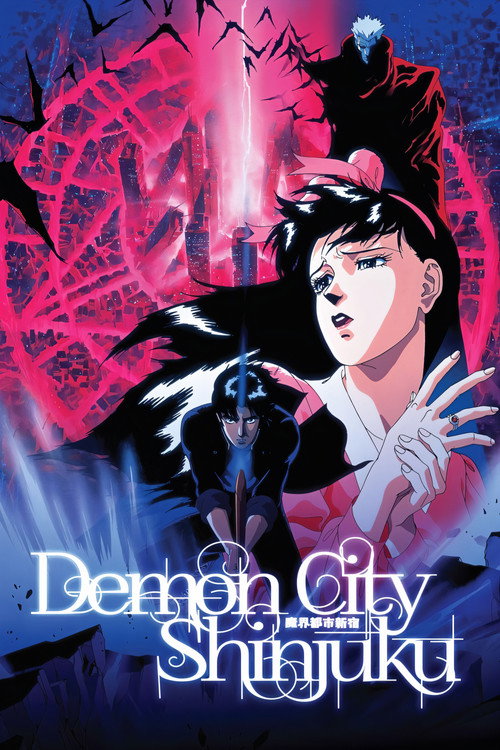
Demon City Shinjuku1988
Urban horror sci-fi with psychic combat, a corrupted city, and a protagonist with hidden powers. It has similar DNA—early 80s ambition, supernatural combat, reality itself coming apart.
But Grittier and less hopeful in tone. The plotting is thin, and it's more interested in atmosphere than payoff.
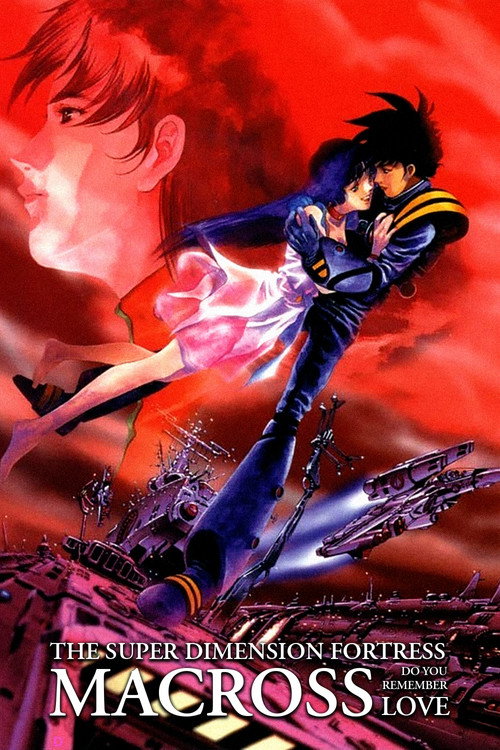
Macross: Do You Remember Love?1984
Epic space opera with robot combat, alien invasion, and emotional stakes beneath the spectacle. It's proof that 80s anime SF could balance scale with genuine character work.
But You don't need to know Macross to follow it, but it helps. The romance subplot dominates the final act, and some find that a tonal whiplash.
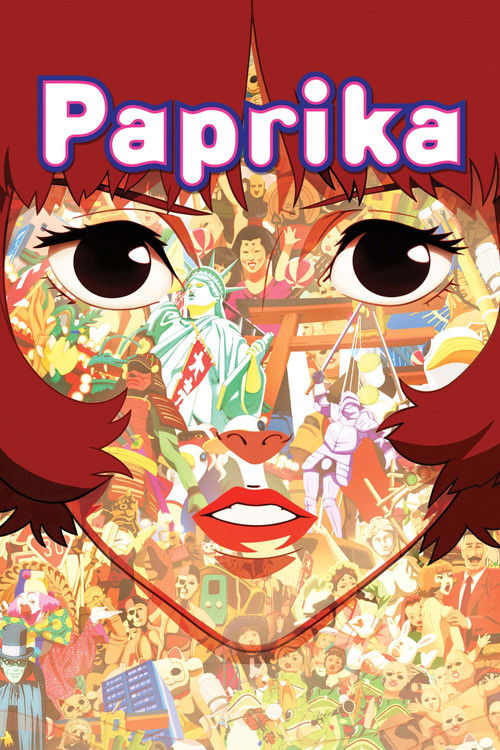
Paprika2006
Both depict reality fracturing under impossible pressure. One uses alien invaders; one uses the human mind. Both are about resisting annihilation when the enemy can't be fought conventionally.
A documentary filmmaker's dream therapy device allows unconscious desires to bleed into waking reality, collapsing the boundary between them. It's Harmagedon's apocalyptic invasion plot translated into surrealism and psychology—the threat is internal, not external, but equally total.
But Increasingly abstract and nonlinear. By the final act, conventional narrative logic dissolves. Requires genuine surrender from the viewer.
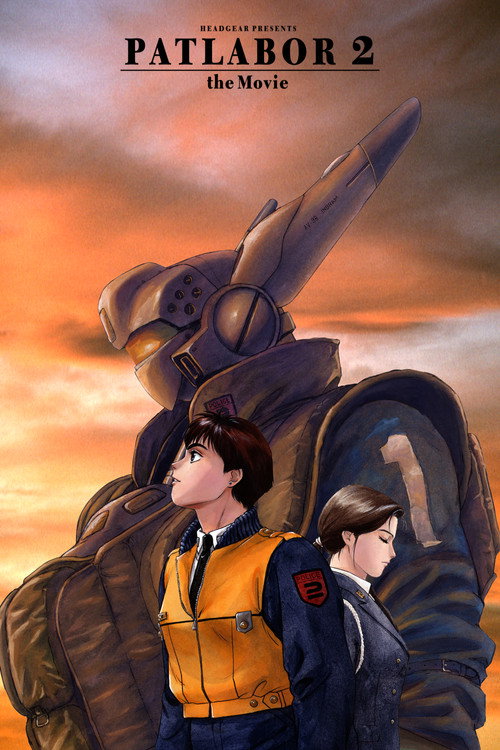
Patlabor 2: The Movie1993
Both pit small groups of the gifted against apocalyptic scenarios, but Patlabor argues the real threat is ideology and choice, not alien invasion. Harmagedon asks 'can we survive this?' Patlabor 2 asks 'should we?'
A military coup attempt in near-future Tokyo, corporate intrigue, massive robot combat, and a meditation on whether war can ever be justified. It's a political thriller wearing a giant-robot suit, and it's one of the most intellectually serious anime films ever made.
But Dense, slow-burn plotting. The first half is procedural bureaucracy; the second half is philosophical argument. If you came for action, you'll be reading subtitles through meetings.
People
Cast
 Toru FuruyaJô Azuma (voice)
 Mami KoyamaLuna (voice)
 Masako IkedaMichiko Azuma (voice)
 Keiko HanJunko Sawakawa (voice)
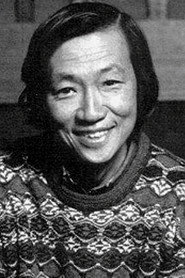 Kaneto ShiozawaShirô Eda (voice)
 Kenji UtsumiSalamander (voice)
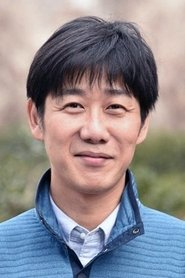 Yasufumi HayashiSonny Lynx (voice)
 Hideyuki TanakaAsanshi (voice)
 Tomoyo HaradaTao (voice)
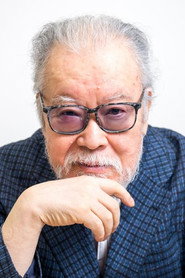 Tohru EmoriVega (voice)
 Ryuji SaikachiYogin (voice)
 Ichiro NagaiZambi (voice)
Directing
- RintaroDirector
Writing
- Chiho KatsuraScreenplay
- Makoto NaitoScreenplay
- Mori MasakiScreenplay
- Kazumasa HiraiStory
- Shotaro IshinomoriStory
Production
- Haruki KadokawaProducer
- Shotaro IshinomoriProducer
- Susumu AketagawaProducer