
Film
Choudenshi Bioman: The Movie
A 1984 Japanese tokusatsu film where five color-coded superheroes battle the evil organization Gear to protect children holding a map to their secret base. It's exactly what it sounds like—bright, earnest, packed with practical effects and fight choreography, unapologetically aimed at kids but crafted with genuine craft. Perfect for fans of vintage sentai, anyone curious about Japanese action cinema's roots, or anyone who loves pure spectacle made tangible.
Should you watch it?
Watch it if you love the earnest, cardboard-and-costume charm of early super-team serials, where five colour-coded heroes hold their poses and the stakes are delightfully simple.
Skip it if you need slick modern effects or a fast pace, since this is brief, creaky and happy to let its ideas stay simple at the expense of polish.
What it asks of you: Forty-five minutes is all it takes, and you settle in quickly, enjoying bright, unfussy action without hunting for hidden subtext.
Not sure? Find tonight's pick in a minute.
If you liked this
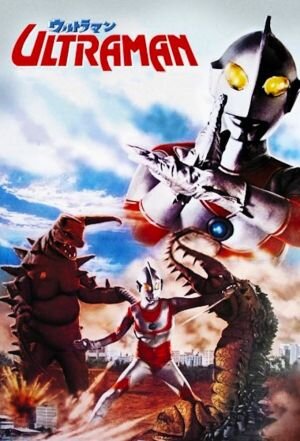
Ultraman1966
The spiritual ancestor of tokusatsu heroes. Ultraman established the template: colorful alien protector, practical suit work, monster-of-the-week structure, real miniature effects. Watching it shows you where Bioman's DNA comes from.
But It moves slowly by modern standards, and the early episodes can feel repetitive if you're not in the mood for episodic 1960s TV rhythm.
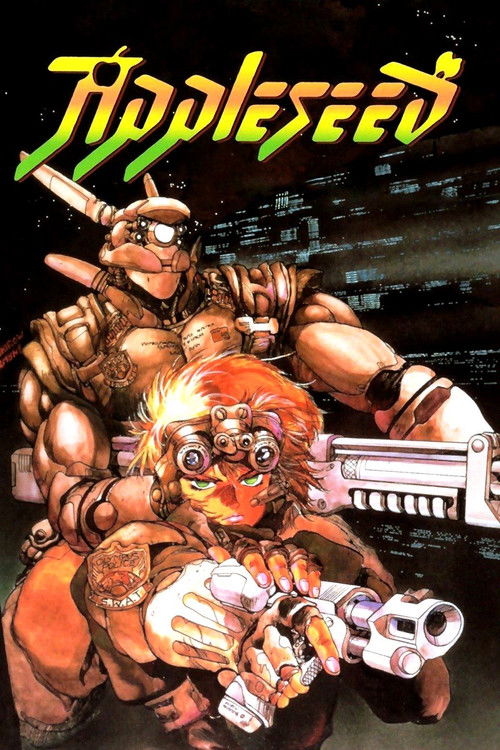
Appleseed1988
A cyberpunk anime action film from the late 80s with the same DNA: practical-looking effects work, colorful characters, earnest sci-fi worldbuilding, and relentless forward momentum. It shares Bioman's refusal to wink at its own sincerity.
But The animation quality varies and the plot can feel thin; it's about the visual spectacle and mood more than narrative substance.
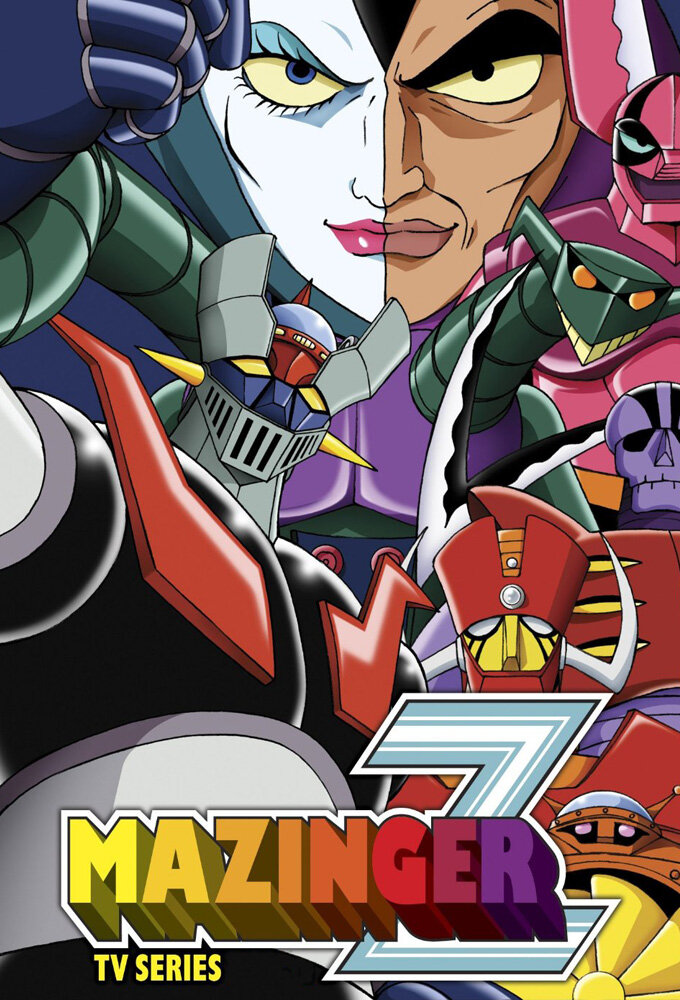
Mazinger Z1972
Giant robot action that shares Bioman's earnest sci-fi spirit and colorful world-building. The effects work and fight choreography influenced the entire tokusatsu movement. Foundational viewing for understanding where this aesthetic came from.
But It's a TV series from the early 70s, which means glacial pacing, frequent recaps, and production values that strain credibility even by tokusatsu standards.
Not sure tonight? Get a pick in a minute, starting from Choudenshi Bioman: The Movie
The wildcard
Something you would not have found on your own.
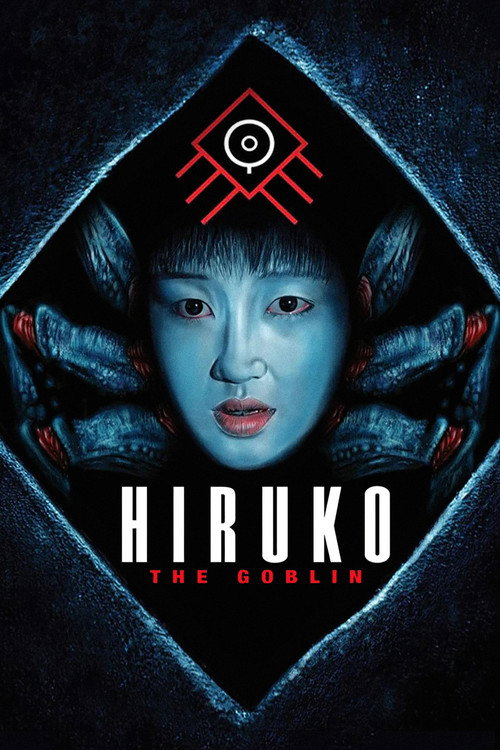
Hiruko the Goblin1991
Both films showcase Japanese practical effects craftsmanship at the same moment in history, but Hiruko uses those techniques to create nightmare fuel where Bioman creates wonder. Same tools, inverted registers.
Director Teruo Ishii's practical-effects horror film has the same tactile, handmade quality as Bioman—real costumes, real stunts, real miniatures—but inverts the tone completely. Instead of colorful hope, it's grotesque and unsettling. Shows how the same technical language can tell opposite emotional stories.
But It's genuinely disturbing and grotesque; this is body horror and weird sexuality, not family-friendly action. The tonal whiplash is part of the point, but it's not for everyone.
More like this (1)
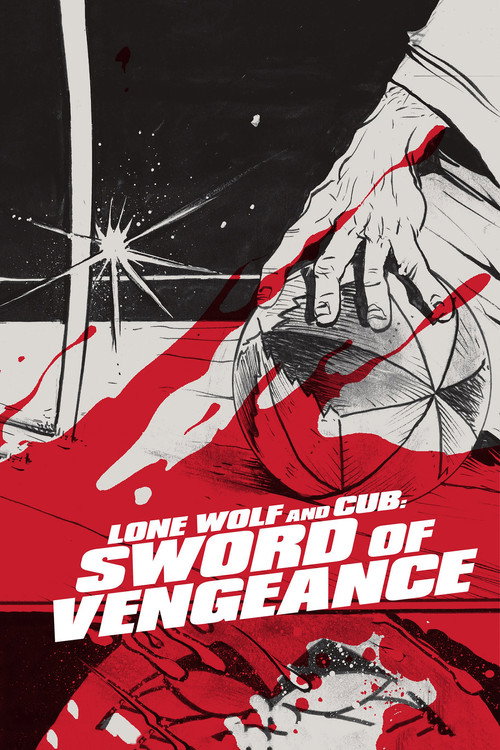
Lone Wolf and Cub: Sword of Vengeance1972
Both use 1970s-80s Japanese practical effects and stunt work, but Lone Wolf uses them to photograph grief and duty with tragic weight, where Bioman uses them for colorful heroism. Same technical vocabulary, opposite emotional language.
Japanese practical effects action with the same era's commitment to real stunts and blood, but photographed with genuine visual artistry and treating its subject matter—a father protecting his son—with deadly seriousness. Shows what tokusatsu techniques could do in a mature register.
But It's bleak, violent, and extremely unhurried. There's no humor, no lightness. If you want Bioman's bright earnestness, this is its dark opposite, and the pacing may feel glacial.
People
Cast
 Ryōsuke SakamotoShirō Gō / Red One
 Naoto ÔtaShingo Takasugi / Green Two
 Akito OsugaRyūta Nanbara / Blue Three
 Sumiko TanakaJun Yabuki / Yellow Four
- Michiko MakinoHikaru Katsuragi / Pink Five
- Munemaru KôdaDoctor Man
 Yûko AsukaFarrah
 Hirohisa NakataMason
- Strong KongoMonster
 Yukari ÔshimaFarrah Cat
 Yoshiko OhtaPeebo (voice)
- Shun YashiroMesserjuu (voice)
Directing
- Junji YamaokaAction Director
- Nagafumi HoriDirector
Writing
- Hirohisa SodaWriter
Production
- Moriyoshi KatōProducer
- Takeyuki SuzukiProducer
- Yasuhiro TomitaProducer
Recommended by
Kaizoku Sentai Gokaiger vs. Space Sheriff Gavan: The Movie, Tokusou Sentai Dekaranger: 10 Years After