
Film
Lensman
A 1984 Japanese anime adaptation of E. E. Doc Smith's foundational space opera, Lensman follows a farm boy who inherits a mysterious crystal artifact that grants him extraordinary powers. It's gorgeously animated, kinetic, and unapologetically earnest about cosmic destiny and intergalactic warfare. For anyone drawn to retro sci-fi aesthetics, practical animation craft, or the DNA of modern space adventure, it's a genuine artifact and a thrilling watch.
If you liked this
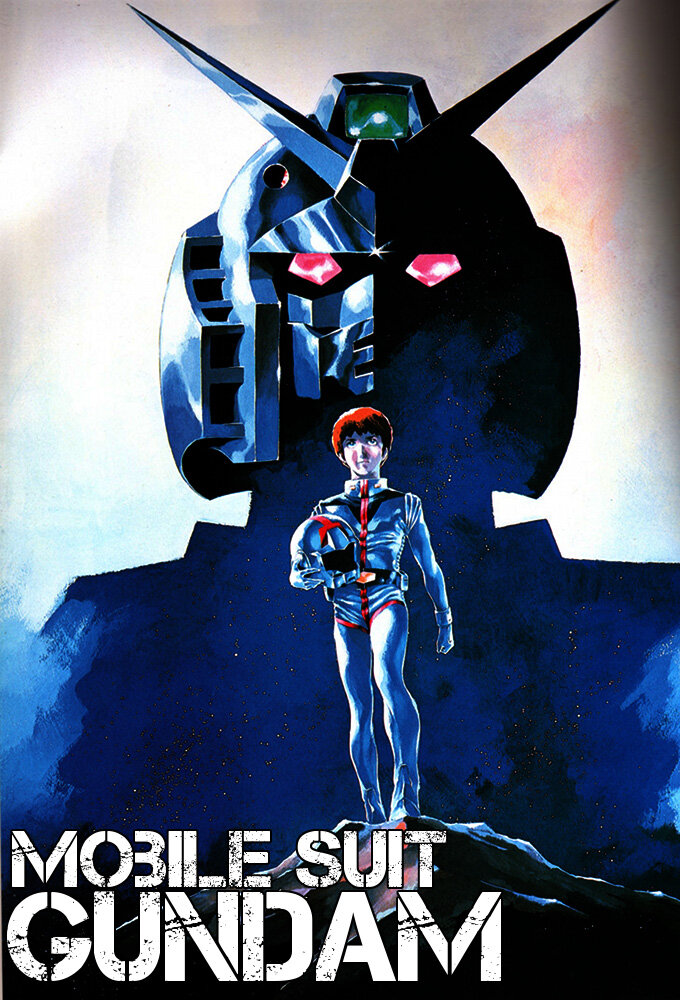
Mobile Suit Gundam1979
The pioneer of mecha anime with similarly gorgeous mechanical design, grand-scale cosmic conflict, and an ensemble cast learning to pilot experimental weaponry. It has the same sense of escalating stakes and world-building ambition.
But The TV series is long and episodic; pacing drags in stretches. Some combat repetition dulls the impact unless you're invested in the characters.
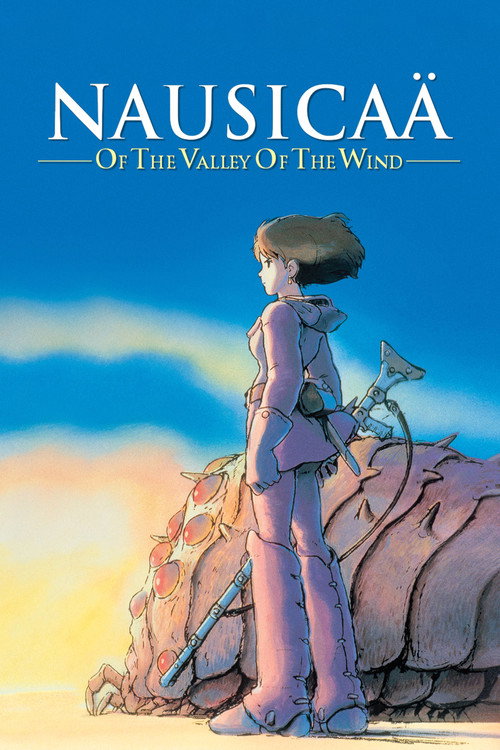
Warriors of the Wind1984
Released the same year, this Miyazaki masterpiece shares Lensman's commitment to hand-drawn spectacle, an ensemble of heroes with distinct skills, and a world-threatening antagonist that demands unity and sacrifice.
But It's far more emotionally grounded and contemplative. If you want constant action and cosmic wonder rather than introspection, this will feel slower and sadder.
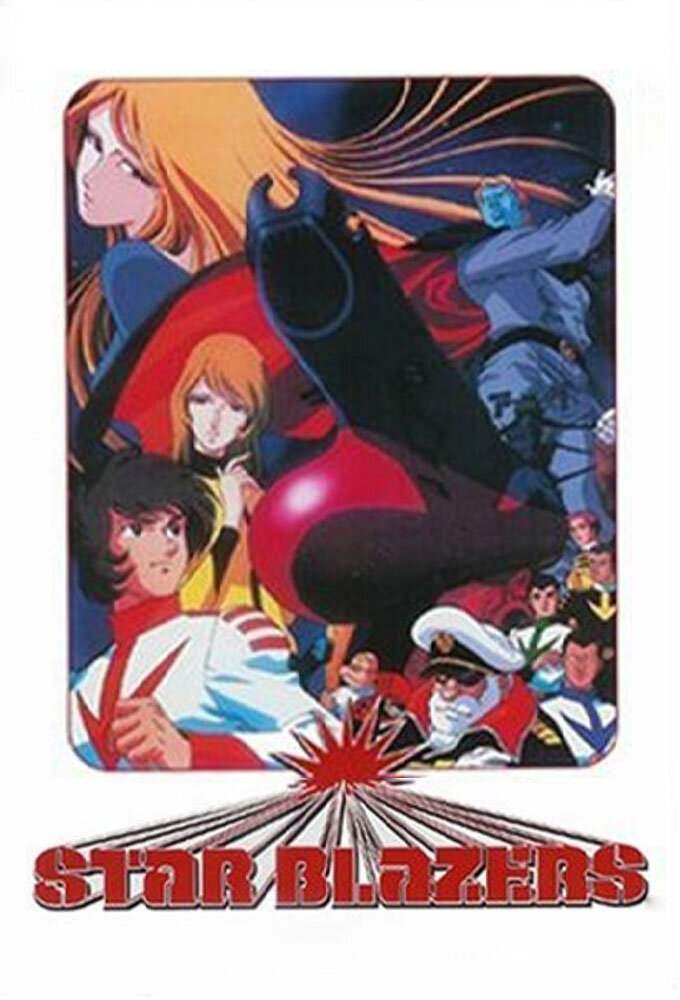
Star Blazers1974
The direct ancestor of anime space opera: serialized, ambitious, full of large-scale space battles and a crew on a desperate mission. It established the template Lensman follows with energy and sincerity.
But The animation quality varies significantly across the series, and some episodes feel dated even by 1970s standards. You'll need patience with pacing.
Not sure tonight? Get a pick in a minute, starting from Lensman
The wildcard
Something you would not have found on your own.
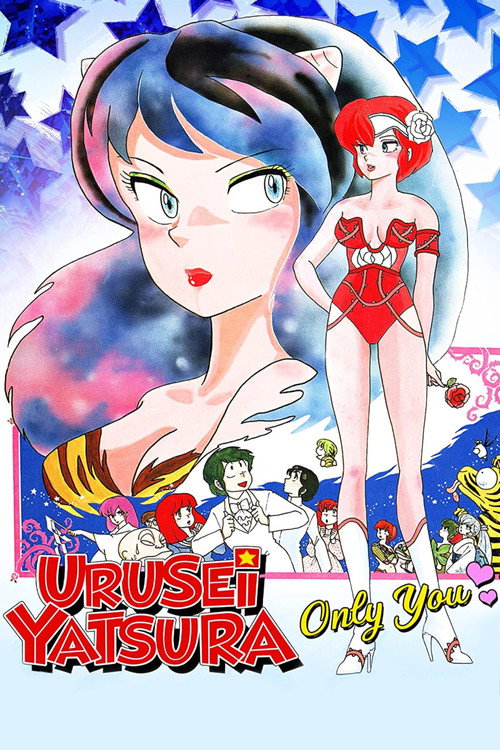
Urusei Yatsura: Only You1983
Same era, same animation techniques, same cultural moment—but proves that animation's visual sophistication had nothing to do with scale or seriousness of subject matter. A reminder that craft transcends genre.
A romantic comedy anime from the year before Lensman that uses the same animation studio techniques and practical craft, but in an entirely different register. Watching both shows how much anime's visual language in the 1980s could do—and how much tone matters.
But It's a romantic romp about a lovestruck layabout, not cosmic conflict. If you want grand stakes and heroic adventure, this is deliberately frothy and domestic.
More like this (6)
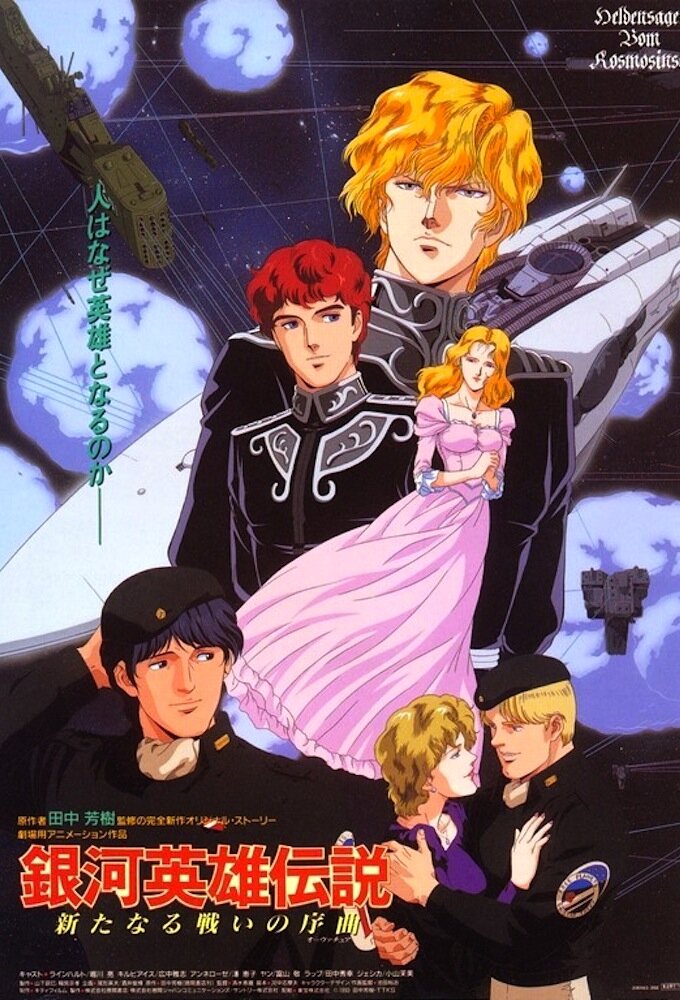
Legend of the Galactic Heroes1988
An epic space opera with vast fleets, political intrigue, and a sweeping narrative that spans years. It has intellectual heft and strategic depth alongside its action sequences and strange-world wonder.
But It's a massive commitment—110 episodes across multiple seasons. The early OVA animation is stiff, and it prioritizes cerebral storytelling over action thrills.
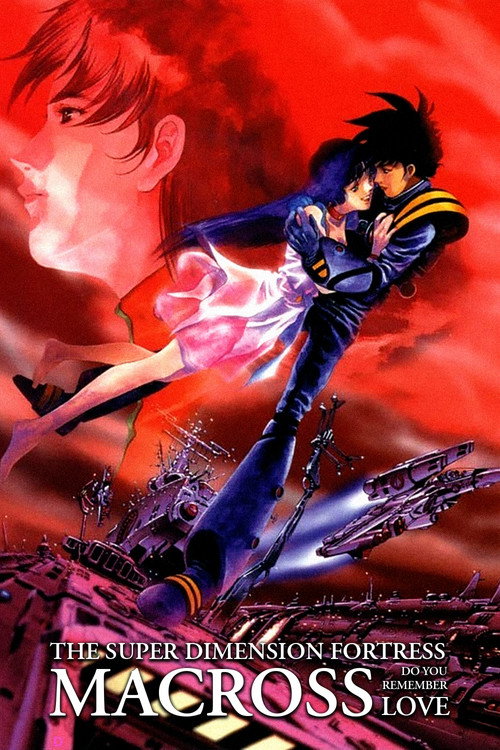
Macross: Do You Remember Love?1984
Another 1984 anime with spectacular animation, a space war backdrop, and a ragtag crew discovering their larger role in a galactic conflict. The aerial dogfighting sequences are stunning and the scale feels epic without losing intimacy.
But It's a standalone film that assumes some Macross familiarity; newcomers may feel adrift in the emotional beats. Romance subplot divides viewer enthusiasm.
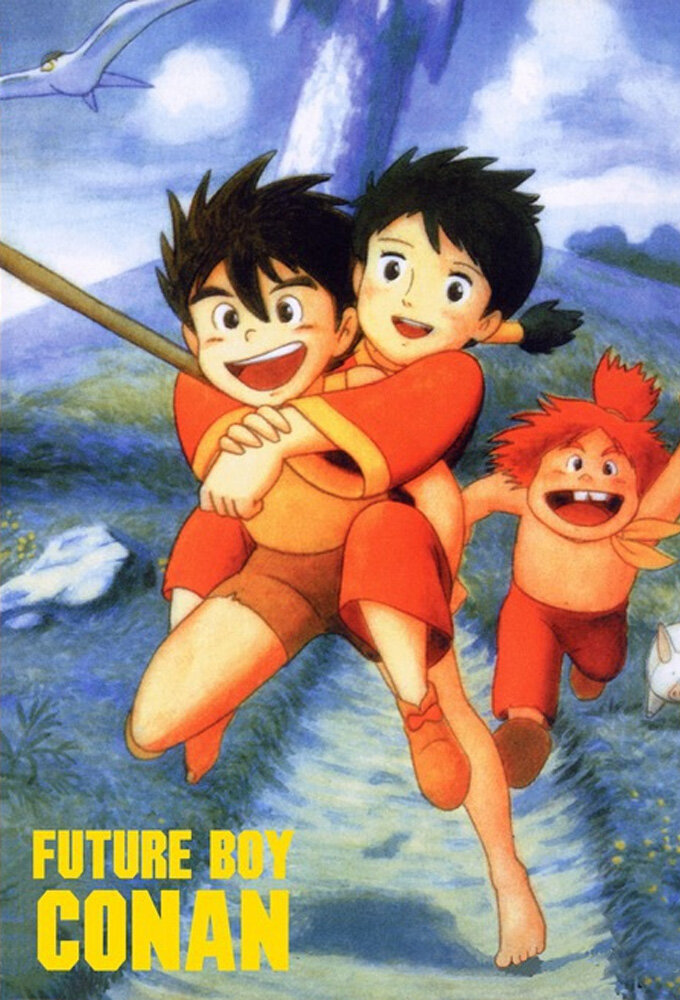
Mirai Shounen Konan1978
Hayao Miyazaki's TV series about a young outsider discovering hidden powers and joining a crew on a world-threatening adventure. It has Lensman's earnest optimism and sense of discovery, with beautiful character work.
But It's set in a post-apocalyptic, low-tech world rather than space. Some episodes are meandering slice-of-life that slow momentum.
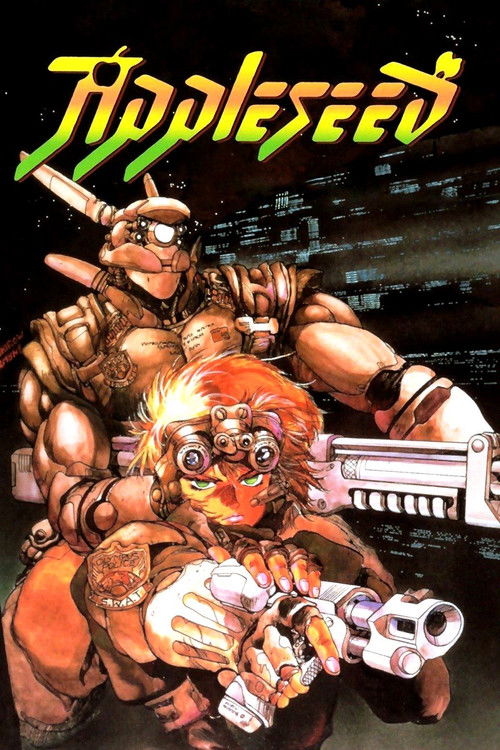
Appleseed1988
A CG and hand-drawn hybrid set in a futuristic city under threat, with crisp action sequences and a team of specialists working together against an existential enemy. It captures similar visual innovation and technological wonder.
But The story is thin and the emotional stakes are abstract. Character development is sacrificed for spectacle and worldbuilding.
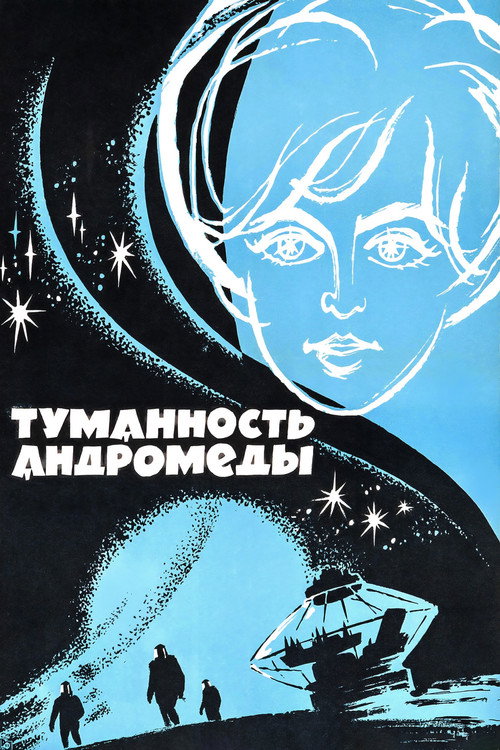
Andromeda Nebula1967
Both are adaptations rooted in the same 1930s-1950s source material, separated by animation revolution. Seeing the DNA adapted across media and decades shows how story endures and transforms.
A Soviet live-action space opera from 1967 that adapted the same E. E. Doc Smith literary universe Lensman draws from. It's visually stunning, earnest about cosmic wonder, and shows how the same source material looked before anime. A time-travel experience.
But The pacing is glacial by modern standards; it's genuinely slow. Live-action 1960s Soviet sci-fi has a particular aesthetic that feels very of its moment, which some find tedious rather than charming.
Promare2019
Direct artistic lineage: Lensman pioneered the anime space opera template; Promare inherited it and pushed visual ambition to maximum without abandoning core values of earnest heroism and ensemble adventure.
A modern anime from Studio Trigger that captures Lensman's exuberant energy, cosmic-scale conflict, and ensemble heroism, but with contemporary animation technology and pure visual maximalism. It's what Lensman's spiritual descendant looks like four decades later.
But It prioritizes visual spectacle over narrative clarity; the plot is deliberately secondary to the visceral experience. If you need a coherent story, the relentless style will overwhelm you.

People
Cast
 Toshio FurukawaKimball Kinnison (voice)
 Mami KoyamaClarissa MacDougall (voice)
 Chikao OhtsukaPete Van Buskirk (voice)
 Nachi NozawaWorsel (voice)
 Katsuya KobayashiDJ Bill (voice)
 Seizo KatoLord Helmuth (voice)
- Eiji KanieNarrator (voice)
 Hidekatsu ShibataPort Admiral Haynes (voice)
 Koji YadaGreedle (voice)
 Takeshi AonoLaVerne Thorndyke (voice)
 Masaharu SatoHenry Henderson (voice)
- Yasuo TanakaBlakeslee (voice)
Directing
- Kazuyuki HirokawaDirector
- Yoshiaki KawajiriDirector
Writing
- Edward E. SmithNovel
- Soji YoshikawaWriter