
Film
Battle in Outer Space
A 1959 Japanese space opera where Earth's nations unite against alien invaders weaponizing gravity rays from orbit. Toho's spectacular cold-war-era answer to American sci-fi, all miniature dogfights, earnest internationalism, and retro-futurist hardware. It's campy by accident and thrilling on purpose—a time capsule of optimistic, wide-eyed space-age cinema that moves fast enough you won't mind the subtitles.
Should you watch it?
Watch it if you love 1950s Japanese monster-era science fiction, with glossy model-work space battles, earnest scientists and a cheerfully old-fashioned belief that the world can unite against invaders.
Skip it if you want sleek modern effects or fast, tight plotting, since the dialogue is stilted, the pace is leisurely and the spectacle is clearly a studio-era model set.
What it asks of you: Ninety minutes of patience with talky council meetings before the fleets finally clash, watched with an open mind toward dated effects and a cheerfully earnest tone.
Not sure? Find tonight's pick in a minute.
If you liked this
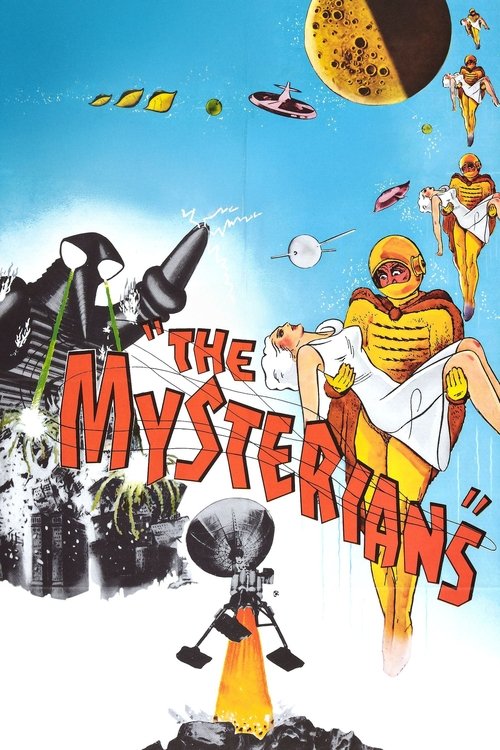
The Mysterians1957
The film that established Toho's alien-invasion universe, with the same heroine and the same practical-effects spectacle. A direct predecessor that deepens appreciation for this sequel's larger-scale warfare.
But Slower pacing and more romantic subplot than Battle in Outer Space—some find the 1950s gender dynamics dated and the dialogue occasionally stilted.
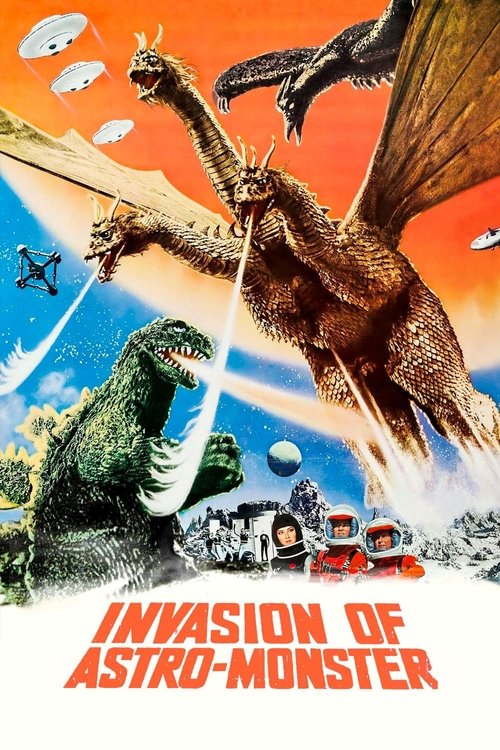
Invasion of Astro-Monster1965
Toho's final alien-invasion film in this cycle, with Godzilla arriving to fight invaders from Planet X. Same miniature craftsmanship, same earnest ensemble cast, escalated stakes and sheer spectacle.
But The monster sequences feel disconnected from the space-war plot; some sequences drag before the climax arrives.
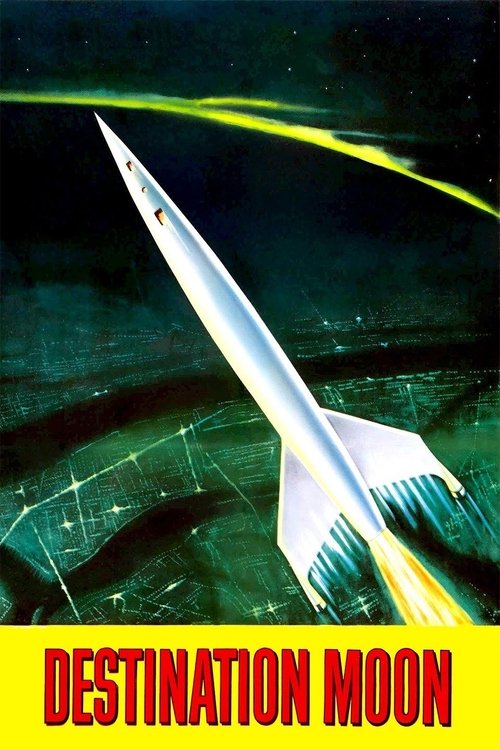
Destination Moon1950
An American space-travel classic with serious hard-sci-fi credentials and meticulous production design. No aliens, just humanity's ambition and the physics of getting there—the technical ancestor of everything in Battle in Outer Space.
But Deliberately slow, heavy on exposition and technical detail. The dramatic conflict is understated to the point of flatness for modern viewers.
Not sure tonight? Get a pick in a minute, starting from Battle in Outer Space
The wildcard
Something you would not have found on your own.
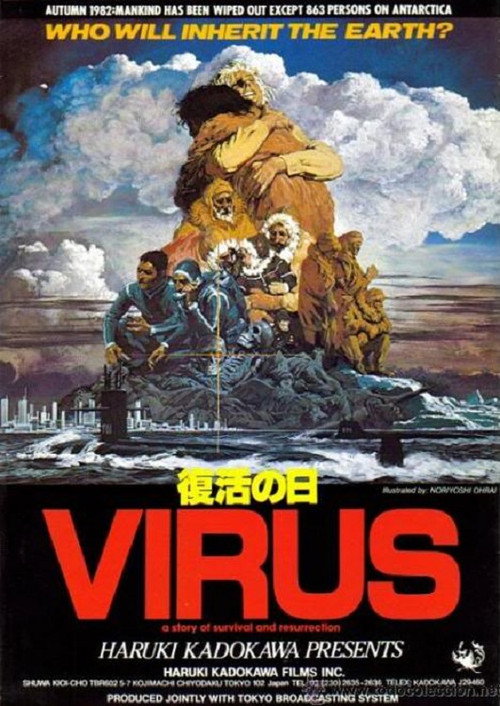
Virus1980
Identical theme: global cooperation against cosmic invasion. Where Battle in Outer Space plays it as heroic adventure, Virus treats it as apocalyptic nightmare. Same structure, opposite register.
A catastrophe film where humanity must unite against an extinction-level threat from space—same ideological DNA as Battle in Outer Space, but made in 1980 with a massive budget, international ensemble cast, and actual gravitas. The grown-up version of the same story.
But Bleak, slow-burn tone that never allows for the fun of the spectacle. Over two hours long and deliberately unglamorous about human suffering. The film is serious in ways that drain entertainment.
More like this (7)
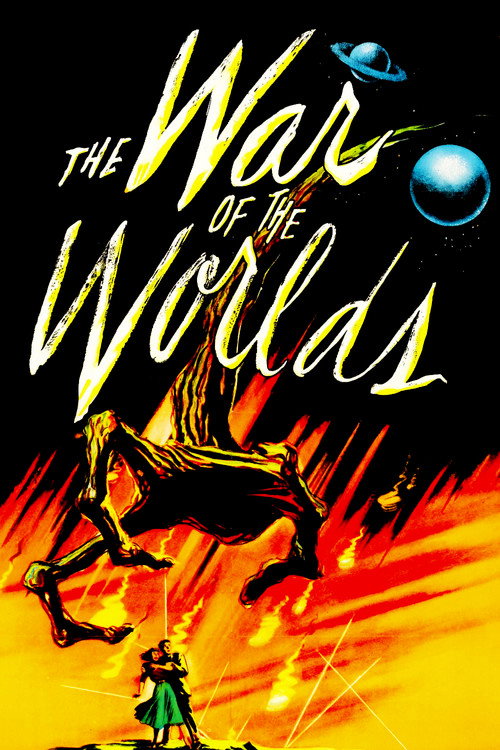
The War of the Worlds1953
Paramount's answer to invasion sci-fi: superior American effects, sweeping orchestral score, and genuine menace. The template against which Toho's film measures itself.
But The gender roles are suffocatingly backward, even by 1950s standards. The science is dated and the pacing deliberately stately.
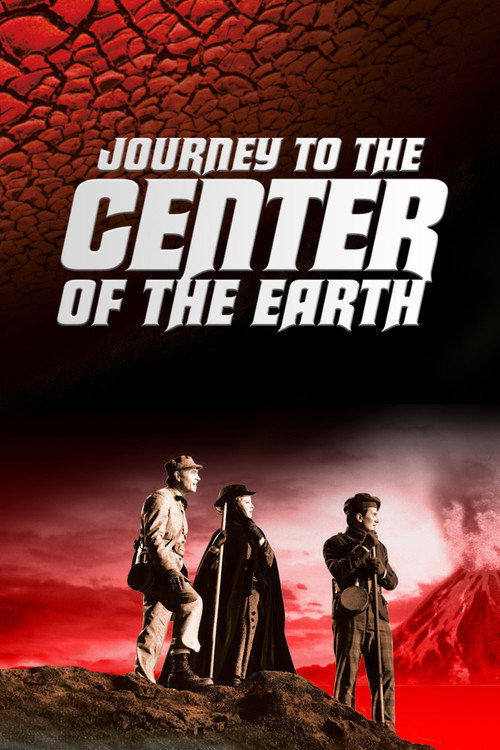
Journey to the Center of the Earth1959
Released the same year, another Toho adventure with the same earnest spirit, practical sets, and international cast working together. More exploration, less warfare, but the same thrilling miniature sequences.
But Episodic structure means it meanders between set pieces. Less focused narrative drive than Battle in Outer Space.
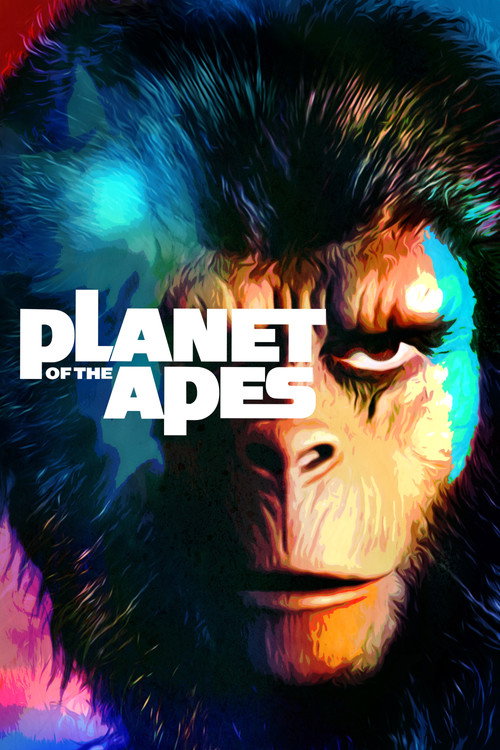
Planet of the Apes1968
A space-travel premise that inverts the alien-invasion story into something far stranger. Exceptional practical makeup, strong ensemble acting, and a twist that rewards investment in the plot.
But The middle hour is slow, philosophical character drama that derails momentum. Some find the social commentary heavy-handed.
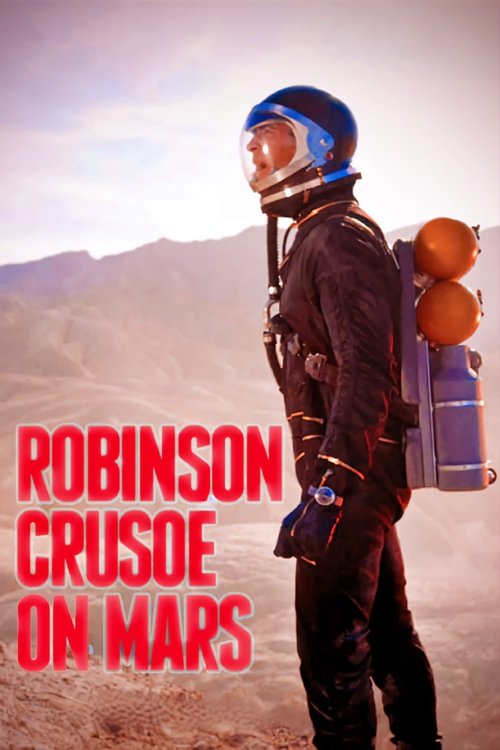
Robinson Crusoe on Mars1964
Late-period sci-fi survival story with genuine technical ambition and surprising emotional depth. A cleaner, tighter narrative than most space operas of the era.
But Minimal action, long stretches of one man alone on a desert. More meditation than adventure, which will frustrate those seeking spectacle.
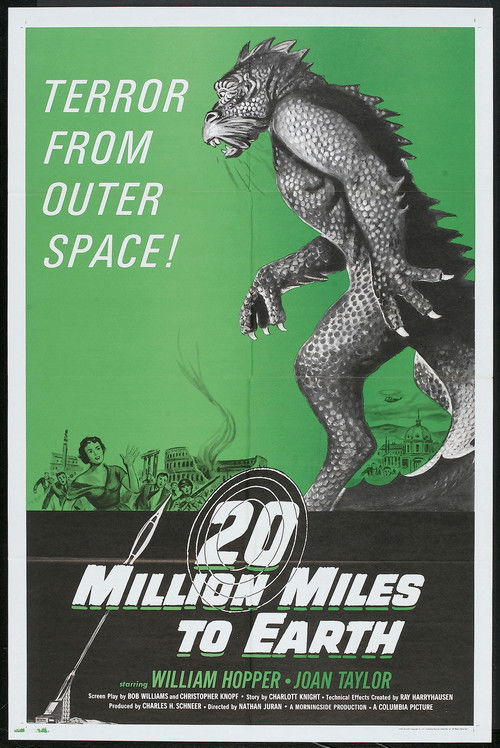
20 Million Miles to Earth1957
Ray Harryhausen stop-motion monster returning from Venus to wreak havoc. Practical effects craftsmanship from an absolute master, brisk pacing, and genuine sense of scale and menace.
But The human characters are thinly written and the film is short enough that the monster barely appears until the final act.
The Hidden World1958
Obscure Toho effort with imaginative production design and the same practical-effects philosophy as Battle in Outer Space. Rewards discovery if you've exhausted the studio's better-known titles.
But Genuinely difficult to track down, English dubbing is rough, and the plot is genuinely incoherent in spots. A completist's pick, not a starting point.

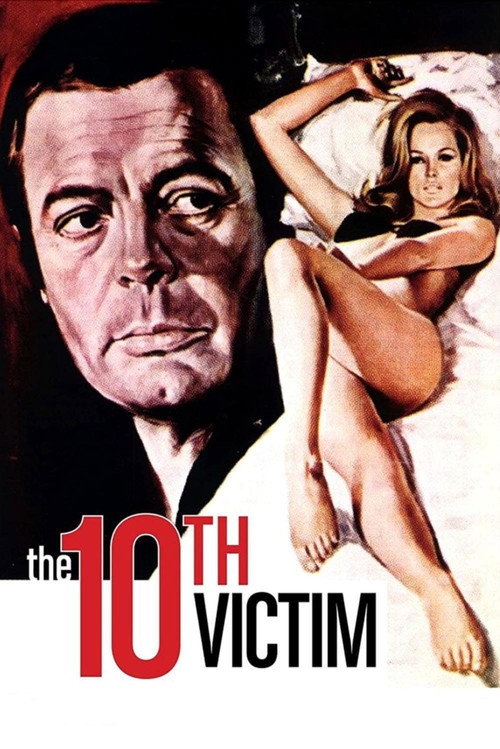
The 10th Victim1965
Both are products of their era's sci-fi visual imagination, but where Battle in Outer Space is all earnest confidence in the future, The Tenth Victim is decadent, ironic, and almost disgusted by the same future. A shadow film that rejects everything the original celebrates.
An Italian sci-fi pop-art fever dream where the future is a game show and violence is entertainment—made five years after Battle in Outer Space by someone who watched 1950s space operas and asked 'what if none of this mattered?' Gorgeous, surreal, wildly inventive production design that makes Toho's sets look earnest by comparison.
But Genuinely surreal and abstract. No plot momentum, purely aesthetic and thematic. Some will find it pretentious, others baffling. It asks you to surrender to mood instead of narrative.
People
Cast
 Koreya SendaProfessor Adachi
 Ryō IkebeMajor Ichiro Katsumiya
 Kyōko AnzaiEtsuko Shiraishi
 Yoshio TsuchiyaIwomura
- Leonard StanfordDr. Roger Richardson
- Harold ConwayDr. Immerman
 Hisaya ItoKogure
 Minoru TakadaThe Commander
 Nadao KirinoGravity Man
 Fuyuki MurakamiInspector Iriake
- Malcolm PearceDr. Achmed
- Leonard WalshThomas Sheldon
Directing
- Koji KajitaAssistant Director
- Ishirō HondaDirector
Writing
- Shinichi SekizawaScreenplay
- Jōjirō OkamiStory
Production
- Tomoyuki TanakaProducer
- Yasuaki SakamotoProduction Manager
Recommended by
Go Go Kamen Rider, Invasion of the Neptune Men, Prince of Space, Spectreman