
Film
The Hidden World
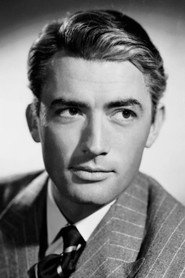
A lyrical 1958 documentary that transforms the insect world into high drama. Gregory Peck's measured narration guides you through close-up cinematography of beetles, ants, and spiders—creatures rendered monumental and genuinely alien. It's pure wonder delivered in thirty minutes, for anyone who's ever stopped to really look at something small.
If you liked this
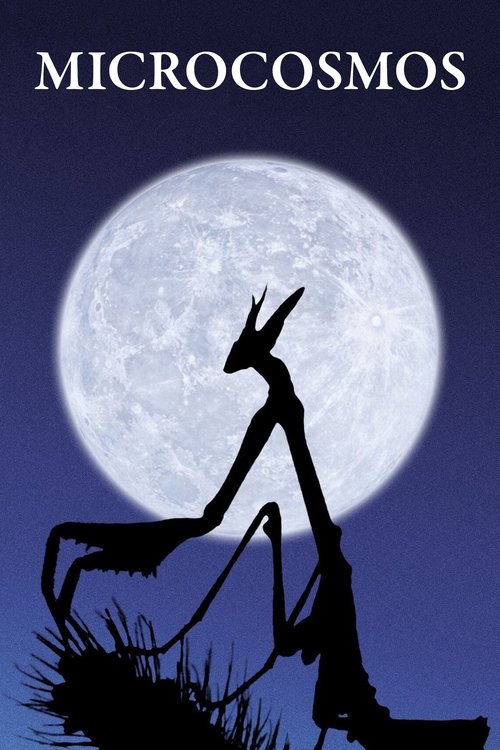
Microcosmos1996
A French documentary that does for insects what The Hidden World pioneered: stunning macro photography that makes tiny creatures feel epic and profound. No narration, just music and visuals that speak for themselves.
But The lack of narrator guidance means you're reading the images rather than being guided through them. Some find it meditative; others find it shapeless.
Life2009
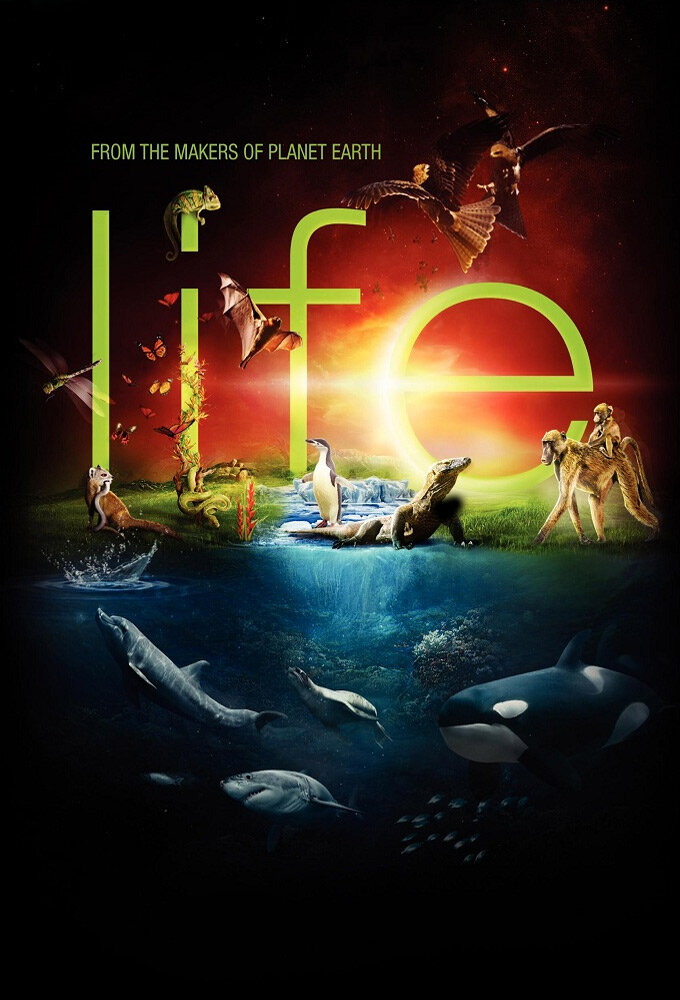
David Attenborough's BBC series with cutting-edge cinematography that makes nature footage from 2009 look like it's from tomorrow. The insect episodes specifically rival anything in cinema for sheer visual wonder.
But At ten hours across the full series, it's a serious time investment. Some episodes drift toward the melancholy side of nature documentary.
Winged Migration2001
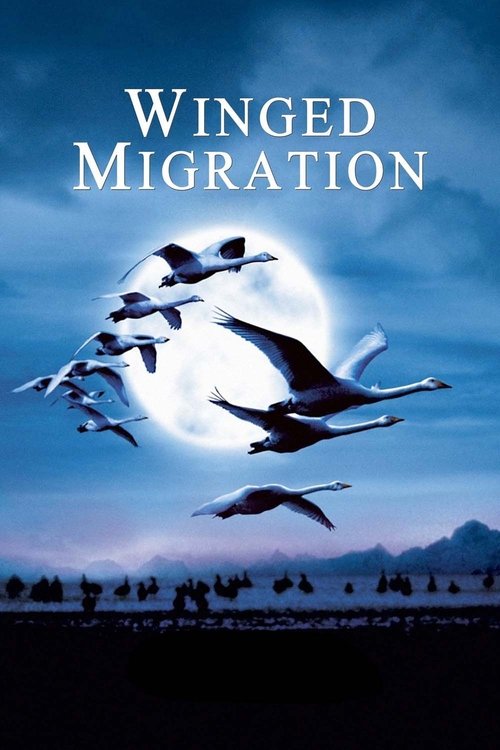
Another visual poem, this one tracking bird migration across continents. Shot over four years with no narration, just Radiohead-adjacent music and breathtaking cinematography that makes you feel airborne.
But The slowness is intentional and meditative—impatient viewers will find it glacial. There's minimal plot or narrative throughline.
Not sure tonight? Get a pick in a minute, starting from The Hidden World
The wildcard
Something you would not have found on your own.
Begone Dull Care1949
Both are visual poetry pretending to be technical exercises. Both trust that beauty and precision are enough.
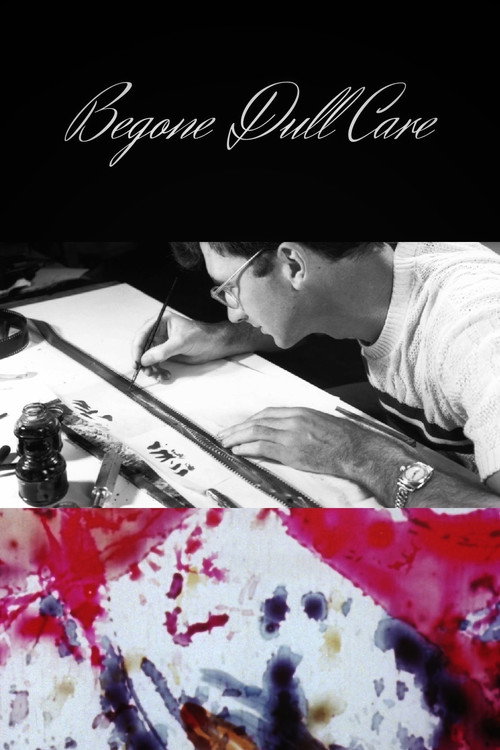
An abstract animated film set entirely to Oscar Peterson's jazz. Nothing to do with insects, but it shares The Hidden World's core engine: taking something invisible (music, the tiny) and making it visible through virtuoso technique.
But It's pure abstraction—no narrative, no representation. If you're watching documentaries to learn facts, this will feel like a provocation rather than a film.
More like this (6)
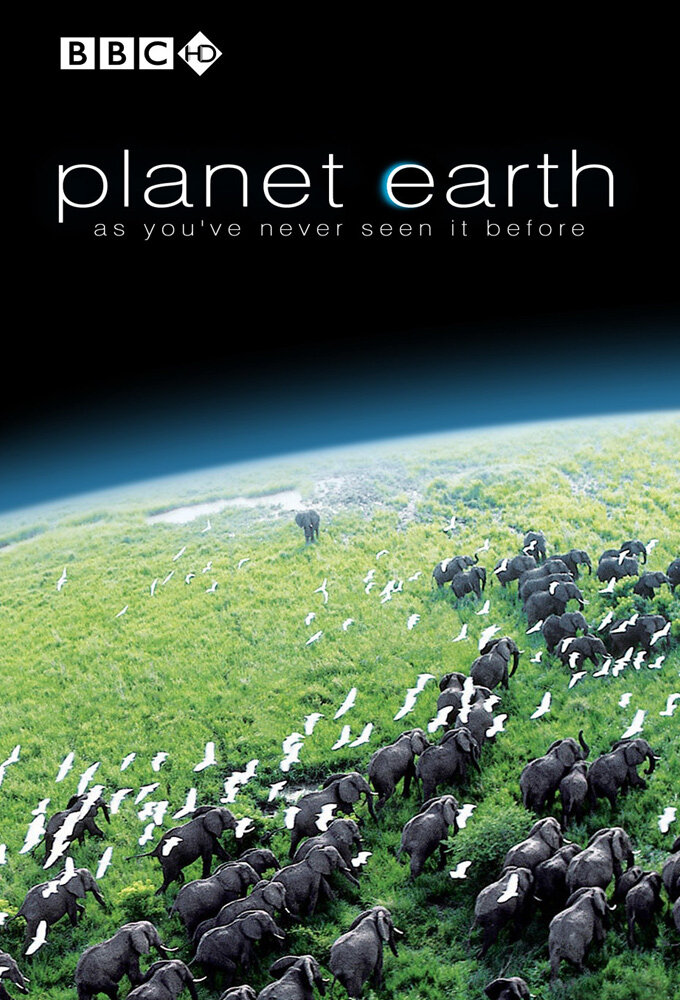
Planet Earth2006
Attenborough again, but here with a planetary scope. The production values are staggering and the insights into how different ecosystems work will rewire how you see the natural world.
But It's so slick and scored that it sometimes feels more like nature as spectacular than nature as revelation. Some find it overwhelming rather than intimate.
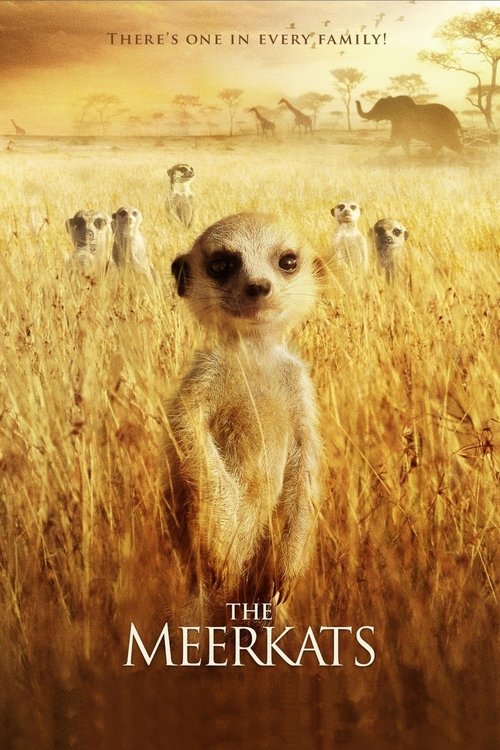
The Meerkats2008
A focused, character-driven nature documentary that follows one family of meerkats over a year. Feels like a narrative film with real stakes, rather than a nature lecture.
But The anthropomorphizing will bother anyone allergic to cute-animal storytelling. At ninety minutes, it's longer than you might expect for 'meerkat movie.'
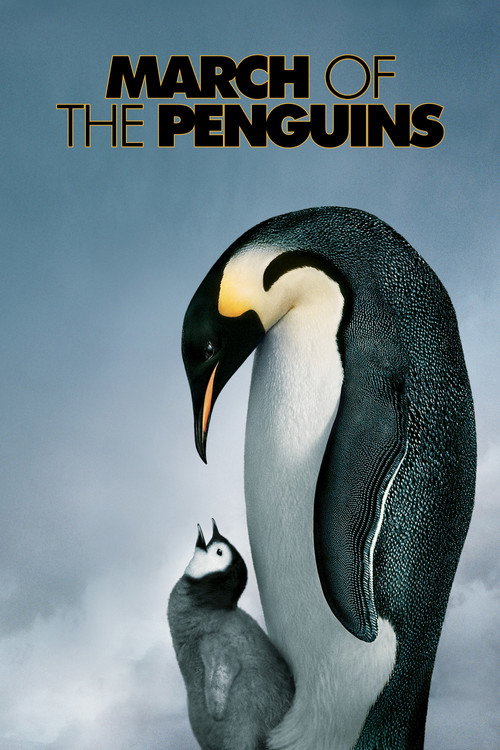
March of the Penguins2005
A tight, thrilling account of Emperor penguins' annual migration. Despite the famous Morgan Freeman narration, it earns its drama—these are genuine stakes, gorgeously filmed.
But The Disneyfication is real, and the narration occasionally strains for emotion. The climate themes didn't age into being subtler.
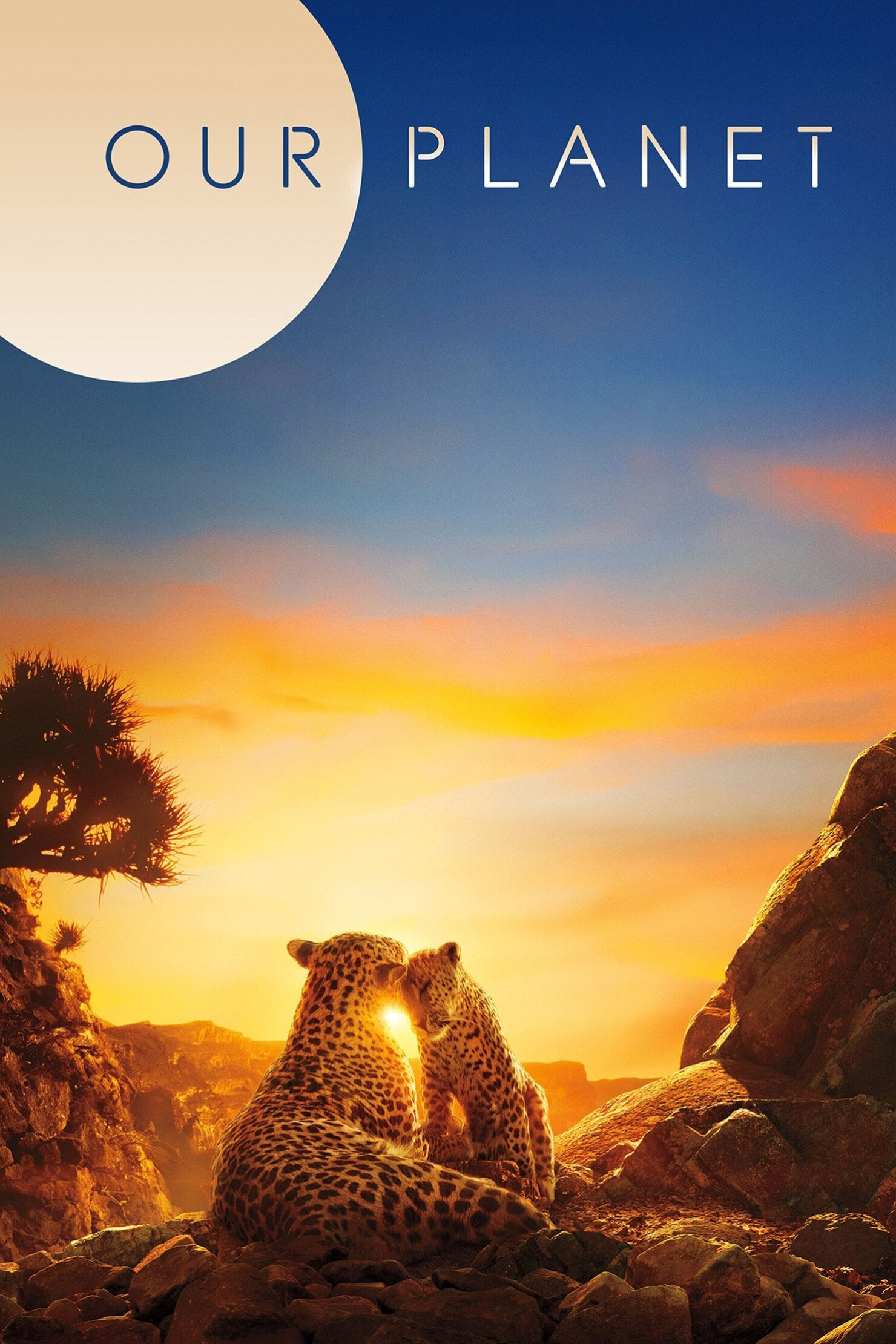
Our Planet2019
Attenborough one more time, with even more ambitious cinematography. The insect episodes are extraordinary, and the environmental angle gives the beauty a weight it didn't always have before.
But The climate message can feel heavy-handed. If you're looking purely for escape and wonder, the subtext occasionally overwhelms the visuals.
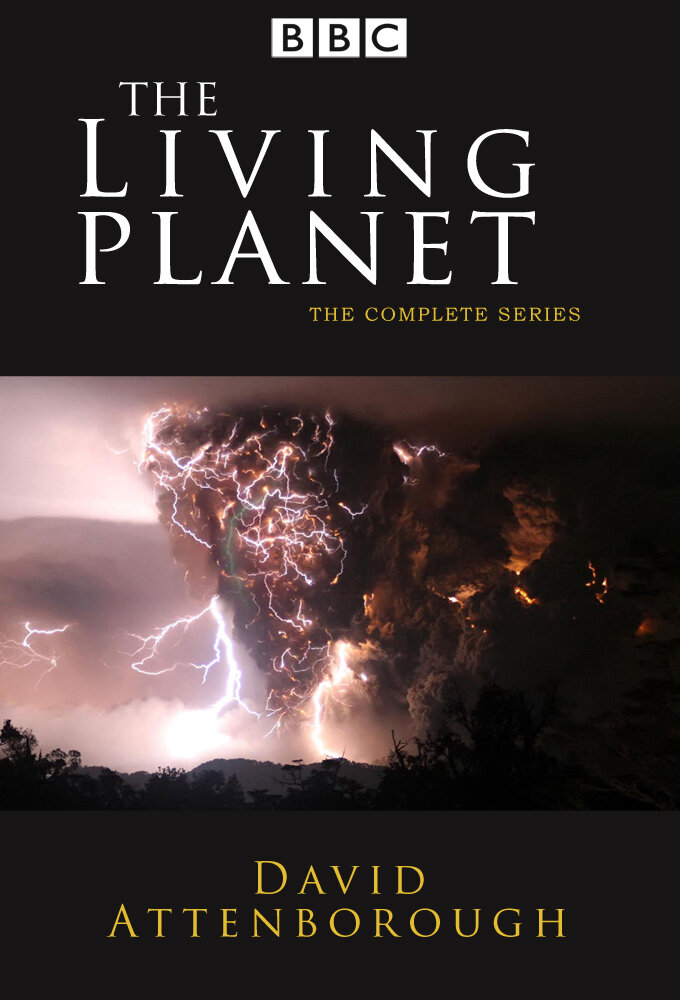
The Living Planet1984
The OG Attenborough series, and it holds up remarkably well. Less glossy than modern documentaries, which somehow makes the footage feel more like discovery and less like broadcast spectacle.
But The production values are dated by design. Some animal behavior science has been updated since 1984, which will annoy pedants.
Koyaanisqatsi1983
Both trust the viewer to find meaning in pure visual information. Both are structured like music rather than essays. Both assume you have time and attention.
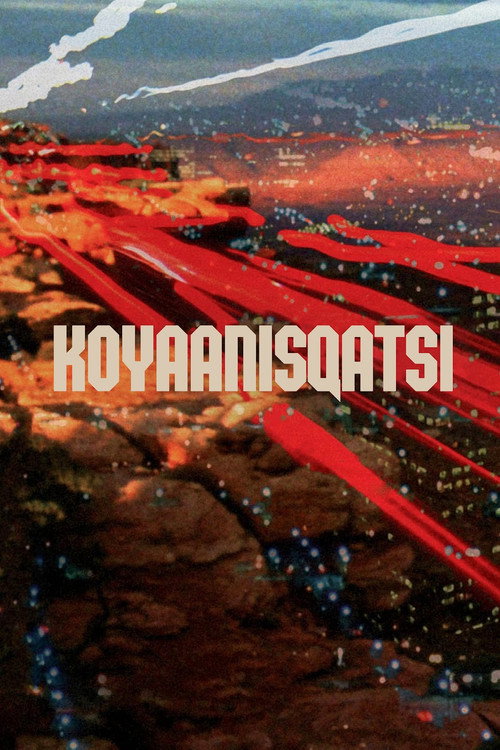
A visual symphony of time-lapse cinematography (cities, nature, landscapes) set to Philip Glass's hypnotic score. No dialogue, pure image and music. It's the spiritual heir to what The Hidden World was attempting: revelation through technique.
But It's seventy-five minutes of wordless abstraction. The repetitive score will either entrance you or grind you down. Some see profundity; others see pretension.
People
Cast
 Gregory PeckNarrator
Directing
- Robert H. CrandallDirector
Production
- Robert SnyderProducer