
Film
Begone Dull Care
- Animated musical
- Light-hearted
A seven-minute burst of pure visual jazz. Evelyn Lambart and Norman McLaren painted directly onto film stock, creating a cascade of colours and shapes that dance with Oscar Peterson's trio. It's hypnotic, optimistic, and moves like nothing else—a reminder that animation doesn't need characters or stories, just rhythm and nerve.
Should you watch it?
Watch it if you love seeing paint and colour dance in step with a jazz rhythm, and you enjoy abstract art that moves like music rather than telling a story.
Skip it if you need characters, dialogue or a plot to hang on to, since this is pure visual rhythm with no narrative to follow.
What it asks of you: Eight minutes, and it flickers and shifts quickly, so it wants your eyes fixed on the screen rather than your attention drifting to a phone.
Not sure? Find tonight's pick in a minute.
If you liked this
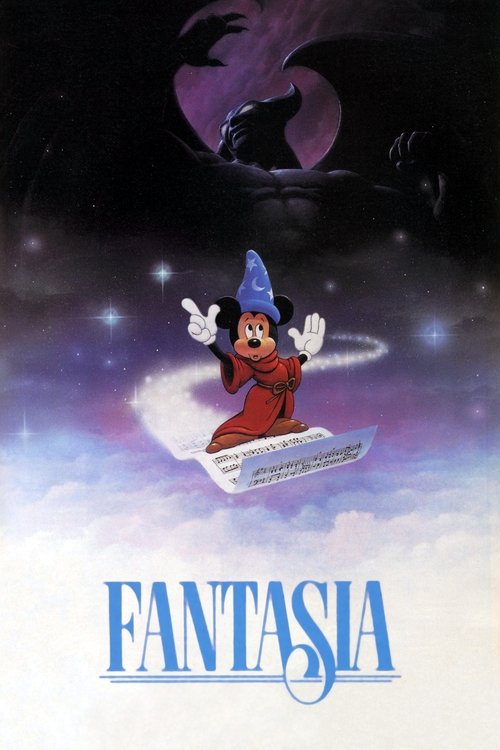
Fantasia1940
Disney's first attempt at wedding classical music to abstract visuals. Less successful than Begone Dull Care, but it asks the same question: what does Stravinsky look like when you animate it?
But Ninety minutes of concert film can feel didactic. Some sequences date poorly; the centaur section in particular is uncomfortable.
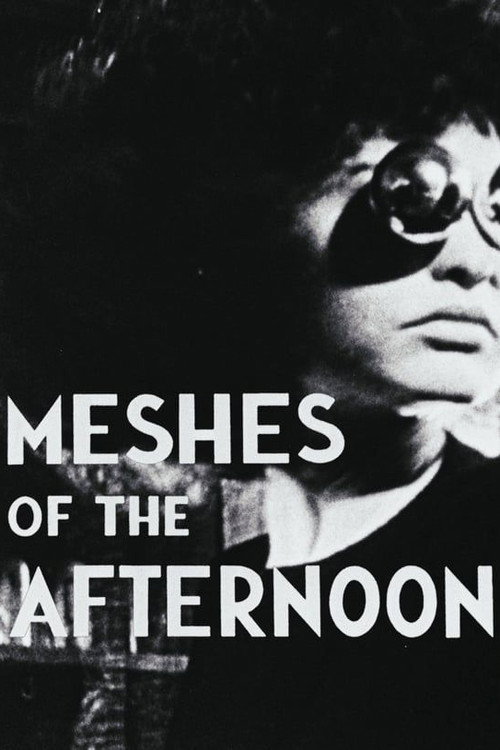
Meshes of the Afternoon1943
Maya Deren's twelve-minute experimental film uses repetition and music to create trance-like momentum. Surreal without being narrative; purely cinematic language, like Begone Dull Care in black and white.
But Very slow, very strange, and absolutely refuses to explain itself. Not a film you sit back and watch—you have to lean into it.
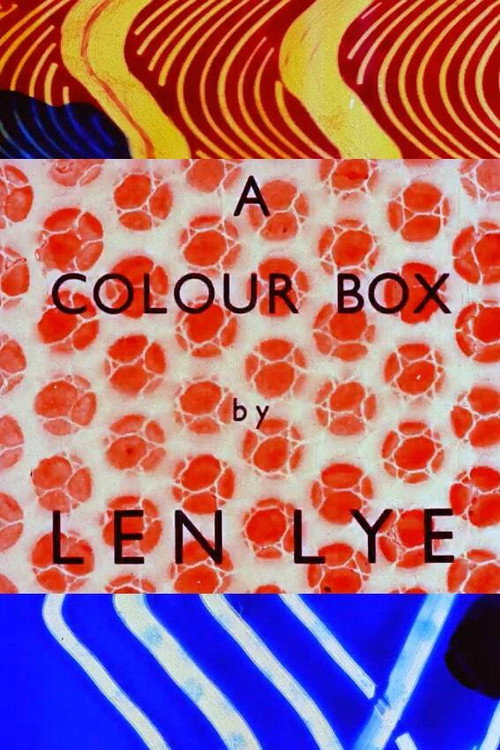
A Colour Box1935
Len Lye's pioneering direct-animation film, made by painting and scratching onto raw stock. The grandmother of what Begone Dull Care becomes. Pure colour meets syncopated music in four minutes of joy.
But The colour fades and shifts; the recording is tinny. Historical artifact first, visceral experience second.
Not sure tonight? Get a pick in a minute, starting from Begone Dull Care
The wildcard
Something you would not have found on your own.
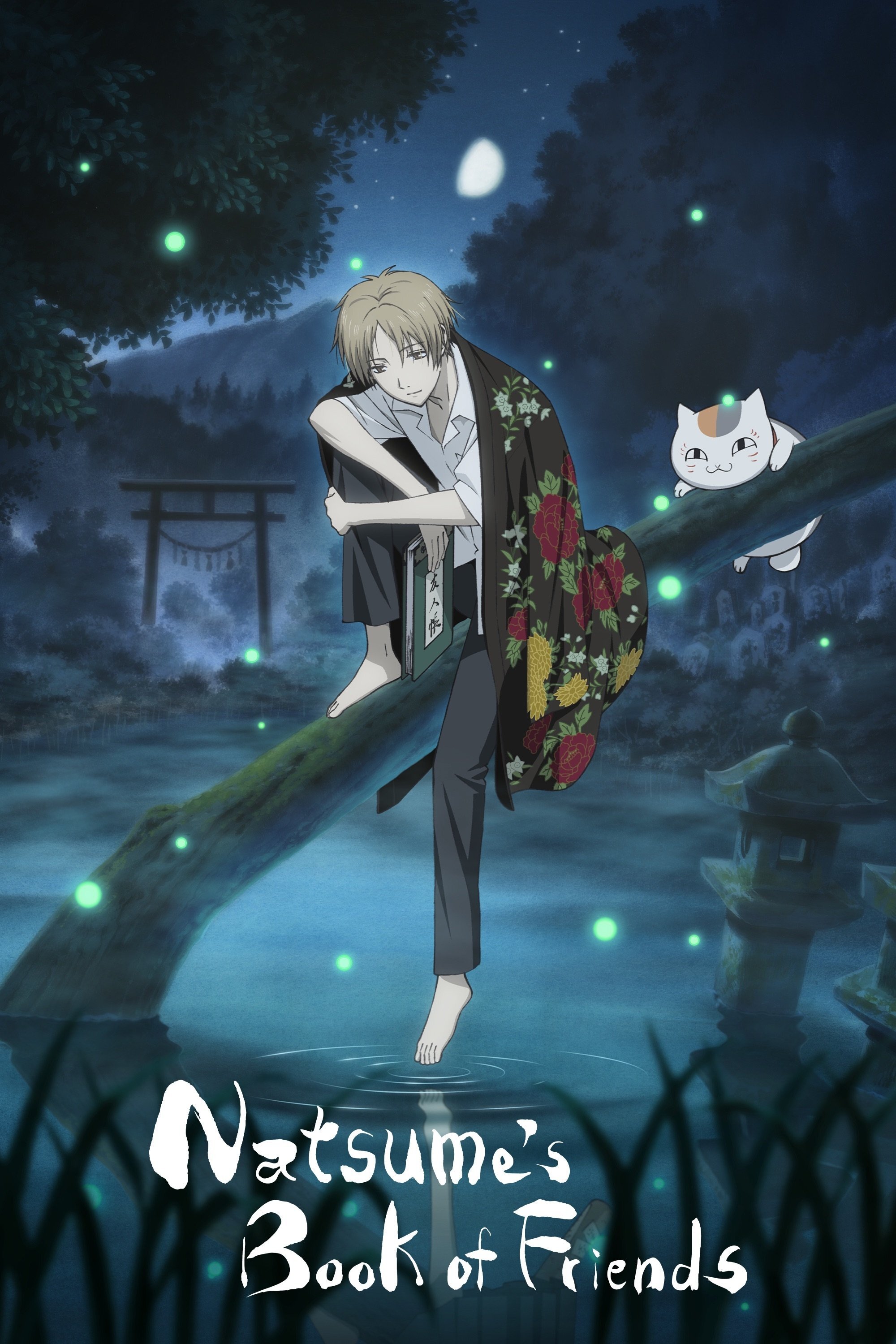
Natsume's Book of Friends2008
Both trust animation to convey feeling without relying on narrative momentum. Begone Dull Care does it in eight minutes through abstraction; Natsume does it across twenty-four episodes through constraint and quietness.
A quiet Japanese supernatural series about collecting and connecting with spirits. Not visual maximalism—the opposite. Each episode moves with the same patient rhythm, letting mood and sound design do the heavy lifting that Begone Dull Care does through colour. Animation that breathes.
But It's deliberately slow and low-stakes. Nothing resembles plot drama; cumulative atmosphere is all. If you need conflict and resolution, this will feel like nothing happening for thirty minutes at a time.
More like this (4)
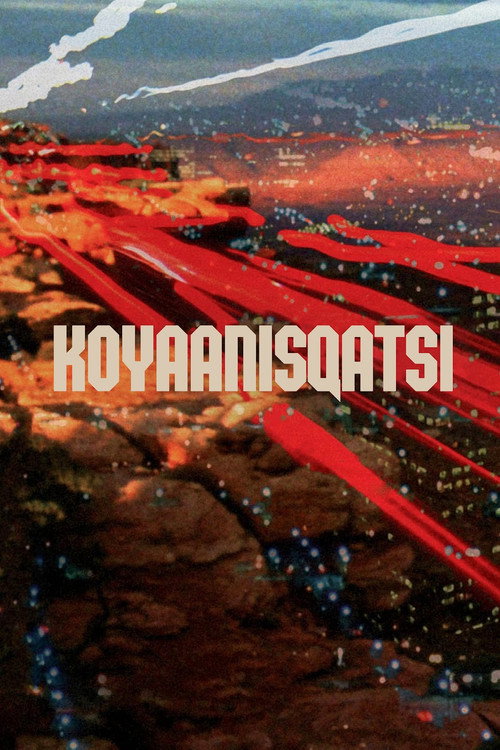
Koyaanisqatsi1983
Feature-length visual symphony without dialogue. Philip Glass's score and Ron Fricke's time-lapse cinematography create the same hypnotic rhythm Begone Dull Care achieves in eight minutes. Mesmerizing and architectural.
But It's a mood piece with no argument. Some find it glacial; others find it pretentious. Nothing happens except transformation.
Synecdoche, New York2008
Charlie Kaufman's film is formally chaotic and visually overwhelming—like Begone Dull Care stretched into two hours with narrative fractures. A film that moves like music, abandoning conventional structure.
But Deliberately confusing and emotionally exhausting. It rewards attention but offers no handholds. Some will find it wilfully obscure.

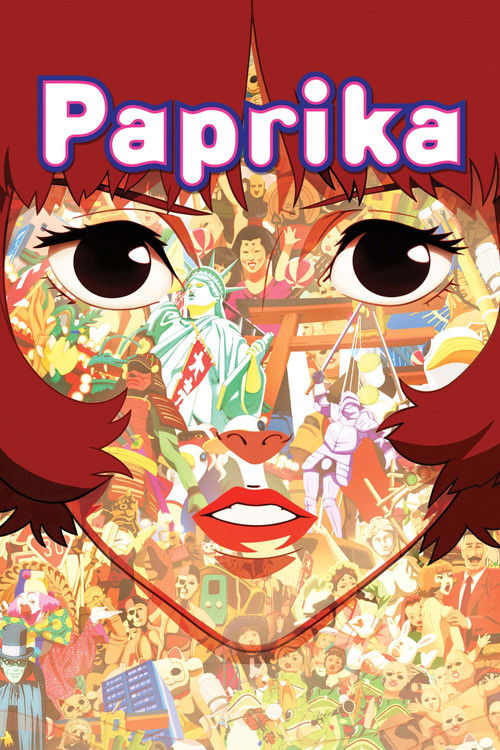
Paprika2006
Satoshi Kon's anime is a fever dream of colour and movement, where the boundary between dream and reality dissolves. Animation that prioritizes visual sensation over plot coherence. Joyfully bewildering.
But The narrative is deliberately slippery and never resolves cleanly. It's about mood and image over story. Some find that frustrating rather than liberating.
Sampo1959
Grigori Aleksandrov's Soviet musical ballet film uses colour, music, and dance in ways that echo Begone Dull Care's visual syntax. A feature-length experiment in making cinema move like choreography.
But The context is Soviet propaganda, which colours its optimism. Long stretches are undeniably dull. Not as economical as Begone Dull Care.

People
Directing
- Evelyn LambartDirector
- Norman McLarenDirector
Recommended by
Mannequin, Eraserhead, Street Trash, Beyond the Black Rainbow, Fantasmagorie, A Colour Box, The Hidden World, An Optical Poem, Tusalava, Nocturna Artificialia, City Rats, Anemic Cinema