
Film
City Rats
- Social drama
- Very dark
City Rats is a London-set ensemble crime drama that weaves eight interconnected lives through a single night of colliding fates. Shot with documentary-like intensity, it captures the grit and moral compromise of the city's criminal underworld. Ambitious in structure if uneven in execution, it's for viewers who want their British crime stories raw and ambitious rather than polished.
If you liked this
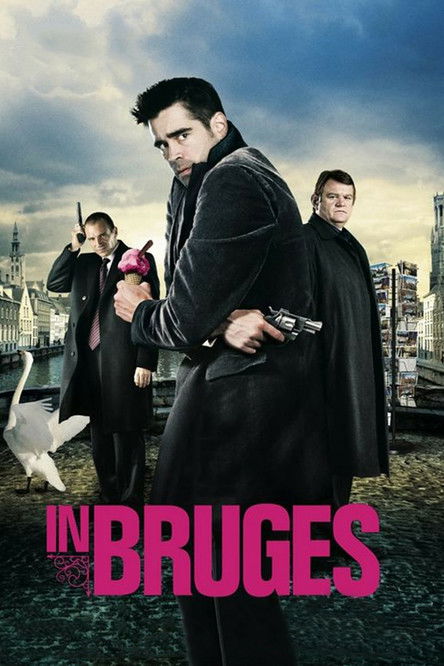
In Bruges2008
Two hitmen hide in a medieval Belgian city after a job goes wrong. Like City Rats, it uses a confined setting and sharp ensemble chemistry to explore violence, guilt, and the bonds between damaged men. The dialogue crackles and the tonal shifts feel earned.
But It's more whimsical than City Rats and considerably lighter in tone, which might feel like a betrayal if you came for unvarnished darkness.
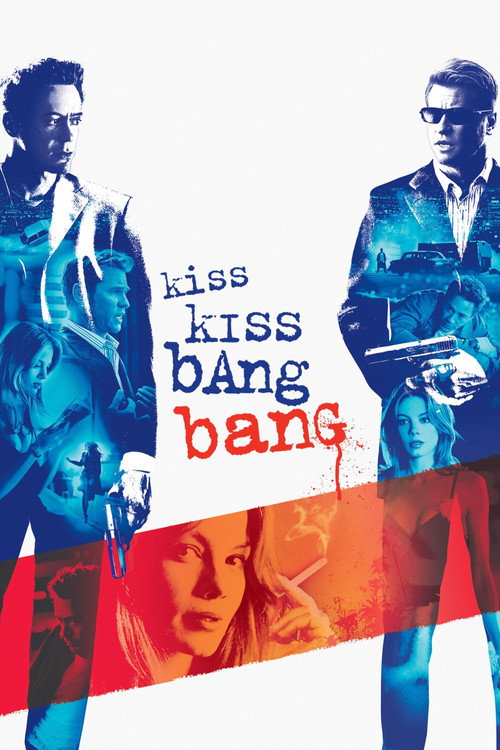
Kiss Kiss Bang Bang2005
A pulp-fiction structure following multiple Los Angeles characters whose stories collide and interweave. Like City Rats, it uses the ensemble structure to examine how chance meetings ripple through criminal lives, with dark humour threading through violence.
But The narrator is aggressively meta and constantly winking at the audience. If you want immersion rather than commentary, this breaks it.
Sexy Beast2001
A retired criminal living in idyllic Spain is disrupted by an old associate. It shares City Rats' fascination with how violent men navigate domesticity and loyalty, exploring masculinity and the gravitational pull of the underworld with real psychological depth.
But Paced very slowly and deliberately. If you want propulsive plotting, you'll find it meditative and testing.

Not sure tonight? Get a pick in a minute, starting from City Rats
The wildcard
Something you would not have found on your own.
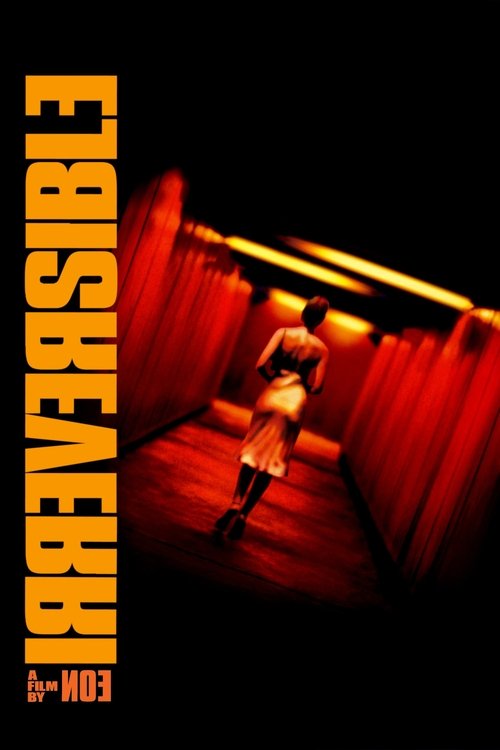
Irreversible2002
Both use non-linear structure and ensemble dynamics to show how crime ripples through interconnected lives, but Irreversible asks harder questions about complicity and causation.
A brutal crime drama told in reverse chronological order, charting how a single night of violence radiates backward through cause and effect. Like City Rats, it's interested in how chance and proximity destroy lives, but it forces you to feel moral weight by showing consequence before crime.
But Contains one of cinema's most difficult-to-watch sequences. The reverse structure makes emotional investment initially alienating. It's not entertainment; it's an interrogation.
More like this (8)
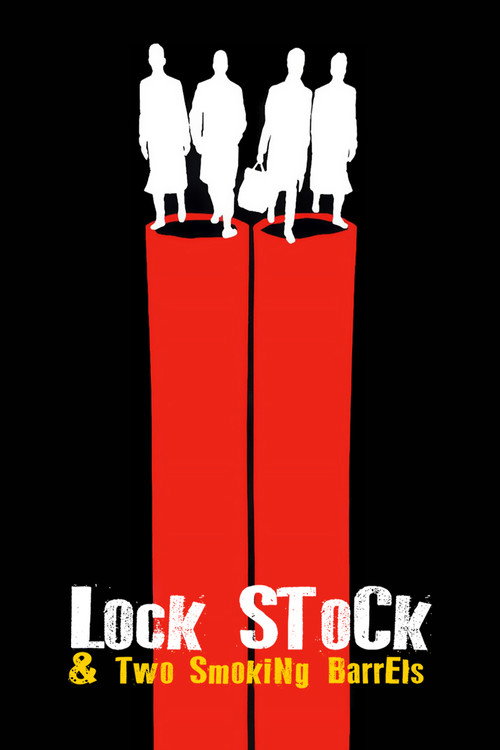
Lock, Stock and Two Smoking Barrels1998
London's criminal and gambling underground compressed into 105 minutes of interconnected chaos. It pioneered the ensemble-crime-London formula that City Rats attempts; rapid-fire plotting, overlapping characters, and the sense of a city as a machine grinding lives together.
But It's now twenty-five years old and feels very much of its moment—style sometimes overpowers substance, and the humour hasn't aged as well as the structure.
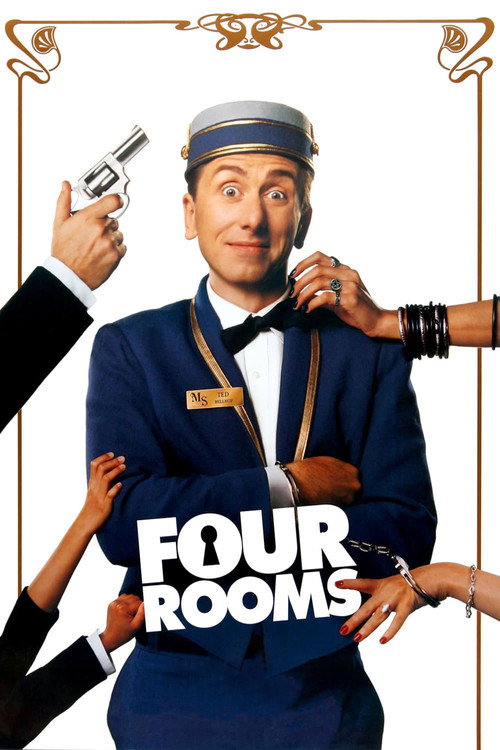
Four Rooms1995
Set entirely in one hotel on New Year's Eve, it follows a bellhop as he moves through interconnected rooms of peculiar guests. Like City Rats, it uses a single setting and a collision structure to generate dark comedy and moral complexity from proximity and circumstance.
But Narratively it's messier than it intends, and the Tarantino-penned room feels tonally jarring next to the others. Some sequences are simply uncomfortable without payoff.
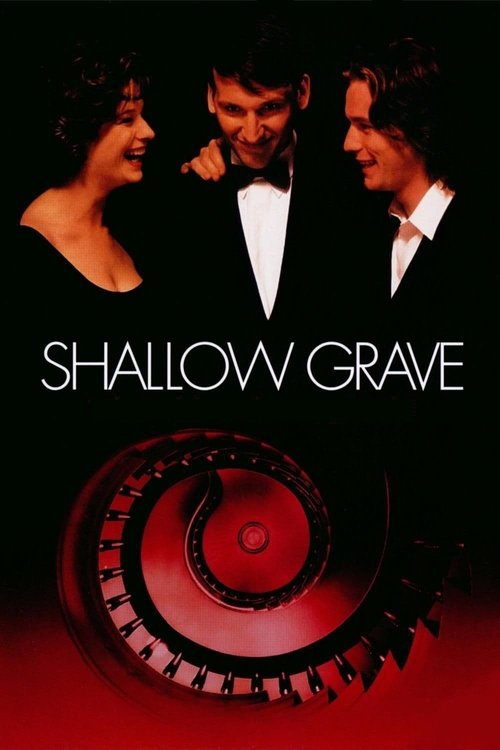
Shallow Grave1994
Three Edinburgh flatmates discover a corpse and cash. It captures the same kinetic energy of ordinary people pulled into crime through circumstance, with paranoia and moral decay corrupting a closed group. Taut and stylishly made.
But The final act veers into thriller mechanics that sacrifice character for plot. The ending feels imposed rather than earned.
The Gentlemen2020
A London drug-trafficking world told through overlapping testimonies and schemes. It shares City Rats' love of ensemble cast dynamics, interconnected plots, and the comedy lurking in violent transactions between people bound by honour and circumstance.
But Stylish to the point of excess—Ritchie's direction sometimes obscures rather than clarifies what's happening. It's also considerably slicker and more high-gloss than the grittier City Rats.

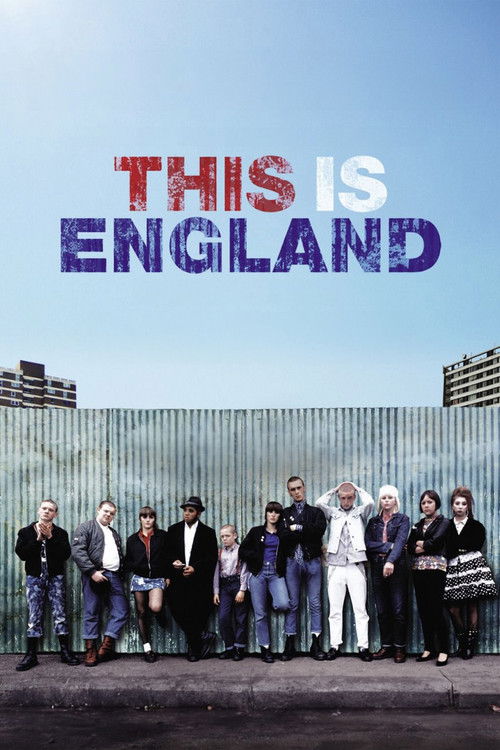
This Is England2007
Set in 1980s Lincolnshire, it follows a group of skinheads through friendship, violence, and ideology. Like City Rats, it's interested in how men bond through transgression, and it doesn't flinch from either the appeal or the horror of that world.
But The second half becomes deeply unsettling in ways the film takes seriously. If you're looking for crime entertainment, it pivots to something much darker and more accusatory.
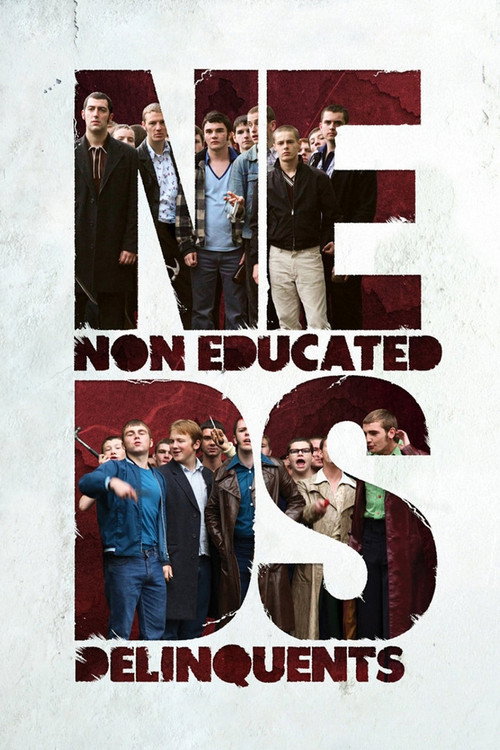
Neds2010
A Glasgow teen descends through gang culture and violence in the 1970s. It shares City Rats' unsparing view of how environment and circumstance calcify into crime, with a documentary-like eye and real empathy for its damaged characters.
But It's bleak and deliberate, with long stretches of quiet despair between violence. Some viewers find it punishing rather than illuminating.
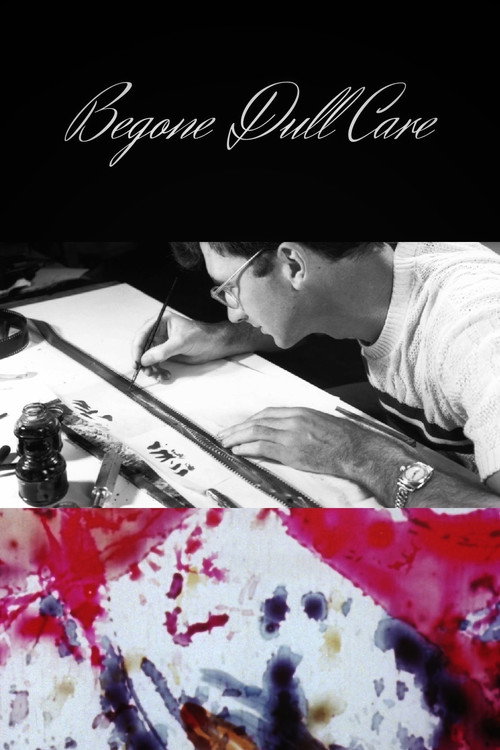
Begone Dull Care1949
Both are interested in rendering invisible psychological states visible—City Rats through performance and editing, this through pure abstraction. Opposite methods toward similar emotional truths.
An abstract experimental film using colour, music, and animation to explore psychological and emotional states. Radically different from City Rats' realism, it shares an interest in capturing the texture of despair and disconnection through form itself.
But There is no plot, no dialogue, no narrative. If you need story, you'll find it impenetrable. Some viewers experience it as pretentious or self-indulgent.
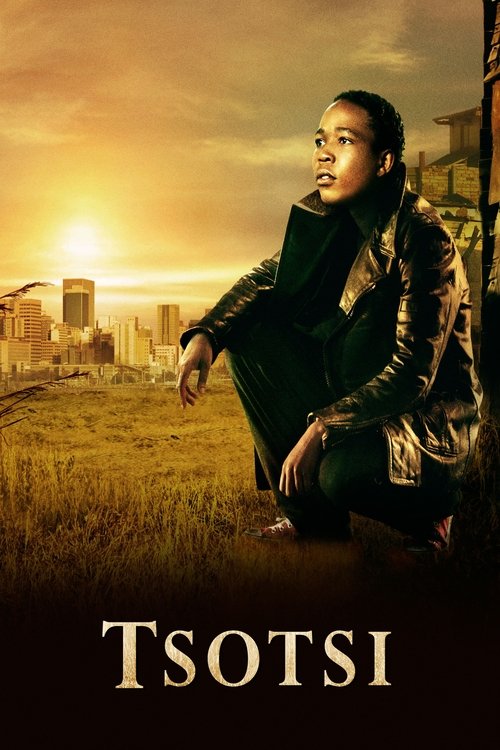
Tsotsi2005
Both follow multiple lives in crime-saturated cities and ask whether violence is circumstance or character. Tsotsi answers yes; City Rats leaves the question open.
A Johannesburg street kid and carjacker is forced toward unexpected humanity when he steals a car containing a baby. Like City Rats, it's set in a city's criminal underbelly and interested in whether damaged men can change, but it finds tenderness without sentimentality.
But It's a redemption arc, which means it moves toward hope. If you want unrelenting bleakness, the ending will feel like capitulation.
People
Cast
 Tamer HassanJim
 Danny DyerPete
 Ray PanthakiDean
 James LanceChris
 Susan LynchGina
 MyAnna BuringSammy
 Mathew BayntonBarrista
- Natasha WilliamsCarol

 Jake CanusoMarco Harper
- Vyelle CroomDaryl
- Philip HerbertCowboy John
Directing
- Steve M KellyDirector
- Paul MurphyFirst Assistant Director
- Jessica SquiresScript Supervisor
Writing
- Simon FantauzzoWriter
Production
- Kate PlantinCasting Director
- Ray PanthakiExecutive Producer
- Guy AllonLine Producer
- Justin McArdleLocation Manager
- Dean FisherProducer
- William BorthwickProducer
- Hilda SomarribaPublicist