
Film
Beyond the Black Rainbow
- Psychological horror
- Very dark
- Strange
- Slow-burning
A 1980s-set sci-fi horror film about a mute psychic girl trapped in a sinister institute. Prentice-Hall's directorial debut is a deliberately artificial, neon-soaked fever dream—all pulsing synth, dripping colour, and a deliberately artificial aesthetic. It's for people who loved the visual texture of *Suspiria* or *Videodrome*, who don't need conventional plot momentum, and who want to feel unsettled in a very specific way.
Should you watch it?
Watch it if you love slow, hypnotic films where mood, colour and a throbbing synth score do the storytelling, and you don't mind being left to puzzle out what's happening.
Skip it if you need plot momentum or dialogue-driven scenes, since long stretches of stillness, sparse words and glacial pacing may frustrate you rather than hypnotise.
What it asks of you: Roughly 110 minutes of unhurried, icy stillness, where dread builds slowly and the sudden bursts of violence land hard rather than arriving as steady scares.
Not sure? Find tonight's pick in a minute.
If you liked this
Suspiria1977
A masterclass in pure atmospheric dread. Like *Beyond the Black Rainbow*, it's less interested in coherent plot than in creating a total sensory experience of wrongness—colour, sound, and spatial architecture as the real story.
But The narrative is deliberately opaque and the pacing glacial. If you need a clear arc and rational explanations, this will frustrate you.

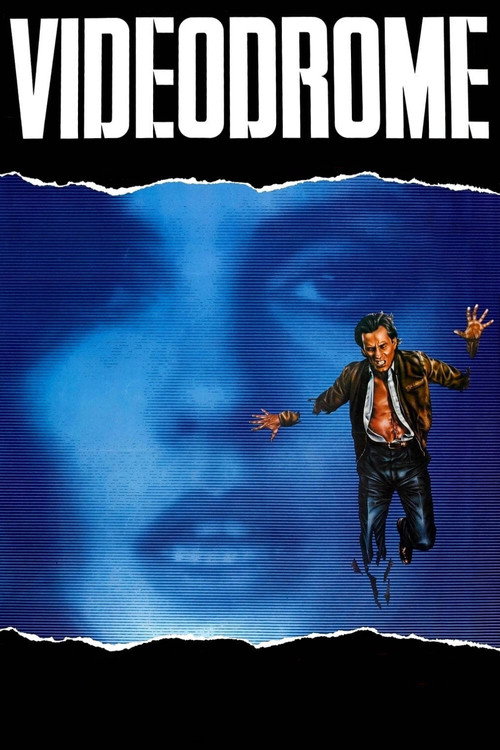
Videodrome1983
Cronenberg's descent into media-induced psychosis shares *Beyond the Black Rainbow*'s commitment to making the viewer uncomfortable through visuals and sound rather than jump scares. Both feel like watching someone's unstable mind.
But It's genuinely disturbing and sexually transgressive in ways that feel dated. The film doesn't apologize for being ugly.
Possession1981
Another '80s art-horror film about obsession and control set in a claustrophobic space. Zulawski's framing and colour work anticipate the hypnotic formal experiment of *Beyond the Black Rainbow* by years.
But It's chaotic and deliberately narratively incoherent. Some will read it as a pretentious mess rather than purposeful abstraction.

Not sure tonight? Get a pick in a minute, starting from Beyond the Black Rainbow
The wildcard
Something you would not have found on your own.
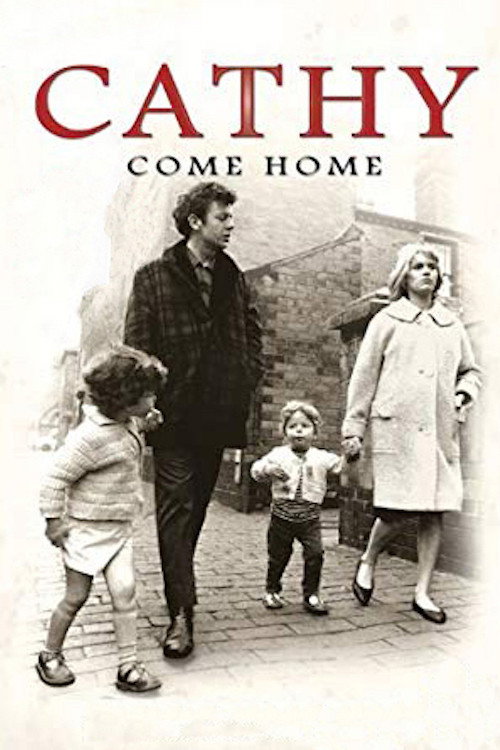
Cathy Come Home1966
Both use formal abstraction and institutional settings not as backdrop but as the true subject—how systems dehumanize and fragment the self.
A British television drama from the '60s about homelessness and institutional cruelty that uses formal innovation—fragmentation, unreliable perspective—in ways that predate and anticipate art-horror. Its aesthetic coldness echoes *Beyond the Black Rainbow*'s treatment of institutions as nightmarish.
But It's politically didactic and the video-tape aesthetic is austere. It will feel like homework to viewers accustomed to genre pleasures.
More like this (8)
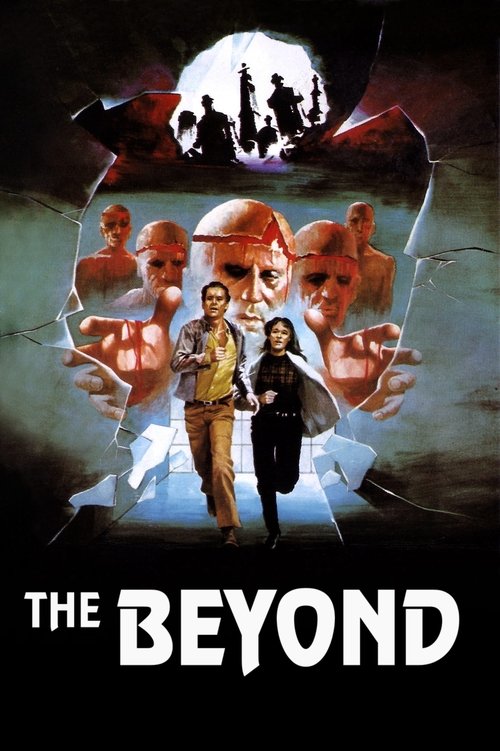
The Beyond1981
Fulci's Italian horror masterpiece trades on atmosphere and strangeness over logic, with a similar commitment to colour and sound design as its primary storytelling tools. Surreal and utterly committed to its own logic.
But The plot barely holds together and feels like watching a nightmare rather than a conventional film. Subtitles required.
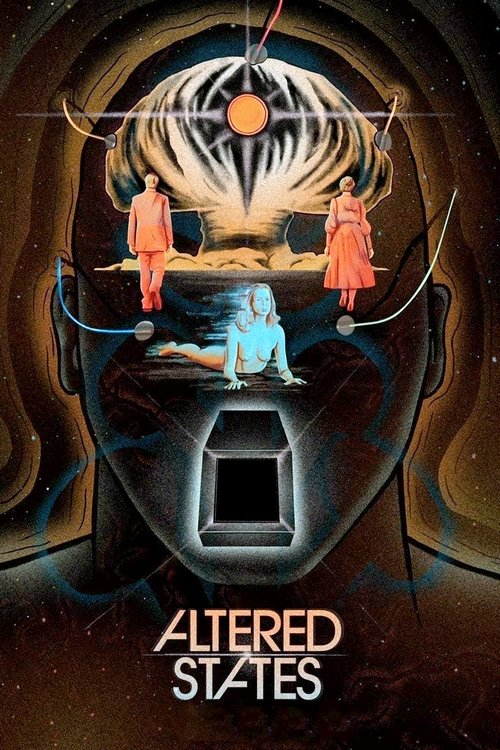
Altered States1980
A scientist's sensory deprivation experiments trigger psychological and supernatural dissolution. Shares *Beyond the Black Rainbow*'s psychedelic visual palette and interest in how consciousness can be manipulated and fractured.
But The dialogue is exposition-heavy and the philosophical pretensions can feel laboured. The special effects, while creative, haven't aged smoothly.
Under the Skin2014
A visually hypnotic, dialogue-sparse film about an alien predator that prioritizes mood and image over narrative satisfaction. Another modern film that trusts the audience to sit with discomfort and strangeness.
But Very little happens and most viewers will find it slow and alienating. There's almost no conventional drama or character development.

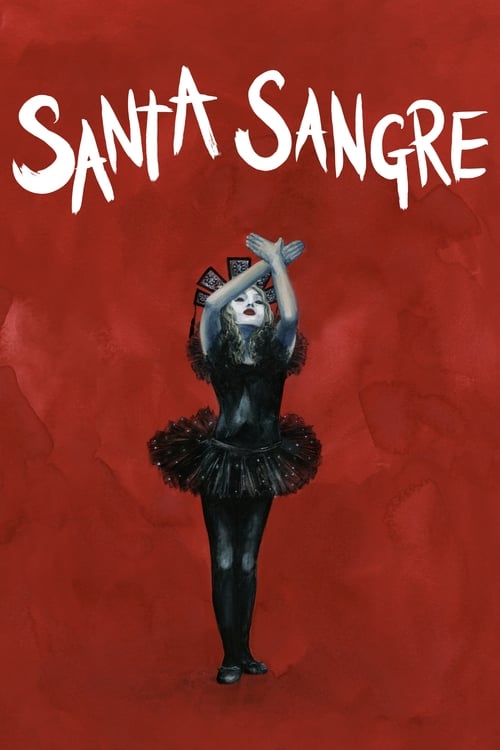
Santa Sangre1989
Jodorowsky's surrealist nightmare about a son and his armless mother is visually baroque and deeply unsettling in ways that feel adjacent to *Beyond the Black Rainbow*'s fevered unreality.
But It's transgressive and grotesque. Some imagery is hard to unsee, and the narrative is more symbolic than literal—you must surrender to its logic or check out.
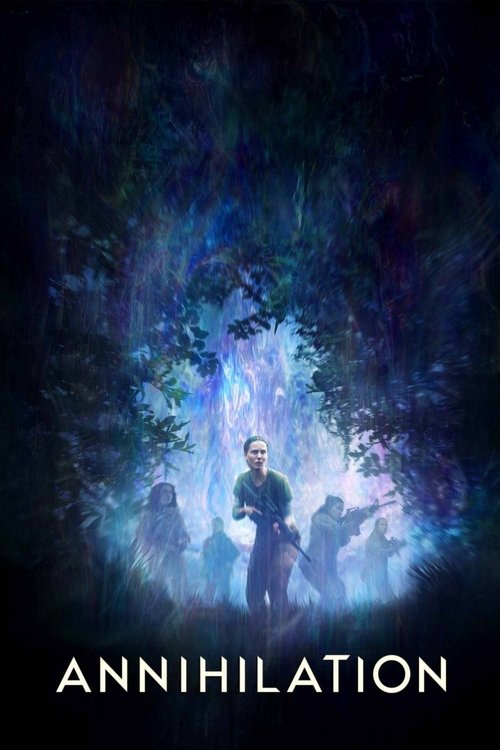
Annihilation2018
A science-fiction film that prioritizes visual and thematic strangeness over conventional plot momentum. The way it renders an alien environment as fundamentally incomprehensible echoes *Beyond the Black Rainbow*'s refusal of clarity.
But The third act becomes more abstract and philosophical, losing the grounded tension of the first half. Some find it pretentious.
Raw2017
A body-horror film about a vegetarian student's cannibalistic awakening, shot with clinical colour and precision. Shares the obsessive visual control and the willingness to be viscerally uncomfortable.
But It's genuinely disgusting and never breaks eye contact with its protagonist's degradation. The slow pacing and refusal of moral judgment frustrate many viewers.

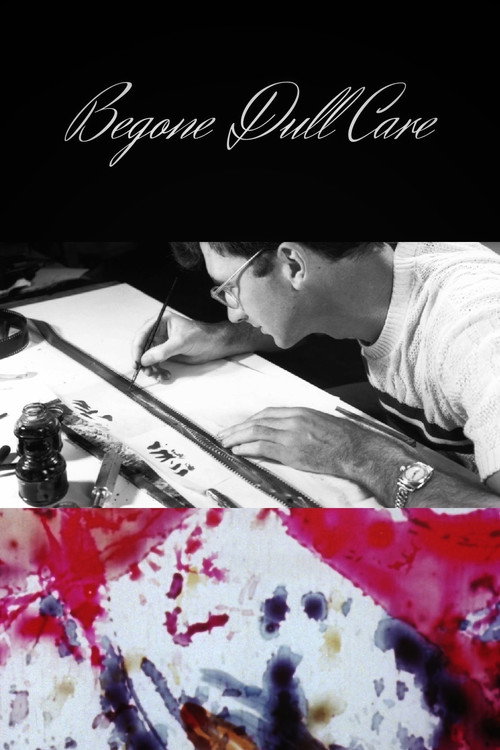
Begone Dull Care1949
Both treat visual form as the entire experience and refuse the comfort of conventional story. Both demand you surrender to texture and mood.
Norman McLaren's abstract animated film of hand-painted light and jazz is pure non-narrative cinema—colour and rhythm as complete content. The visual intoxication and synesthetic ambition mirror *Beyond the Black Rainbow*'s commitment to sensation over story.
But There's no plot, no character, no dramatic stakes. If you need narrative, this will seem like expensive nothing.
Ghostland2018
Both use the horror/sci-fi framework to explore how trauma fragments consciousness itself—the film's structure becomes the subject matter.
Pascal Laugier's film about sisters escaping a house of horrors meticulously collapses narrative reliability and trauma memory into formal fragmentation. A modern horror film that uses genre as a vehicle for formal experimentation in the way *Beyond the Black Rainbow* does.
But The twist recontextualizes everything you've watched, and some resent the reframing as a cheat rather than thematic depth. It's bleak and offers no catharsis.

People
Cast
 Michael J. RogersBarry Nyle
 Eva BourneElena
 Scott HylandsMercurio Arboria
 Marilyn NorryRosemary Nyle
 Rondel ReynoldsonMargo
- Ryley ZingerSentionaut
 Gerry SouthSkinny Hesher
 Chris GauthierFat Hesher
- Geoffrey ConderMutant
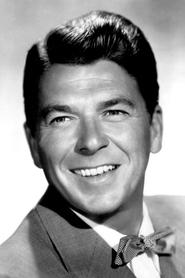 Ronald ReaganSelf (archive footage)
Directing
- Panos CosmatosDirector
- Alex CraigScript Supervisor
Writing
- Panos CosmatosWriter
Production
- Melissa PerryCasting
- Christya NordstokkeProducer
- Oliver LinsleyProducer
Recommended by
The Holy Mountain, Upstream Color, Mandy, Time Lapse, The League of Gentlemen's Apocalypse, The Incident, Bloody Hell, The Roller Blade Seven, The Devil’s Rain, Amer, Pandora, Cherry