
Film
Pandora
Other titles called Pandora: the 2016 film.
A 14-minute horror-action film about two operatives hunting a mythical entity with world-ending power. Pandora is a short, punchy genre exercise that packs maximum atmosphere and visceral action into its runtime, treating cosmic horror as an urgent tactical problem. It's for viewers who appreciate efficient filmmaking and don't need a feature-length runtime to feel the dread.
If you liked this
Under the Skin2014
An alien intelligence moves through our world in a human body, creating scenes of beautiful, creeping wrongness. Like Pandora, it treats the incomprehensible as a real, tactile threat that defies explanation.
But Long stretches of quiet observation might test your patience if you want constant plot momentum. The ambiguity frustrates viewers who demand clarity.

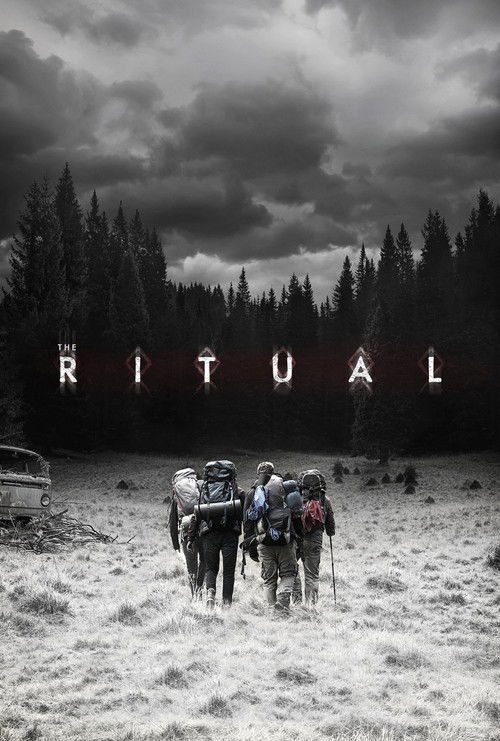
The Ritual2017
A creature hunt through a forest becomes a meditation on guilt and corruption, mixing mythology with character tragedy. Both films understand that unknown threats hit harder when the hunters have their own damage.
But It builds slowly and softly; if you came for action, you'll spend the first half wanting more momentum. The ending splits viewers on whether it earns its quiet.
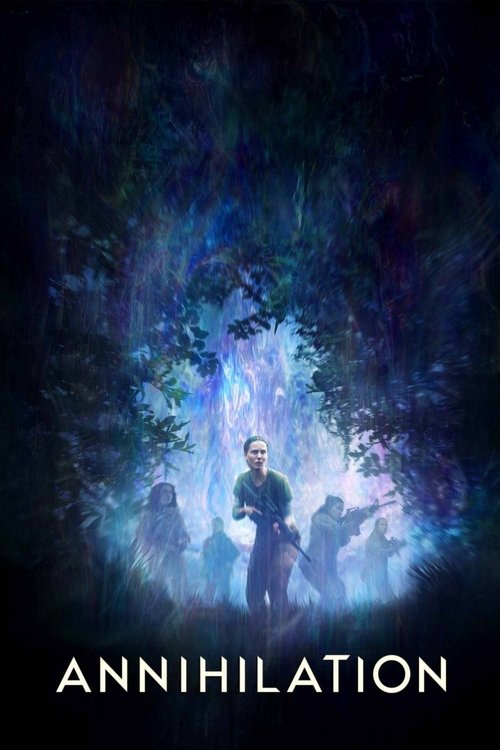
Annihilation2018
A team enters a zone where reality bends. Like Pandora, it respects the viewer enough not to over-explain the impossible, building dread through atmosphere and the unknowable.
But The sci-fi language can feel oblique, and the finale prioritizes mood over clarity. Some see genius; others see pretension.
Not sure tonight? Get a pick in a minute, starting from Pandora
The wildcard
Something you would not have found on your own.
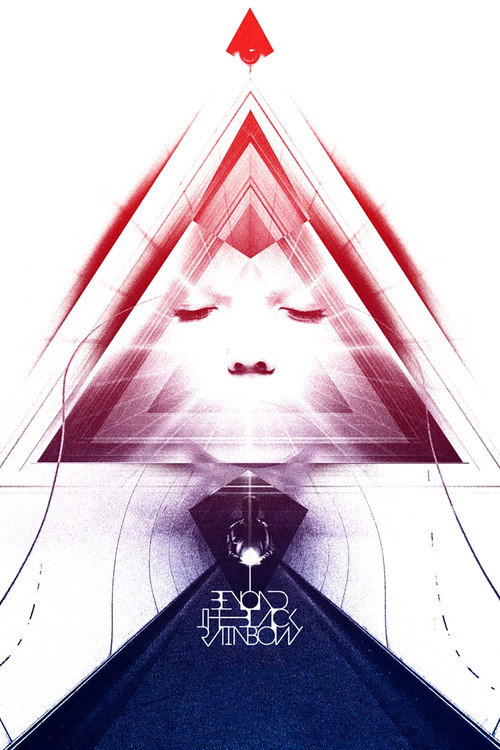
Beyond the Black Rainbow2010
Both prioritize mood, visual wrongness, and the hunt as metaphor over explanation. They trust the audience to feel rather than understand.
A synth-soaked, hallucinogenic psychedelic horror film from Canadian filmmaker Panos Cosmatos. If Pandora is taut and tactical, this is fractured and dreamlike—yet both are obsessed with hunting something strange through corrupted spaces, and both reject clarity in favor of pure sensory atmosphere.
But The dialogue is sparse, the plot tissue-thin, and the pacing meditative-to-sluggish. It's not for viewers who need plot information or traditional narrative beats. Also genuinely weird in ways that alienate as often as they fascinate.
More like this (8)
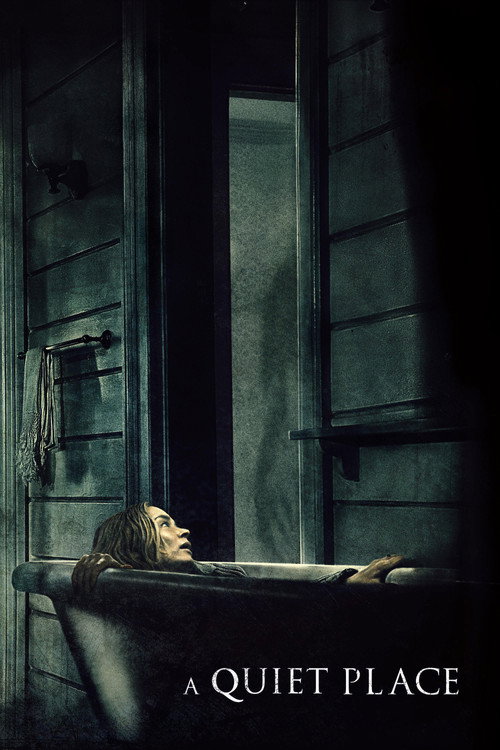
A Quiet Place2018
A creature hunt told almost entirely through sound design and visual storytelling. Both films prove you don't need dialogue or runtime to generate genuine terror and forward momentum.
But The creature's logic has holes if you think too hard about it. Also, it's far more family-friendly than Pandora, if that matters to you.
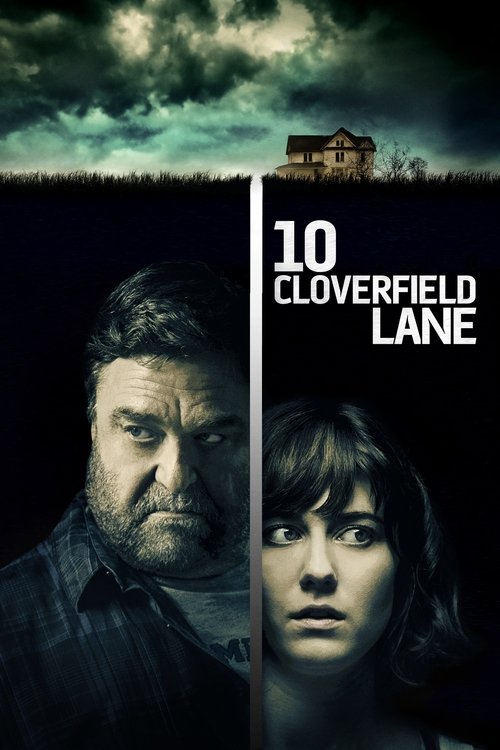
10 Cloverfield Lane2016
Three people trapped with an unknown threat, paranoia escalating in real time. It nails the claustrophobic hunt dynamic and plays similar games with trust and hidden knowledge.
But The third act pivot polarizes audiences. What some find bold, others find contrived or tonal whiplash.
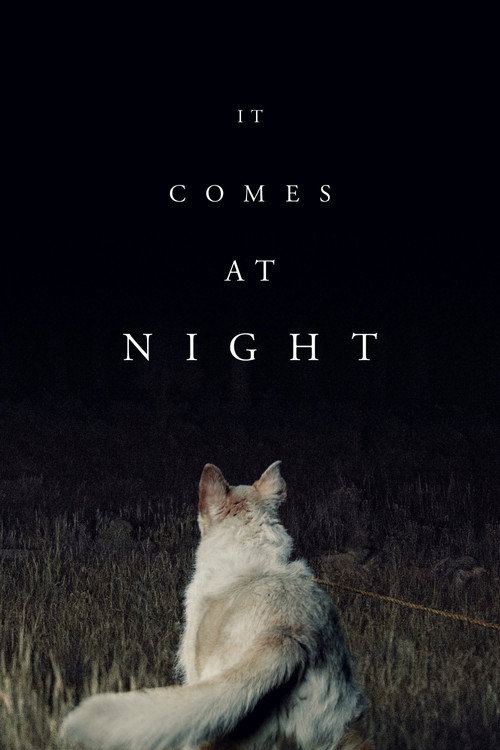
It Comes at Night2017
A family shelters from an undefined threat while paranoia metastasizes. Both films weaponize the unseen, letting fear of the unknown corrupt everything it touches.
But Nothing resembling a traditional climax arrives. If you want payoff and resolution, you'll leave frustrated.
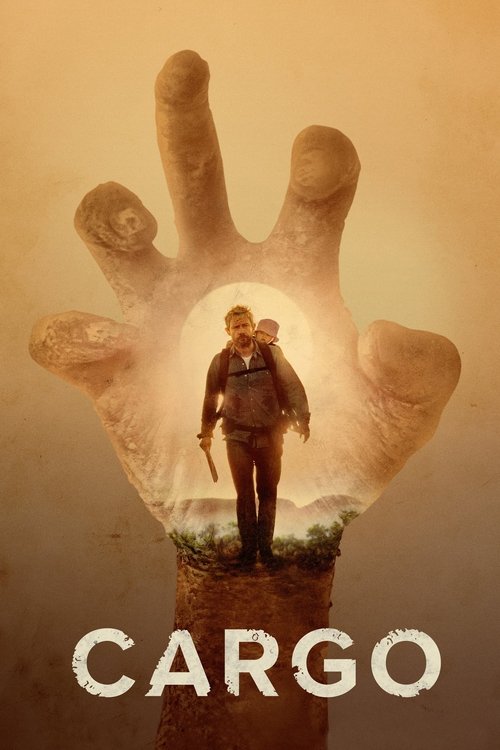
Cargo2017
A short film (five minutes) that proves apocalyptic storytelling lives in economy and impact. Like Pandora, it shows how much story and feeling can exist in a tiny space.
But So brief it disappears from memory almost immediately. Some people want to sink into a world; this won't let you stay.
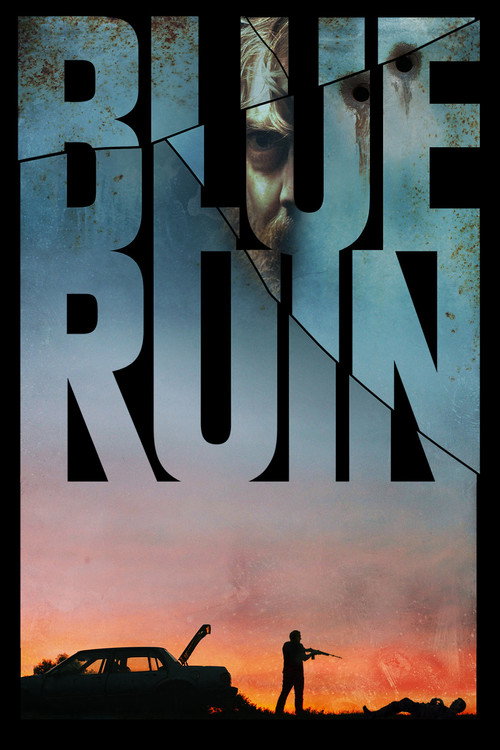
Blue Ruin2014
A revenge thriller told with guerrilla resourcefulness and mounting dread. Both films treat survival as improvisation, with characters scrambling against forces larger than tactics.
But The budget shows; if you need polished action sequences, the scrappy aesthetic may feel cheap rather than authentic.
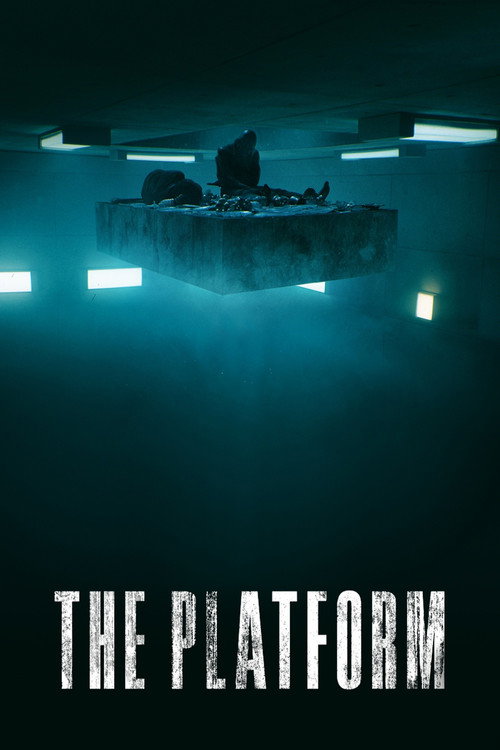
The Platform2019
A surreal, action-heavy descent into a nightmare system. Both share a fascination with incomprehensible threats treated as structural problems to solve or survive.
But The symbolism becomes repetitive, and the relentless grimness exhausts some viewers. Also, the worldbuilding asks you to accept things that don't quite cohere.
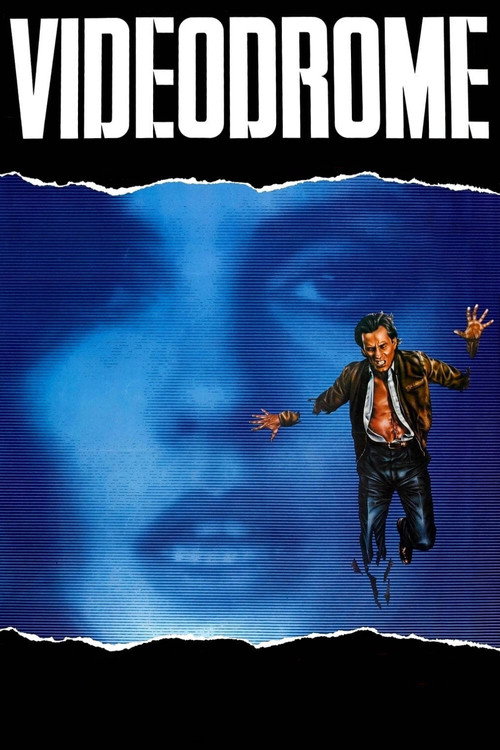
Videodrome1983
Both treat the hunt for an incomprehensible entity as a form of psychological corruption. The monster doesn't just kill—it transforms the hunter.
Cronenberg's fever-dream about a man consumed by a mysterious signal or entity that corrupts his perception of reality. Like Pandora, it's fascinated by the collision between the human and the inexplicable, exploring what happens when you hunt something that hunts you back—but it does it through body horror and philosophical decay rather than action.
But It's deliberately disorienting and the narrative logic is intentionally fractured. If you watch it expecting to understand what's happening, you'll leave angry. Also, the body horror is genuinely disgusting in ways that linger.
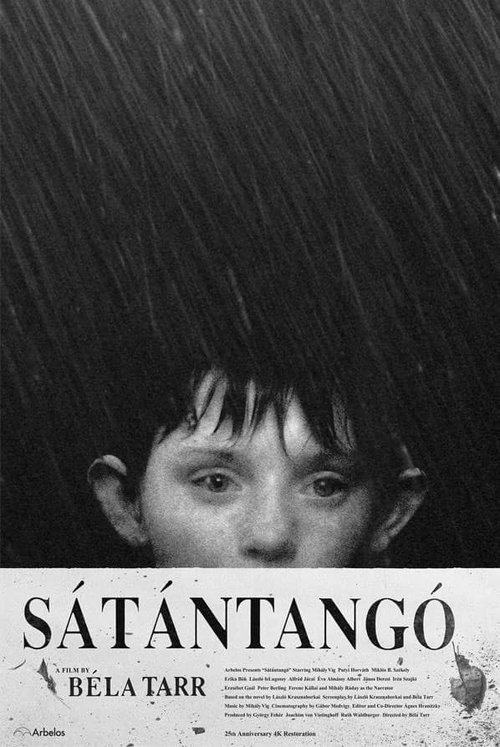
Satantango1994
Both are obsessed with how an entity—real or mythic—reshapes everyone around it simply through presence. Mystery as a kind of infection.
A seven-hour Hungarian epic about a community gripped by a mysterious stranger. Bela Tarr's masterpiece operates at the opposite scale, but like Pandora, it builds dread through the presence of something utterly unknowable—here, a figure that may or may not be what everyone believes, corrupting a small society simply by existing among them.
But It's a commitment: seven hours of long takes, minimal dialogue, and glacial pacing. You will be bored if you're not prepared for it. The reward is metaphysical, not narrative.
People
Cast
 Joshua GrotheMatt
 Sarah AllesSherman
 Thekla HartmannPandora
 Errol Trotman-HarewoodMiller
 Andy Long NguyenShadow
Directing
- Daniel RübesamDirector
Writing
- Daniel RübesamScreenplay
Production
- Tobias HollmannExecutive Producer
- Fabian BaierProducer
- Felix FaißtProducer