
Film
Upstream Color
- Science fiction
- Mystery
- Strange
- Slow-burning
Upstream Color is a deliberately cryptic sci-fi puzzle about identity, control, and connection. Shane Carruth directs and stars in this abstract, visually hypnotic film that demands active reconstruction from its audience. It's for viewers comfortable with ambiguity who want cinema that unsettles and provokes rather than explains.
Should you watch it?
Watch it if you care more about texture, sound and a puzzle you assemble yourself than about being told what is happening, and you don't mind meaning arriving sideways.
Skip it if you need plot clarity and momentum to stay with a film, since the dialogue is sparse and explanation is withheld, which can feel like wading through fog.
What it asks of you: Full attention across its 96 minutes, with quiet stretches and images that linger before anything is spelled out; a second viewing often pays more than the first.
Not sure? Find tonight's pick in a minute.
If you liked this
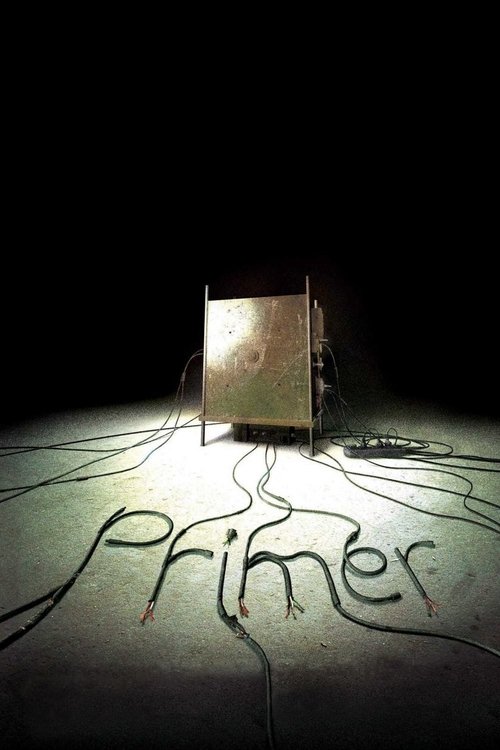
Primer2004
Carruth's directorial debut shares the same fractured, high-concept DNA: a film where understanding requires multiple viewings and genuine intellectual engagement. If you survived Primer's temporal maze, you're ready.
But It's genuinely hard to follow, and neither the film nor Carruth will hold your hand. Rewatching is mandatory, which isn't for everyone.
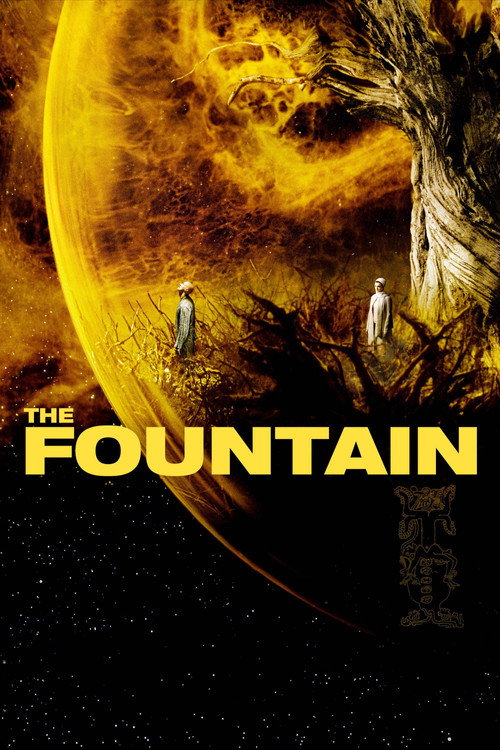
The Fountain2006
Aronofsky's tripartite meditation on love and mortality across time periods matches Upstream Color's ambition to make meaning through visual abstraction rather than exposition. Both demand surrender to their logic.
But It's emotionally heavy and visually demanding in ways that can feel pretentious if you're not in the right headspace. Some find it overwrought.
A Ghost Story2017
David Lowery captures the same quiet unease about identity and presence that Carruth achieves. It's more accessible than Upstream Color but equally committed to emotional mystery over explanation.
But The pacing is deliberately slow and meditative. If you need narrative momentum or clear story beats, this will feel static.

Not sure tonight? Get a pick in a minute, starting from Upstream Color
The wildcard
Something you would not have found on your own.
Possession1981
Both films use sci-fi and body horror tropes to explore how two people can become entangled to the point where selfhood becomes impossible. Both are formally broken to mirror psychological disintegration.
Zulawski's nightmarish psychological horror uses body horror and fractured editing to depict how intimacy can become a nightmare where identity dissolves. Both films suggest love and fusion as forms of violation.
But It's genuinely grotesque and emotionally brutal. Some of the imagery (particularly involving a creature) is visceral and difficult. The relationship at its center is abusive and painful to watch.

More like this (8)
Synecdoche, New York2008
Kaufman's spiral into self-referential collapse has the same obsessive architecture as Carruth's puzzle-boxes. Both films ask how much of ourselves we can actually know or control.
But It's exhausting and deliberately frustrating. The film wants to exhaust you. That's the point, but it's not a comfortable evening.

Under the Skin2014
Glazer's minimal sci-fi shares Upstream Color's commitment to mood and visual language over plot clarity. Both trust the audience to feel rather than follow.
But Nothing happens in a conventional sense. If you need character development or story progression, you'll find this glacial and possibly infuriating.

Stalker1979
Tarkovsky's philosophical sci-fi moves at its own pace toward questions about desire and the self. Like Carruth, he believes cinema can explore states of consciousness that narrative can't touch.
But It's 163 minutes of deliberate Russian philosophy. Patience isn't enough; you need genuine appetite for metaphysical slow-burn.

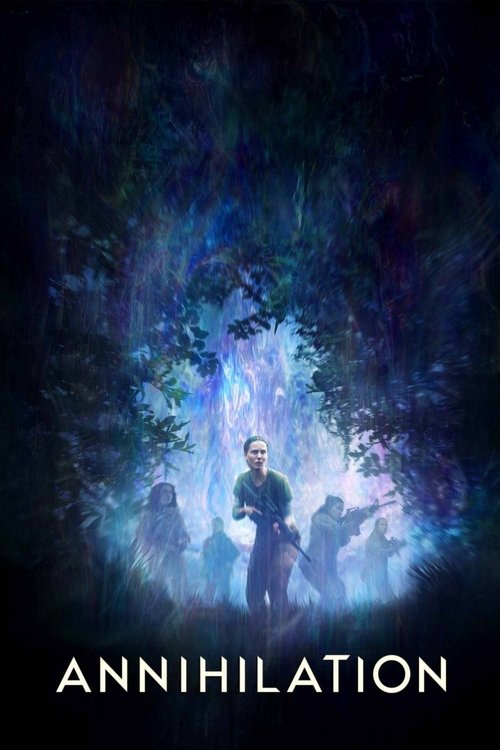
Annihilation2018
Alex Garland channels Carruth's love of visual abstraction and body horror to suggest cosmic indifference. Both films make the unknowable feel inevitable rather than just mysterious.
But The final act abandons conventional plot to enter something more oneiric and abstract. Some viewers feel abandoned rather than transcended.
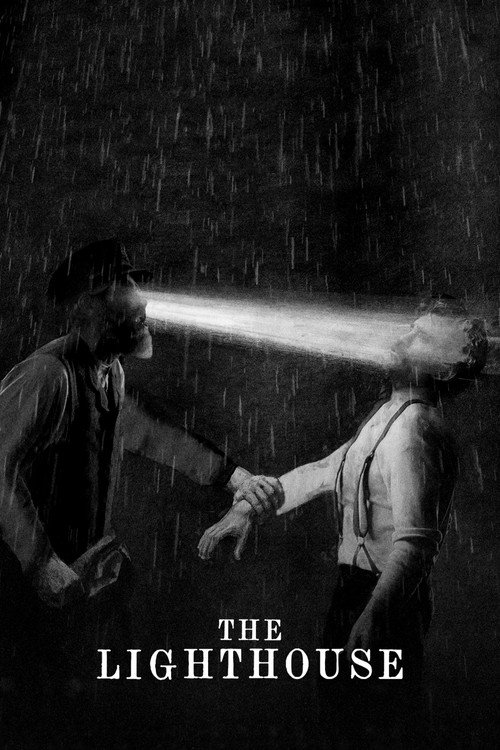
The Lighthouse2019
Eggers and Pattinson create a claustrophobic, mythically dense film where reality fractures under scrutiny. The visual and sonic intensity matches Upstream Color's commitment to sensory disorientation.
But It's deliberately mannered and surreal in ways that can feel affected. The black-and-white cinematography and accent work aren't to everyone's taste.
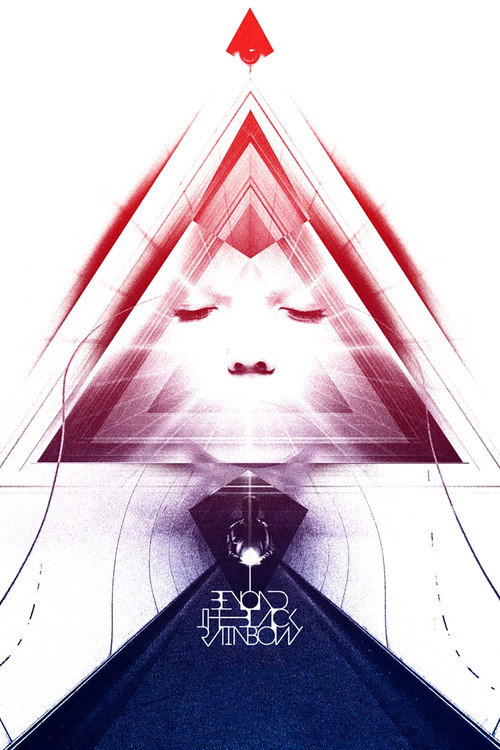
Beyond the Black Rainbow2010
Cosmatos's lo-fi synth-soaked sci-fi has Carruth's interest in control, consciousness, and visual abstraction, but filtered through 1980s genre kitsch and practical effects instead of clean modernism.
But The narrative is threadbare and the aesthetic is deliberately cheap-looking. It feels like a forgotten VHS found in a thrift store, which is a feature not a bug.
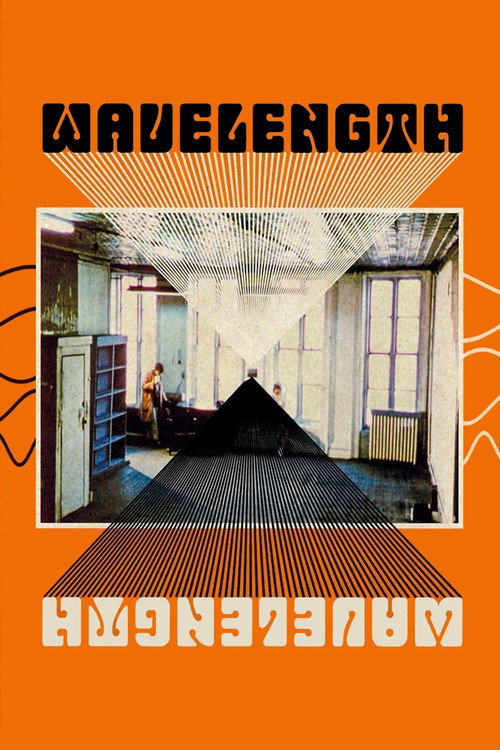
Wavelength1967
Both films believe the camera and editing can express consciousness itself. Both create meaning through rhythm and repetition rather than character or plot. Both trust the viewer to bring their own interpretation.
Snow's experimental 45-minute single-take zoom into a room's photograph asks what cinema can be when it abandons narrative entirely. It's the logical endpoint of what Upstream Color is flirting with: pure visual abstraction as meaning.
But It's a single, extremely slow zoom. There is no plot, no actors, barely any visual interest in the conventional sense. Most people will find it unbearably boring and call it pretentious.
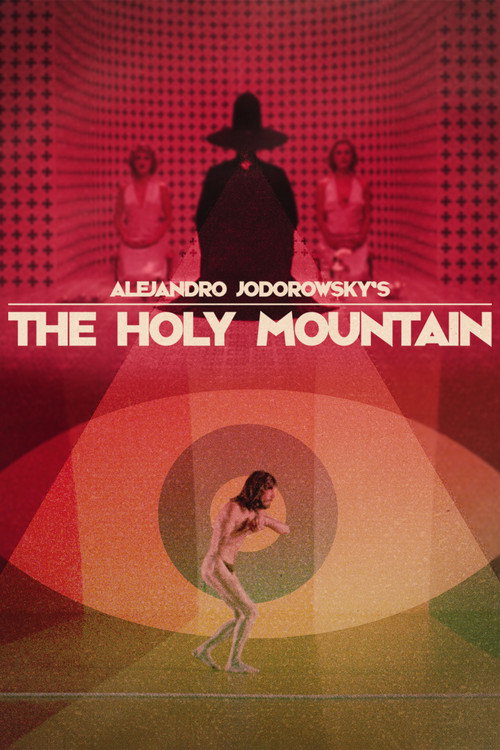
The Holy Mountain1973
Both films reject the contract between film and audience that demands comprehension. Both use shock, abstraction, and repetition to suggest realities beneath rational understanding.
Jodorowsky's surrealist acid-trip spiritual epic shares Upstream Color's conviction that cinema should disturb the unconscious rather than entertain the conscious mind. Both build meaning through symbol and sensation rather than sense.
But It's extremely strange, sexually explicit in surreal ways, and contains animal violence (shot in the 1970s). It's three hours of sustained weirdness that can feel self-indulgent and pretentious rather than profound.
People
Cast
 Amy SeimetzKris
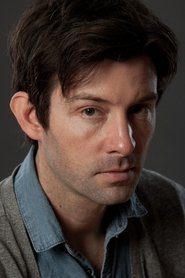 Shane CarruthJeff
 Andrew SensenigThe Sampler
 Thiago MartinsThief
- Carolyn KingWife
 Mollie MilliganMaggie
- Myles McGeeMonty
- Ashton MiramontesLucas
- Andreon WatsonPeter
 Frank MosleyHusband
 John WalpoleBank Investigator
 Kerry McCormickOBGYN
Directing
- Shane CarruthDirector
Writing
- Shane CarruthWriter
Production
- Kina BaleCasting
- Meredith BurkeCo-Producer
- Toby HalbrooksCo-Producer
- Brent GoodmanExecutive Producer
- Scott DouglassExecutive Producer
- Ben LeClairProducer
- Casey GoodenProducer
- Shane CarruthProducer
Recommended by
Primer, Under the Skin, Atanarjuat: The Fast Runner, Married, Sound of My Voice, Nine Perfect Strangers, Equals, Midnight Special, The Rover, Made for Love, The Overnighters, Z for Zachariah, Sleeping Dogs Lie, Branded, Night Moves, Housewife, What the #$*! Do We (K)now!?, The Eternal Frame, Schizopolis, Thinner, Sunday, The Oregonian, The Shape of Things, Lore, The Art of Losing, Nights and Weekends, Afterschool, The Brown Bunny, Logistics, Breakfast of Champions, Radio On, Model Citizen, Orbiter 9