
Film
Lore
Other titles called Lore: the 2017 series (Prime Video).
- Drama
- Very dark
A 2012 German film following five siblings abandoned at war's end, trekking across devastated Germany while reckoning with their parents' Nazi complicity. Director Cate Shortland creates something unsettling and glacial: less about surviving hardship than watching children's innocence curdle into moral awareness. Bleak, deliberate, uncompromising—for viewers ready to sit with genuine discomfort.
Should you watch it?
Watch it if you want a slow, close-up study of a teenager's reckoning in a landscape of ruin, where the camera stays with one young face and lets silence do much of the work.
Skip it if the pace is punishing and the cruelty is unsparing, so if you need relief or a tidy emotional payoff, this will feel bleak and unrelenting.
What it asks of you: Expect a long, unhurried running time of just under two hours, with lingering shots, sparse dialogue and few explanations, so you'll do much of the piecing together yourself.
Not sure? Find tonight's pick in a minute.
If you liked this
Come and See1985
Elem Klimov's brutal Soviet masterpiece tracks a boy through WWII's Eastern Front. Like Lore, it refuses to sentimentalise childhood in wartime or offer easy catharsis. A film that changes you.
But Relentlessly grim and sometimes hard to follow. The final twenty minutes are almost unwatchable—intentionally. Not entertainment.

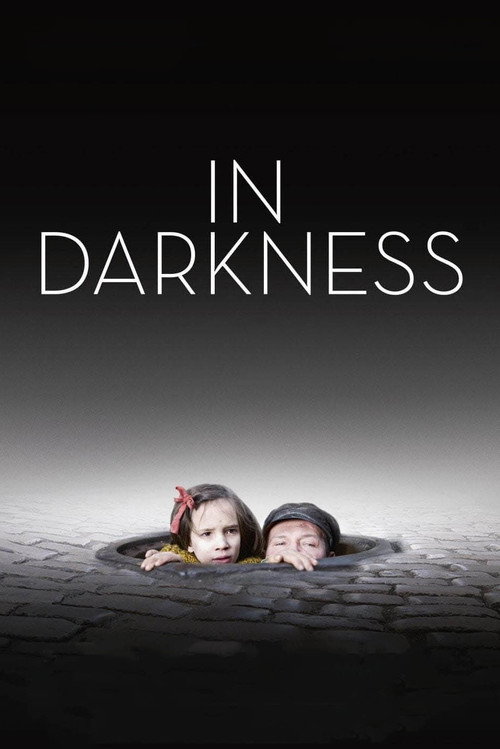
In Darkness2011
Agnieszka Holland (who also directed Lore) examining survival and complicity in the Warsaw ghetto. Intimate scale, moral nuance, stunning cinematography—and the same refusal to let us off easy.
But A harrowing portrait of people forced into impossible compromises. Some scenes are very difficult. Not uplifting.
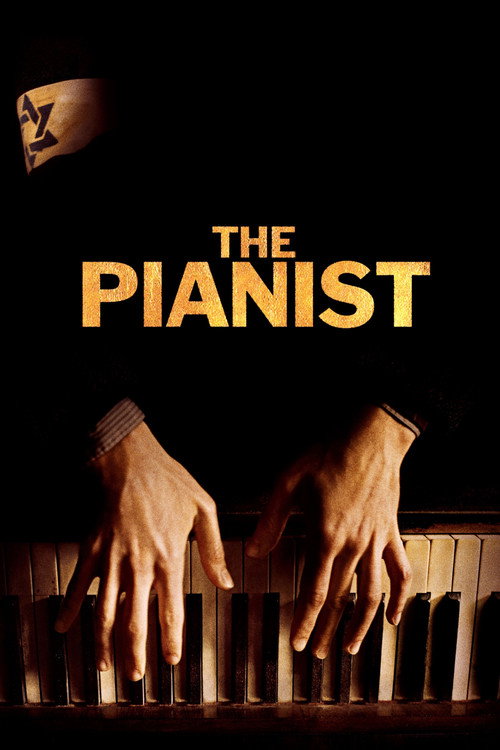
The Pianist2002
Roman Polanski's unforgettable portrait of a Warsaw pianist's survival and dehumanisation. Like Lore, it's controlled and observant; you register horror through absence rather than spectacle.
But Extended scenes of degradation and violence. The detachment that makes it brilliant can feel cold-blooded to some viewers.
Not sure tonight? Get a pick in a minute, starting from Lore
The wildcard
Something you would not have found on your own.
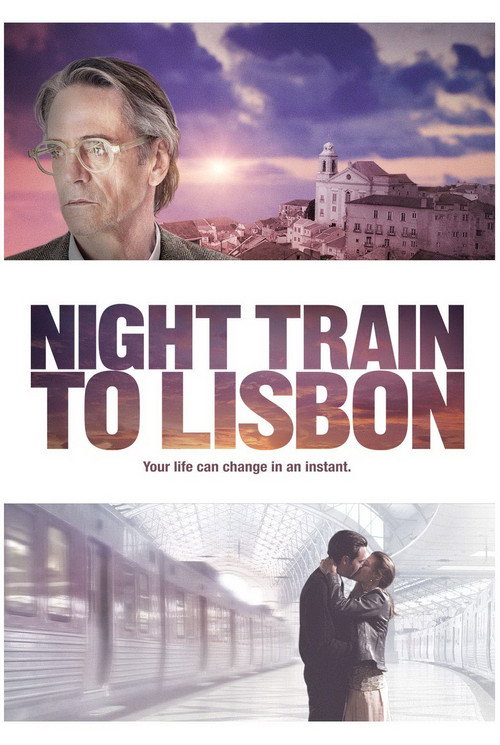
Night Train to Lisbon2013
Both examine how the past reaches into the present through inheritance and hidden family truths. Both move with glacial deliberation, finding the epic in the internal. Both ask: what do we owe for what we didn't know?
Bille August adaptation of Pascal Mercier's novel: an older man follows a stranger across Portugal investigating a past he never knew. Like Lore, it's about inheriting other people's histories and moral weight. Lyrical, intelligent, formally beautiful.
But More introspective philosophical novel than thriller. Plot moves sideways. Requires comfort with ambiguity and metaphor over resolution.
More like this (6)
Under the Skin2014
Jonathan Glazel's haunting, wordless sci-fi drifts through Scotland observing human vulnerability. Like Lore: minimal dialogue, glacial pacing, images that lodge in memory. Unsettling rather than frightening.
But Narrative is deliberately opaque. Very slow. Relies entirely on your willingness to surrender to mood over plot comprehension.

A Prophet2009
Jacques Audiard's prison saga tracking moral corruption in a young man. Cold, precise filmmaking about how circumstances reshape character—similar thematic territory to Lore, but in contemporary Paris.
But Violence and prison brutality shown plainly. The protagonist's arc involves becoming someone unlikeable. Some find it nihilistic.

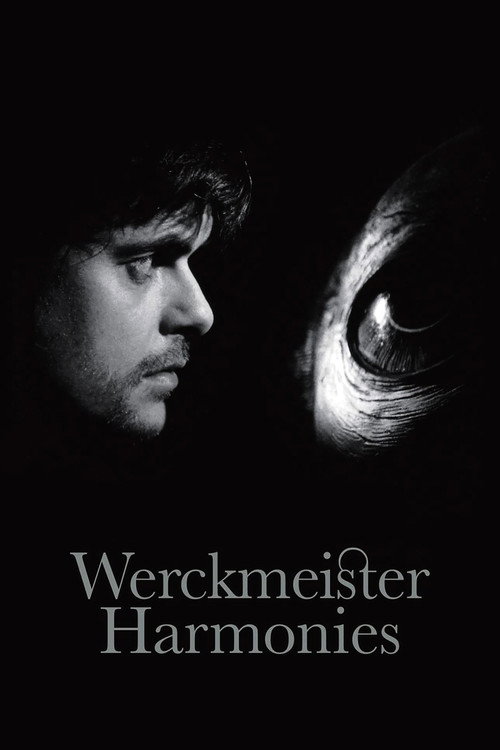
Werckmeister Harmonies2001
Béla Tarr's black-and-white Hungarian epic about apocalypse and collapse. Shares Lore's austere beauty and sense of a world ending. Hypnotic rather than comforting.
But Two hours forty minutes. Minimal plot. Long, static shots. Tests patience severely. Requires active surrender.
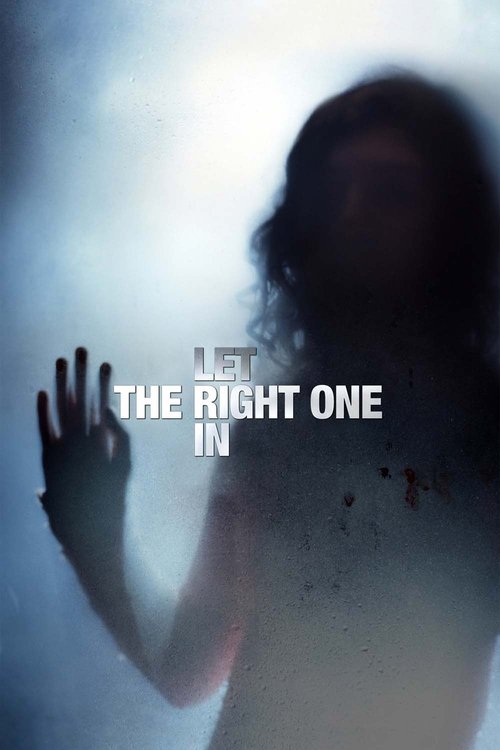
Let the Right One In2008
Tomas Alfredson's Swedish vampire film about isolation and connection between two damaged children. Tender and unsettling simultaneously—like Lore, it finds strangeness in emotional truth.
But More genre exercise than social realism. Relies on supernatural conceits where Lore stays grounded. Some find the tone inconsistent.
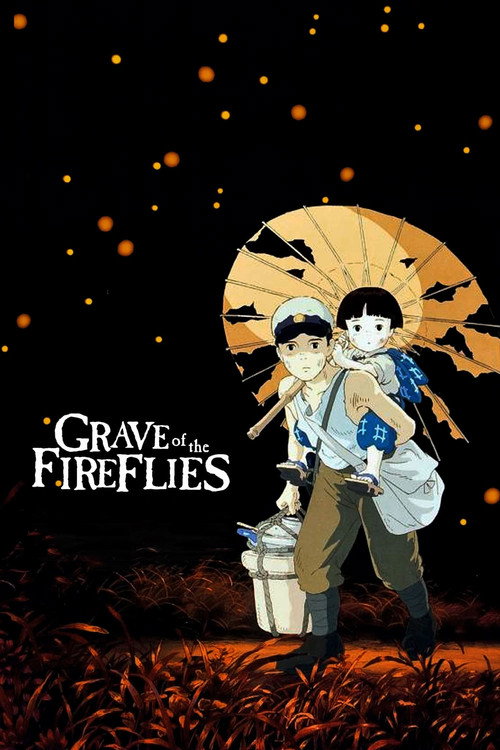
Grave of the Fireflies1988
Both are from different countries, both examining WWII's end through children's eyes with complete tonal control. Both refuse to make suffering redemptive or meaningful. Both demand you sit with grief without resolution. One major difference: this animates its devastation, making it visible in a way Lore keeps partially hidden.
Isao Takahata's anime masterpiece follows two siblings after Tokyo firebombs in 1945. Devastating portrait of wartime childhood without a single moment of sentimentality. The most haunting war film ever made—animated or otherwise.
But It is almost unbearably sad. Not because it manipulates you, but because it respects you enough to show you clearly what it means to starve. Many viewers find it too painful.
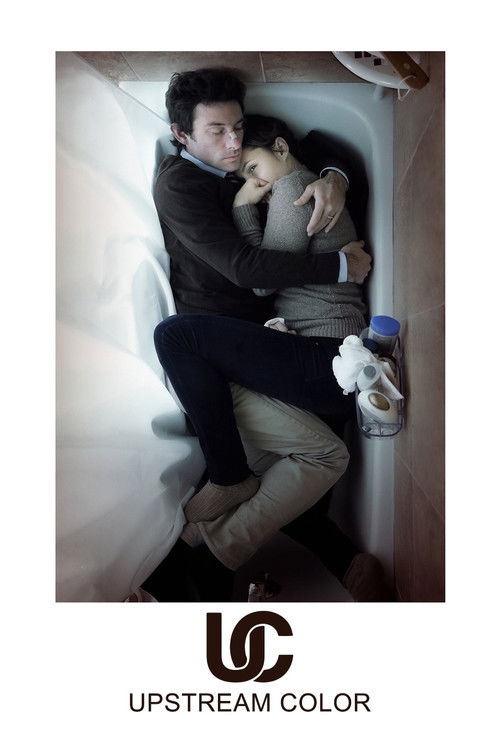
Upstream Color2013
Opposite in every register (contemporary US sci-fi abstraction versus 1945 German realism), but both insist on examining how identity and agency are colonised by external forces. Both are coldly beautiful. Both trust the viewer to feel without being told.
Shane Carruth's impossible, hermetic sci-fi about control and identity. Abstract where Lore is concrete, but identical in its commitment to showing moral corruption through cool formal distance. Hypnotic and genuinely strange.
But You may have no idea what's happening. No exposition. Assumes your active participation in meaning-making. Infuriates viewers who need clarity.
People
Cast
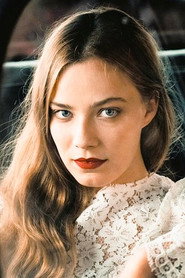 Saskia RosendahlLore
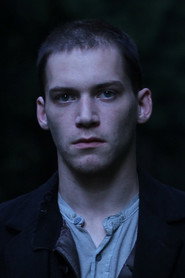 Kai-Peter MalinaThomas
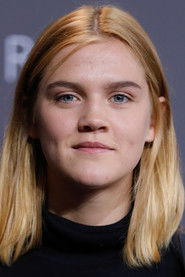 Nele TrebsLiesel
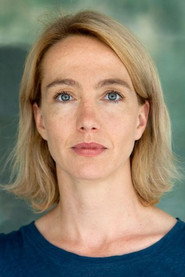 Ursina LardiMom
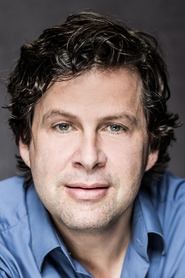
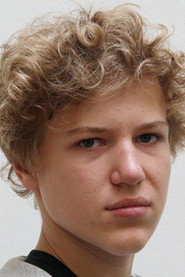 Mika SeidelJürgen
- André FridGünter
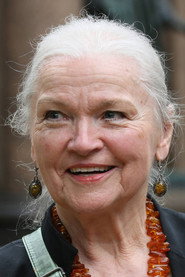 Eva-Maria HagenGrandma
- Mike VeidnerYoung German Soldier
- Nick HolaschkeBaby Peter
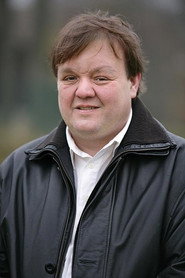 Sven PippigFarmer
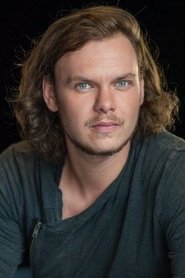 Philip WiegratzHelmut
Directing
- Cate ShortlandDirector
- Alisa LeptihnScript Supervisor
Writing
- Rachel SeiffertNovel
- Cate ShortlandScreenplay
- Robin MukherjeeScreenplay
- Franz RodenkirchenScript Editor
Production
- Anja DihrbergCasting
- Jacqueline RietzCasting
- Anita SheehanExecutive Producer
- Margaret MathesonExecutive Producer
- Vincent SheehanExecutive Producer
- Benny DrechselProducer
- Karsten StöterProducer
- Liz WattsProducer
- Paul WelshProducer
- Alex HowesResearcher
- Linda MicskoResearcher
- Nikola HoeltzResearcher