
Television series
Lore
Other titles called Lore: the 2012 film.
- Horror
- Dip in and out
Lore transforms folklore into history. Each episode traces a monster or myth back to the real events—plagues, murders, medical horrors—that spawned it. Aaron Mahnke narrates with the gravitas of a late-night historian as dramatic reconstructions, animation, and archives build a case that our darkest fears were once someone's documented reality. Hypnotic and genuinely unsettling.
Should you watch it?
Watch it if you like folk horror told as true history, where the eerie details come from real records and the narrator's calm voice does the heavy lifting on each strange legend.
Skip it if you want a scripted story with sustained characters, since each episode resets with a new case and the dramatized scenes can feel thin beside the narration.
What it asks of you: Each of its twelve episodes runs around 42 minutes, so you can pick them off one at a time; it is patient and unhurried, asking you to listen closely rather than be jolted.
Not sure? Find tonight's pick in a minute.
If you liked this
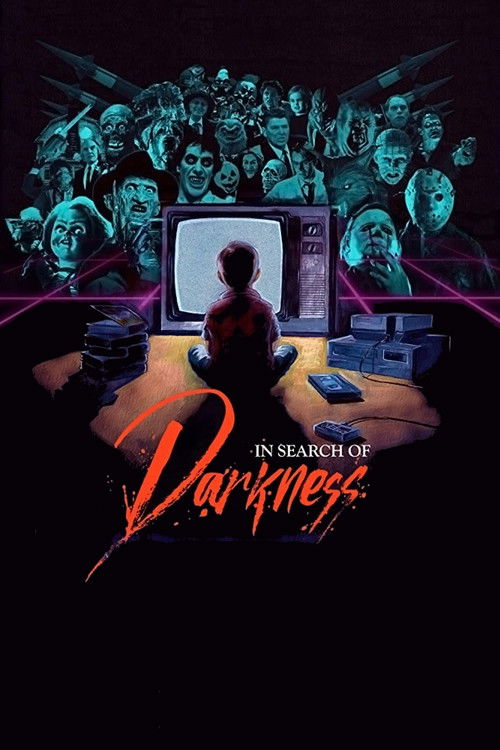
In Search of Darkness2019
Three-hour documentary that lovingly dissects 1980s horror cinema with clips, interviews and pure nostalgia. Essential for anyone who finds joy in slashers, creature features and practical effects pushing creative boundaries.
But Moves at a glacial pace and assumes deep familiarity with films most people haven't seen since the '80s. Can feel repetitive in structure.
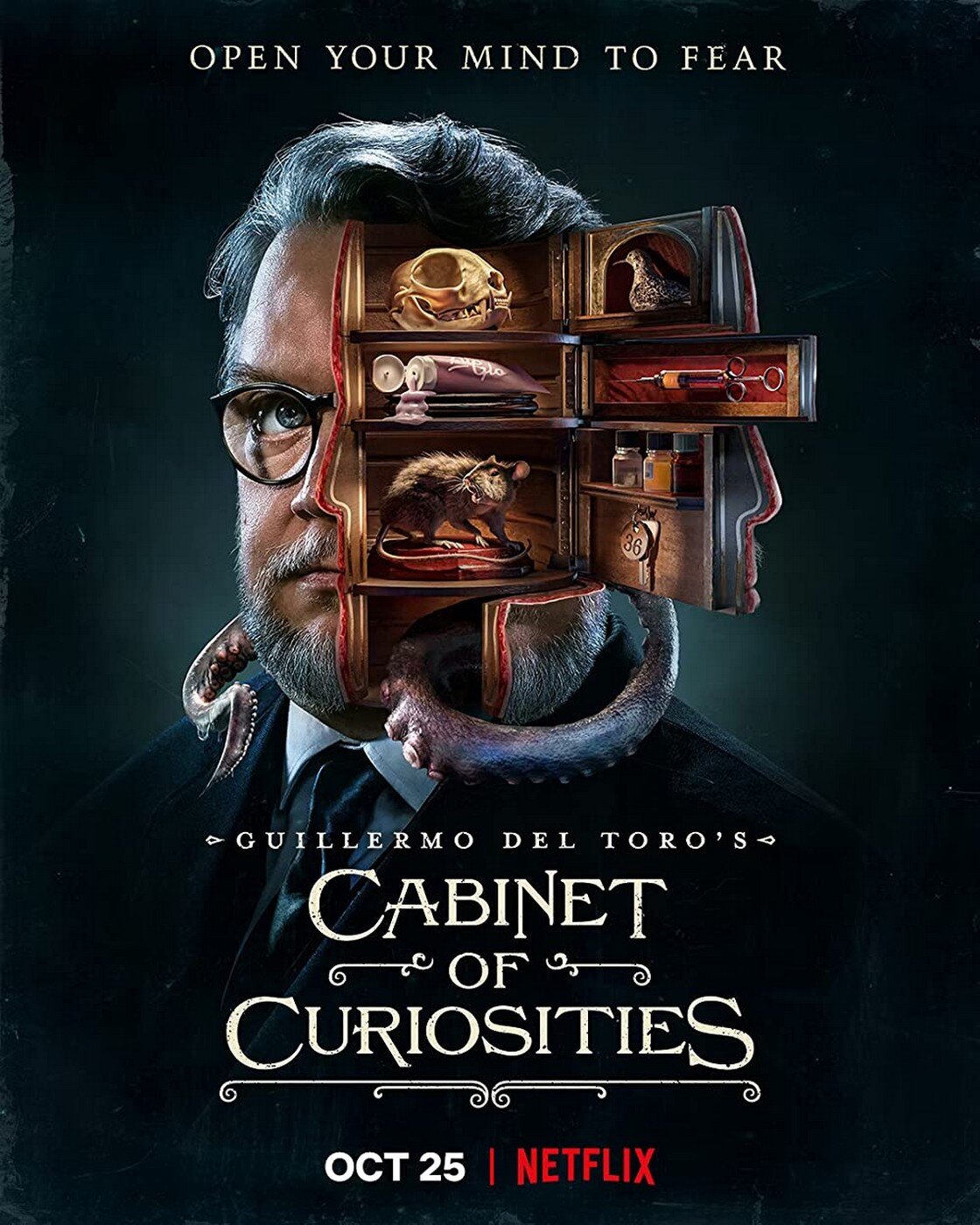
Guillermo del Toro's Cabinet of Curiosities2022
Guillermo del Toro's anthology treats the grotesque and macabre as art. Each standalone story finds horror and beauty in the weird, the forgotten, the discarded. Gorgeous cinematography elevates every tale.
But More poetic than plot-driven. Some episodes drift into melancholy rather than delivering scares, which can feel anticlimactic.
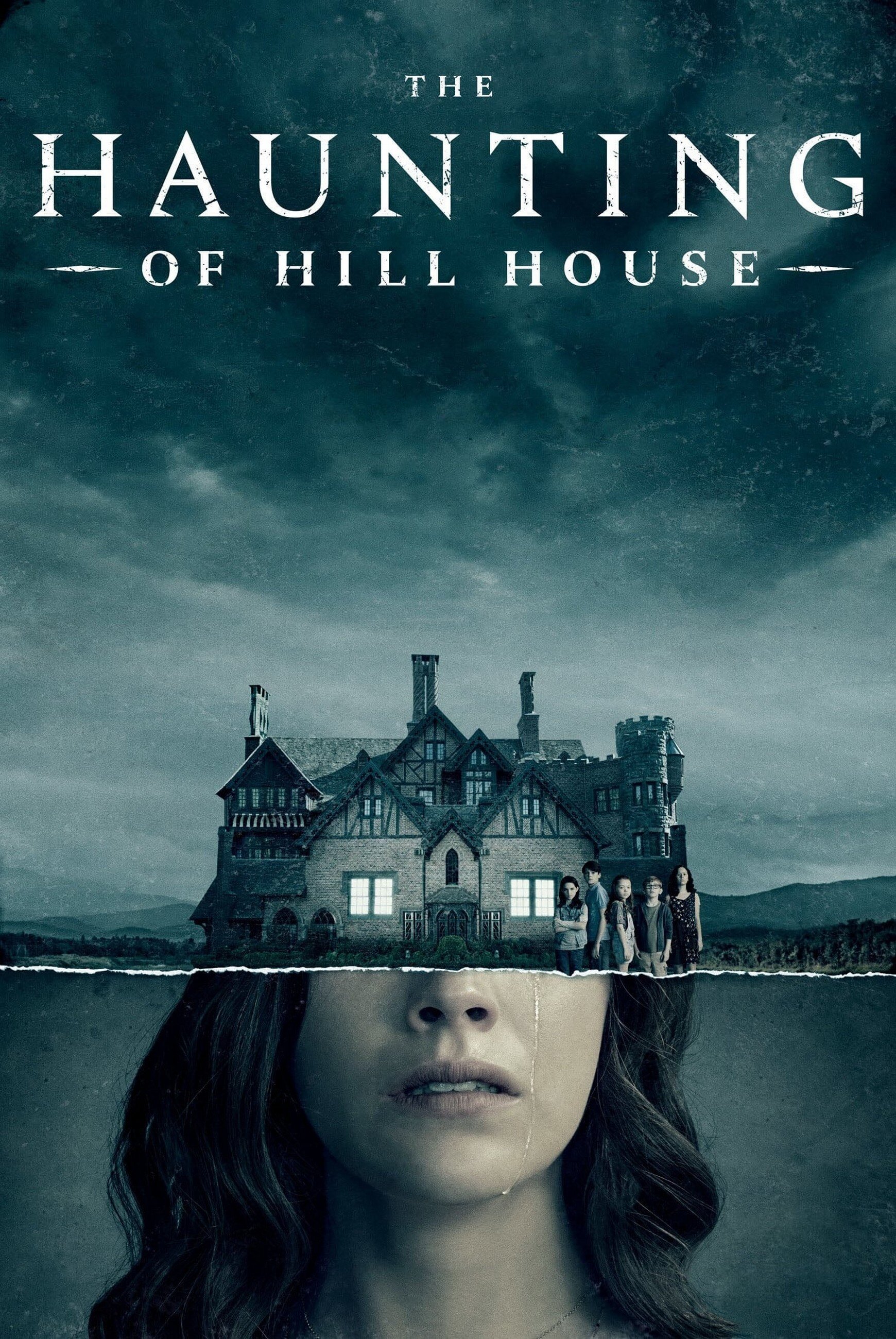
The Haunting of Hill House2018
Supernatural family drama where the house itself becomes a character holding trauma across generations. Masterful cinematography, genuine scares, and emotional weight that lingers after the credits roll.
But Grief and family dysfunction run deeper than ghost-hunting thrills. Some may find the pacing slow and prefer straightforward horror.
Not sure tonight? Get a pick in a minute, starting from Lore
The wildcard
Something you would not have found on your own.
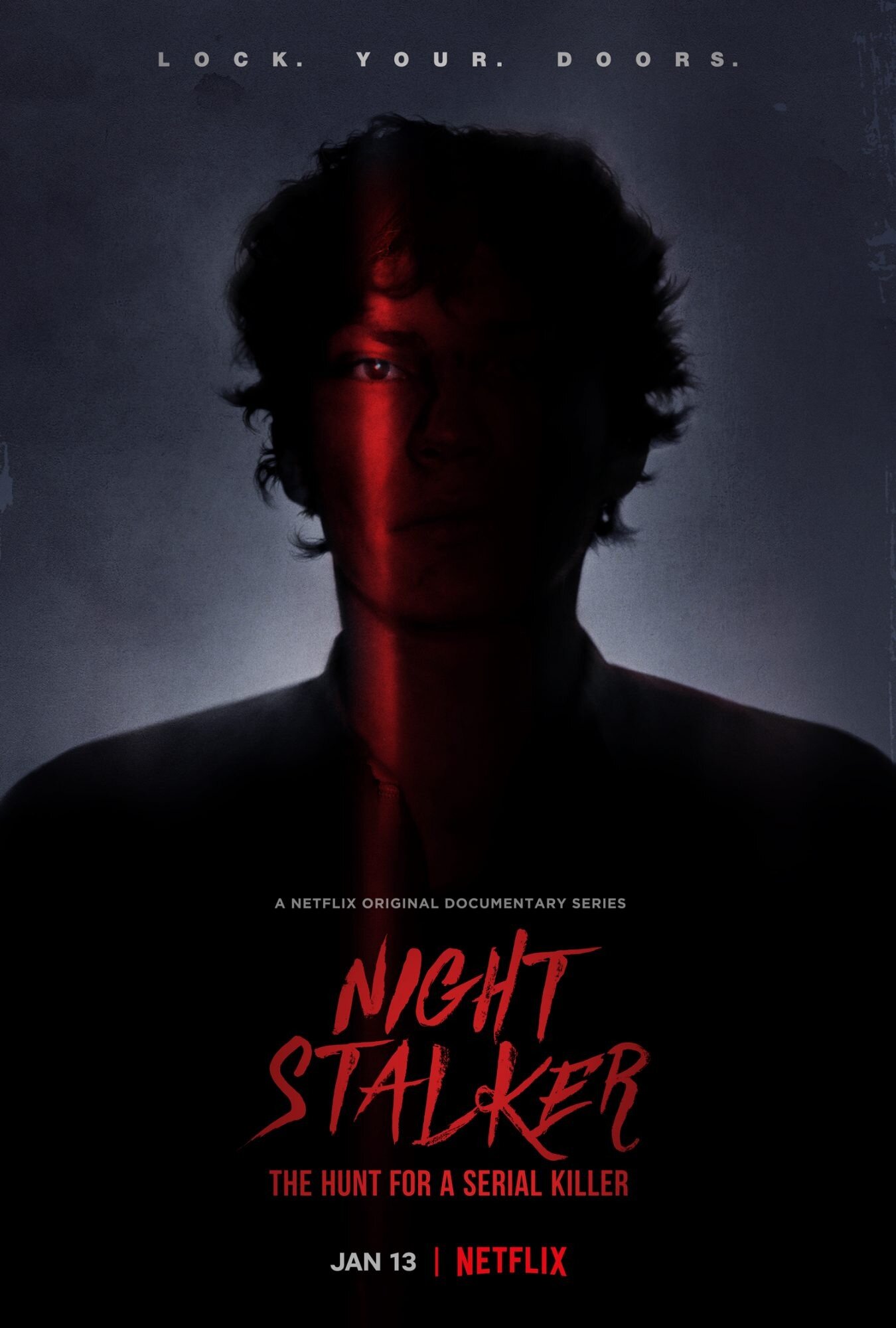
Night Stalker: The Hunt for a Serial Killer2021
Both treat folklore as a framework to explore real darkness. Night Stalker asks 'what if this legend was here, now, real?' while Lore asks 'what real event created this legend?' Flip sides of the same coin.
A Chicago reporter investigates cases the police won't touch—werewolves, vampires, hauntings. This 1970s series did what Lore does in reverse: documentary realism applied to impossible stories, creating genuine unease in every frame.
But Extremely slow by modern standards with heavy reliance on monologue and suggestion rather than jump scares or gore. Only two seasons made; each is deliberate rather than propulsive.
More like this (5)
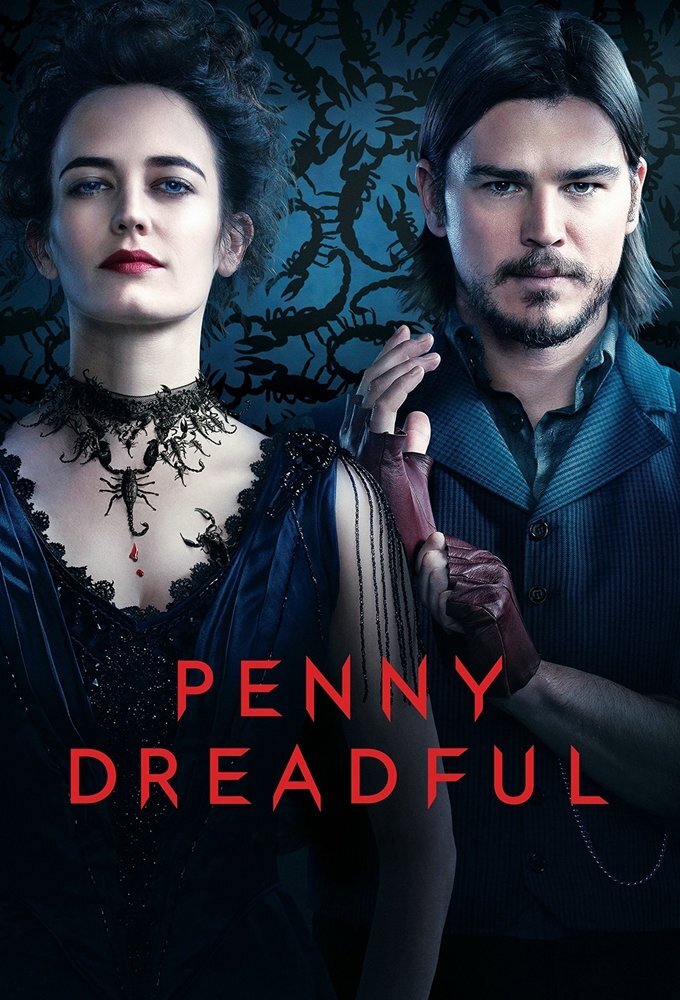
Penny Dreadful2014
Victorian gothic bringing literary monsters—Dracula, Frankenstein, the Mummy—into a shared world of gaslit streets and supernatural intrigue. John Logan's writing is dense, gorgeous, and operatic in scope.
But Assumes you know your classic literature. Plotlines can feel baroque and occasionally drag despite the beautiful production design.
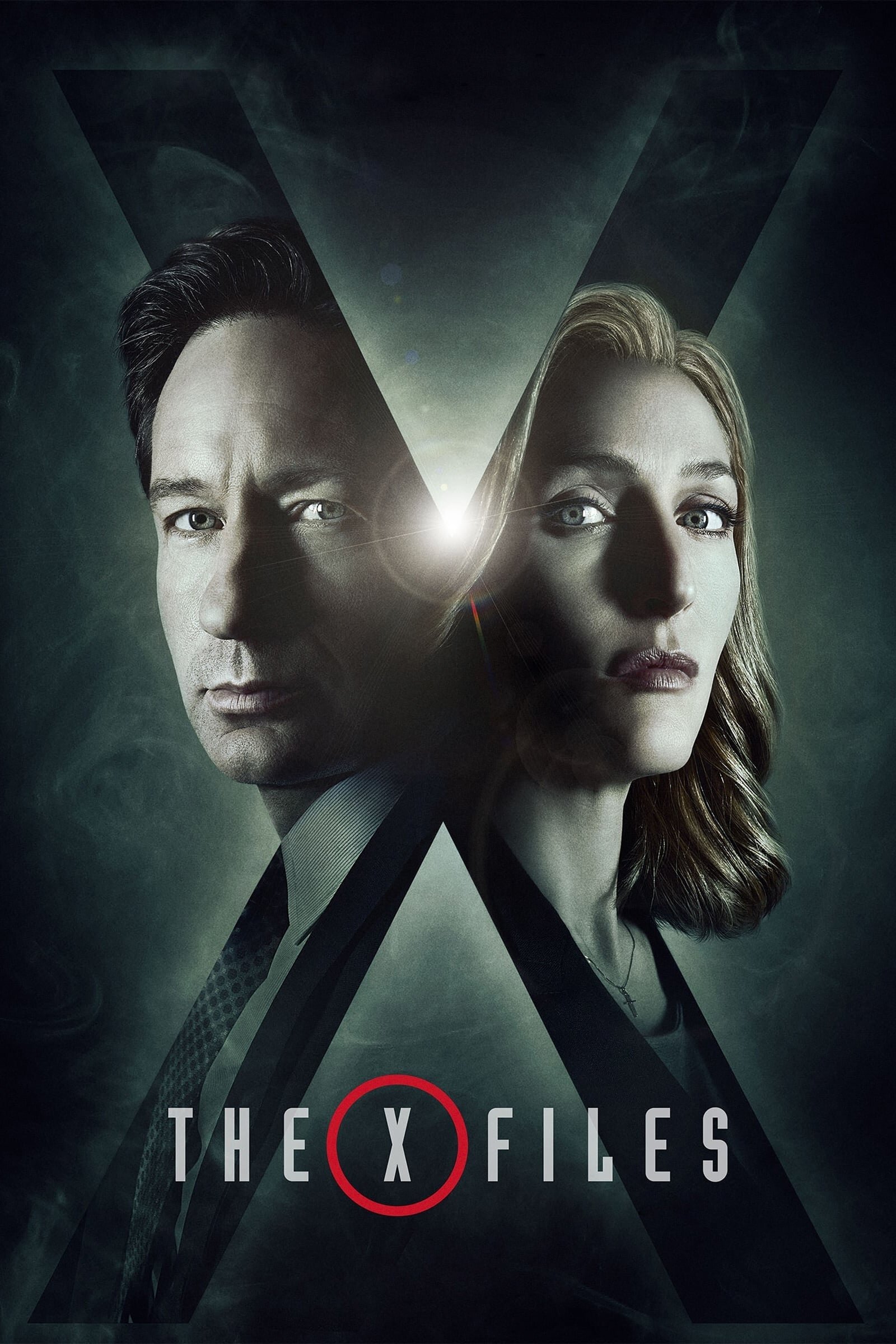
The X-Files1993
Mulder and Scully hunt real-world paranoia wrapped in procedural format. The mythology episodes build a vast conspiratorial universe; the monster-of-the-week stories range from absurdist comedy to genuine dread.
But Uneven quality across its long run. Later seasons lost narrative focus, and some '90s effects have aged poorly. Requires patience with slow burns.
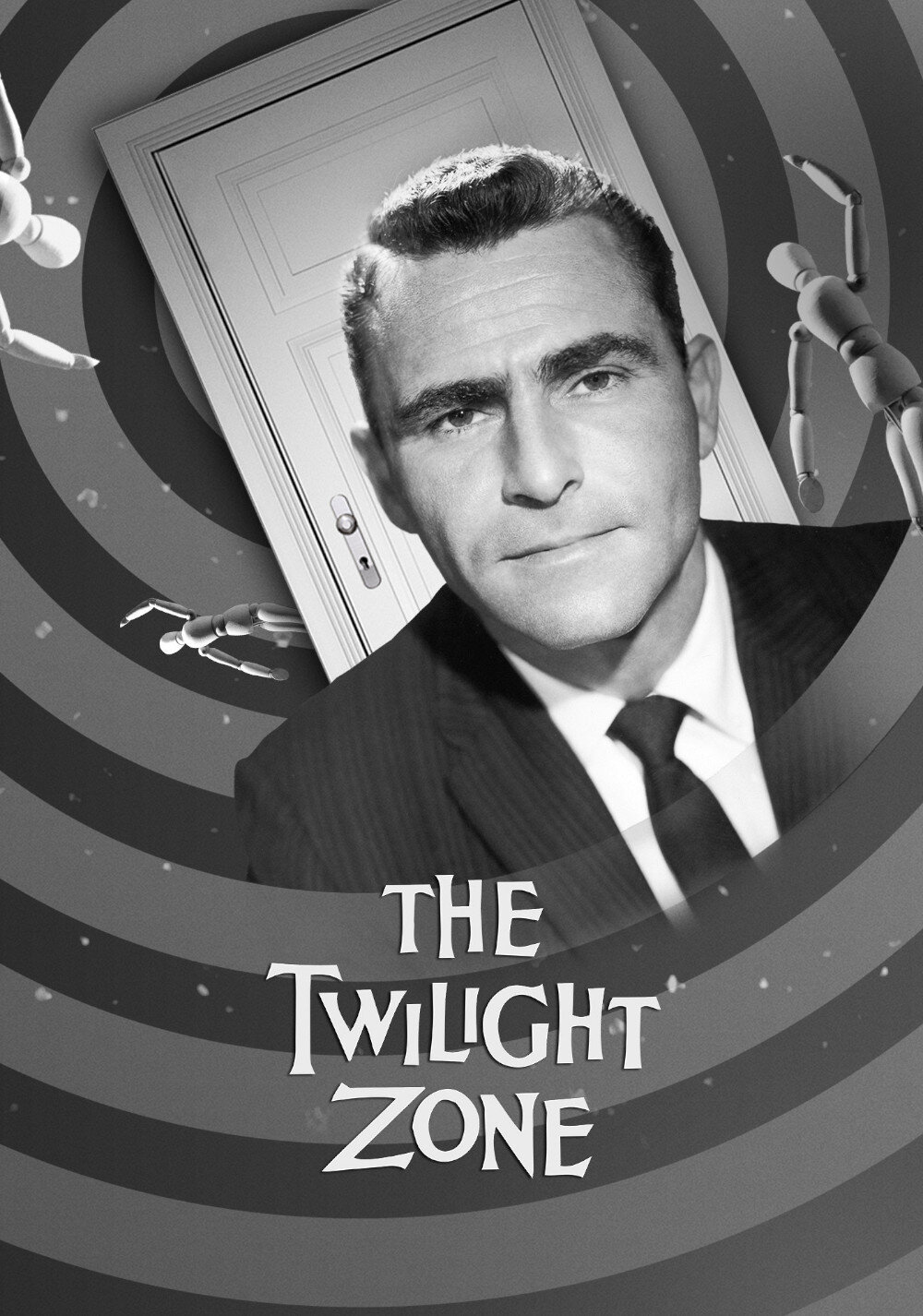
The Twilight Zone1959
Rod Serling's anthology proved science fiction and horror thrive in tight story structures. Each episode builds dread through concept rather than spectacle. Endlessly rewatchable and deeply influential on everything since.
But Black-and-white and deliberately slow. Modern viewers may find the pacing archaic and prefer stories that cut faster.
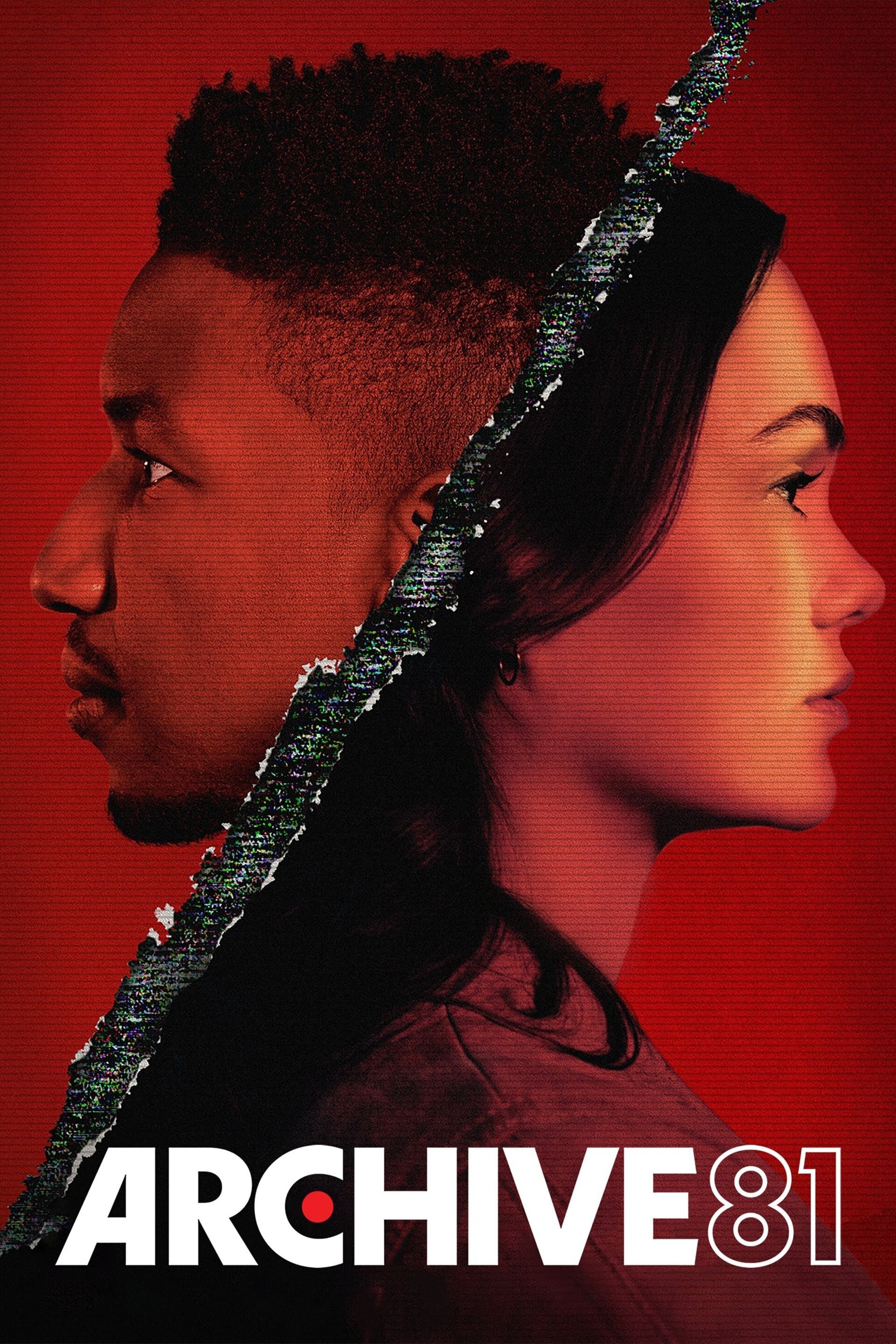
Archive 812022
A archivist unspools a mystery through damaged videotapes, cults, and parallel dimensions. Atmospheric puzzle-box that rewards close attention and respects your intelligence enough to let answers emerge gradually.
But Cancelled after one season on a cliffhanger. The mythology gets dense and demands active engagement; passive watching won't stick the landing.
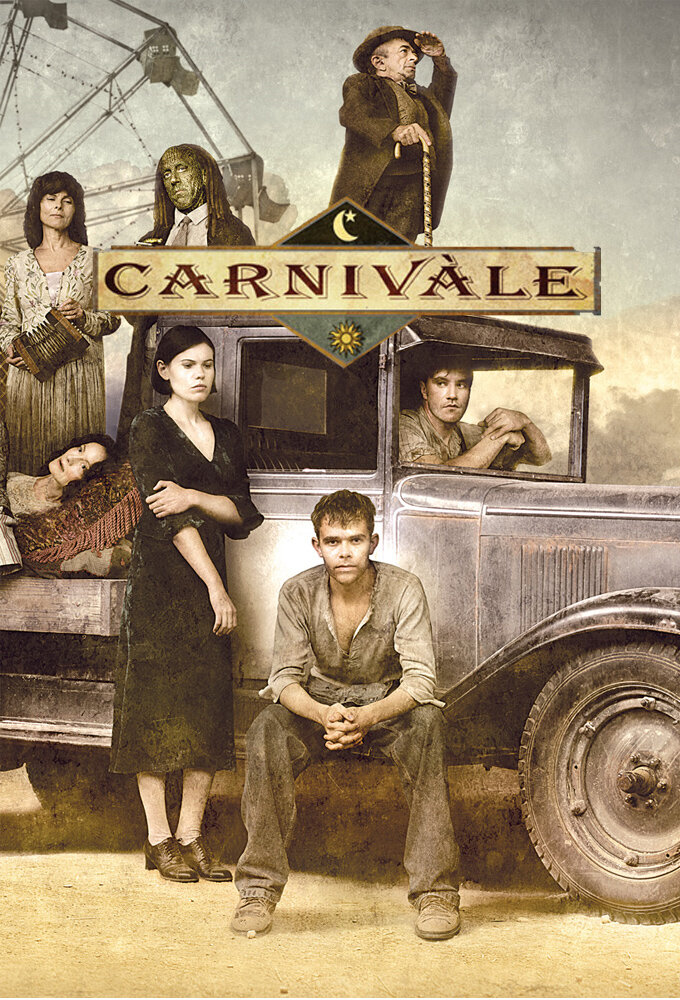
Carnivàle2003
Both locate the supernatural within American history's margins—Lore in documented atrocities, Carnivàle in the forgotten people and traveling shows that populated the Great Depression. Both argue that darkness has always been here, hiding in plain sight.
Depression-era carnival mystery where a troupe of misfits unearth something genuinely ancient and malevolent. Deliberately oblique storytelling, muted colour palette, and mythology that unfolds across two perfect seasons like a darkening dream.
But Cancelled on a cliffhanger after season two. Deliberately fragmented narrative means you'll spend episodes unsure what you're watching or why, and some never clarify. Demands absolute commitment.
People
Cast
 Aaron MahnkeNarrator
Writing
- Aaron MahnkeCreator
Production
- Ben SilvermanExecutive Producer
- Brett-Patrick JenkinsExecutive Producer
- Gale Anne HurdExecutive Producer
- Glen MorganExecutive Producer
- Howard T. OwensExecutive Producer
- Jonathan HalperinExecutive Producer
- Mark MannucciExecutive Producer
Recommended by
The Philco Television Playhouse, The Proof Is Out There, Expedition X, In Search of Monsters, The Read