
Film
Logistics
- Strange
- Slow-burning
Logistics is a 857-hour experimental film that follows a single shipping container from a Chinese factory to Sweden in real time. It's a meditation on the hidden infrastructure of global consumption, played out across five weeks of unbroken footage. Not entertainment in the conventional sense—it's a conceptual artwork that asks you to sit with boredom, geography, and the labour we never see.
If you liked this
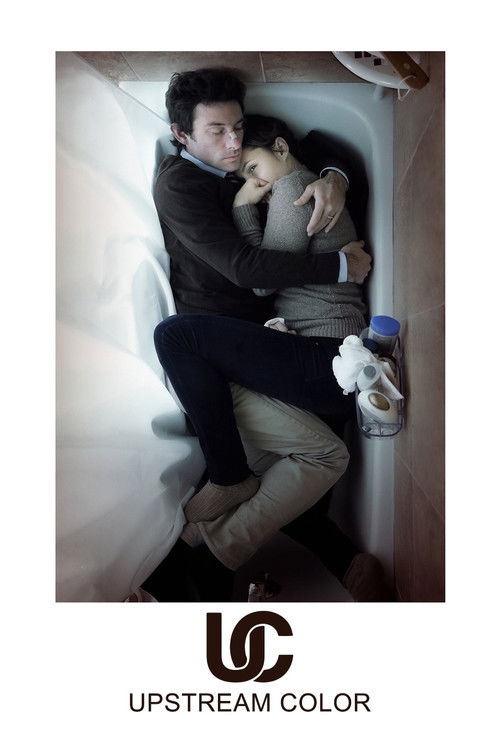
Upstream Color2013
Carruth's film shares Logistics's fascination with systems hidden in plain sight: how objects and people move through networks we don't fully understand. Hypnotic and strange, it rewards patience.
But It's deliberately opaque. You'll leave with questions unanswered and that might feel like a waste of time rather than an invitation.
Sans Soleil1983
Marker's essay-film meditates on time, memory, and the texture of the world in a way that shares Logistics's philosophical slowness. More lyrical, less austere, but equally patient with duration.
But It's a collage of images and voice-over. If you need narrative or narrative clarity, you'll find it frustrating and mannered.

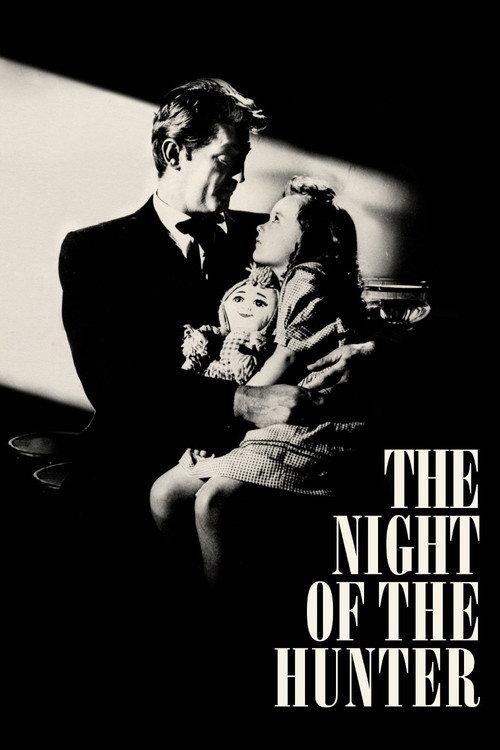
The Night of the Hunter1955
A journey film that transforms ordinary movement—a boy and girl fleeing down a river—into something mythic. It understands that travel stories can be about something far larger than arrival.
But It's a noir-tinged thriller from the 1950s; the pacing and moral universe will feel distant if you want contemporary sensibility.
Not sure tonight? Get a pick in a minute, starting from Logistics
The wildcard
Something you would not have found on your own.
The Act of Killing2012
Both understand that watching can be a form of moral engagement. Duration becomes complicity; you cannot look away passively. Both demand something of you.
Like Logistics, this is a work of immense duration (159 minutes) that uses time as a philosophical tool. It's a documentary that makes you sit with complicity and atrocity in ways conventional films cannot. Harrowing and necessary.
But It documents real genocide and asks perpetrators to reenact their crimes. It's not difficult in the way Logistics is; it's difficult because it asks you to watch evil and think about your own capacity for it.

More like this (7)
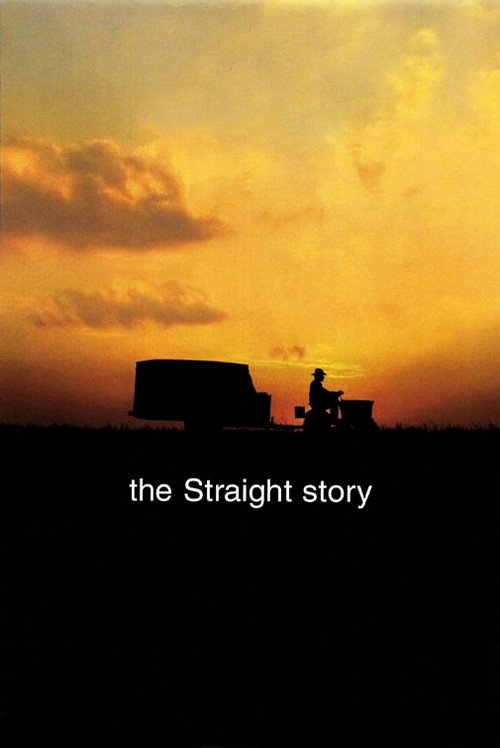
The Straight Story1999
Lynch's gentlest film is a road movie where almost nothing happens except movement and conversation. It's about the dignity of slowness in a culture obsessed with speed—a spiritual cousin to Logistics.
But It has almost no plot. If you watch it expecting drama or incident, you'll find it precious and thin.
Stalker1979
Tarkovsky's sci-fi meditation moves at a deliberate pace, asking you to feel time passing. Like Logistics, it trusts that duration itself can be a kind of argument.
But At 163 minutes, it's slow by conventional standards. Some will find it a test of endurance rather than a film.

Journey to Italy1954
Rossellini's film is a marriage on the rocks, but what matters is the journey—the couple moving through Naples. It invents the road-movie form and finds meaning in the everyday.
But Very little happens. If you want emotional drama or plot momentum, you'll find it remote and deliberately uneventful.

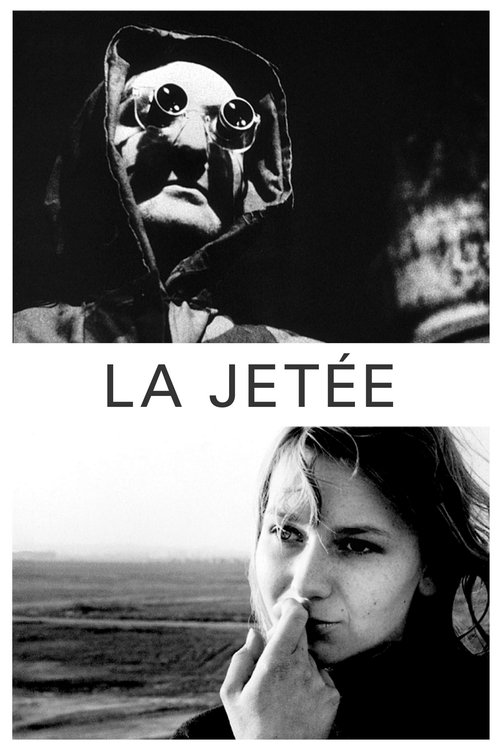
La Jetée1962
A 28-minute film almost entirely made of still photographs, it proves that duration and movement are concepts, not requirements. Time is the subject; the medium is almost beside the point.
But It's a short experimental film from 1962 with a dense, literary voice-over. Easy to admire, harder to love.
Jeanne Dielman, 23, quai du Commerce, 1080 Bruxelles1976
Chantal Akerman films three days in the life of a woman doing housework in real time. It's the closest thing to Logistics in traditional cinema: duration as argument, tedium as visibility.
But It's three hours of watching someone cook, clean, and perform sex work. The repetition is deliberate, not a flaw—but it will feel punishing if you resist it.

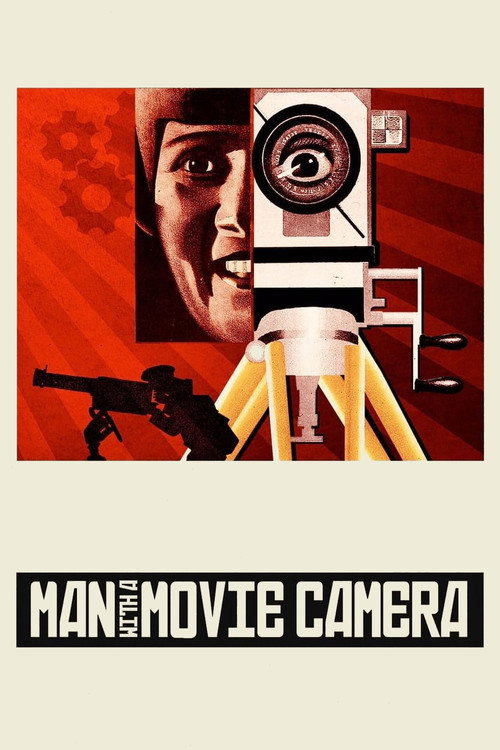
Man with a Movie Camera1929
Vertov's city symphony documents a day across Soviet urban life using montage and split-screen. It's about the vast coordination of human systems—labour, transport, commerce—made visible.
But Silent, avant-garde, and from 1929. It assumes a viewer comfortable with formal experimentation and no narrative comfort.
Koyaanisqatsi1983
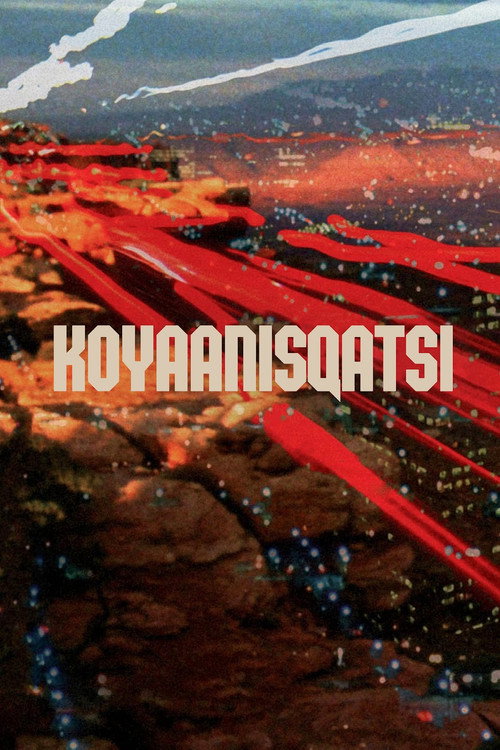
Logistics watches systems in real time; Koyaanisqatsi compresses them into montage. Both use duration and visual rhythm to argue that how we move resources through the world defines us.
A 87-minute visual poem about humanity's relationship to systems—agriculture, industry, technology—set to Philip Glass's hypnotic score. Like Logistics, it makes the invisible infrastructure of modernity visible, but through acceleration instead of slowness.
But It has no dialogue or narrative. If you need words to understand what you're watching, you'll find it baffling and self-indulgent.
People
Directing
- Daniel AnderssonDirector
- Erika MagnussonDirector