
Film
Sunday
A British actress mistakes a homeless man for a celebrated film director and pursues him for career guidance. What unfolds is a delicate, meandering character study about loneliness, desire, and the stories we tell ourselves to survive. It's contemplative and quietly strange, more interested in mood than plot—a film that asks what we owe each other when everything is assumed.
Should you watch it?
Watch it if you enjoy quiet, talky films where a case of mistaken identity becomes a gentle study of vanity, loneliness and the odd kindness of strangers.
Skip it if you need brisk plotting or a clear comic payoff, because this one moves at a loose, unhurried pace and its humour stays mostly wry and muted.
What it asks of you: Roughly ninety minutes with little plot pressure and long quiet stretches where conversation does the work, so settle in and let scenes breathe.
Not sure? Find tonight's pick in a minute.
If you liked this
Secrets & Lies1996
Mike Leigh's ensemble drama about a Black woman meeting her white birth mother for the first time. It's achingly human, funny without being safe, and finds profound emotional truth in ordinary interactions between people.
But It's nearly three hours of difficult family conversations. If you prefer plot momentum to psychological texture, it will feel slow and repetitive.

In the Mood for Love2000
Wong Kar-wai's masterpiece about two strangers who suspect their spouses are having an affair. Exquisitely composed, achingly romantic, and entirely about internal emotion rather than external action.
But It's extremely slow and stylised to the point of abstraction. If you need narrative momentum or dialogue to carry a film, the visual poetry alone may not sustain you.

The Remains of the Day1993
Anthony Hopkins as a butler who realises too late what he sacrificed for duty and service. Quietly devastating, perfectly acted, a meditation on regret and the lives we don't live.
But It moves at a stately pace and its emotional climax is deliberately muted. Some find the restraint moving; others find it emotionally distant.

Not sure tonight? Get a pick in a minute, starting from Sunday
The wildcard
Something you would not have found on your own.
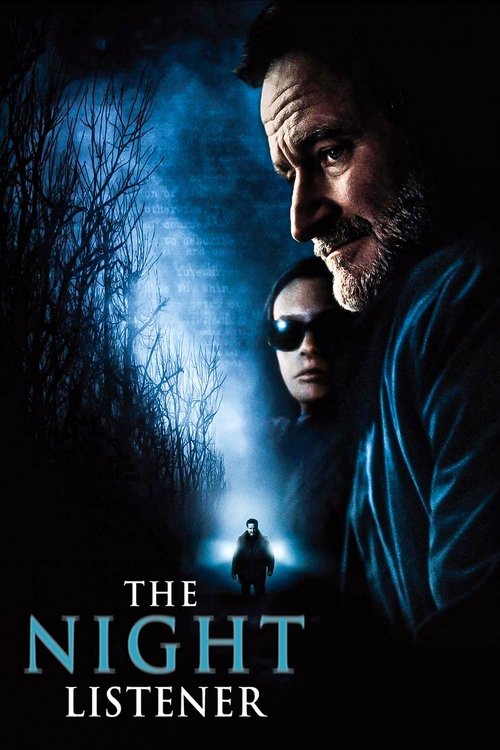
The Night Listener2006
Both films are built on mistaken identity and projection—we meet someone and imagine who they might be rather than seeing who they are. Both favour interiority and mood over explanation.
A woman called repeatedly by a stranger begins to imagine who he is and what he wants. It's a chamber piece about loneliness, projection, and connection mediated through distance—structured almost like a two-hander despite taking place primarily over the phone.
But It's literally a woman on a phone for much of the film. The entire drama is internal and vocal; if you need visual variety or external action, this will feel constrictingly static.
More like this (7)
Stalker1979
Tarkovsky's hypnotic science-fiction parable about a guide leading two men through a mysterious zone. Profound, meditative, asking fundamental questions about desire and what we truly want.
But It's 163 minutes of philosophical inquiry with minimal plot or dialogue. If you need conventional narrative satisfaction, this will test your patience severely.

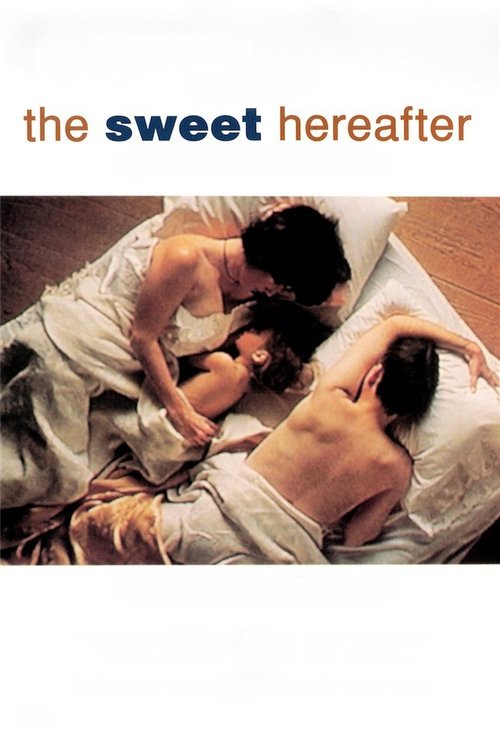
The Sweet Hereafter1997
Atom Egoyan's fragmented narrative about grief and loss after a school bus tragedy. Structurally ambitious, genuinely moving, and completely uninterested in easy answers or catharsis.
But The non-linear storytelling can feel deliberately opaque. It requires active attention and rewards interpretation rather than providing clear emotional beats.
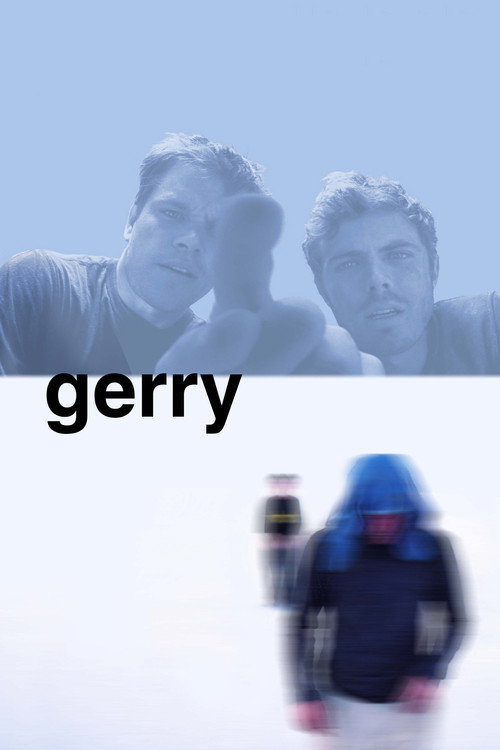
Gerry2002
Gus Van Sant's experimental portrait of two young men getting lost on a hiking trip. Beautifully shot, philosophically rich, and hypnotic in its commitment to observing rather than explaining.
But Almost nothing happens. Long static shots and minimal dialogue mean it's closer to visual art than traditional cinema. Many find it tedious rather than meditative.
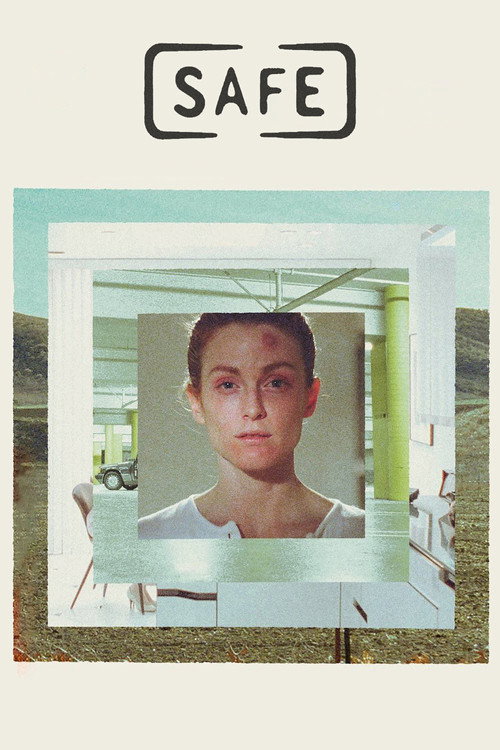
Safe1995
Todd Haynes' unsettling portrait of a woman experiencing mysterious environmental illness in an increasingly alienated world. Uniquely disorienting, formally accomplished, and genuinely unsettling.
But It's deliberately uncomfortable and the ambiguity about whether the illness is real or psychological will frustrate viewers seeking clear answers or resolution.
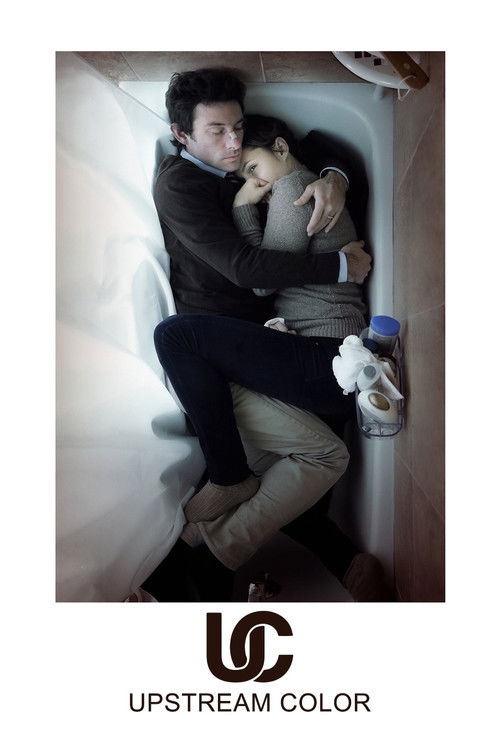
Upstream Color2013
Shane Carruth's hermetic mystery about two strangers linked by a parasitic conspiracy. Formally daring, genuinely strange, and rewards active interpretation and repeated viewings.
But It's cryptic to the point of opacity. If you expect a film to clearly explain its narrative and meaning, you'll likely walk away frustrated and confused.
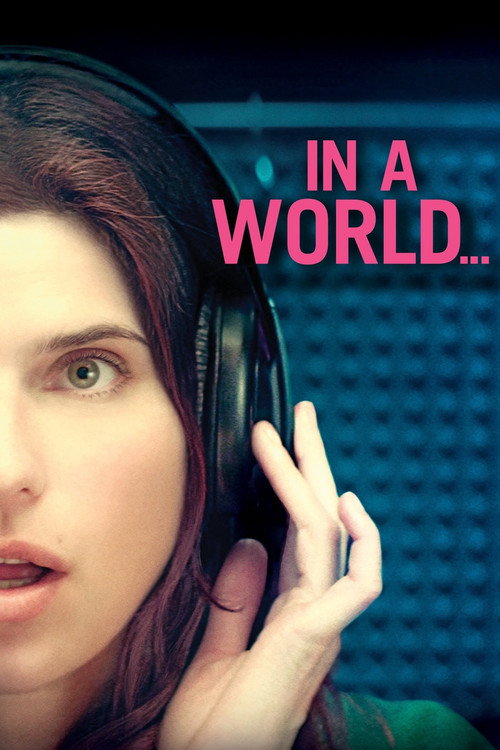
In a World...2013
Both centre on performers chasing validation from someone they mistake for authority. Both are interested in what hunger for recognition does to a person, and how it distorts perception.
Lake Bell's sardonic comedy about a struggling voice actress desperate for industry recognition from her famous father. It's funny, tender, and genuinely interested in minor people wanting small impossible things.
But It's a micro-budget indie with no stars and a patchwork tone. Some scenes miss; the film sometimes doesn't know if it's comedy or drama, which can feel unfocused rather than refreshingly unpredictable.
Play2005
Like *Sunday*, it's fundamentally about encountering strangers and the stories we project onto them. It's a mirror to *Sunday*'s narrative—where that film asks what strangers owe each other, *Play* asks what we owe to the strangers we observe without their knowledge.
A completely wordless 90-minute film in which a stranger walks through Liverpool and is filmed by three different cameramen from three different angles simultaneously. An avant-garde meditation on surveillance, presence, and what it means to move through public space.
But There is literally no dialogue, no plot, and no conventional narrative reason to watch it. For most viewers, it will feel like a formal exercise rather than an experience designed to move or entertain.

People
Cast
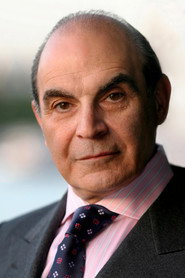 David SuchetOliver / Matthew Delacorta
 Lisa HarrowMadeleine Vesey
 Jared HarrisRay
- Arnold BarkusAndy
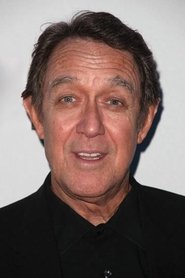 Larry PineBen Vesey
- Bahman SoltaniAbram
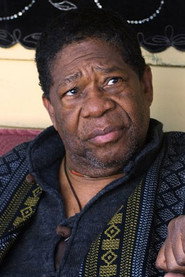 Willis Burks IISelwyn
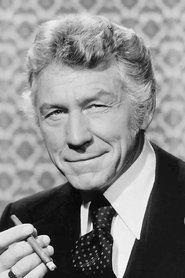 Joseph SirolaJoe Subalowsky
- Kevin ThigpenDavid
- Chen Tsun KitHimself
 Yeon Joo KimSuky Vesey
Directing
- Jonathan NossiterDirector
Writing
- James LasdunScreenplay
- Jonathan NossiterWriter
Production
- Danny LernerAssociate Producer
- Heidi BettiniAssociate Producer
- Robert JirasAssociate Producer
- Mali FinnCasting
- DJ PaulExecutive Producer
- George PezyosExecutive Producer
- Hisami KuroiwaExecutive Producer
- Jed AlpertExecutive Producer
- Agios KatsikakisProducer
- Alix MadiganProducer
- Andrew FierbergProducer
- Jonathan NossiterProducer