
Film
Play
Other titles called Play: the 2011 film.
A Chilean film about two people orbiting each other's lives without quite connecting—a study in proximity and loneliness wrapped in the mundane texture of everyday life. It moves slowly, observing silence as much as dialogue, and asks whether some separations are about circumstance or something deeper. Best for viewers comfortable with ambiguity and small, quiet heartbreak.
If you liked this
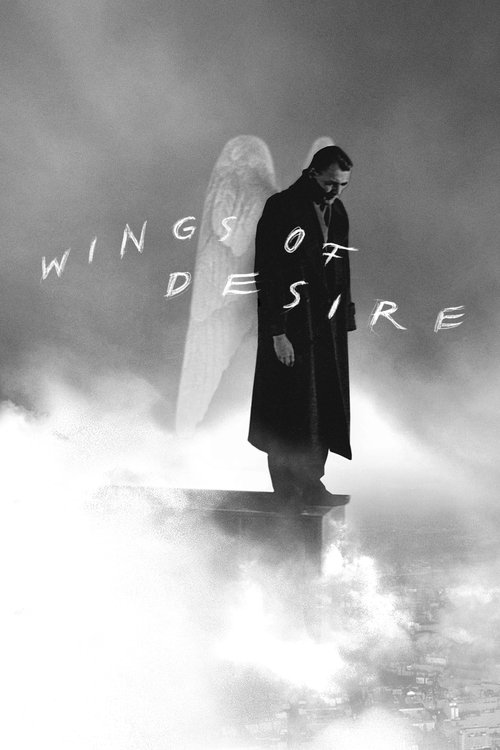
Wings of Desire1987
Wim Wenders' meditation on watching and longing from a distance. Two angels observe Berlin and its inhabitants, capturing that ache of seeing someone without being able to touch them, with gorgeous, patient cinematography.
But Very long, deliberately slow, and the philosophical weight can feel heavy. Requires patience with abstraction over plot.
Mulholland Drive2001
Nabokov-like puzzle about two women whose paths cross in Los Angeles, spiraling through Hollywood ambition and thwarted connection. Hypnotic, darkly funny, and structurally brave in ways that unlock on second viewing.
But The non-linear narrative demands active engagement. If you're watching passively, you'll lose the thread and resent the film for it.

In the Mood for Love2000
Wong Kar-wai's masterpiece about two neighbours who discover their spouses are having an affair, and slowly fall for each other across carefully choreographed apartment walls. Gorgeous and achingly romantic in its restraint.
But Gorgeousness can tip into preciousness. Some find the slowness and visual excess exhausting rather than moving.

Not sure tonight? Get a pick in a minute, starting from Play
The wildcard
Something you would not have found on your own.
Hiroshima Mon Amour1959
Both circle around presence without possession—lovers who exist beside each other rather than together, separated by invisible but absolute barriers that no amount of proximity can breach.
Alain Resnais and Marguerite Duras' fragmented masterpiece about a French actress and Japanese architect in post-war Hiroshima, unable to truly know each other across language, history, and trauma. Dense with formal innovation and genuine ache.
But The fractured chronology and essayistic interlocking of personal and historical trauma can feel impenetrable. Requires surrendering to mood over comprehension.

More like this (5)
A Ghost Story2017
A man returns as a ghost to watch his wife grieve and move on, unable to connect or communicate. Uses genre trappings to explore time, presence, and the unbridgeable gap between the living and dead.
But The central image—a sheet-covered figure—can read as gimmicky. The pacing is glacial and deliberately frustrating.

The Farewell2019
Lulu Wang's semi-autobiographical film about a family's decision to hide a terminal diagnosis from their grandmother. Finds comedy and tragedy in miscommunication and cultural collision, with real warmth beneath the dysfunction.
But Tonal shifts from comedy to grief can feel jarring. Some emotional beats land harder on second viewing than the first.

Stalker1979
Tarkovsky's science-fiction meditation on desire and the search for meaning. Three men journey through a mysterious zone toward a room that grants wishes—if they can articulate what they truly want. Hypnotic and philosophical.
But 163 minutes of deliberate, meditative cinema. If you need plot momentum or conventional narrative, this will feel interminable.

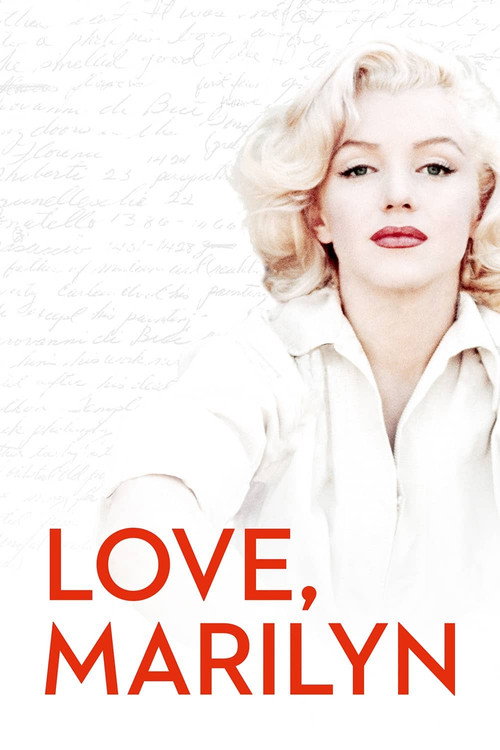
Love, Marilyn2013
A documentary-essay about Marilyn Monroe constructed from her own journals and letters, read by contemporary actresses. Creates an intimate portrait of a woman constantly misread and never quite known, even by those closest to her.
But Essayistic structure frustrates viewers seeking chronological biography. Some feel it romanticizes rather than clarifies her life.
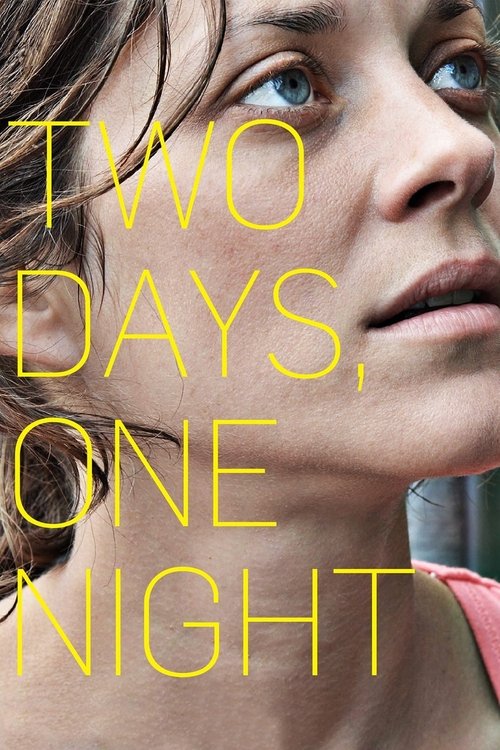
Two Days, One Night2014
The Dardenne brothers' portrait of a woman fighting to save her job after being laid off during mental illness recovery. Quiet social realism about precarity and the small humiliations of modern work and need.
But Bleak and repetitive by design—the job search becomes wearing. Not a feel-good narrative, just steady accumulation of small disappointments.
People
Cast
- Viviana HerreraCristina
- Juan Pablo QuezadaManuel
- Francisco CopelloMilos
 Aline KüppenheimIrene
 Andrés UlloaTristán
- Mateo IribarrenJimenéz
 Marcial TagleVargas
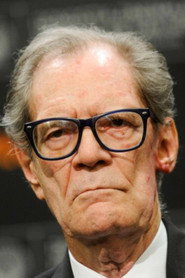
- Mauricio DiocaresYoung Man
 Pepa San MartínBar Owner
 Jorge AlisRicardo
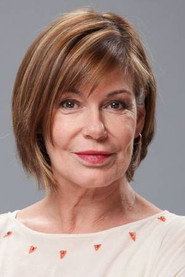 Coca GuazziniLaura
Directing
- Waldo SalgadoAssistant Director
- Rocio RiveraContinuity
- Alicia SchersonDirector
- Rosario OnettoSecond Assistant Director
- Pepa San MartínThird Assistant Director
Writing
- Alicia SchersonWriter
Production
- Claudio RodríguezCasting
- Becky GarelloExecutive Producer
- Macarena LópezExecutive Producer
- Nathalie TraffordExecutive Producer
- Sergio GándaraExecutive Producer
- Eduardo LobosOther
- Macarena LópezProduction Director