
Film
Play
Other titles called Play: the 2005 film.
Play reconstructs the true story of a gang of Swedish boys aged 12–14 who orchestrated nearly 40 robberies using elaborate psychological manipulation rather than violence. Director Ruben Östlund captures the strange, unsettling intelligence of children performing adulthood—how they code-switch, posture, and exploit trust. It's uncomfortable and fascinating, asking what makes a kid a criminal and what we've failed to understand about them.
Should you watch it?
Watch it if you are drawn to slow, watchful films that let a social game unfold through long, still frames and leave you to work out its moral mechanics yourself.
Skip it if you need emotional access to characters, since the film keeps its young figures at a cool remove and its pacing can feel like watching a case study unspool.
What it asks of you: Expect a two-hour, unhurried watch with long takes that hold on faces and silences, and very little music to tell you how to feel.
Not sure? Find tonight's pick in a minute.
If you liked this
We Need to Talk About Kevin2011
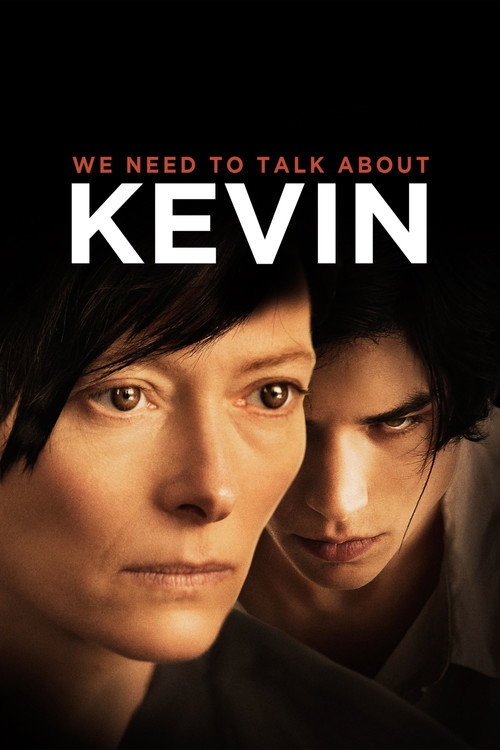
Like Play, this examines childhood monstrosity without easy judgment. Both films refuse to turn their young subjects into simple villains, instead exploring how circumstance and psychology can warp a child's moral compass.
But It's bleaker and more deliberately provocative than Play, with a structure that can feel punishing. Some viewers find it exploitative rather than illuminating.
City of God2002
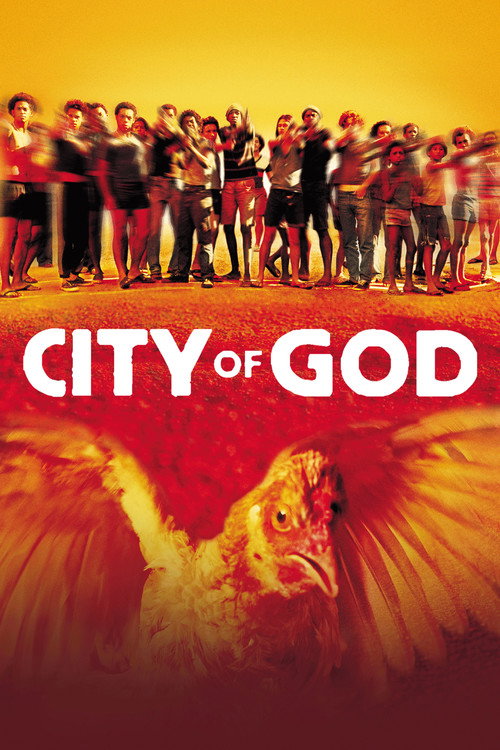
This Brazilian film captures the same collision of childhood and organized crime, showing kids drawn into violence by their environment. It has the same propulsive energy and moral clarity about systemic failure, but with explosive style.
But The stylistic flourishes—rapid cuts, bright colors—distance you emotionally in ways some find glib given the real suffering depicted.
Winter's Bone2010
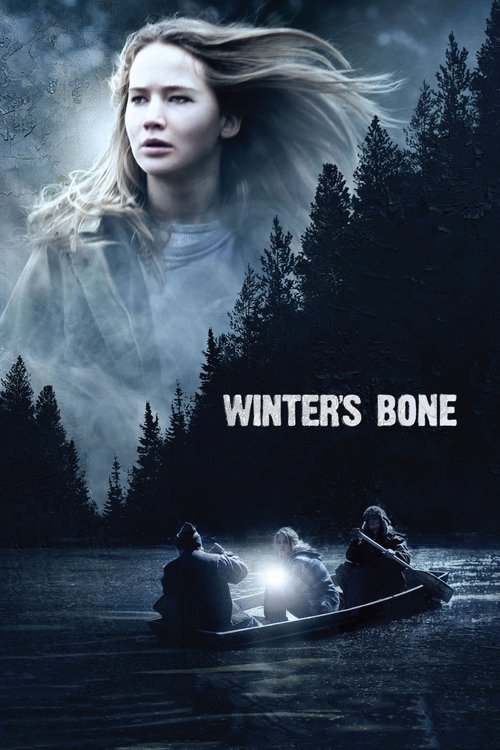
A portrait of a teenage girl surviving in a brutal world by learning the unspoken rules of her community. Like Play, it treats youth intelligence with complete seriousness and refuses sentimentality or melodrama.
But The pacing is deliberately slow, almost suffocating. If you want momentum, this will test your patience.
Not sure tonight? Get a pick in a minute, starting from Play
The wildcard
Something you would not have found on your own.
Chungking Express1994
Both films are fascinated by how young people present themselves to the world and construct identity through style, relationship, and urban space—just with opposite aesthetics and moral registers.
Wong Kar-wai's film is formally opposite to Play—bursting with colour, romance, and style—but it's equally about young people performing versions of themselves in urban environments. It captures that mixture of vulnerability and performed coolness that defines youth.
But It's lyrical and dreamy rather than grounded. If you want realism and social critique, not romantic poetry, you'll feel the film is working in the wrong register.

More like this (6)
The Florida Project2017
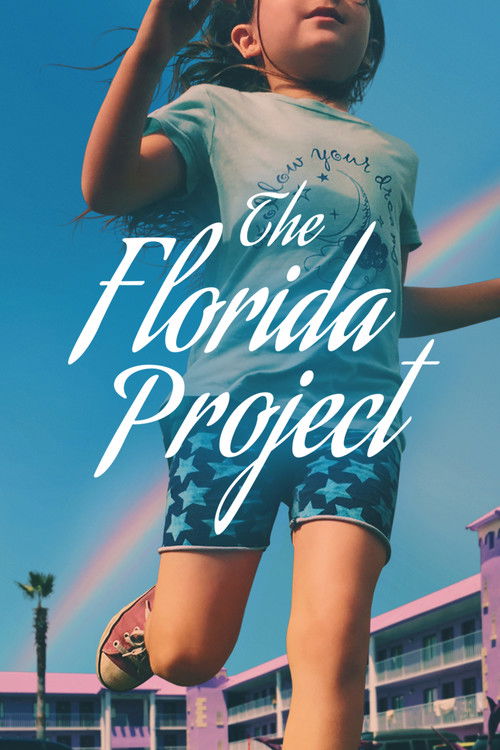
Sean Baker's film observes children in poverty with affection and without judgment, showing how they make meaning and play within economic collapse. It captures that same sense of kids operating in a world designed to defeat them.
But It's structurally baggy and some scenes feel indulgent. The ending's tonal shift may feel unearned or heavy-handed to you.
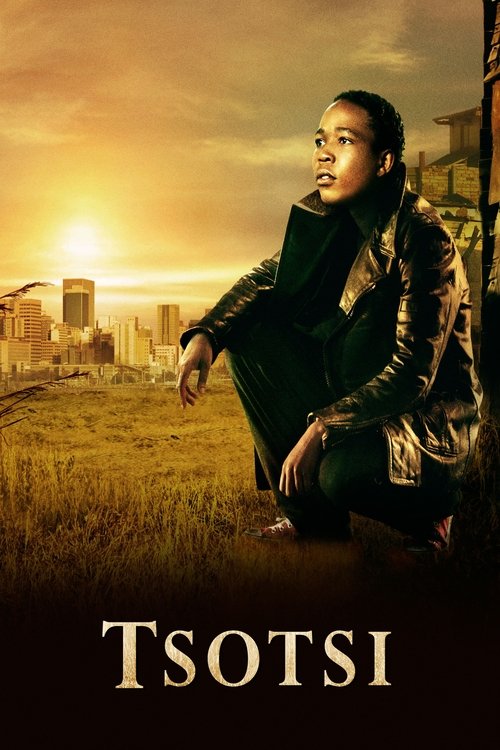
Tsotsi2005
A South African boy joins a gang and commits a terrible crime. Like Play, it traces how young people construct identity through violence and status, and asks whether they can ever be redeemed. Visceral and humane.
But The melodramatic third act undercuts some of the film's earlier moral ambiguity. It wants you to feel better than Play does.
Kes1970
Ken Loach's film about a working-class English boy finding brief transcendence through a hawk. It's about childhood potential crushed by class and indifference. The affection for its protagonist is devastating.
But The dialect can be hard to follow, and the film's slowness might feel antiquated. The ending is almost unbearably sad.

Elephant2003
Gus Van Sant's response to Columbine follows several teenagers through an ordinary school day before a shooting. It's observational and eerie, treating perpetrators and victims with the same patient attention Play gives its young criminals.
But It's deliberately opaque about causation, which some find frustrating rather than profound. The real tragedy it references may be too raw.

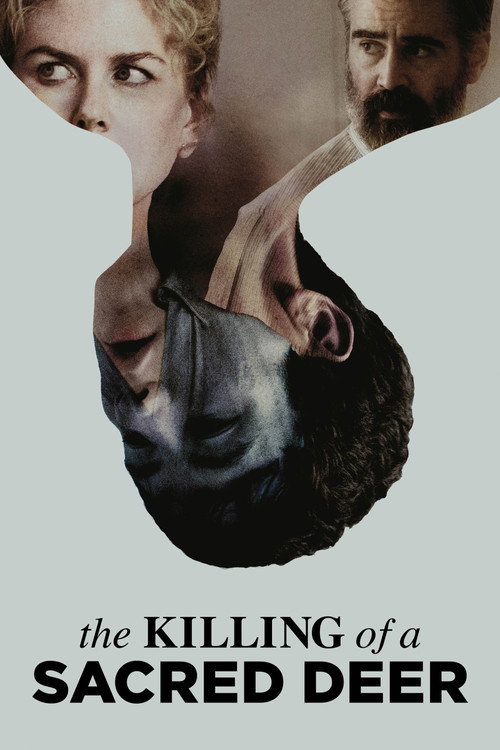
The Killing of a Sacred Deer2017
Yorgos Lanthimos creates unbearable tension through a child's quiet presence and moral power. Like Play, it's about young people wielding intelligence and understanding adult weakness—but weaponized and supernatural.
But It's aggressively mannered and cold. If you want emotional warmth or naturalism, the style will alienate you.
A Prophet2009
A young Arab-French man learns to survive and manipulate within prison society. It shares Play's interest in how children and young people study systems and master them through observation, performance, and calculated risk.
But It's a long prison drama with moments of graphic violence. The narrative can feel like a familiar crime trajectory rather than offering real insight.

People
Cast
- Anas AbdirahmanAnas
- Sebastian BlyckertSebastian
- Yannick DiakitéYannick
 Kevin VazKevin
- John OrtizJohn
- Abdiaziz HilowleAbdi
- Sebastian HegmarAlex
- Nana ManuNana
- Jacob OttanderBoy in Mall
- Herman TroengBoy in Mall
- Tobias ÅkessonTrain Attendant
- Peggy JohanssonTrain Attendant
Directing
- Katja WikAssistant Director
- Ruben ÖstlundDirector
- Mattias EkFirst Assistant Director
Writing
- Erik HemmendorffWriter
- Ruben ÖstlundWriter
Production
- Katja WikCasting
- Philippe BoberCo-Producer
- Alexander BohrExecutive Producer
- Gunnar CarlssonExecutive Producer
- Jessica AskExecutive Producer
- Peter PossneExecutive Producer
- Marie KjellsonLine Producer
- Sarah NagelLine Producer
- Michael SevholtPost Production Coordinator
- Erik HemmendorffProducer
- Sofia AspeheimProduction Manager
Recommended by
Mother, Julien Donkey-Boy, An Actor Prepares, The Bull, Fortuna