
Film
Julien Donkey-Boy
- Family drama
- Very dark
Harmony Korine's debut feature is a deliberately fractured, handheld descent into the domestic chaos of a schizophrenic young man. Shot in DV with a Dogme 95 commitment to rawness, it's visually unmoored and emotionally suffocating—less narrative than lived-in nightmare. For those who prize uncompromising formal ambition and don't need their suffering polished.
If you liked this
Requiem for a Dream2000
Aronofsky's portrait of addiction across four lives uses form and music to trap you inside desperation. If you connected with Julien's fractured reality, this pushes deeper into the texture of psychological collapse.
But It's relentlessly bleak and uses its technical virtuosity to make suffering almost unbearable. Harder to watch on repeat than to admire in principle.

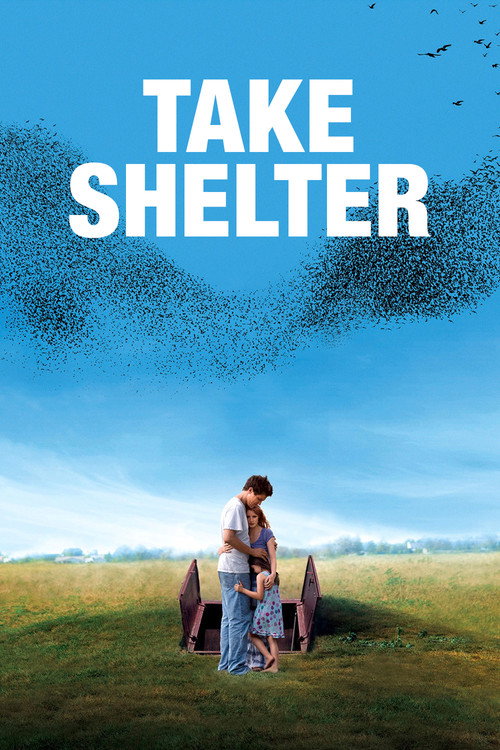
Take Shelter2011
Michael Shannon as a man gripped by apocalyptic visions he can't verify. It mirrors Julien's isolation but grounds itself in a recognizable world, making the internal chaos feel closer and more terrifying.
But The pacing is deliberately slow and the ending ambiguous in ways some find frustrating rather than profound.
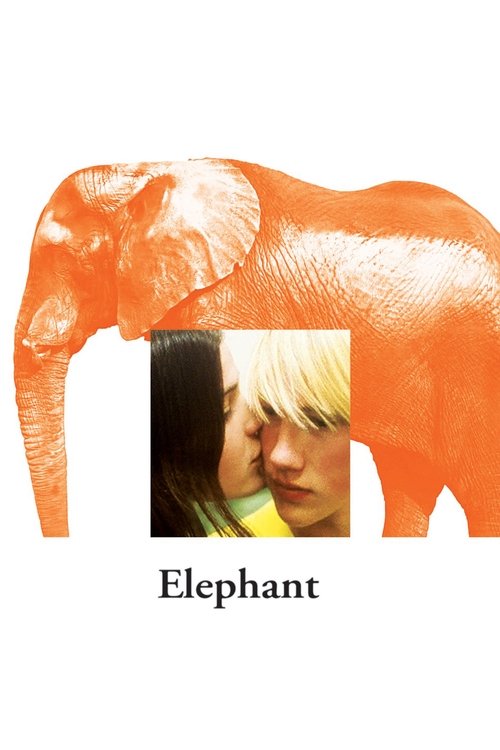
Elephant2003
Gus Van Sant's Columbine film uses long, patient takes and repetition to capture the texture of a day before catastrophe. Like Julien, it refuses easy psychology and sits with confusion.
But Its refusal to explain or judge can read as cold. Some find the formal patience exhausting rather than hypnotic.
Not sure tonight? Get a pick in a minute, starting from Julien Donkey-Boy
The wildcard
Something you would not have found on your own.
Synecdoche, New York2008
Both use visual and structural disorientation to externalize internal collapse. Both refuse linear clarity as an act of formal and thematic principle.
Kaufman's autobiography-as-labyrinth uses collage, scale-shifting, and recursive realities to show a mind fragmenting under creative and existential weight. Like Julien, it's formally radical and deeply about the breakdown of a consciousness.
But It's nearly two and a half hours of escalating confusion. If you need to understand what you're watching in real time, you'll be frustrated.

More like this (8)
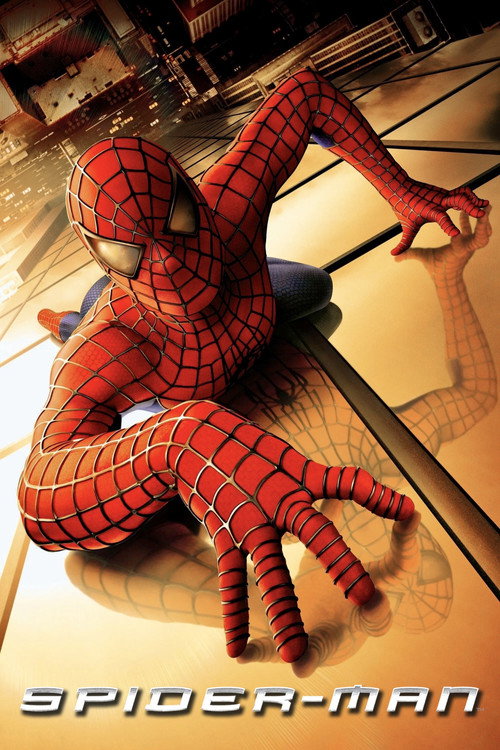
Spider-Man2002
Cronenberg follows a man reassembling fragmented memories of childhood in a decaying East London neighborhood. The disorientation and mistrust of your own perception directly echo Julien's world.
But It's deliberately murky and the narrative threads resist clarity. Demands active, sometimes frustrating reconstruction from the viewer.
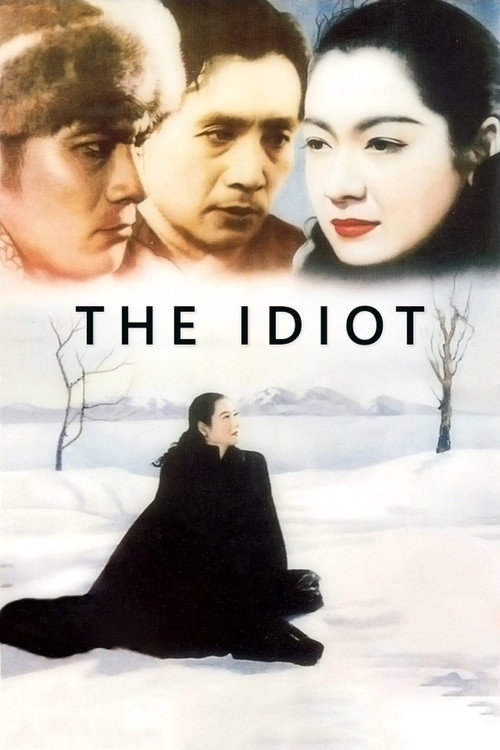
The Idiot1951
Kurosawa's adaptation finds the tragedy in a guileless man navigating a society that cannot accommodate innocence. A different era, but the same core of a misfit's incomprehension.
But It's meditative and slow. The emotional devastation unfolds at a pace that tests patience.
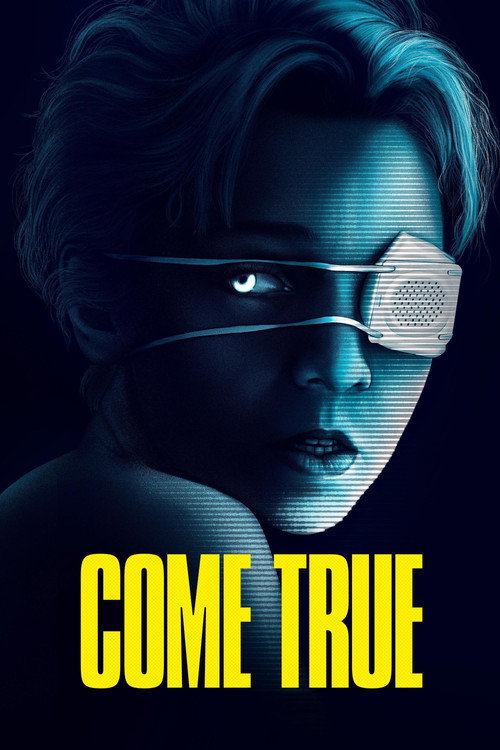
Come True2020
A hallucinatory sci-fi fever dream about a homeless teenager in a sleep study. Visually disorienting and psychologically unstable, it captures that same sense of your mind becoming a hostile landscape.
But The narrative is deliberately cryptic and the ending leaves you stranded intentionally. Rewarding if you embrace opacity, maddening if you need resolution.
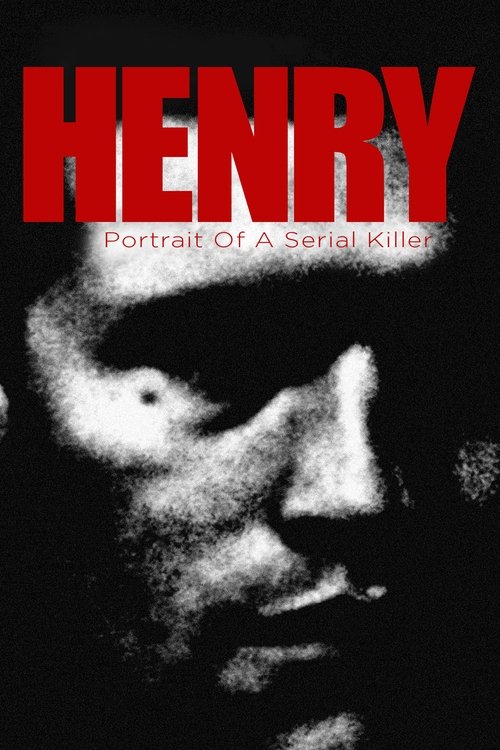
Henry: Portrait of a Serial Killer1986
Shot on a shoestring in a style that predates Dogme 95's austerity, it finds horror in mundane domesticity and the casual cruelty of damaged men. Raw and unsettling in similar ways.
But It's genuinely disturbing and offers no catharsis or moral clarity. Some viewers find it exploitative rather than illuminating.
We Are the Best!2013
A teenage girl navigates school, religion, and family chaos through punk rock. Lukas Moodysson finds joy and agency in youthful rebellion, the inverse of Julien's paralysis, but with comparable emotional honesty.
But Its warmth and humor might feel tonally distant if you're seeking continued bleakness. It's a palate cleanser that doesn't linger.

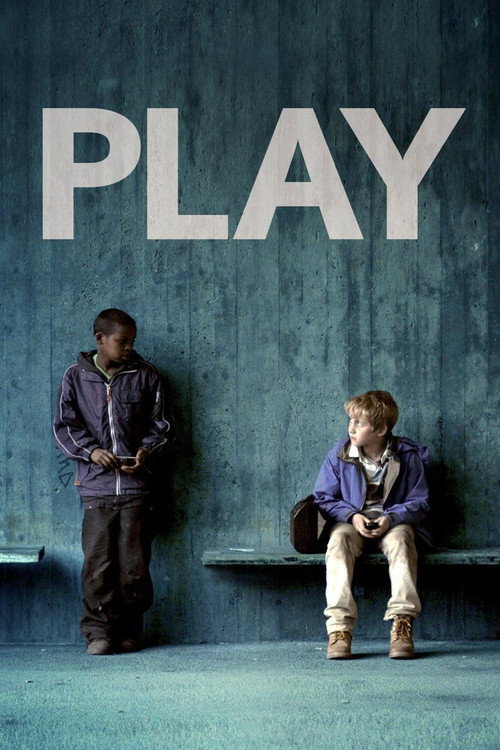
Play2011
Ruben Östlund examines bullying and social cruelty through long, observational scenes. Detached and unsettling, it observes dysfunction without intervening, similar tonal DNA to Julien.
But The emotional distance can feel clinical. Some experience it as chilly rather than revelatory.
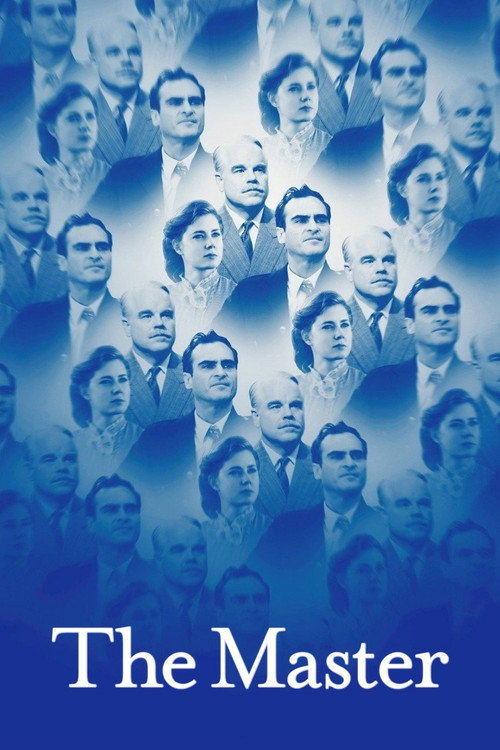
The Master2012
Both center undiagnosed, untreatable male damage and treat it with formal rigor rather than sentimentality. Both are skeptical that understanding leads anywhere.
Paul Thomas Anderson's post-war psychological thriller explores predation and vulnerability through extreme close-ups and spatial tension. It's a three-character chamber piece about broken men that achieves operatic intensity without explanation.
But It's oblique and Joaquin Phoenix's performance is so strange it can read as mannered. The ending offers no resolution, only deepened ambiguity.
Come and See1985
Both are domestic nightmares that systematically strip away the subject's coherence. Both insist that witnessing certain kinds of human damage requires the audience to surrender comfort. Both justify formal violence through thematic necessity.
Elem Klimov's account of a Soviet boy drafted into WWII is the most unflinching depiction of psychological annihilation on film. It's a journey into hell that uses form and sound to destroy the viewer's equilibrium.
But It's genuinely traumatic to watch. Not difficult in a cerebral way—difficult in a visceral, lasting one. Its power comes from making you feel degraded.

People
Cast
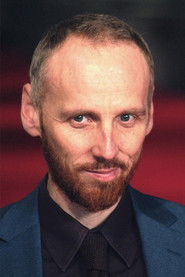 Ewen BremnerJulien
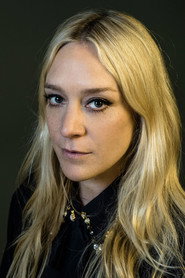 Chloë SevignyPearl
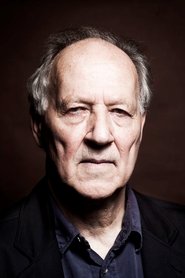 Werner HerzogFather
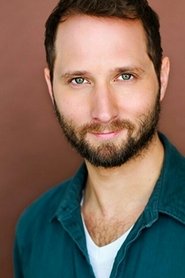 Evan NeumannChris
- Joyce KorineGrandmama
 Alvin LawCard-Playing Neighbor
- Brian FiskPond boy
- Miriram MartinezTeenage Girl
- Edgar ErikksonBearded Man
- James MoixDancing Man
 Victor VarnadoRapper
- Oliver A. BuenoBowler
Directing
- Michael TaylorContinuity
- Harmony KorineDirector
Writing
- Harmony KorineWriter
Production
- Brian EnrightAssistant Production Coordinator
- Dan SeligmanAssistant Production Coordinator
- Frank ParkAssistant Production Coordinator
- Jason GreyAssistant Production Coordinator
- Neal UsatinAssistant Production Coordinator
- Tevin AdelmanAssistant Production Coordinator
- Billy HopkinsCasting
- Kerry BardenCasting
- Lori EastsideCasting
- Suzanne Smith CrowleyCasting
- Mark BennetCasting Associate
- Paul MantelConsulting Producer
- Thuy ThamConsulting Producer
- Jeremy BuhlerCoordinating Producer
- Jim CzarneckiLine Producer
- Brian "Bear" SchmidtLocation Manager
- Kathy CiricLocation Manager
- Cary WoodsProducer
- Robin O'HaraProducer
- Scott MacaulayProducer
- Melissa LintingerProduction Accountant
- Carrie FixProduction Manager
- Jill GoldsteinProduction Manager
- Jason RothenbergProduction Office Coordinator