Television series
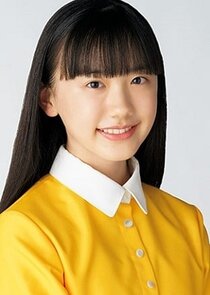
Mother
Other titles called Mother: the 1926 film, the 2009 film, the 2017 film.
A Japanese drama about an elementary teacher who impulsively kidnaps an abused student and raises her as her own daughter across Japan. It's tender and morally complicated, asking hard questions about love, belonging, and what motherhood means. For anyone who's sat with a story that refuses easy answers.
Should you watch it?
Watch it if you want a slow, morally tangled story about improvised family, where every tender act sits beside a real wrong, and who deserves the child stays open.
Skip it if the pace is deliberately unhurried and the abuse and neglect weigh on nearly every scene, so if you need brisk plotting or lightness, this will wear you down.
What it asks of you: Eleven episodes of about 54 minutes each, a patient pace, and a steady willingness to sit with discomfort rather than be rescued from it.
Not sure? Find tonight's pick in a minute.
If you liked this
Clannad2007
An anime that excavates family bonds and parental love with devastating sincerity. Like Mother, it finds the profound in ordinary moments and isn't afraid to break your heart completely.
But Anime isn't for everyone, and the early episodes feel lighter than where this ends up. Emotional gut-punches require patience.

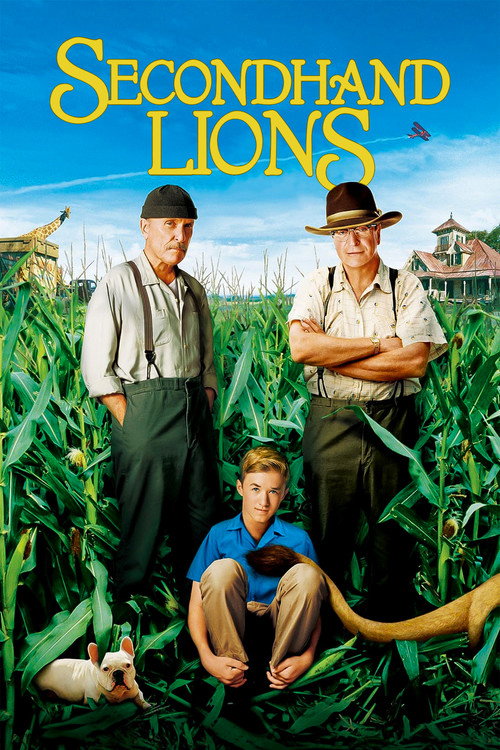
Secondhand Lions2003
An older man takes in his neglected nephew. It shares Mother's quiet belief in unconventional family and how love repairs what abandonment broke. Genuinely moving without sentimentality.
But It's gentle, sometimes to the point of slowness. If you need plot momentum, this isn't it.
Moonlight2016
Three chapters of a boy becoming a man, each shaped by who's allowed to love him. It captures what Mother does so well: how presence, not biology, defines family.
But Meditative and sparse. There's sadness here that doesn't resolve neatly, and some viewers find that frustrating rather than freeing.

Not sure tonight? Get a pick in a minute, starting from Mother
The wildcard
Something you would not have found on your own.
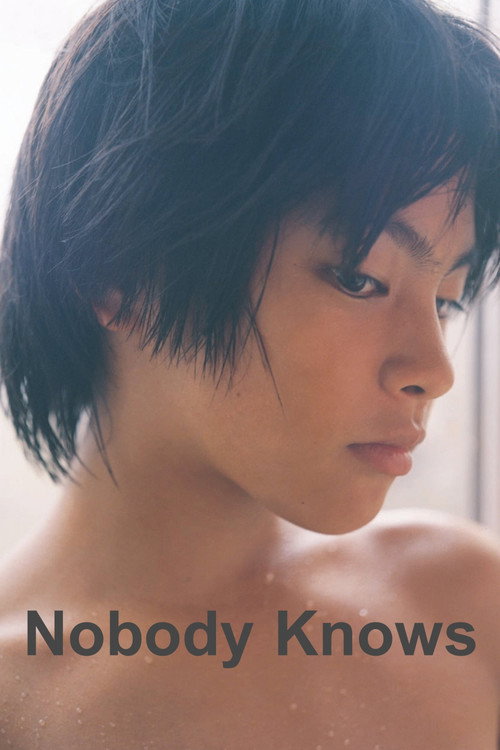
Nobody Knows2004
Both explore the gap between the idea of motherhood and its reality; both unflinchingly show love as inadequate against circumstance. Where Mother asks what a mother will do for a child, Nobody Knows asks what children will do without one.
Koreeda's masterpiece about four children abandoned by their mother and learning to survive alone. It has Mother's moral ambiguity and its devastating grace—but inverts the premise entirely. Here the children are the ones learning to parent themselves, and the film refuses pity.
But It's excruciating to watch. Koreeda holds the camera steady while children suffer, and that clarity is harder than sentiment. Some viewers find it unbearable.
More like this (8)
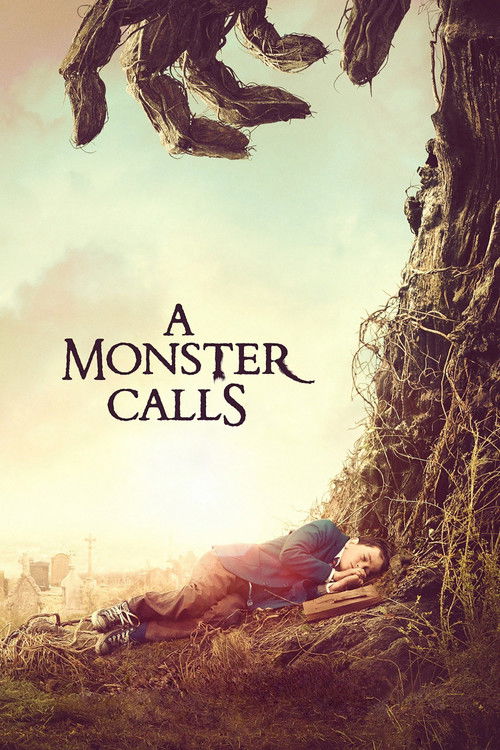
A Monster Calls2016
A boy and the grief of losing his mother. It honors the weight of that relationship while suggesting that love doesn't end. Similar emotional architecture to Mother—wound and grace together.
But The fantasy elements divide people. Some find them profound; others feel they undercut the human story.
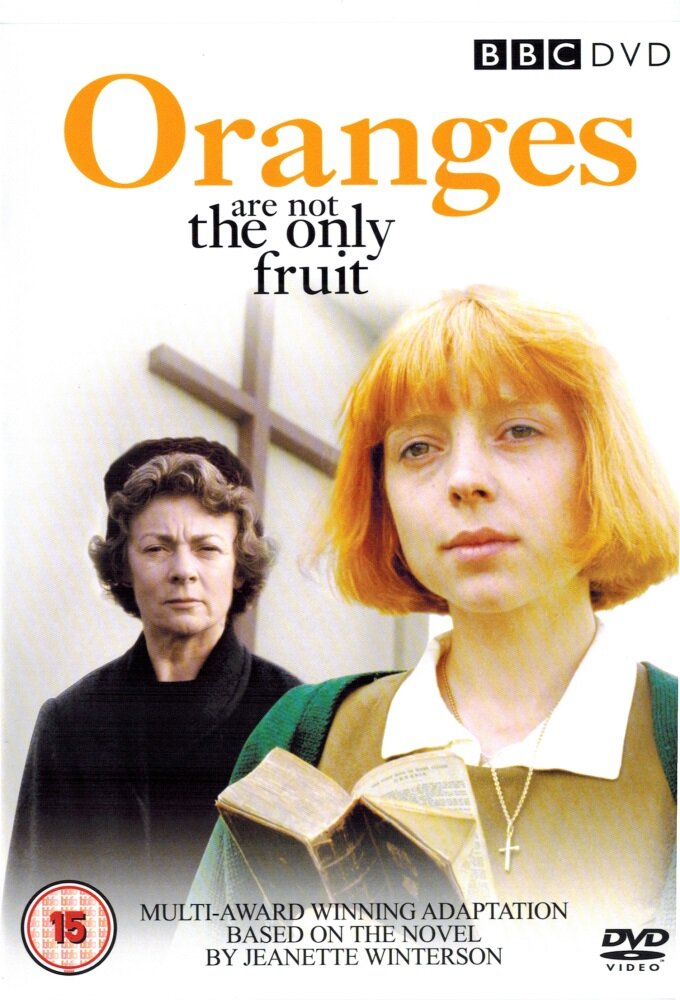
Oranges Are Not the Only Fruit1990
A British miniseries about a girl raised by a religious mother, slowly understanding her own identity. Like Mother, it explores how maternal love can be both fierce and damaging.
But Made in 1990, it can feel didactic by modern standards. The tone shifts between registers in ways that won't land for everyone.
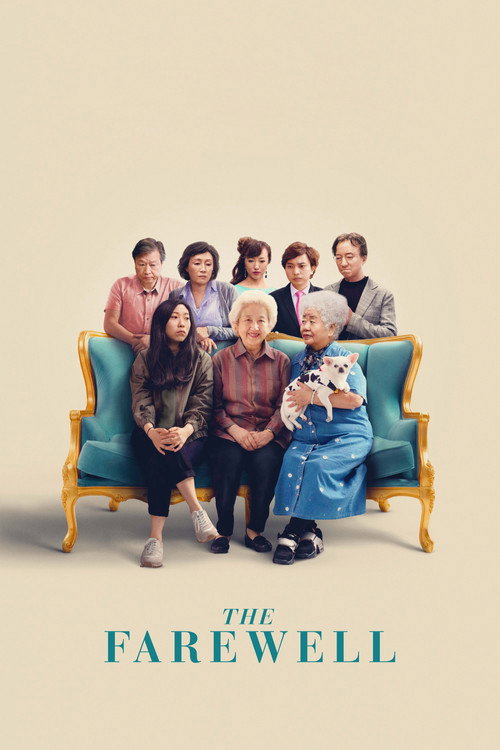
The Farewell2019
Family, deception, and what we do for love. It has Mother's willingness to let contradictions breathe—nobody's wrong, everybody's hurting, everyone's trying.
But The cultural specificity is the point, but if you're not familiar with Chinese families, some beats might feel oblique.
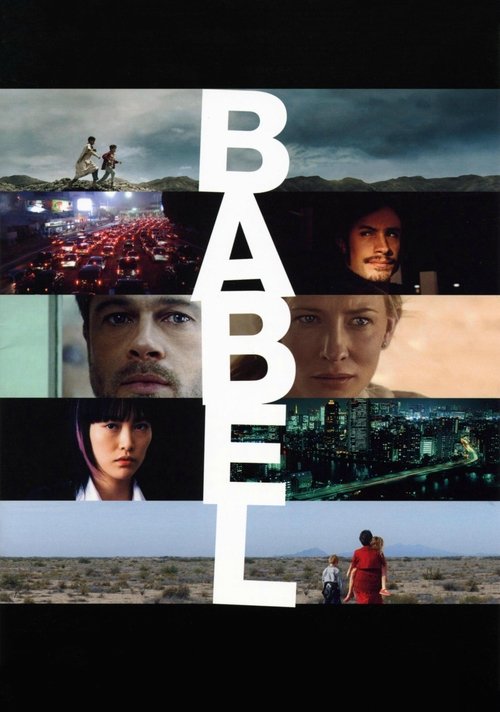
Babel2006
A mother and her family fracturing across continents. Inarritu traces how one accident undoes everything. The emotional toll is similar—mortality, responsibility, the fragility of connection.
But It's heavy, structurally complex, and deliberately painful. Not a film that offers comfort, only recognition.
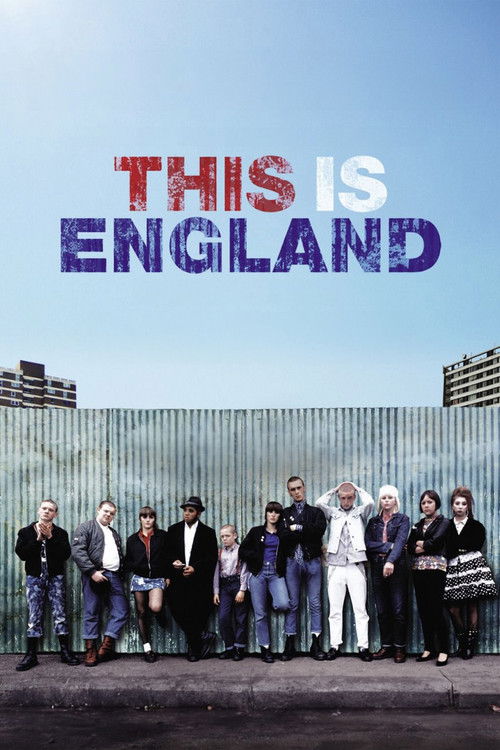
This Is England2007
A boy without a father finds a surrogate family. Raw, angry, alive. Like Mother, it doesn't sentimentalize the hunger for belonging—it just shows what that hunger does.
But It's violent and uses aggressive language. The world it depicts is harsh, and the film doesn't soften it for the audience.
Tokyo Story1953
An elderly couple visits their son in Tokyo, and the film is about what survives love, regret, and time. Ozu's genius is showing how family persists even when it breaks. Meditative ancestor to Mother.
But It moves slowly by any standard. If you're not ready to sit inside quiet spaces, this will test you.

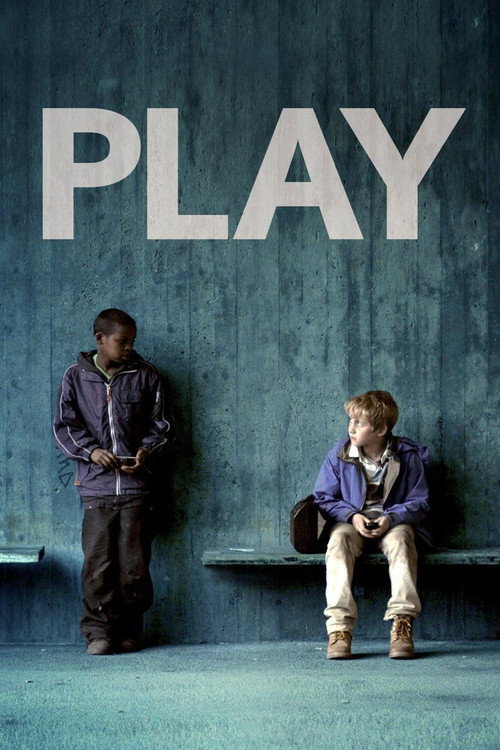
Play2011
Both are restless about the stories we tell ourselves. Mother disrupts the motherhood narrative; Play disrupts the childhood narrative. Each asks: what if we just looked, without the usual framing?
A Swedish film about a group of children tormenting a younger boy over a summer. No moral framework, no explanation, just escalation. It sounds like nothing like Mother but shares its refusal to comfort us. Both trust the audience to sit with cruelty and complexity without needing to feel good.
But It's bleak and offers no catharsis. The violence isn't spectacular—it's mundane—which somehow makes it worse. Many will find it pointless and horrible.
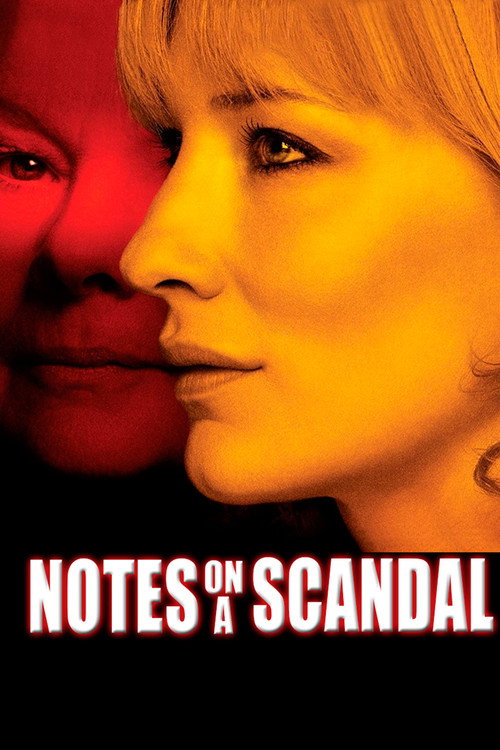
Notes on a Scandal2006
Both examine the instinct to take a child into your life; Notes shows it as pathology while Mother holds the possibility of grace. They're moral mirror images—watching them together clarifies what separates care from capture.
An older woman becomes obsessed with a younger colleague, using the language of care to justify possession. It's what Mother could become if the impulse curdled. The film is a masterclass in how love and control blur, and how desperation can wear many faces.
But Judi Dench gives a performance so unsettling it transcends the plot. The film exists to make you uncomfortable about sympathizing with someone predatory. That's the whole point, which means it's not much fun.