
Film
Babel
Babel is Iñárritu's globe-spanning puzzle-box: four storylines on four continents, set off by one hunting rifle whose consequences ripple from the Moroccan desert to a Mexican wedding to a Tokyo high-rise. It's less concerned with plot than with the ache of people failing to reach each other despite shared blood, language, or love. Gorgeous, sprawling, emotionally exhausting — best for patient viewers who like ambiguity and don't need a tidy ending.
If you liked this
Amores Perros2000
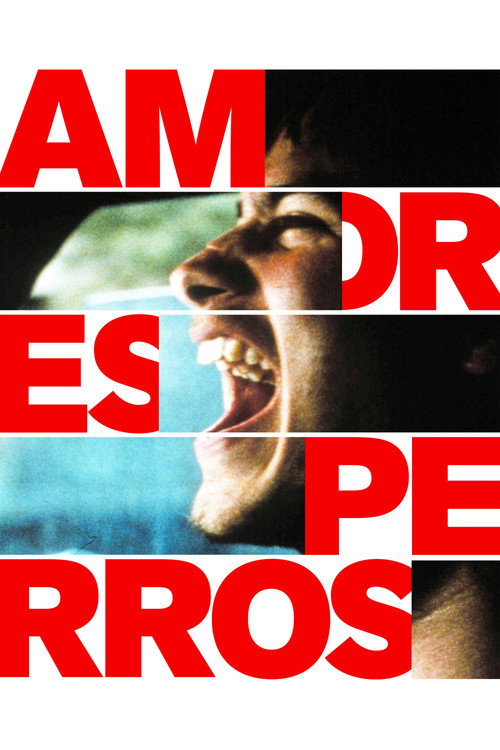
Iñárritu's debut is the blueprint for Babel's structure: three stories, one accident, told out of order and slammed together with real menace. If you loved the puzzle-box feel, this is where he built it — rawer and rougher.
But It's grittier and more violent than Babel, with a dog-fighting subplot that's genuinely hard to sit through.
21 Grams2003
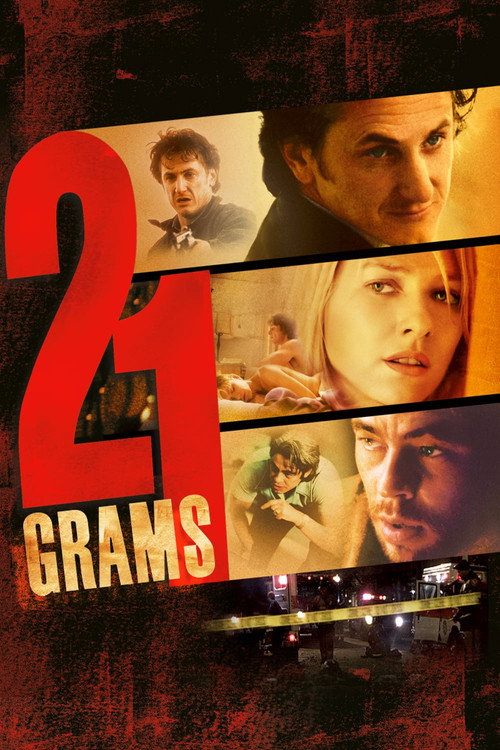
Same director, same fractured-timeline trick, tighter and even bleaker — three lives fused by one car crash, told in shards you have to piece together yourself.
But The nonlinear editing is more aggressive here; some viewers find it disorienting rather than illuminating.
Traffic2000
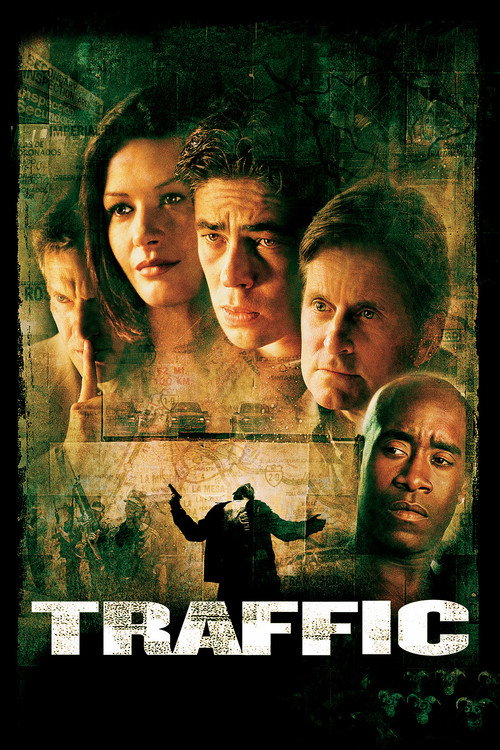
Soderbergh's multi-strand drug-war epic does what Babel does with geography and consequence — separate stories, different worlds, one system grinding everyone down. Sharp, urgent, superbly cast.
But It's more procedural and political than emotional; you won't get the same aching character intimacy.
The wildcard
Something you would not have found on your own.
Sound and Fury2000
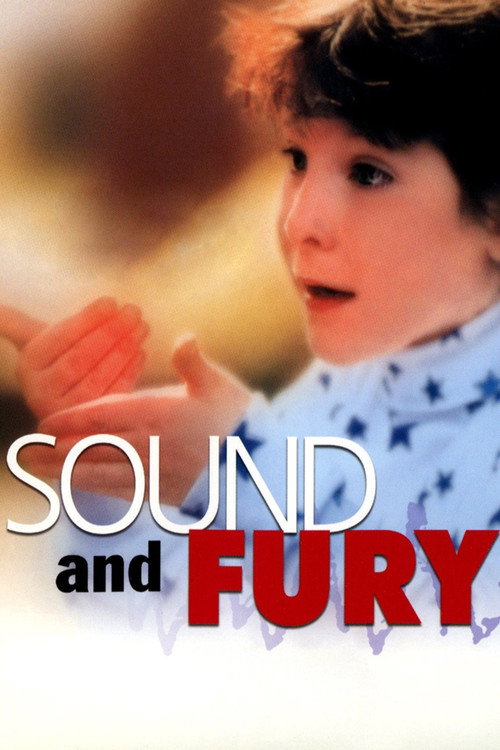
Babel's Tokyo strand follows a deaf teenager isolated by a world that won't slow down for her. This real-life documentary drops the metaphor entirely and sits with an actual deaf family arguing over cochlear implants — the same question of communication and belonging, without a script.
If Chieko's storyline stayed with you, this documentary shows the real version of that argument — deaf and hearing family members fighting, with love, over what it means to be heard.
But It's a talky, unglamorous documentary with no visual spectacle at all — the opposite of Babel's cinematic scale.
More like this (8)
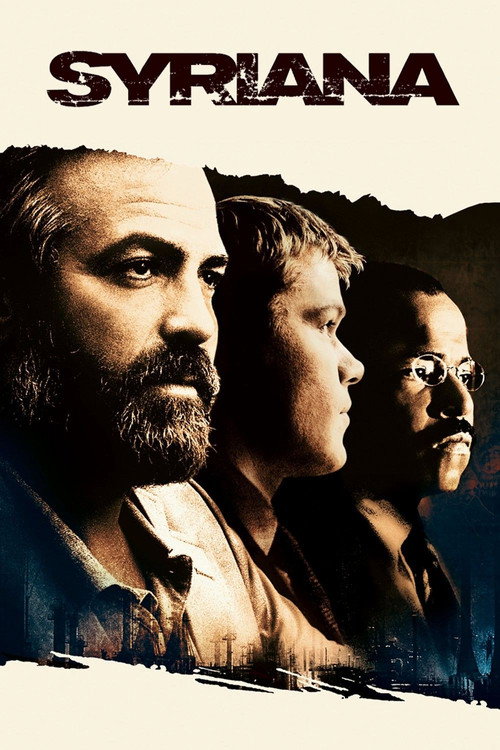
Syriana2005
Another web of strangers connected by forces bigger than any of them, oil and empire instead of a single rifle. Dense, smart, deliberately hard to fully untangle.
But The plotting is genuinely confusing on a first watch — expect to need a second viewing to follow who's who.
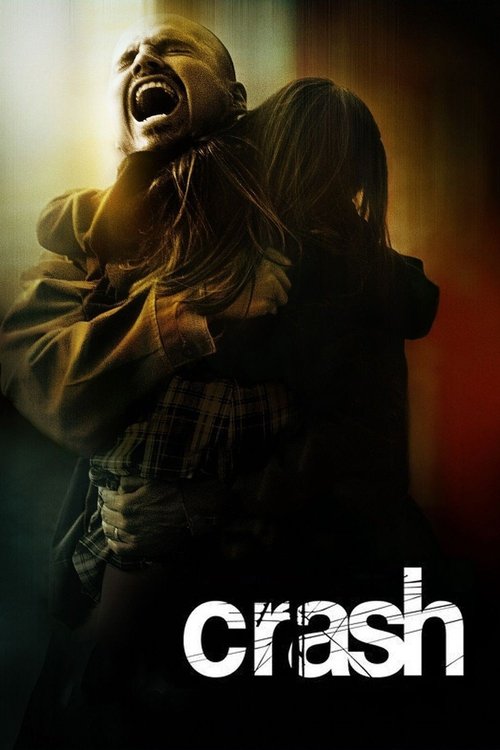
Crash2005
Strangers in one city collide and misjudge each other constantly, echoing Babel's interest in how assumption does as much damage as any single event.
But It's blunter and more didactic than Babel — the message arrives with less subtlety and more speechifying.
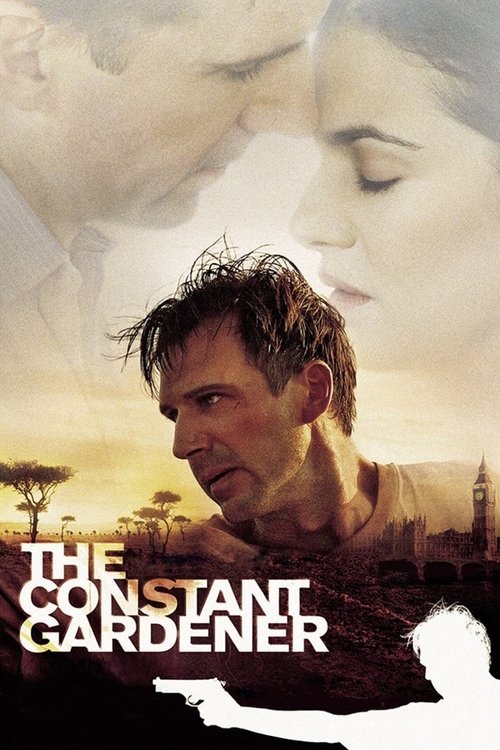
The Constant Gardener2005
A grieving husband chases the truth about his wife's death across continents, carrying the same ache of love and injustice crossing borders that never quite meet.
But It leans harder into political-thriller plotting than Babel's looser, more impressionistic structure.
Blood Diamond2006no page yet
Lives from wildly different worlds get pulled into the same catastrophe, sharing Babel's interest in how global systems chew up people who never chose to be part of them.
But It's a more conventional adventure-thriller shape than Babel's fractured, art-house structure.
Biutiful2010no page yet
Iñárritu without the interlocking structure — just one man, one city, one unbearable weight of responsibility. If Babel's grief hit hardest, this goes even deeper.
But It's relentlessly heavy with almost no relief; go in braced, not casually.
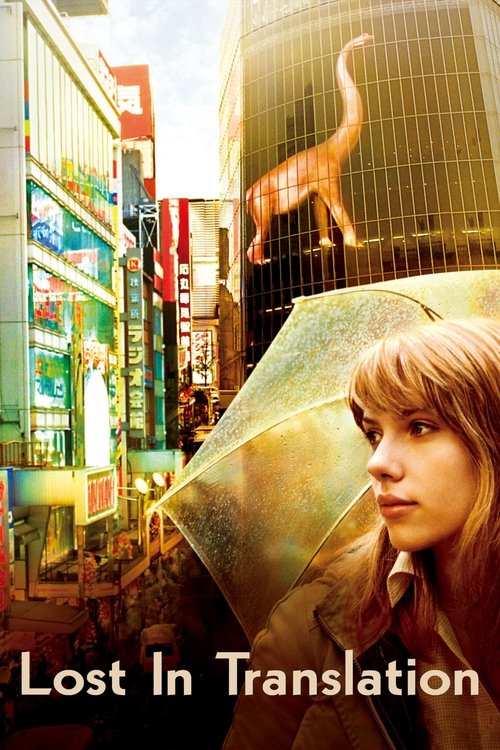
Lost in Translation2003
A quieter cousin to Babel's Tokyo strand — two strangers adrift in a language and culture they can't read, finding connection in the gaps rather than despite them.
But Nothing much happens by design; if you wanted Babel's scale and stakes, this will feel small.
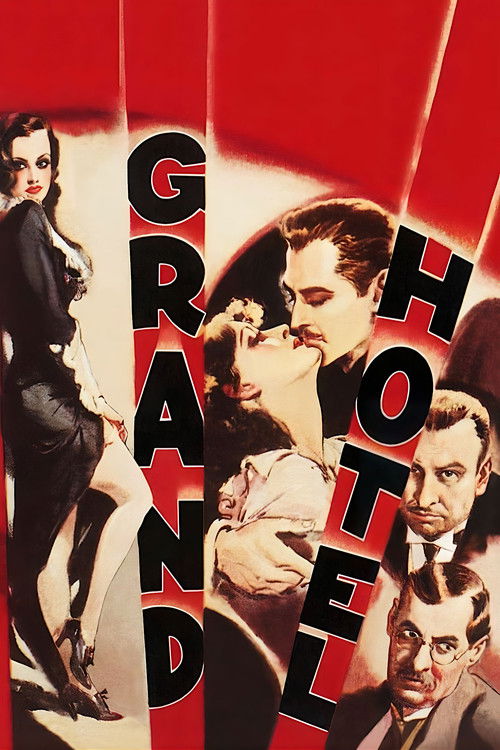
Grand Hotel1932
Babel's structure — strangers' lives crossing at a single point, then fanning back into separate fates — didn't start with Iñárritu. This Oscar-winning ensemble piece invented the trick decades earlier, just in a hotel lobby instead of four continents.
Watch the engine of Babel running in miniature: a hotel full of strangers whose stories brush against each other for one night, each unaware how much the others matter to their own ending.
But It's a stagey, dated 1930s melodrama with none of Babel's visual ambition — charming rather than devastating.
The Slap2011no page yet
Same idea, smaller and slower: one incident ripples outward through eight interlocking perspectives, dramatizing how differently people read the same moment — Babel's real subject, just domesticated.
An Australian miniseries that takes Babel's structural trick — one act, many points of view, nobody entirely right — and applies it to a suburban barbecue instead of a global stage. Sharp, uncomfortable, brilliantly cast.
But Eight hours is a big ask, and everyone in it is at some point unlikeable — there's no character to fully root for.
People
Cast
 Brad PittRichard Jones
 Rinko KikuchiChieko
 Adriana BarrazaAmelia
 Cate BlanchettSusan Jones
 Satoshi NikaidoKenji Mamiya
 Said TarchaniAhmed
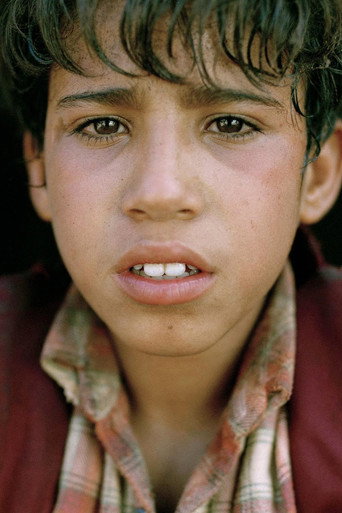 Boubker Ait El CaidYussef
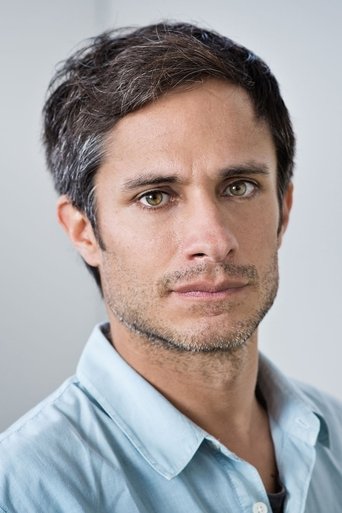 Gael García BernalSantiago
 Nathan GambleMike Jones
 Elle FanningDebbie Jones
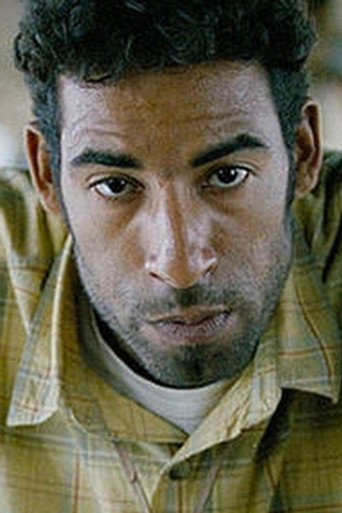 Mohamed AkhzamAnwar
 Yuko MurataMitsu
Directing
- Alejandro G. IñárrituDirector
Writing
- Alejandro G. IñárrituIdea
- Guillermo ArriagaIdea
- Guillermo ArriagaWriter
Production
- Corinne Golden WeberAssociate Producer
- Ann RuarkCo-Producer
- Ahmed AbounouomLine Producer
- Kay UedaLine Producer
- Norihisa HaradaLine Producer
- Tita LombardoLine Producer
- Alejandro G. IñárrituProducer
- Jon KilikProducer
- Steve GolinProducer
- Toshimitsu MatsuokaProduction Manager