
Film
The Tree of Blood
A couple returns to a family home to map their genealogy, only to uncover a tangled history of trauma, infidelity, and long-buried secrets. This is Spanish director Marco Sartori's ambitious, non-linear puzzle box—a film that moves between timelines and perspectives with the deliberateness of someone arranging bones. It's for viewers who like their family dramas complicated and deliberately withholding.
If you liked this
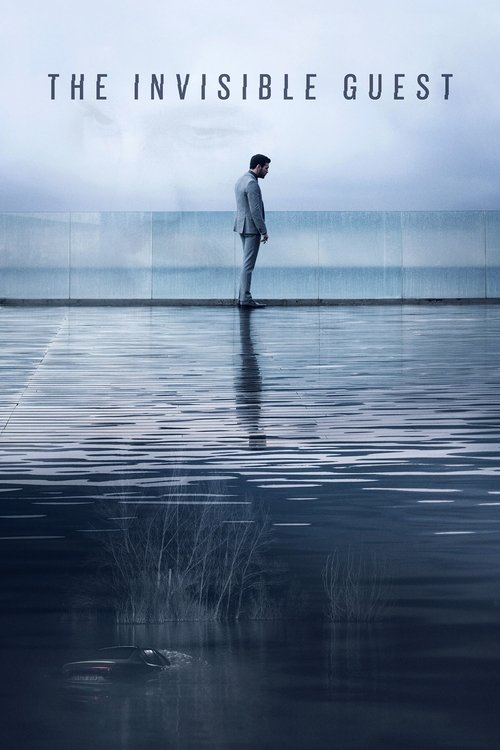
The Invisible Guest2017
Another Spanish thriller constructed as a mystery box, where every revelation reframes what came before. It has the same pleasure in structure and the same commitment to keeping you off-balance.
But The twist-obsessed plotting can feel mechanical if you're not invested in the game. Some will find it exhausting rather than clever.
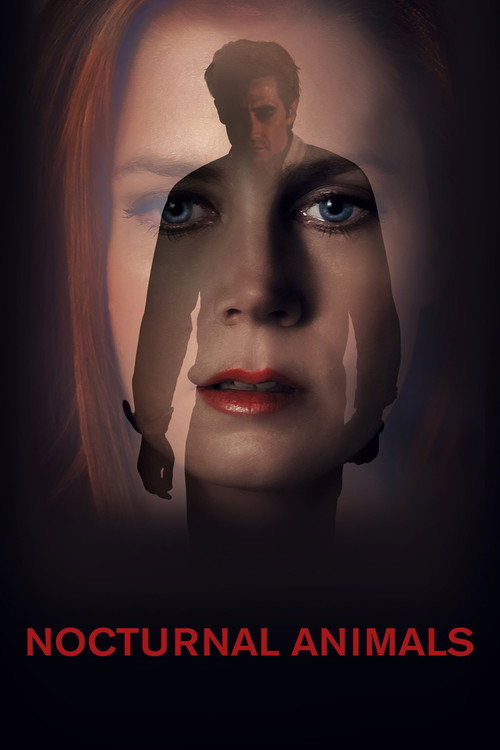
Nocturnal Animals2016
Tom Ford's exploration of how a woman confronts her past through her ex-husband's violent novel. Like The Tree of Blood, it's about how family history and romantic betrayal bleed into each other, told through fragmented narratives.
But It's deliberately opaque in places, and the tonal shifts between the frame story and the embedded novel can feel jarring. Not a film that holds your hand.
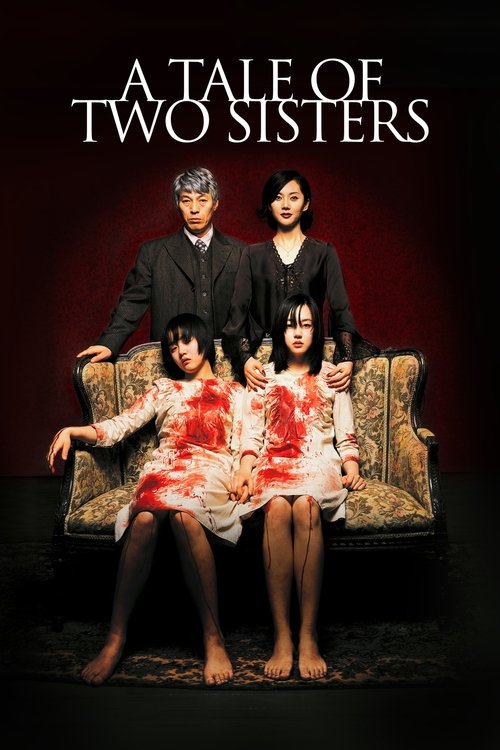
A Tale of Two Sisters2003
A Korean horror film that uses supernatural elements as metaphor for family trauma and buried grief. It has the same commitment to non-linear storytelling and the same sense that something terrible is being withheld from you.
But The horror elements are slow-burn and atmospheric rather than shocking. If you need scares to stay engaged, this will feel frustratingly quiet.
Not sure tonight? Get a pick in a minute, starting from The Tree of Blood
The wildcard
Something you would not have found on your own.
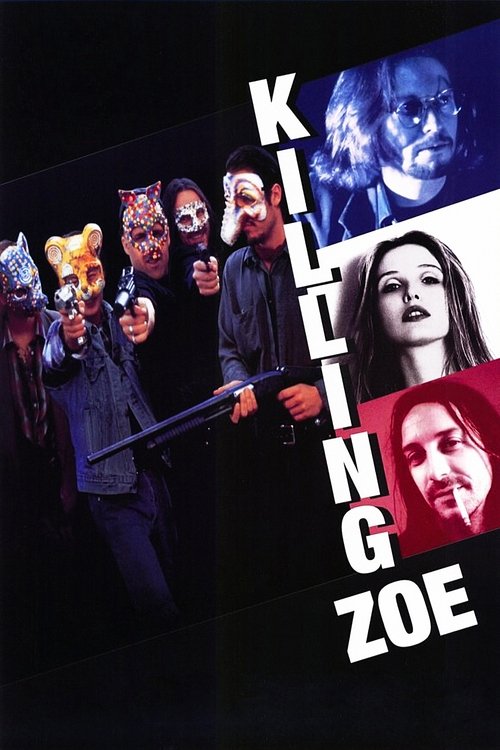
Killing Zoe1993
Both use the return of an ex-lover or exploration of a shared past as the trigger for a spiral into chaos. Both suggest that some histories are too toxic to revisit safely.
Roger Avary's surreal, grimy film about a woman reconnecting with an ex-lover in Paris during a diamond heist. The connection: both films use a couple's past to trigger a cascade of violence and betrayal, but Killing Zoe does it in neon-soaked genre mode—sex, crime, decay—rather than in a country house with family trees.
But It's visually incoherent in places and the sexual violence is real, not metaphorical. The film doesn't explain itself and doesn't seem to care if you follow it. Some will find it exploitative rather than exploratory.
More like this (8)
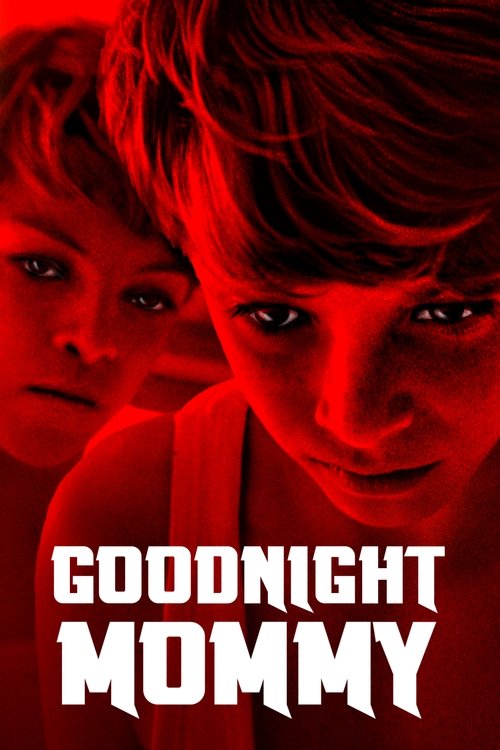
Goodnight Mommy2015
An Austrian film about two boys and their mother that constructs itself as a family mystery with a devastating revelation. It shares The Tree of Blood's interest in how family secrets corrode from within.
But It's genuinely disturbing and relies on body horror. The twist, when it lands, is bleak in a way some viewers will find more punishing than rewarding.
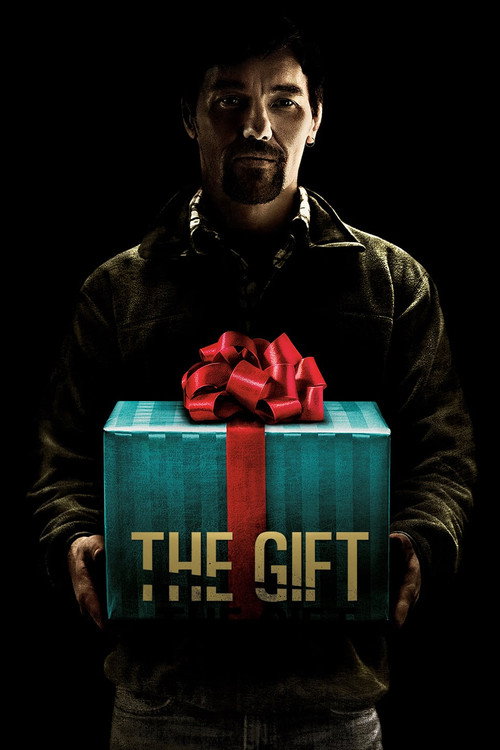
The Gift2015
Joel Edgerton's film about a couple whose past returns to haunt them. It has the same architecture of secrets gradually surfacing and the same willingness to make everyone culpable.
But It's a psychological thriller in a slightly more commercial register. If you want something grittier and less concerned with entertainment, this will feel slicker than you need.
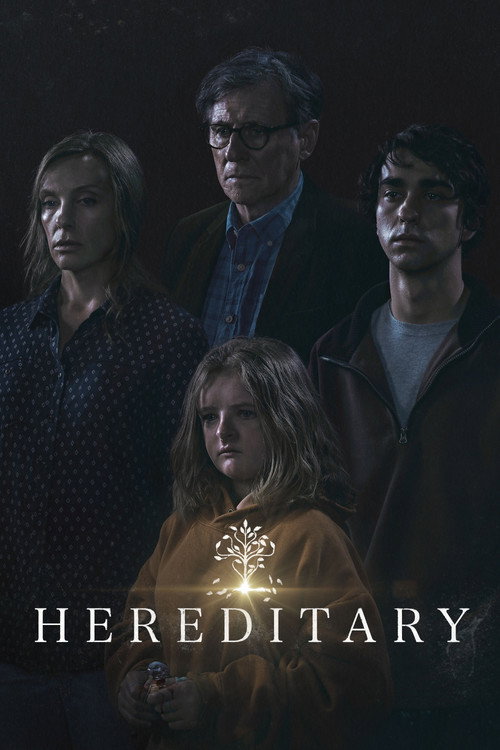
Hereditary2018
Ari Aster's horror film uses family trauma and generational inheritance as its real subject. Like The Tree of Blood, it's interested in how the past physically inhabits the present and how family trees carry poison.
But It's a horror film first, which means sustained dread and some genuinely upsetting imagery. If you're looking for psychological drama without the supernatural, this goes too far into genre.
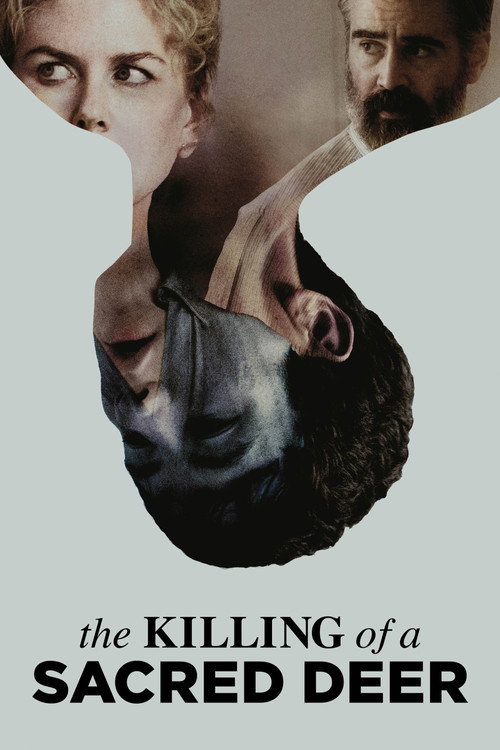
The Killing of a Sacred Deer2017
Yorgos Lanthimos's film about a family haunted by an old crime it thought was forgotten. It has the same inexorable logic, the same sense of inevitability, the same interest in how guilt structures a family.
But Lanthimos's style is glacial and artificial. The emotional distance can feel cold rather than clarifying. Some will find it punishing to watch.
Mulholland Drive2001
David Lynch's masterpiece about identity, memory, and the stories we tell ourselves. It shares The Tree of Blood's non-linear structure and its commitment to ambiguity, though it operates in a completely different register.
But It's three hours and essentially unknowable. If you need narrative clarity or a definitive ending, this is the opposite of what you're looking for.

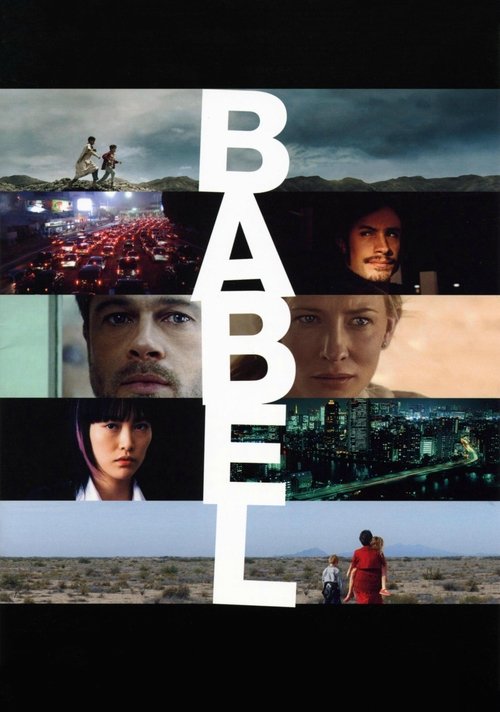
Babel2006
Alejandro González Iñárritu's interconnected narrative across continents and languages explores how secrets ripple outward through families and societies. It shares the ambitious structural ambition of mapping invisible connections.
But The interconnectedness sometimes feels more structural than organic. The film wants to say something about human connection but can tip into schematic obviousness.
American Crime Story2016
Both use a non-linear narrative structure to slowly reveal how violence and secrets are embedded in family history. Both ask what it means to construct a narrative from fragments and whether understanding makes anything better.
Ryan Murphy's miniseries about a murder told backward, each episode revealing another layer of a relationship and the violence it contained. Like The Tree of Blood, it's constructed as an archaeological dig into a family's secrets and the ways past trauma echoes forward.
But It's a true-crime narrative, which means real deaths and real grief. The aesthetic is glossy and sometimes that gloss can feel obscene. Some will find it distasteful to watch a real tragedy aestheticized this way.

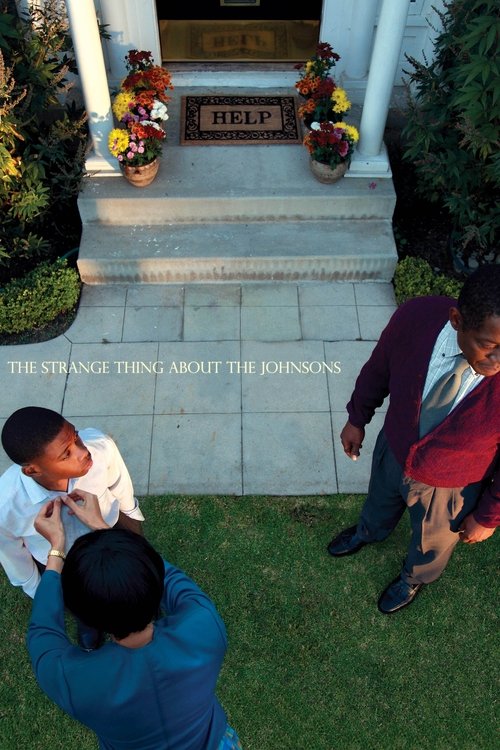
The Strange Thing About the Johnsons2011
Both suggest that family is a closed system where hidden crimes and betrayals calcify over generations. Both use the family tree—or the investigation of it—as a way to examine how intimacy and violence coexist in the places we're supposed to be safe.
Ari Aster's short film (23 minutes) about a family confronting an unspeakable act within their own home. It has the same interest in family pathology and the same commitment to making you uncomfortable with its own inquiry into how families contain and hide violence.
But It's deliberately provocative and the act at its center is sexual. It's constructed to make you squirm, and if you think discomfort is exploitation rather than a tool, this will feel gratuitous. It's also quite short, so you need to find it.
People
Cast
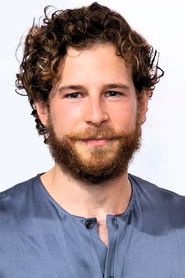 Álvaro CervantesMarc
 Úrsula CorberóRebeca
 Najwa NimriMacarena

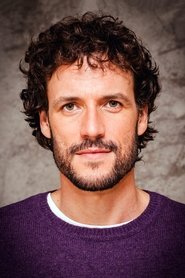 Daniel GraoVíctor
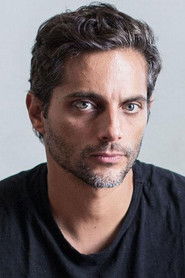 Joaquín FurrielOlmo
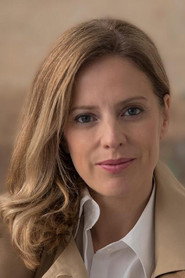 María MolinsNuria
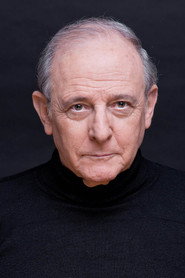
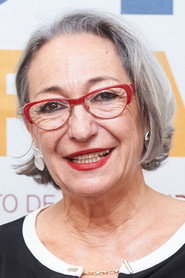 Luisa GavasaCandela
 Josep Maria PouJacinto
 Ángela MolinaJulieta
 Lucía DelgadoNuria joven
Directing
- Julio MedemDirector
Writing
- Julio MedemScreenplay
- Julio MedemWriter
Production
- Rosa EstévezCasting
- Sandra Tapia DíazExecutive Producer
- Jofre FarréLine Producer
- Ibon CormenzanaProducer
- Ignasi EstapéProducer