
Film
The Strange Thing About the Johnsons
- Family drama
- Psychological horror
- Very dark
- Strange
A 30-minute provocation that makes viewer discomfort its subject. Ari Aster's debut strips away social niceties to expose family shame, power dynamics, and the ways we protect abusers. Deliberately difficult, almost unbearable to watch—which is exactly the point. For those willing to sit with real horror instead of jump-scares.
Should you watch it?
Watch it if you want a small, airless horror piece that takes a hard subject seriously, trusts unsettling silences over shock, and can sit with discomfort for its full half hour.
Skip it if you may find the subject of sexual abuse within a family too heavy, since the film stays inside that discomfort without relief.
What it asks of you: Thirty minutes of unhurried scenes and long silences, with little spelled out and much left to settle in you afterward.
Not sure? Find tonight's pick in a minute.
If you liked this
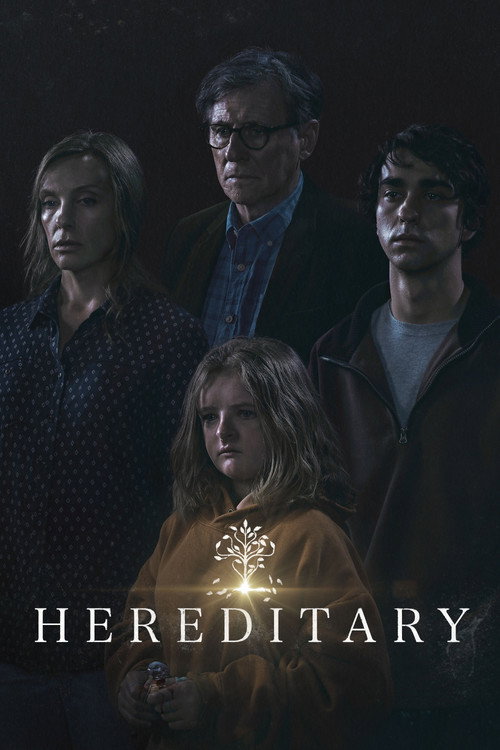
Hereditary2018
Aster's feature debut amplifies everything that makes *Johnsons* unsettling: family trauma as cosmic dread, inherited cycles of abuse, a final act that breaks you. Visual mastery in service of genuine terror.
But Extremely long at 127 minutes, relentlessly bleak, and the shock moments feel designed to punish rather than entertain. Not cathartic.
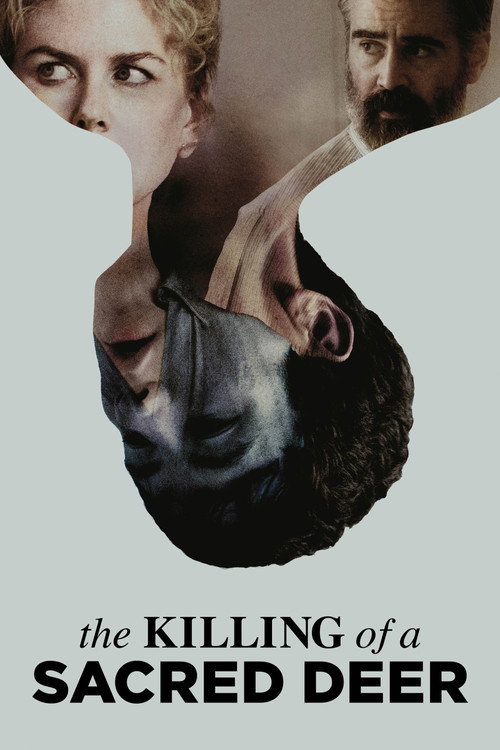
The Killing of a Sacred Deer2017
Yorgos Lanthimos creates a family unit where normal rules don't apply and wrongness seeps through every frame. Like *Johnsons*, it's about the violation of family trust and watching helplessness metastasize.
But Glacial pacing, deliberately artificial performances, and a premise so grim it feels like punishment for watching.
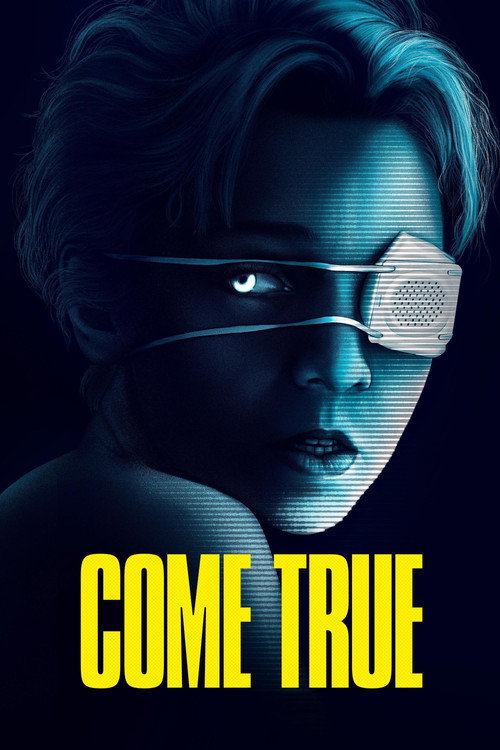
Come True2020
Body horror married to family anguish. A son's deterioration becomes his mother's obsession—the film builds dread through intimacy rather than spectacle, making love feel like a trap.
But Conceptually dense sci-fi that won't explain itself. Long stretches of static horror. Aggressively bleak ending.
Not sure tonight? Get a pick in a minute, starting from The Strange Thing About the Johnsons
The wildcard
Something you would not have found on your own.
Requiem for a Dream2000
Both use escalation and formal control to make the audience feel what entrapment actually costs. Beauty of craft married to ugliness of content.
Not about literal family, but about four people whose intimate relationships—to each other, to desire, to themselves—become the machinery of their destruction. Uses form itself to make you feel entrapped. The visual and sonic equivalent of *Johnsons*' suffocation.
But Drug addiction nightmare fuel. Darren Aronofsky's maximalist style can feel like cinematic assault rather than cinema. The ending is nihilistic without redemption.

More like this (8)
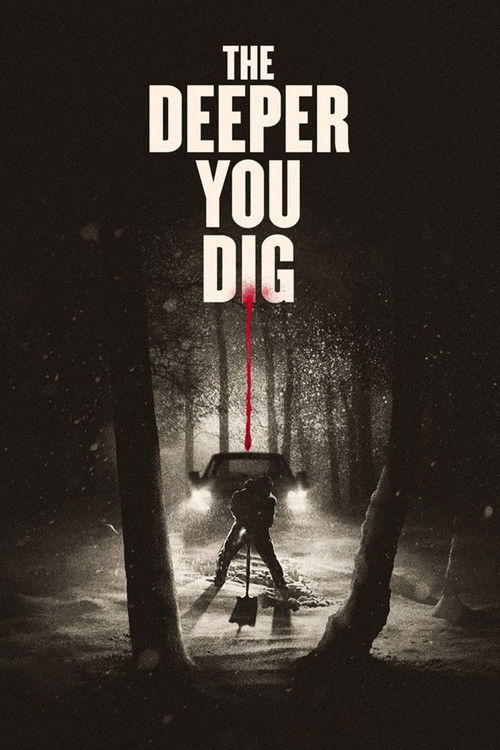
The Deeper You Dig2019
Two-person film about a mother and daughter's relationship fracturing after a car accident. Handheld, intimate, genuinely frightening because it's about people you recognize and can't save.
But Shot on no budget, which shows. Sometimes feels like found-footage YouTube video. The relationship dynamics are murky by design.
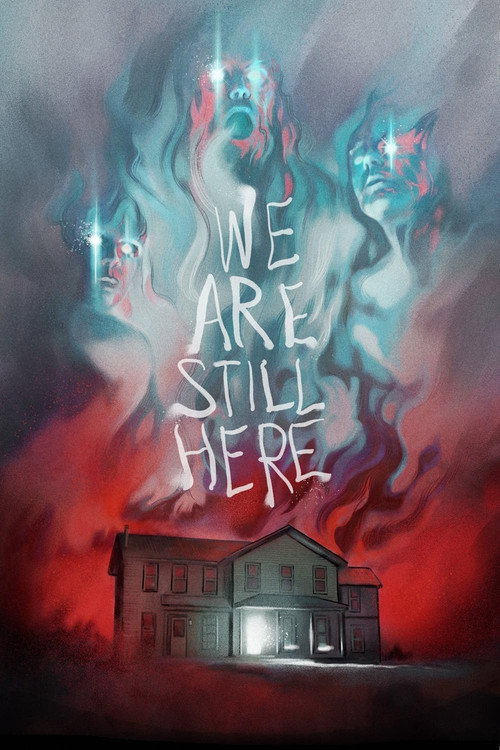
We Are Still Here2015
A grieving couple and their loss become the inciting incident for real horror. Supernatural film that understands that the worst monsters are already in the house, already in your marriage.
But Leans into 70s throwback aesthetics that feel more pastiche than genuine. Second half gets more conventional.
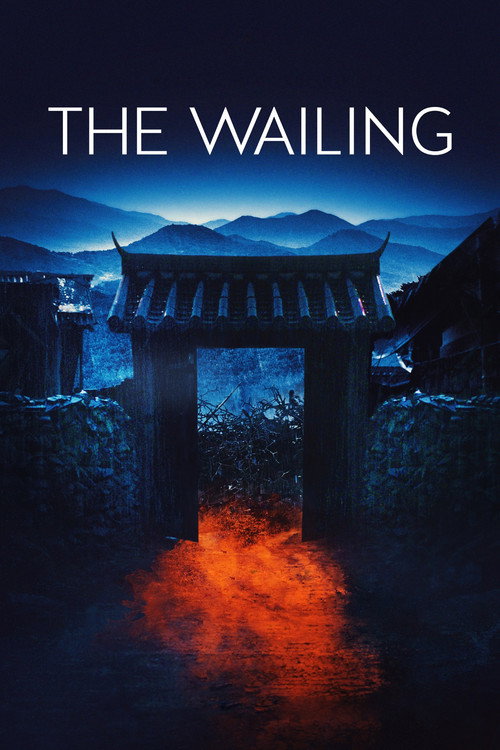
The Wailing2016
A family disintegrates under suspicion and spiritual corruption. Operates on pure atmosphere and moral ambiguity—nobody is redeemed, no one is fully guilty, and that uncertainty is where the horror lives.
But Two hours forty minutes of mounting dread with no payoff, by design. Korean language. Refuses to clarify its own mythology.
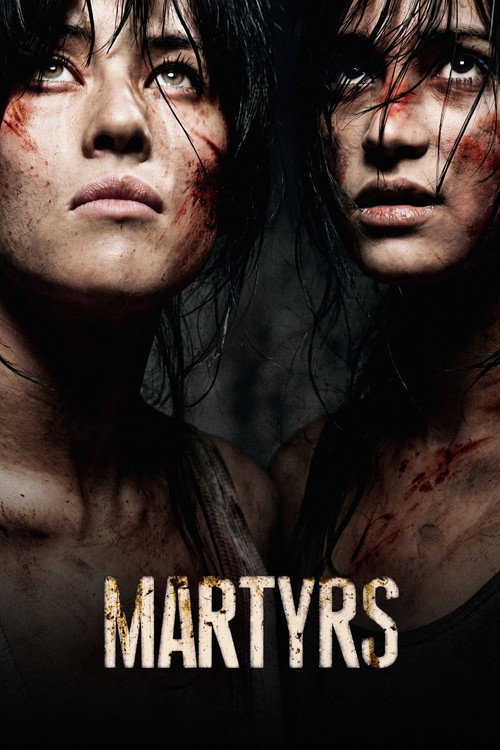
Martyrs2008
A girl tortured since childhood by a woman pretending to be her friend. Explores how trauma bonds us to our abusers, and how survivor guilt eats from the inside. Visually unflinching.
But Genuinely brutal physical violence. The French extreme cinema thing—it mistakes graphic content for depth. Very hard to watch, harder to justify watching.
Under the Skin2014
Scarlett Johansson in a role that strips away celebrity and persona. A film about predation, seduction, and the body as interface between the familiar and unknowable. Hypnotic and cold.
But Only barely a narrative. Long sequences of mundane driving. Divisive experimental structure that many find tedious rather than immersive.

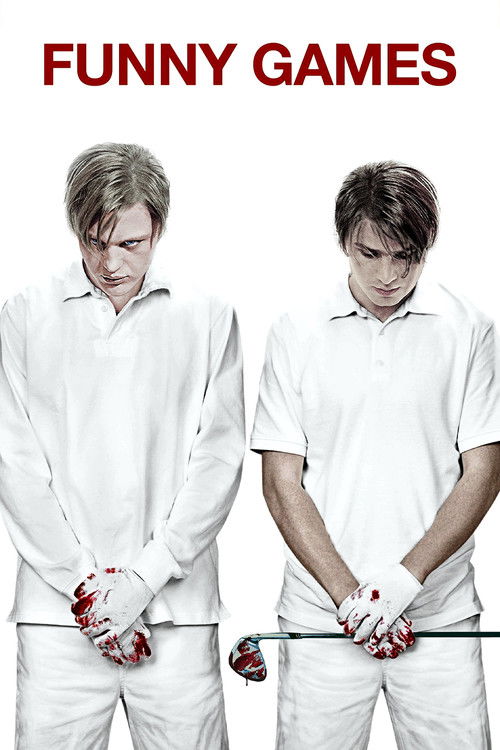
Funny Games2008
Michael Haneke's Hollywood remake of his own film: a family invaded by two polite young men who destroy them. Meta commentary on why we watch violence. Sophisticated formal game about complicity.
But Deliberately tries to make you angry at yourself for watching. Long takes of suffering, broken narrative, wilfully hostile to audience comfort. Some resent being lectured.
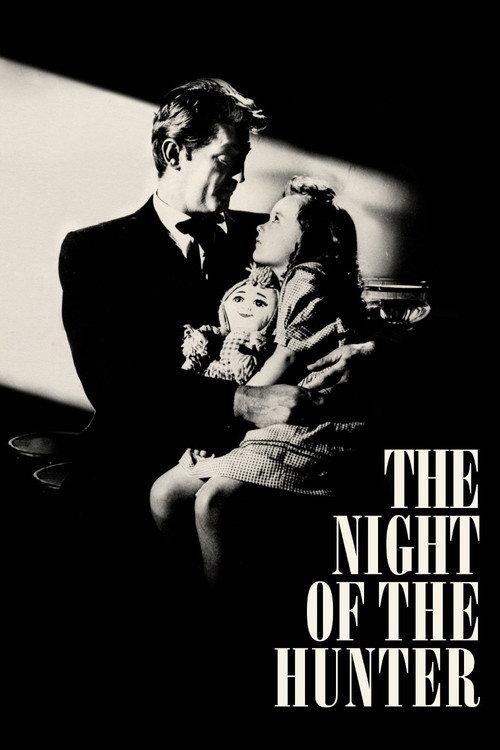
The Night of the Hunter1955
Both understand that family sanctity is a fragile, often false concept. The home is not a refuge but a space where predators hide. The intimate is where the real horror lives.
Charles Laughton's only directorial effort: a Depression-era thriller about a predatory man infiltrating a family. Stylized, deeply Gothic, visually stunning. Understands that the real monster wears a human face and uses scripture as a weapon.
But Black-and-white 1950s grammar reads as stagey to modern eyes. The narrative is thin—it's all atmosphere and symbol. Pacing is deliberate to the point of slowness.
A Prophet2009
Both examine how cycles of abuse perpetuate through mentorship and dependency. The powerful person teaches the vulnerable person to accept violation as normal. The medium is survival until it becomes complicity.
Jacques Audiard's prison epic: a young man's education and survival under an older man's patronage. It looks like a thriller but it's really about how power corrupts relationships we mistake for protection or love. The abuser as mentor. Extraordinary filmmaking.
But French language, two-and-a-half hours, set mostly in prison. Not overtly 'horror'—you have to see the damage in slow motion. Ends on ambiguity rather than catharsis.

People
Cast
 Billy MayoSidney
 Brandon GreenhouseIsaiah
 Angela BullockJoan
 Carlon JefferyYoung Isaiah
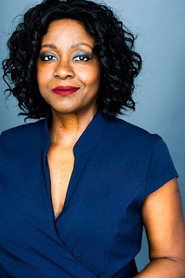 Connie JacksonGrace
 Danièle WattsMarianne
- John C. JohnsonMr. McGill
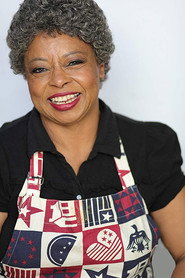 Reatha GreyMrs. Freeman
 Stanley Bennett ClayHoward
- Casey DesmondHowie
 Anna JeanGirl After Party
- Matt BakerTruck Driver
Directing
- Ari AsterDirector
- Jeff KeithFirst Assistant Director
- Summer LangeScript Supervisor
- Jared Scott MercierSecond Assistant Director
Writing
- Ari AsterWriter
Production
- Matthew LessallCasting
- Twinkie ByrdCasting
- Alejandro de LeonProducer
Recommended by
Deej, Thou Wast Mild and Lovely, Let Me Out, The Tree of Blood