
Film
The Deeper You Dig
- Supernatural horror
- Fantasy
- Very dark
A rural folk horror film about grief, guilt, and the supernatural aftermath of a terrible accident. Made by a real family (the Posers), it has an authentic, unpolished texture that makes its haunting feel lived-in rather than constructed. It's austere, slow, and genuinely unsettling—for viewers drawn to dread over jump scares.
Should you watch it?
Watch it if you like slow-burn horror where grief and guilt seep into the house and the landscape, and a ghost story cares more about a mother's stubborn patience than about jump scares.
Skip it if you need brisk plotting, since this moves at a muted, brooding pace and its supernatural threads can feel tangled and murky.
What it asks of you: Ninety-five minutes of patient, low-lit atmosphere, where the dread builds in silences and the tension sits in its shape rather than its shocks.
Not sure? Find tonight's pick in a minute.
If you liked this
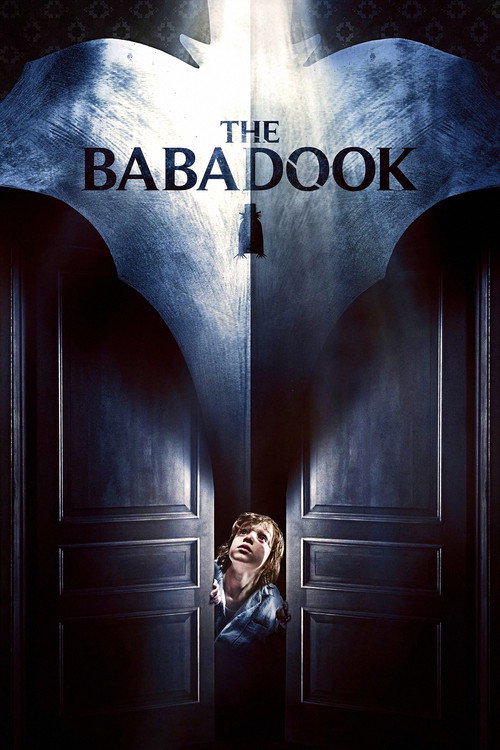
The Babadook2014
Grief and supernatural horror intertwined; a mother-child story where the monster is both external and internal. It builds dread through sound design and atmosphere rather than action, and it trusts you to sit with discomfort.
But Deliberate pacing means long stretches of quiet waiting. The ending divides viewers on whether it earns its emotional weight.
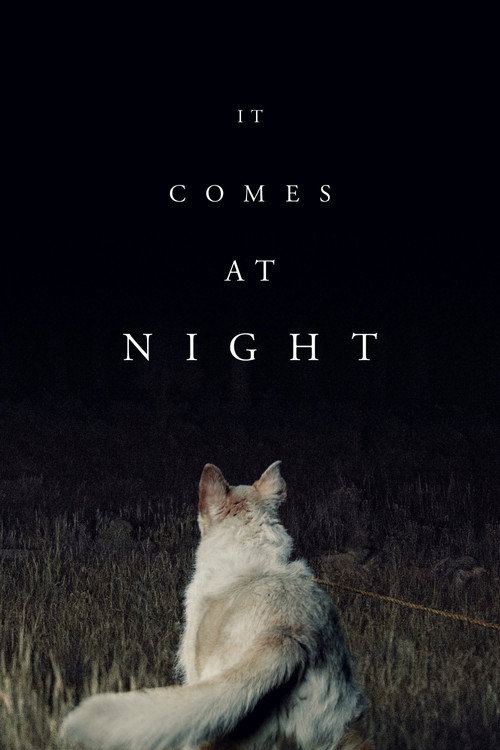
It Comes at Night2017
Another slow-burn folk horror film about isolation, family trauma, and a threat you can't quite see. Director Trey Edward Shults builds unease through everyday moments distorted by paranoia and fear.
But Marketed as creature horror but delivers something more abstract. If you want a clear narrative or a payoff, you'll leave frustrated.
The Wailing2016
A South Korean mystery-horror that unfolds across a small community. It layers supernatural dread, family horror, and moral ambiguity into something that gets under your skin and stays there.
But Two-and-a-half hours; deliberately confusing in its final act. Subtitles required, and it rewards close attention more than casual watching.

Not sure tonight? Get a pick in a minute, starting from The Deeper You Dig
The wildcard
Something you would not have found on your own.
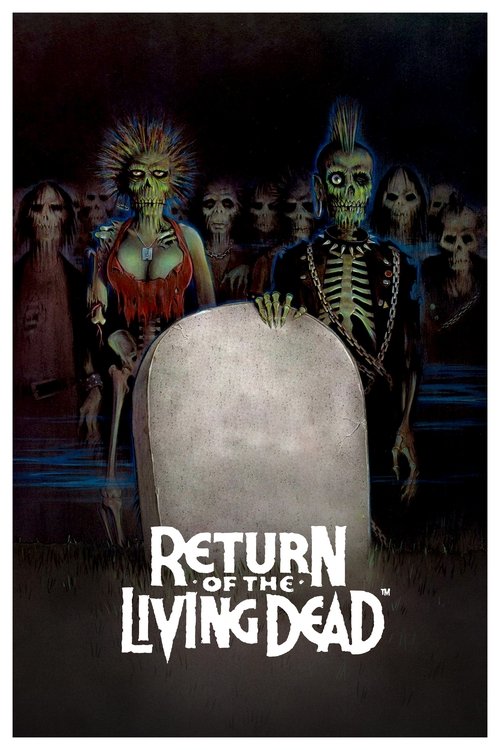
The Return of the Living Dead1985
Both films centre on a violent accident with irreversible consequences and the cover-up that follows. The Deeper You Dig mines guilt and haunting from that moment; Return of the Living Dead mines dark comedy from the same basic premise—what happens when someone dies and you can't undo it.
A punk-rock zombie comedy that knows exactly what it is. It's trashy, absurd, funny, and genuinely frightening—a B-movie that achieves something far smarter than its budget suggests, with real emotional weight beneath the gore.
But The tone is knowingly ridiculous; if you want straightforward horror without irony, this will feel exploitative rather than earnest. Practical effects of a certain era; some may find them dated.
More like this (8)
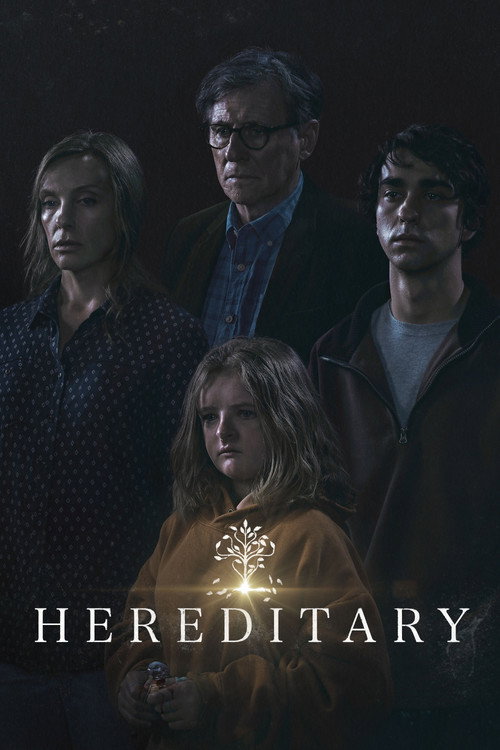
Hereditary2018
Ari Aster's debut transforms family dysfunction into something cosmic and terrifying. Toni Collette is extraordinary, and the film moves from intimate horror to apocalyptic dread with devastating momentum.
But Contains images designed to be genuinely upsetting. The plot pivots into territory some find overwrought or laughable on reflection.
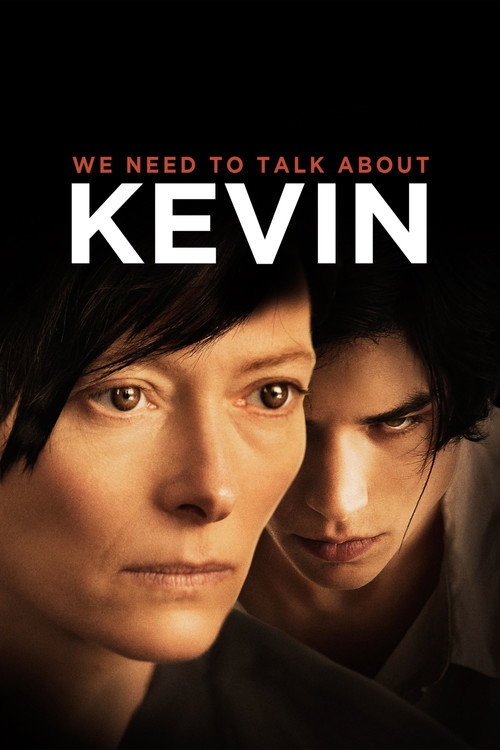
We Need to Talk About Kevin2011
Lynne Ramsay's exploration of maternal guilt and family darkness, told in fractured pieces. Raw, artful, and deeply uncomfortable—about what mothers can't control and can't forgive themselves for.
But Visually abstract and frequently opaque. The film withholds information and clarity, which deepens the unease but frustrates viewers wanting straightforward storytelling.
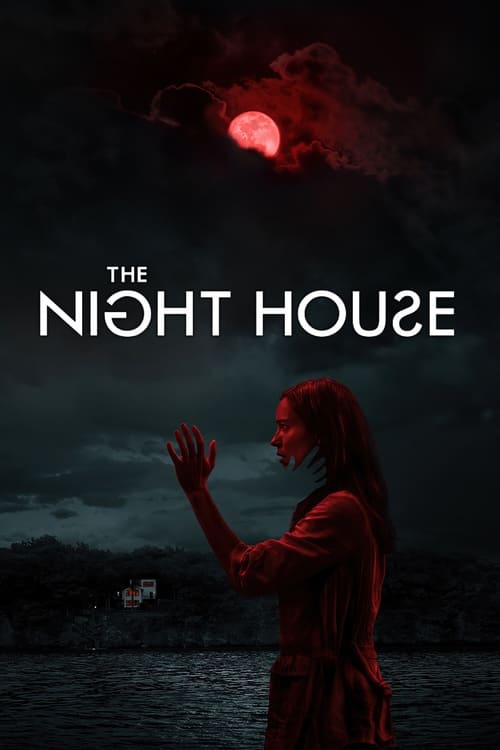
The Night House2021
Rebecca Hall gives a performance of raw vulnerability as a widow haunted by her husband's secrets. It balances genuine supernatural scares with intimate grief, and it respects both equally.
But The tone shifts between intimate drama and horror-thriller, which some find tonally inconsistent. The ending leans on ambiguity.
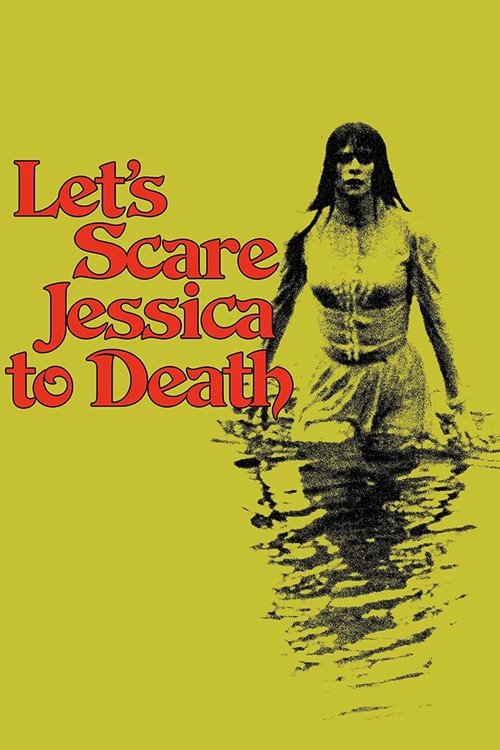
Let's Scare Jessica to Death1971
An early folk-horror gem about a woman recovering from mental illness in an isolated cottage. It's low-budget but genuinely eerie, built on atmosphere and paranoia rather than gore.
But Visibly dated in craft and pacing. The sound design is intentionally harsh; some viewers find it more grating than unsettling.
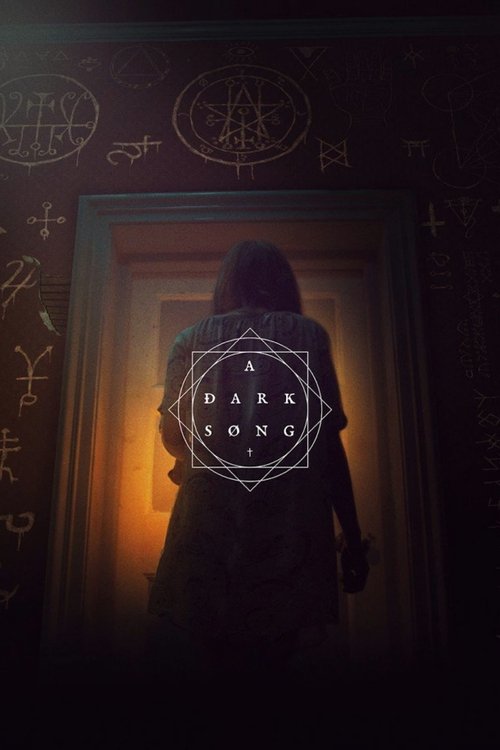
A Dark Song2016
An Irish occult film about grief and desperation. Two people conduct a lengthy ritual in an empty house—intimate, strange, and built on genuine emotional stakes beneath the supernatural framework.
But Slow, cryptic, and sparse. Long stretches of ritualistic repetition; minimal plot momentum until the final stretch.
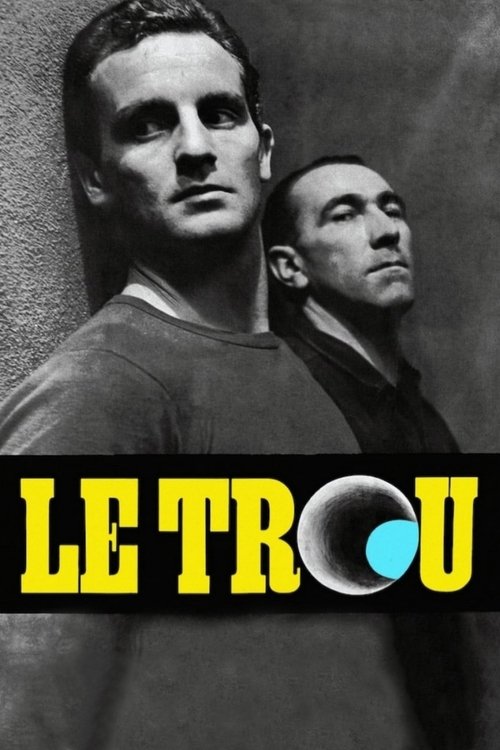
Le Trou1960
A French New Wave horror oddity about workers trapped in a deepening well, watched by a voyeuristic crowd. Surreal and claustrophobic, it's formally experimental and deeply strange in ways that linger.
But Deliberately inaccessible and intellectually abstract. The pacing is glacial; plot and character motivations remain unclear by design.
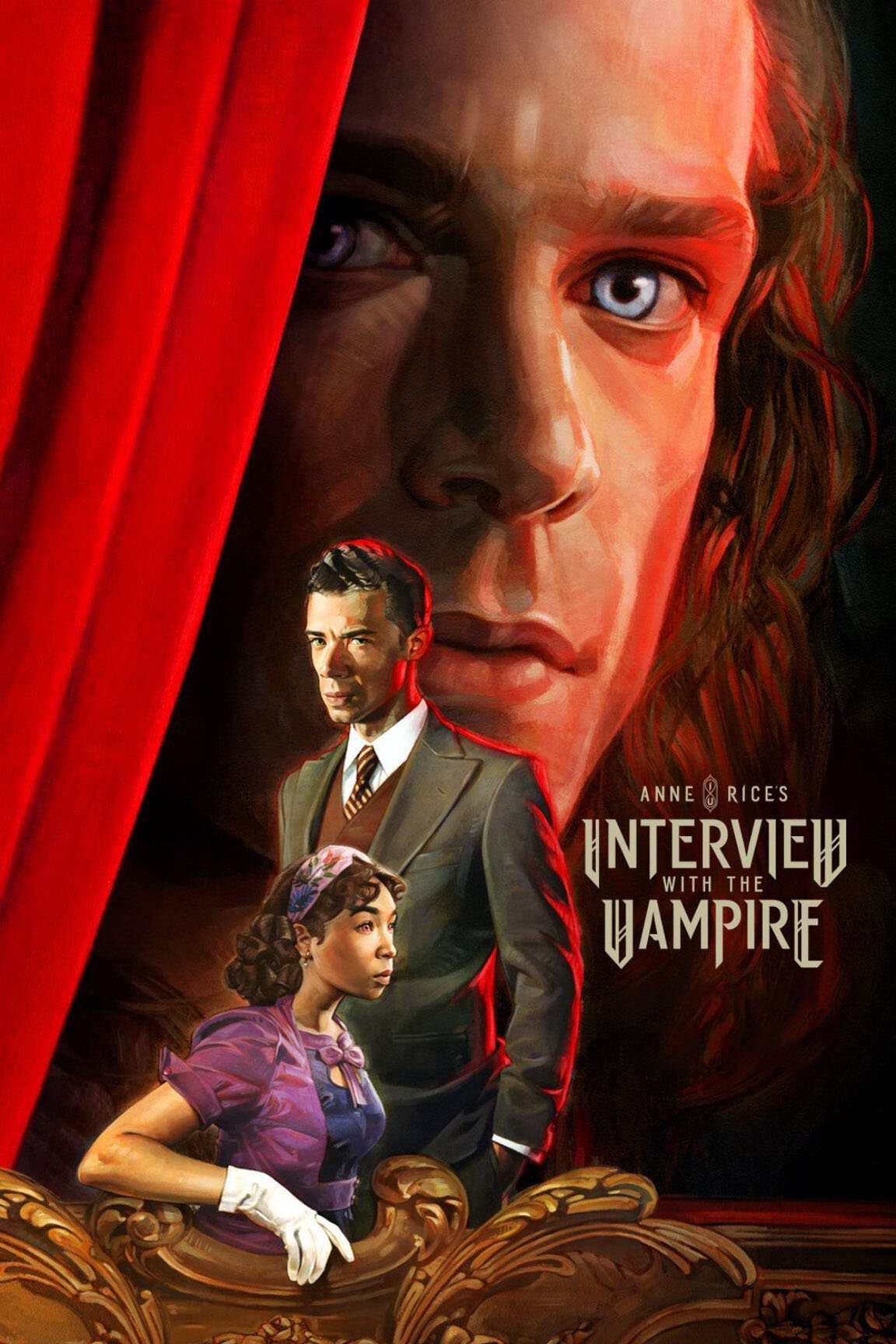
Anne Rice's Interview with the Vampire2022
Both use the supernatural as a language for grief and trauma. The series, like The Deeper You Dig, trusts atmosphere over action and lets the emotional reality of loss drive the horror.
The AMC series reimagines Rice's novel as a slow-burn character study and relationship drama. Gorgeously shot, queer, complex, and genuinely unsettling in ways that have nothing to do with vampires jumping at the camera.
But Very slow and very concerned with internal states; plot takes a back seat to mood and character. The first season is incomplete as narrative; you need to commit to more episodes.
Mulholland Drive2001
Both films leave you unsure what's real and what's the manifestation of grief or guilt. The Deeper You Dig uses haunting literally; Mulholland Drive uses psychological fracture. Both treat their narratives as landscapes of internal states rather than external events.
Lynch's Hollywood nightmare is disorienting, gorgeously shot, and built on the collision between reality and delusion. It moves through beauty and dread with dreamlike logic that feels like haunting.
But Deliberately fragmented and non-linear; no clear plot to hold. Demands active interpretation and multiple viewings; many viewers find it frustrating rather than rewarding.

People
Cast
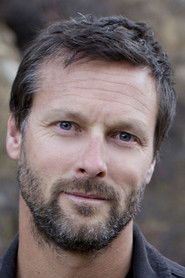 John AdamsKurt
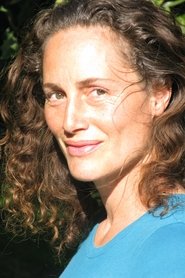 Toby PoserIvy
 Zelda AdamsEcho
- Shawn WilsonDell
- Joan PoserMrs. Minskey
- Mike ChildsRadio Norm Daniels
- Izzy FigueredoDetective Davide
Directing
- Zelda AdamsAssistant Director
- Zelda AdamsCo-Director
- John AdamsDirector
- Toby PoserDirector
Writing
- John AdamsWriter
- Toby PoserWriter
Production
- John AdamsProducer
Recommended by
The Devil's Candy, The Strange Thing About the Johnsons, The Vanishing