
Film
Nocturnal Animals
- Drama
- Very dark
Tom Ford's second film is a cold, glossy nesting doll: a gallery owner reads a violent novel dedicated to her by the ex-husband she wronged, and the story bleeds into her own guilt. It alternates between chic LA emptiness and brutal West Texas revenge, shot with fashion-photographer precision. Gorgeous, punishing, and unsubtle about its cruelty — this is for people who like their thrillers with a knife hidden in the tailoring.
Should you watch it?
Watch it if you like a story folded inside another, where a cold, glossy frame keeps quietly undercutting a savage inner tale, and you enjoy piecing together what the book is really saying.
Skip it if you find stylised images of wealth and grief more irritating than gripping, or you struggle with brutal violence that lingers rather than flashes past.
What it asks of you: Two stories braided together at a measured, deliberate pace, with long held silences in the present day and a harsher, more kinetic rhythm in the fiction.
Not sure? Find tonight's pick in a minute.
If you liked this
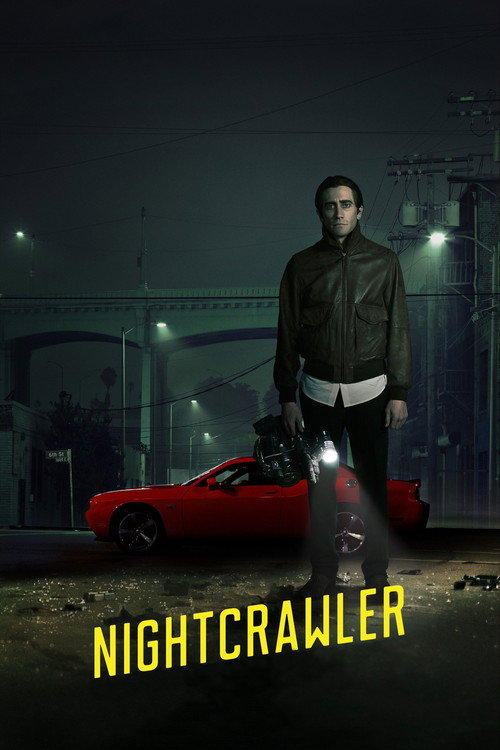
Nightcrawler2014
Gyllenhaal again, this time playing a predator instead of a victim, in a nocturnal LA thriller as sleek and merciless as Ford's film. Same actor, opposite moral register, equally hypnotic.
But Its protagonist has no redeeming qualities and the film refuses to soften him. Bleak company for two hours.
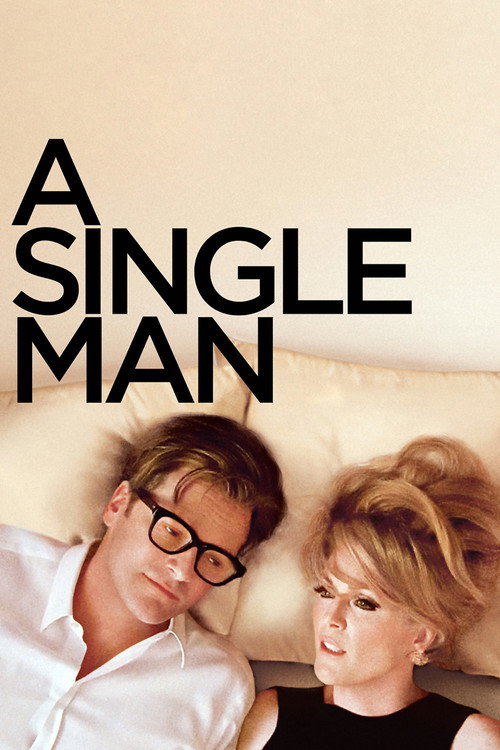
A Single Man2009
Tom Ford's debut, and the clearest way to see his obsessions in their purest form: grief, immaculate surfaces, a man drowning quietly in beautiful rooms.
But Slower and more interior than Nocturnal Animals — a mood piece, not a thriller, and some will find it static.
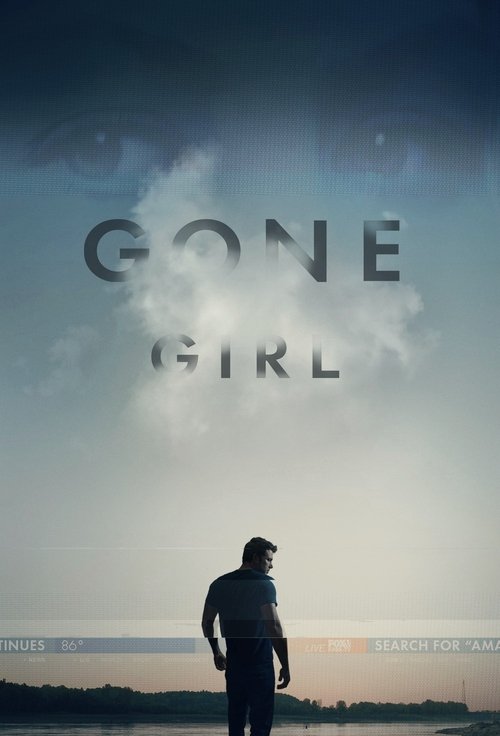
Gone Girl2014
A marriage curdled into a weapon, told through nested, unreliable narratives that force you to keep revising who's the victim. Fincher at his most gleefully cruel.
But Its twists rely on plotting more than atmosphere, so it's a colder, more mechanical kind of nasty.
Not sure tonight? Get a pick in a minute, starting from Nocturnal Animals
The wildcard
Something you would not have found on your own.
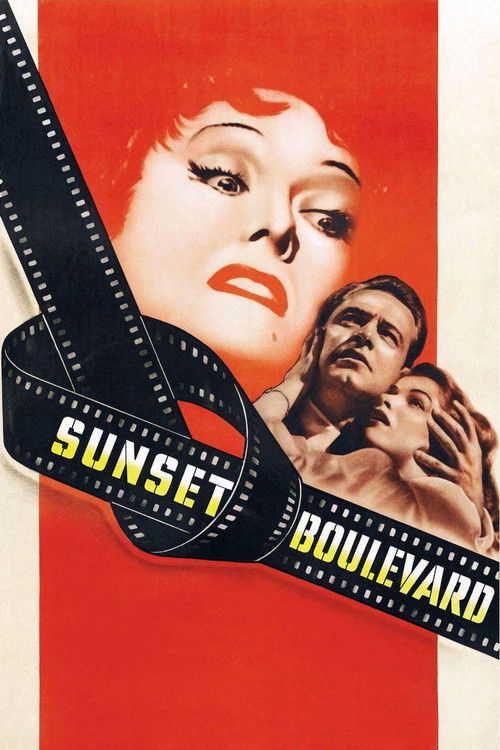
Sunset Boulevard1950
Both films use narrative-as-weapon: a discarded artist channels betrayal into a story designed to wound the person who left him. Same structural cruelty, decades apart.
A story-within-a-story about a wronged writer using fiction as revenge on the person who discarded him — sixty-six years before Ford's film and twice as vicious about it.
But Black-and-white, theatrical, and unmistakably of its era — the pacing and performance style take adjustment for modern eyes.
More like this (8)
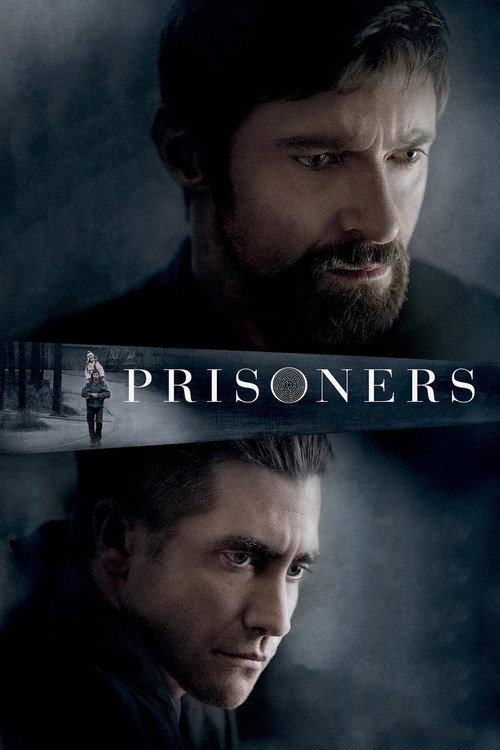
Prisoners2013
Gyllenhaal and Villeneuve's grim procedural pairs beautifully with this film's dread — small-town violence, moral compromise, and a slow tightening of the screws.
But It's a long, heavy sit with no comic relief and an ending that offers little comfort.
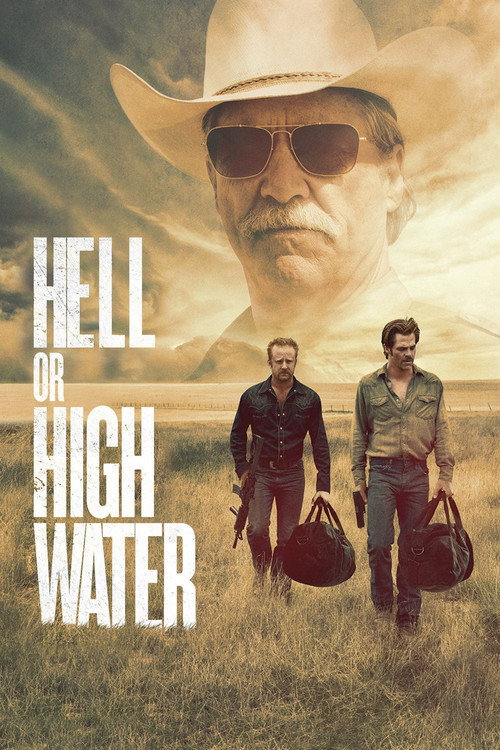
Hell or High Water2016
Same dust-blown Texas, same sense that the landscape itself is complicit in the violence. A lean, mournful crime film with real heart under the grit.
But More classic heist-thriller than psychological puzzle box — it plays it straighter than Ford's film.
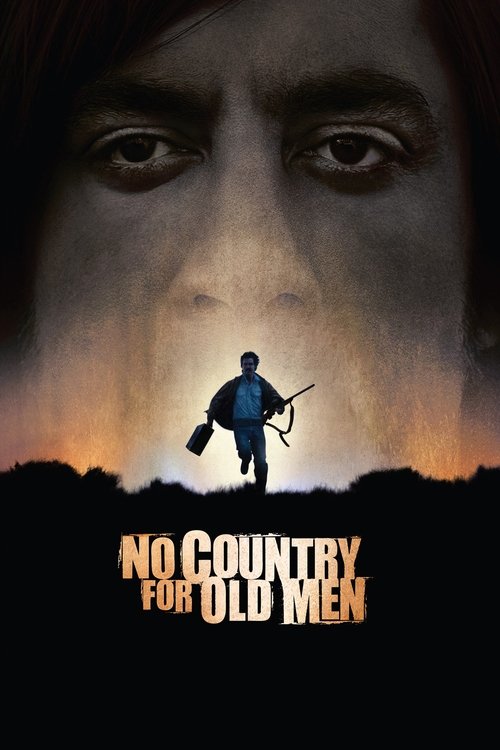
No Country for Old Men2007
The Coens' vision of Texas as a place where chance and cruelty are indistinguishable. If you loved the novel-within-the-film's remote highway dread, this is that dread stretched to feature length.
But Its ending is deliberately anticlimactic and philosophical rather than cathartic — some viewers find it maddening.
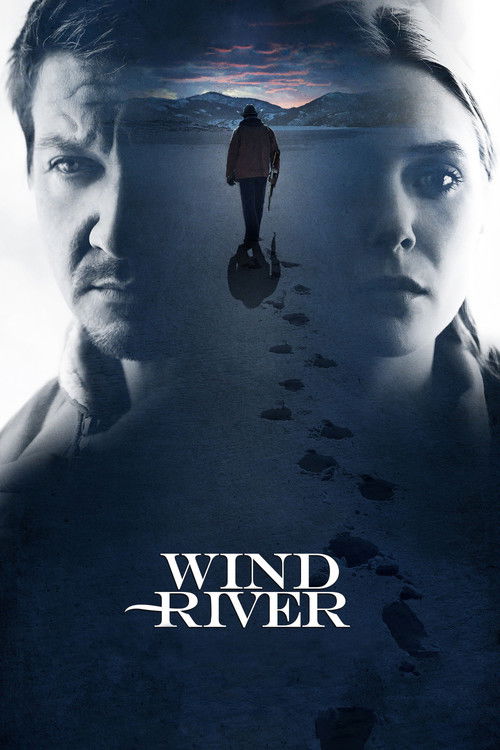
Wind River2017
A snowbound revenge story with the same interest in what violence does to the people left behind, not just the people who commit it.
But It's grimmer and more procedural, with less of the stylistic flourish that makes Ford's film so seductive to look at.
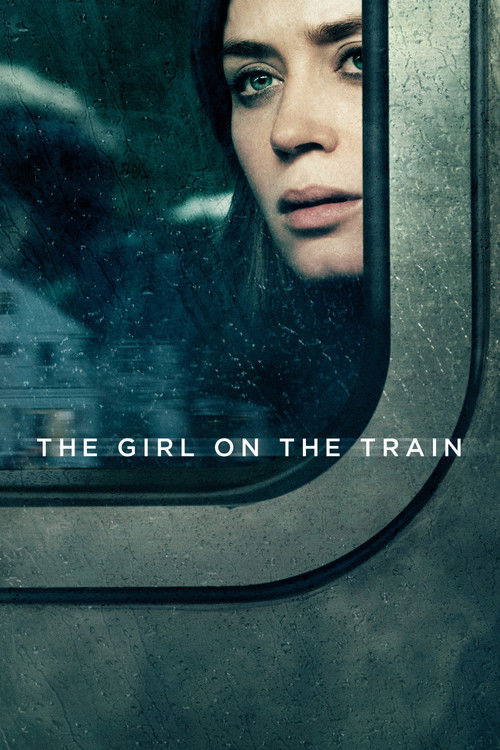
The Girl on the Train2016
An unreliable, art-adjacent woman piecing together a violent story from fragments — a pulpier, more accessible cousin to Susan's reading experience.
But Considerably trashier and less controlled; it wants to be a page-turner more than a meditation.
American Beauty1999
For the gallery-opening crowd rather than the highway crowd: suburban gloss concealing rot, and a scalpel-sharp eye for how appearances become their own kind of violence.
But Its satire of the late-90s suburbs feels dated now, and it's gentler and more explicitly comic than Ford's film.

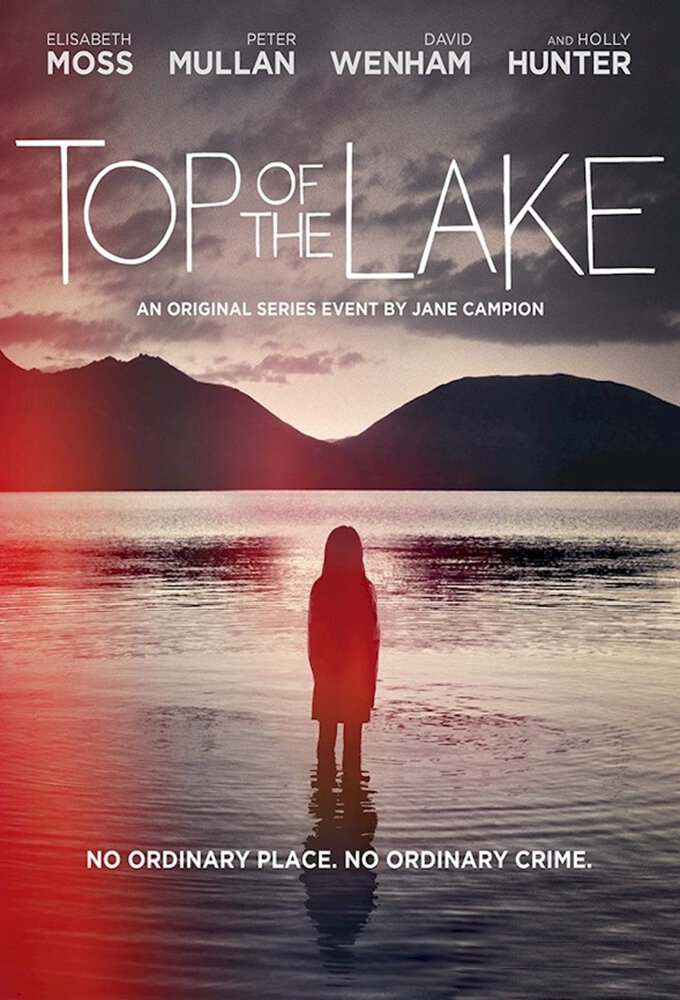
Top of the Lake2013
Same visual strategy as Nocturnal Animals — gorgeous, controlled framing used to make violence land harder — but stretched into a serialized format that lets the dread breathe over hours instead of minutes.
Jane Campion's miniseries pairs painterly, almost fashion-shoot beauty with a brutal crime at its center, exactly the tension Ford builds between glossy surfaces and violence underneath.
But Slower and more diffuse than a two-hour film — it takes six-plus episodes to close its circle, and some threads stay loose.
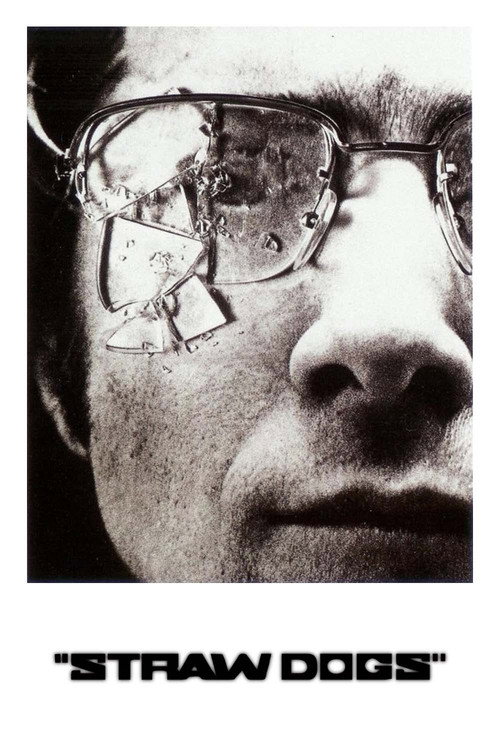
Straw Dogs1971
It's the same premise as the film-within-the-film — a family terrorized in an isolated place, a man's failure to protect them curdling into vengeance — but played completely straight, without Ford's cool remove.
Sam Peckinpah's home-invasion thriller strips away all the art-world varnish and gives you Tony Hastings' nightmare raw: a man pushed past reason, violence with no aesthetic distance at all.
But Notoriously ugly and confrontational, with a home-invasion sequence that's genuinely upsetting rather than stylized — not a comfortable watch.
People
Cast
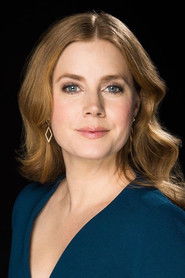 Amy AdamsSusan Morrow
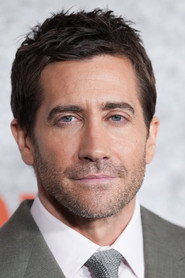 Jake GyllenhaalTony Hastings / Edward Sheffield
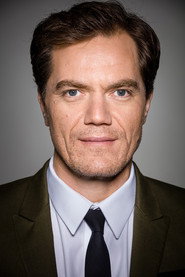 Michael ShannonBobby Andes
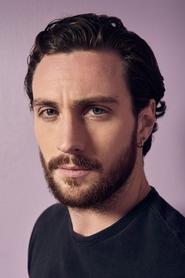 Aaron Taylor-JohnsonRay Marcus
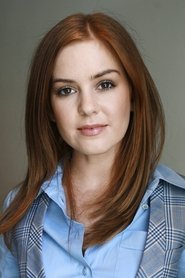 Isla FisherLaura Hastings
 Ellie BamberIndia Hastings
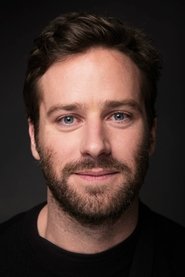 Armie HammerHutton Morrow
 Karl GlusmanLou
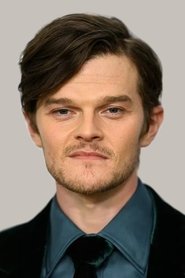 Robert AramayoTurk
 Laura LinneyAnne Sutton
 Andrea RiseboroughAlessia
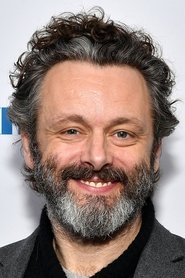 Michael SheenCarlos
Directing
- Tom FordDirector
- Jason BlumenfeldFirst Assistant Director
- Scott PetersonScript Supervisor
- Christophe Le ChanuSecond Assistant Director
Writing
- Austin WrightNovel
- Tom FordScreenplay
Production
- Francine MaislerCasting
- Mike PassineCasting Associate
- Sande AlessiCasting Associate
- Diane L. SabatiniCo-Producer
- Stephenson CrossleyLocation Manager
- Robert SalernoProducer
- Tom FordProducer
- Marjorie ChodorovProduction Accountant
- Nick RufcaProduction Coordinator
Recommended by
Fast Food Nation, A Single Man, The Salesman, The Emperor's Club, The Neon Demon, Wild Tales, Eyes Wide Shut, A Touch of Sin, Stalker, Deep Water, Possum, Holy Spider, Song Without a Name, Masters of Horror, All Good Things, The Innkeepers, El turno de la aullante, Joan Didion: The Center Will Not Hold, The Influencer, Honour, Brothers, Thou Wast Mild and Lovely, Deadline, Piercing, A Good Marriage, The First Wave - Milan in the Time of Covid-19, Timing, Resurrection, Inheritance, Oscuro deseo, Stay, Bron / Broen, The Tree of Blood, Echo Valley