
Film
Stay
Other titles called Stay: the 2005 film.
A taut six-minute thriller about a couple where trust fractures in real time. It's the kind of precise, economical storytelling that makes every second count—no wasted breath, just mounting tension and a final reveal that recontextualizes everything before it. For anyone who loves the efficiency of great short films or the particular dread of intimate betrayal.
Should you watch it?
Watch it if you like thrillers that hold a single tense exchange together and let the unease build from what goes unsaid between two people.
Skip it if you want a story with room to breathe; six minutes gives the characters little space, so it plays more like a sharp sketch than a lived-in tale.
What it asks of you: A tightly wound piece you finish in one sitting; it rewards close attention to small gestures and what the dialogue leaves out, with no slack to catch up on.
Not sure? Find tonight's pick in a minute.
If you liked this
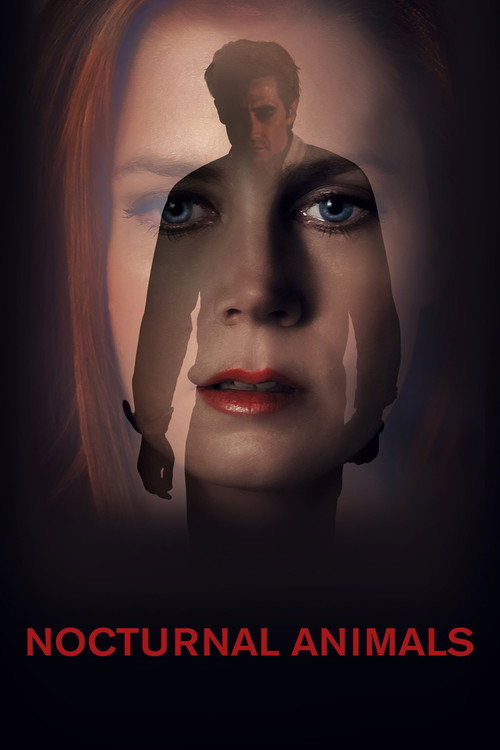
Nocturnal Animals2016
A story-within-a-story about a woman confronting her ex through his violent novel. Like Stay, it finds maximum psychological impact in the space between what's said and what's hidden, building dread through implication.
But Deliberately paced and bleak, with long stretches of atmospheric tension rather than plot momentum. Some find it self-conscious in its artfulness.
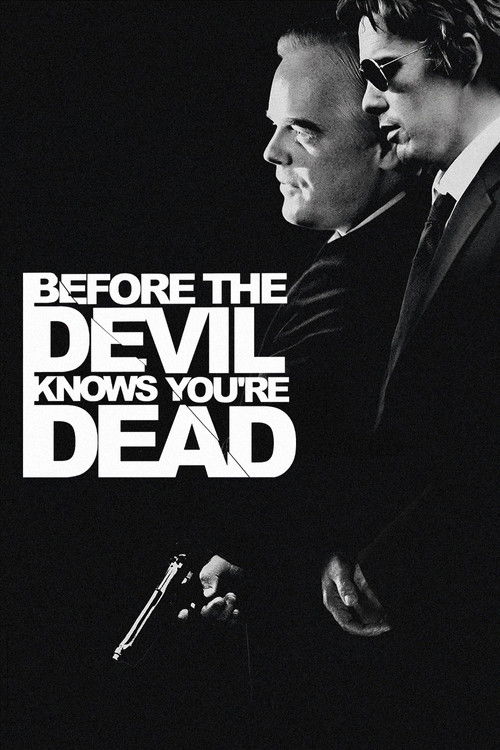
Before the Devil Knows You're Dead2007
Two brothers spiral after a robbery goes catastrophically wrong, and we watch their relationship corrode under pressure and lies. Shares Stay's interest in how deception unravels intimacy, built entirely on character and proximity.
But The violence is sudden and brutal. Sidney Lumet's style is deliberately unglamorous, which some readers find dated.
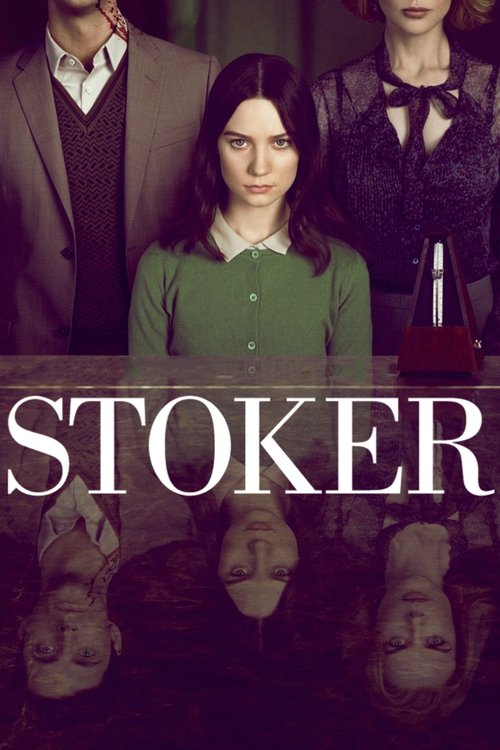
Stoker2013
A young woman's life fractures when a mysterious uncle arrives, and nothing is quite what it seems. It's all coiled tension and suppressed truths, told with immaculate visual control. Every scene withholds until the moment it can't.
But Heavily stylized and slow. Park Chan-wook's use of silence and implication may feel oblique rather than thrilling.
Not sure tonight? Get a pick in a minute, starting from Stay
The wildcard
Something you would not have found on your own.
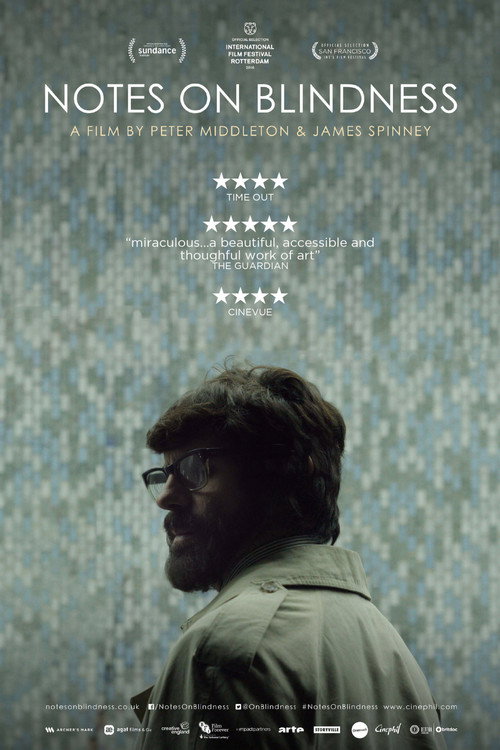
Notes on Blindness2016
Both are extreme acts of compression—Stay compresses betrayal into six minutes, Notes compresses a life-altering loss into fifty-five. Both trust silence and implication over explanation. Both leave the heaviest work to the viewer.
A documentary essay about John Hull losing his sight, constructed from audio diaries. Like Stay, it's about how perception shapes reality, but here the subject is literal and sensory. Profound in ways that sneak up on you. Only 55 minutes.
But Extremely quiet and introspective. There is no narrative arc or dramatic payoff, just sustained attention to one man's interiority. Some find it meditative; others find it ponderous.
More like this (8)
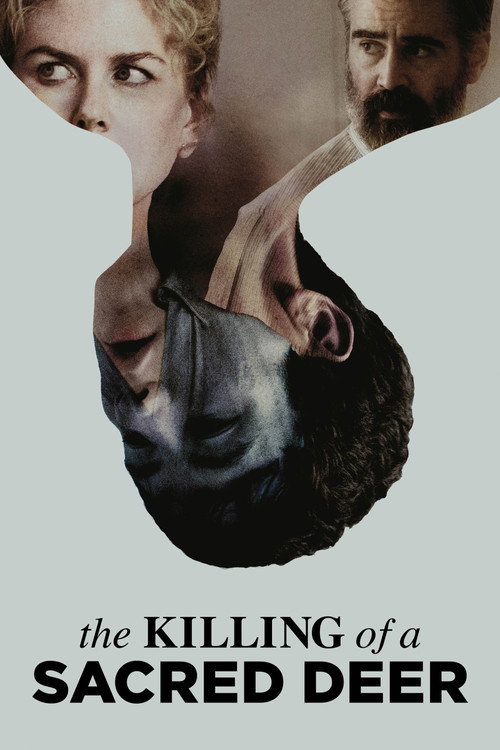
The Killing of a Sacred Deer2017
A surgeon and his family are haunted by a young man with unknowable intentions. The dread comes entirely from what isn't said and what you can't quite understand. It's about trust weaponized, which is Stay's core.
But Intentionally strange and deadpan. The pacing is deliberate to the point of discomfort, and the logic is dreamlike rather than rational.
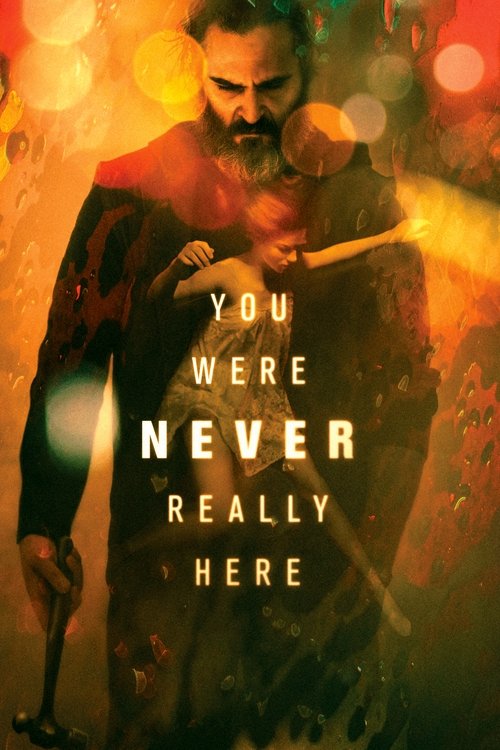
You Were Never Really Here2017
A traumatized operative rescues a kidnapped girl, but his grip on reality is increasingly compromised. Built on misdirection and unreliable perspective, with a running time nearly as spare as Stay's. Every frame suggests something unseen.
But Graphic violence and themes of child abuse. The narrative is fragmented to the point of opacity, and some viewers find it punishing rather than engaging.
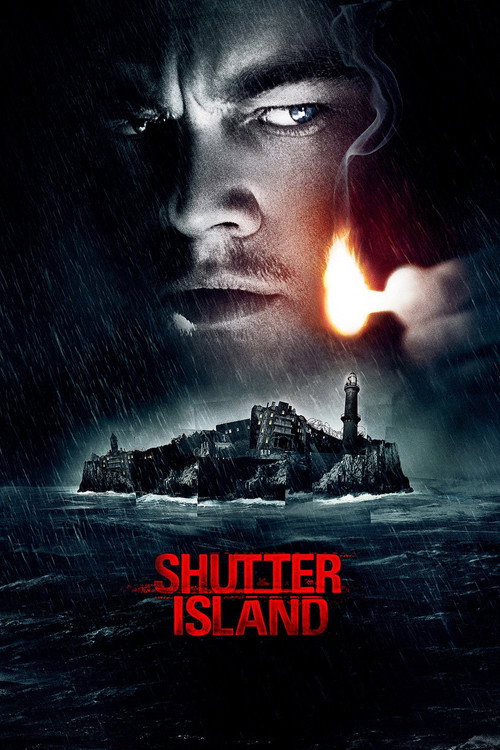
Shutter Island2010
Two marshals investigate a disappearance on an isolated asylum, but the mystery runs deeper than it appears. A masterclass in the unreliable narrator, constructed to make you question what you've seen. Shares Stay's commitment to recontextualization.
But The twist is heavily signposted if you're paying attention. Some find the film's psychology reductive, or its final revelation more sentimental than earned.
Mulholland Drive2001
Two women navigate Los Angeles's dark underbelly, and the film repeatedly fractures and reforms. Like Stay, it's fundamentally about how perspective shapes reality, building meaning through dissonance and hidden truths.
But David Lynch deliberately frustrates linear comprehension. It demands active viewing and rewards no single interpretation. Some viewers experience that as pretentious rather than profound.

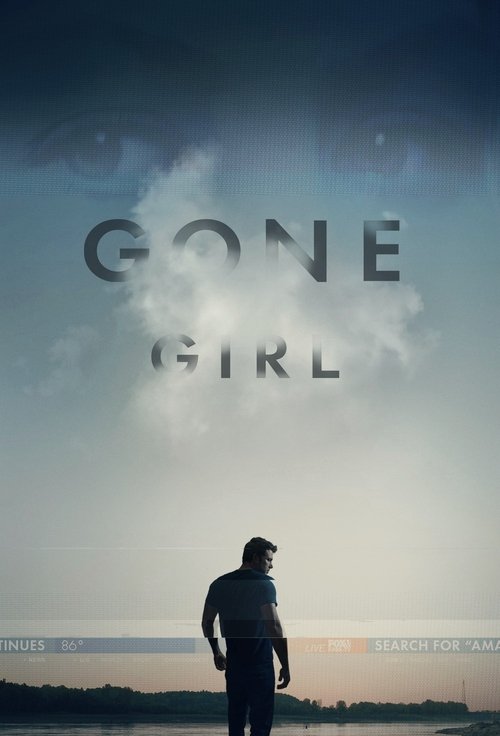
Gone Girl2014
A wife vanishes on her anniversary, and nothing—including the marriage itself—is what it seems. It understands how deception operates inside relationships, and how quickly loyalty crumbles under pressure and revelation.
But Cynical about human nature to the point of misanthropy. The female lead is brilliant but deeply unsympathetic, which alienates viewers looking for someone to root for.
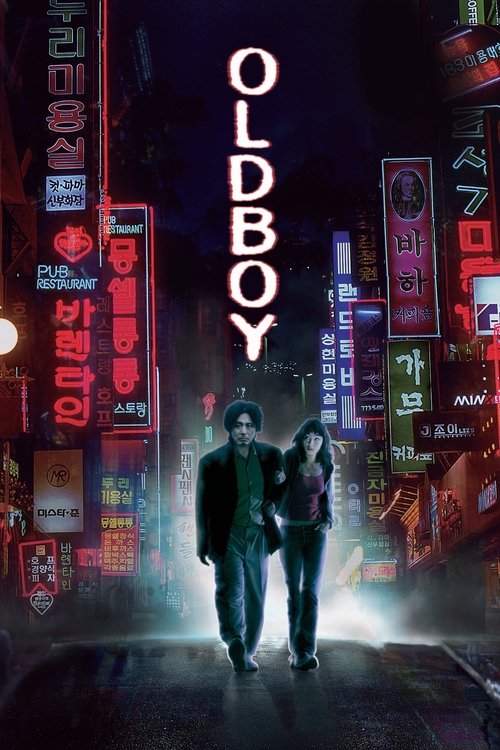
Oldboy2003
A man is imprisoned for fifteen years without explanation, released, and given a week to find his captor. It's about how the past devours the present through hidden trauma and revenge. Both films compress enormous weight into economical running time.
But Graphic violence and sexual content. The twist requires significant suspension of disbelief, and some scenes are genuinely hard to watch.
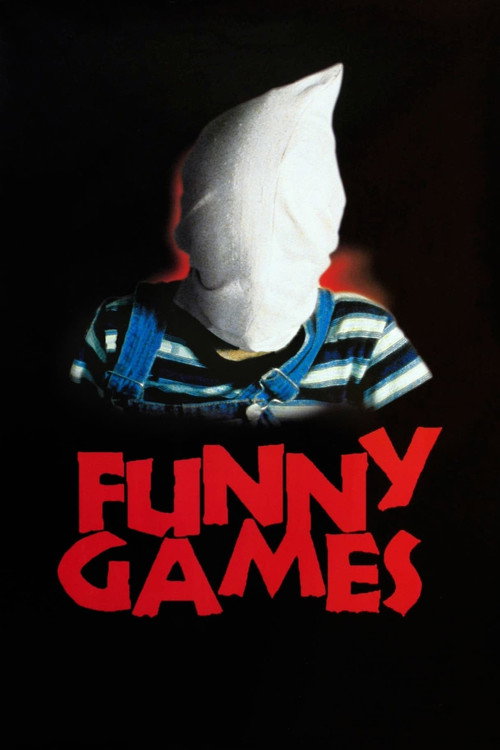
Funny Games1997
Both films weaponize the audience's trust in convention. Stay hides information to blindside you; Funny Games hides its contempt for you until it doesn't. Both ask: what did you agree to when you sat down?
Michael Haneke's brutal home-invasion film about a family terrorized by two polite young men. But Haneke explicitly breaks the fourth wall, making you complicit in the entertainment you're consuming. It's a masterpiece of audience manipulation—about how cinema itself traffics in deception.
But Difficult and deliberately unpleasant. Haneke despises audiences, and it shows. There is no catharsis or comfort, only moral interrogation. Many find it sadistic rather than rigorous.
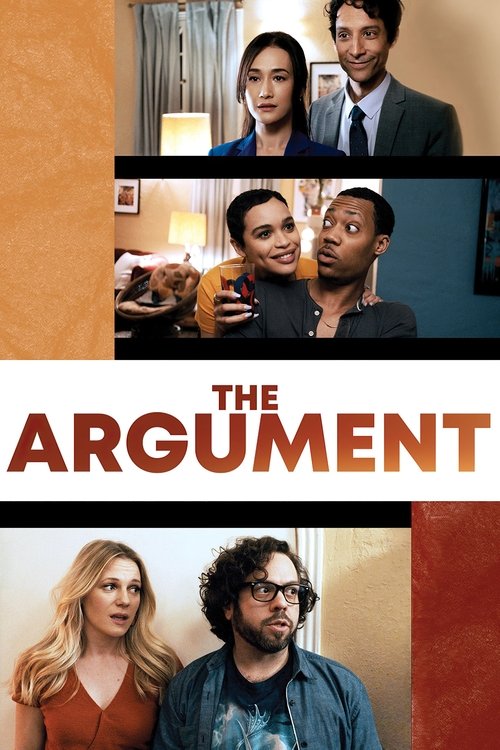
The Argument2020
Both treat a relationship's fracture point as a film itself. Both suggest that documentation and reality are not opposites but entangled. Both run short and hit hard through refusal to look away.
A couple films their argument, trying to capture its truth for a documentary. It's half-improvised, half-scripted chaos—impossible to tell where performance ends and genuine emotion begins. Like Stay, it's about how truth dissolves under scrutiny. Joyfully claustrophobic.
But Very lo-fi and deliberately amateurish. Some of it is genuinely annoying to watch. If you need production value or narrative clarity, this will frustrate you.
People
Cast
 Loren LottBella
 Patrick WalkerAubrey
Directing
- Eric Rai'VaunDirector
Writing
- Chelsie RobinsonWriter
Production
- Michael MuellerAssociate Producer
- Eric Rai'VaunExecutive Producer