
Film
Before the Devil Knows You're Dead
- Heist
- Family drama
- Crime thriller
- Very dark
A brilliant, merciless descent into how one terrible decision unravels a family. Sidney Lumet's final film watches two brothers' jewelry-store heist plan catastrophically backfire, triggering cycles of violence, deception, and recrimination that expose how little anyone truly knows each other. Brutal and intimate—a masterclass in dramatic structure that feels less like a thriller than a family autopsy.
Should you watch it?
Watch it if you like crime stories driven by family resentment and moral rot more than by heists, and don't mind a story that circles back over the same days from different angles to tighten the screws.
Skip it if you want a tidy crime plot with clear heroes; everyone here is compromised, the mood stays bleak, and the back-and-forth timeline can feel like work.
What it asks of you: Expect a slow build across a little under two hours, with long dialogue scenes and a dark, unhurried weight that rewards attention rather than rewarding you for looking away.
Not sure? Find tonight's pick in a minute.
If you liked this
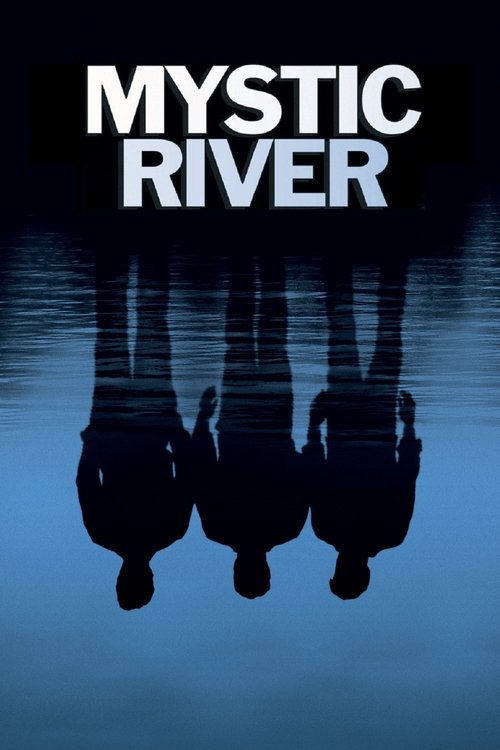
Mystic River2003
Three childhood friends confront trauma and betrayal when a murder investigation forces them to question everything they thought they knew. Like Lumet's film, it's about how the past colonizes the present and how secrets corrode bonds that should be unbreakable.
But Clint Eastwood's direction can feel heavy-handed, and the mystery's resolution divides viewers on whether it earns its emotional wallop or manipulates it.
In the Bedroom2001
A quiet New England family is shattered by violence, and the aftermath becomes a slow-burn study of grief, rage, and what revenge costs. Todd Field builds dread through restraint—you'll recognize the emotional terrain of Lumet's film in its refusal to look away.
But The pacing is glacial and nothing you'd call a plot happens for long stretches. Some find it glacial; others find it perfect.

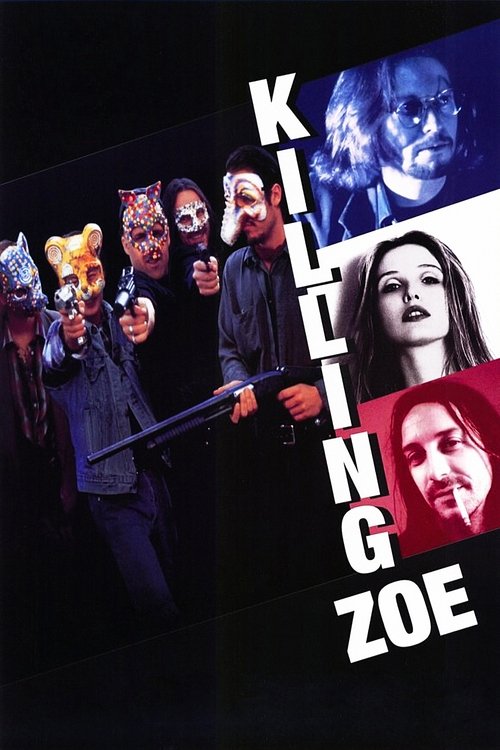
Killing Zoe1993
Roger Avary's kinetic Paris heist film spirals into chaos and moral collapse with the same ferocity as Lumet's jewelry store job. It captures how quickly competence evaporates under pressure and how the cost of crime spreads to everyone nearby.
But The 90s excess and stylization can feel dated, and the gender dynamics haven't aged well. It's more style than substance, though the style is undeniably vivid.
Not sure tonight? Get a pick in a minute, starting from Before the Devil Knows You're Dead
The wildcard
Something you would not have found on your own.
Rififi1955
Both are structured as the perfect crime meeting irresistible consequences—how meticulous planning cannot prevent the human chaos that follows.
Jules Dassin's 1950s heist masterpiece features the mother of all perfect heists—and the flawless robbery itself is eerily silent, a sequence of pure cinema. Then it shows you every way it falls apart and drags people into ruin. It's the DNA of every heist-goes-wrong story after it, including Lumet's.
But It's in French, it's black-and-white, and the pacing is deliberate. If you need constant plot momentum, a 70-year-old French film will test your patience.

More like this (8)
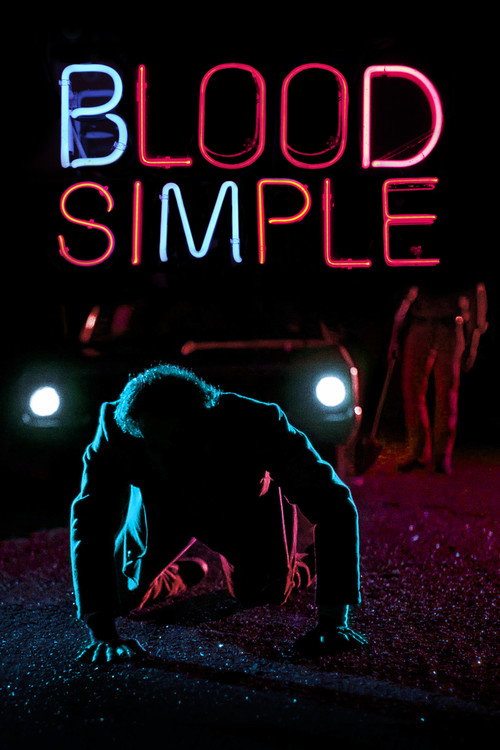
Blood Simple1985
The Coens' debut is a masterpiece of escalation: a simple plan in Texas spirals into misunderstanding, violence, and a body count that nobody intended. Shares Lumet's cold eye for how desperation and greed hollow people out.
But The Coens' detachment can feel cruel. If you want characters to earn your sympathy, you'll find them chilly and remote here.
A Prophet2009
A young man enters prison and is forced into crime to survive. Like Lumet's film, it's a precise, inexorable account of how circumstance and choice reshape identity—how you cannot commit a crime and remain unchanged.
But It's deliberately paced and in French, and prison brutality is unflinching. Prepare for slow burns and authenticity over catharsis.

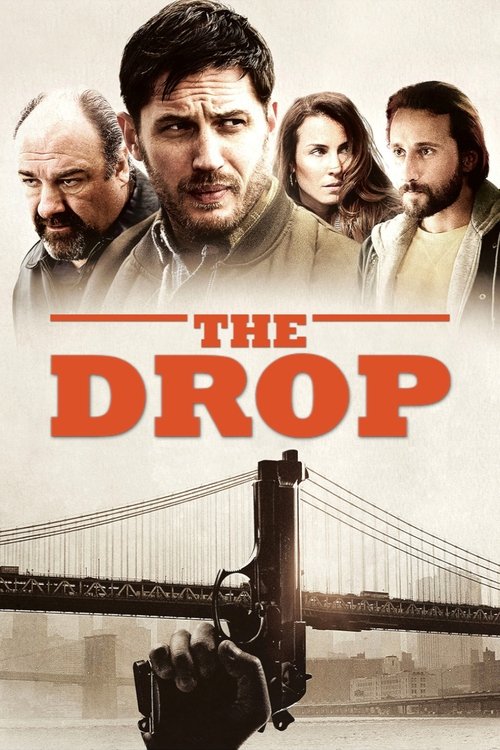
The Drop2014
A Brooklyn bartender becomes entangled in a mob world he never wanted. Tom Hardy's quiet performance mirrors Hoffman's—watching a good man realize he's trapped in a crime he can't escape from feels achingly familiar.
But It's understated to the point of being slack for some viewers. The plot can feel like it's drifting, and if you want momentum, this isn't your film.
Sexy Beast2001
A retired jewel thief's paradise shatters when a violent associate arrives. Like Lumet's film, it explores how the past invades the present and how crime creates debts that never really get paid off.
But Ben Kingsley's performance is intentionally grotesque and abrasive—designed to be repellent. The surreal tone can feel mannered, and some will find it precious.

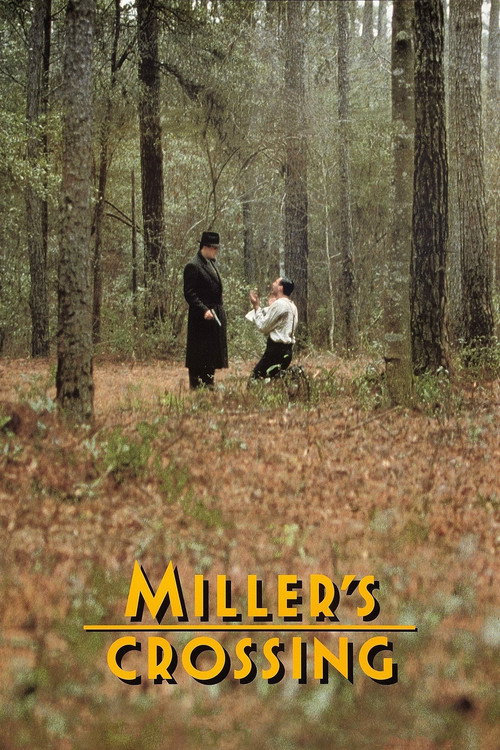
Miller's Crossing1990
The Coens' most baroque crime film is a Prohibition-era puzzle about loyalty, betrayal, and the gap between how you see yourself and who you actually are. The emotional architecture is pure Lumet.
But It's baroque and stylized to distraction. The plot can feel overcomplicated, and the artificiality puts some people off entirely.
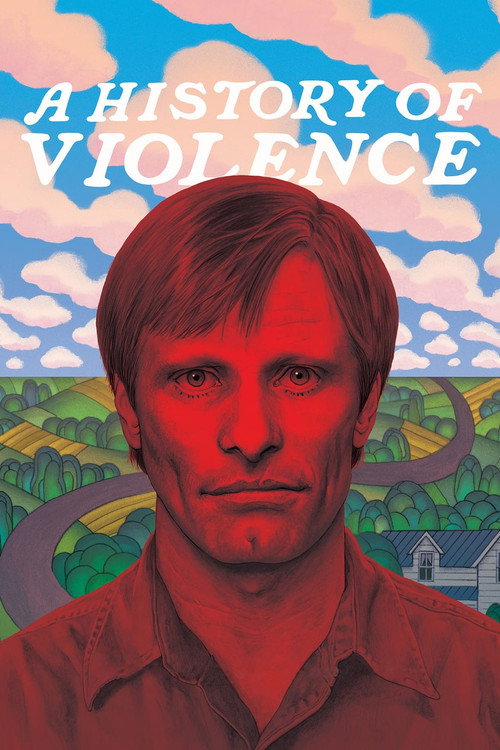
A History of Violence2005
David Cronenberg's examination of how violence fractures a man and his family has the same inexorable logic as Lumet's film—once you're implicated in crime, there's no exit that doesn't cost you everything.
But It's relentlessly grim and the violence is visceral and sometimes sexual. The nihilism can feel hollow, and Cronenberg's coldness isn't for everyone.
The Killing1956
Both are formal demolitions of the heist genre—they use structure itself to show how plans collide with human weakness and how secrets corrode trust.
Kubrick's first masterpiece is a racetrack heist told in fractured time, showing how the same events look completely different depending on who's telling them. It shares Lumet's precision about how crime pulls people into moral collusion and how nobody gets out clean.
But The fractured narrative structure can feel gimmicky on first viewing, and the cast is less compelling than the architecture. It's more intellectual puzzle than emotional investment.

Manchester by the Sea2016
Both see crime and consequence as family business—how one person's actions become a permanent shape in everyone else's life, and how forgiveness might matter more than justice.
Kenneth Lonergan's film is about a man returning to his past, forced to confront how he changed his family forever. Like Lumet's film, it's a portrait of how one catastrophe reshapes everything and how love and damage are inextricable—but it finds grace in the wreckage where Lumet finds none.
But It's deliberately melancholic and offers no redemption or catharsis, only acceptance. If you watch films to feel better, this will leave you hollowed out.

People
Cast
 Philip Seymour HoffmanAndy Hanson
 Ethan HawkeHank Hanson
 Albert FinneyCharles Hanson
 Marisa TomeiGina Hanson
 Aleksa PalladinoChris Lasorda

 Amy RyanMartha Hanson
 Sarah LivingstonDanielle
 Brían F. O'ByrneBobby Lasorda
 Rosemary HarrisNanette Hanson
- Blaine HortonJustin
 Arija BareikisKathrine
Directing
- Sidney LumetDirector
- Joseph P. ReidyFirst Assistant Director
- Jessica LichtnerScript Supervisor
- Amy LauritsenSecond Assistant Director
- John SilvestriSecond Second Assistant Director
Writing
- Kelly MastersonWriter
Production
- Abigail Zealey BessAssistant Location Manager
- Wendy BengeAttorney
- Ellen LewisCasting
- Lindsay ChagCasting
- Claire TraegerCasting Associate
- Geoffrey MiclatCasting Associate
- Guy PhamCo-Executive Producer
- Joel CorenmanCo-Executive Producer
- Austin ChickCo-Producer
- Jeff G. WaxmanCo-Producer
- Belle AveryExecutive Producer
- David BergsteinExecutive Producer
- Eli KleinExecutive Producer
- Hannah LeaderExecutive Producer
- J.J. HoffmanExecutive Producer
- Jane BarclayExecutive Producer
- Jeffry MelnickExecutive Producer
- Sam ZaharisExecutive Producer
- Adam VincentzExtras Casting
- Meredith Jacobson MarcianoExtras Casting
- Beth M. SchniebolkFirst Assistant Accountant
- Courtney Aura FreemanKey Art Production Assistant
- Carol CuddyLine Producer
- Erin MayhughLocal Casting
- Ralph PellegriniLocation Assistant
- Alvaro DonadoLocation Coordinator
- Daniel StrolLocation Manager
- Patricia PorterPayroll Accountant
- Brian LinseProducer
- Michael CerenzieProducer
- Paul ParmarProducer
- William S. GilmoreProducer
- Jim HaleProduction Accountant
- Glenn FerraraProduction Assistant
- Han WestProduction Assistant
- Kate BogleProduction Assistant
- Michael C. LizzioProduction Assistant
- Jason FritzProduction Secretary
- Patty WillettProduction Supervisor
- Andrew D. StockerSecond Assistant Accountant
- Carol CuddyUnit Production Manager
Recommended by
Palookaville, The Two Faces of January, Your Friends & Neighbors, Lantana, The Dinner, Low Winter Sun, Sleuth, The Good Thief, Baghead, Crime and Punishment, Shadowboxer, A Good Marriage, Chaos, Running Scared, Separate Lies, Night Falls on Manhattan, Tuner, The Blue Elephant, Stay, Hedda Gabler, Betty Fisher and Other Stories, Cassandra's Dream