
Film
Crime and Punishment
Other titles called Crime and Punishment: the 1935 film, the 1956 film, the 2002 film, the 2007 film, the 2019 series (Channel 4).
Dempsey carries this 1998 adaptation of Dostoevsky's masterpiece with quiet intensity. A desperate former student commits murder to prove a theory, then unravels under investigation by a deceptively genial magistrate. Stylish, introspective, and anchored by two magnetic performances, it captures the novel's psychological torment without requiring you to read 600 pages.
Should you watch it?
Watch it if you love psychological cat-and-mouse tension, where the real contest is a sharp interrogator circling a guilty mind until every rationalization starts to crack.
Skip it if you want a brisk, action-driven thriller; this 1998 TV movie lingers in talky rooms and feverish interior anguish, and its pace is deliberate throughout.
What it asks of you: Roughly two hours of patient attention, with long conversations and brooding silences rather than spectacle, and a heavy, anxious mood that rarely lifts.
Not sure? Find tonight's pick in a minute.
If you liked this
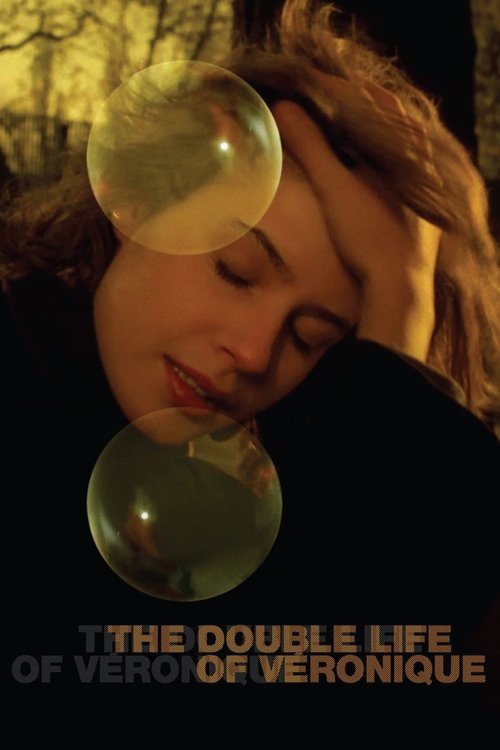
The Double Life of Véronique1991
Kieslowski's haunting meditation on identity, fate, and the lives we almost live. Like Raskolnikov, it's intimate psychological drama that feels both perfectly controlled and emotionally devastating. Visual poetry without sacrificing substance.
But Slow-paced and deliberately cryptic. The mystery isn't solved; it's felt. If you need plot clarity or cathartic resolution, this will frustrate you.
Memories of Murder2003
Bong Joon-ho's masterpiece about a detective haunted by an unsolved case. Sharp, savage, and formally brilliant—it has that same pressure-cooker intensity and moral ambiguity as the Dempsey film, but filtered through noir and dark comedy.
But Violent and nihilistic. The ending refuses comfort or justice. Brutally long at 132 minutes, and it earns every second.

In the Mood for Love2000
Wong Kar-wai on longing and confession—how we hide from truth even when it's unbearable. Like Crime and Punishment, it's about the spaces between what we do and what we admit. Visually intoxicating; emotionally wrecked.
But Dialogue is minimal. Plot is minimal. If you're watching for plot momentum, you'll get restless. It's cinema as mood and architecture.

Not sure tonight? Get a pick in a minute, starting from Crime and Punishment
The wildcard
Something you would not have found on your own.
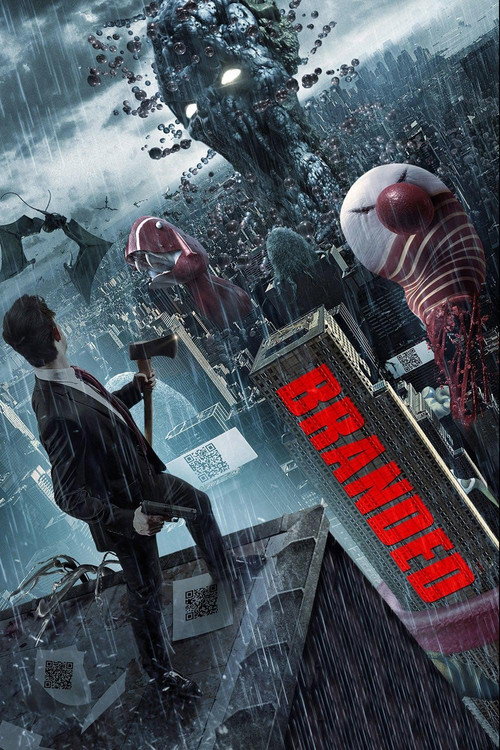
Branded2012
Both track a man's mental unraveling, but Branded abandons realism entirely. Where Raskolnikov confesses to a magistrate, this protagonist confesses to hallucinations. Same moral crisis, completely inverted form.
A delirious, hallucinatory thriller about an advertising executive's descent into paranoia and conspiracy. It looks like a music video colliding with a horror film. Same psychological disintegration as Crime and Punishment, but told through surrealism and visual derangement instead of introspection.
But Aggressively weird and visually overwhelming. The plot doesn't cohere; it's deliberately incoherent. You have to surrender to the style or it becomes obnoxious. Most audiences find it incomprehensible and exhausting.
More like this (6)
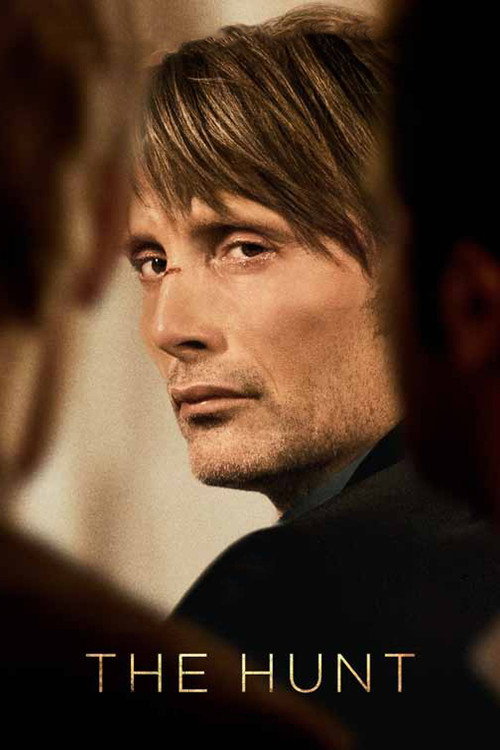
The Hunt2012
Haneke-adjacent drama about a man falsely accused of abuse in a small town. The psychological pressure and social isolation mirror Raskolnikov's torment. Mads Mikkelsen is extraordinary; the film gets under your skin and stays there.
But Deeply bleak. The injustice is real and never quite resolved. Not cathartic; it's designed to leave you disturbed.
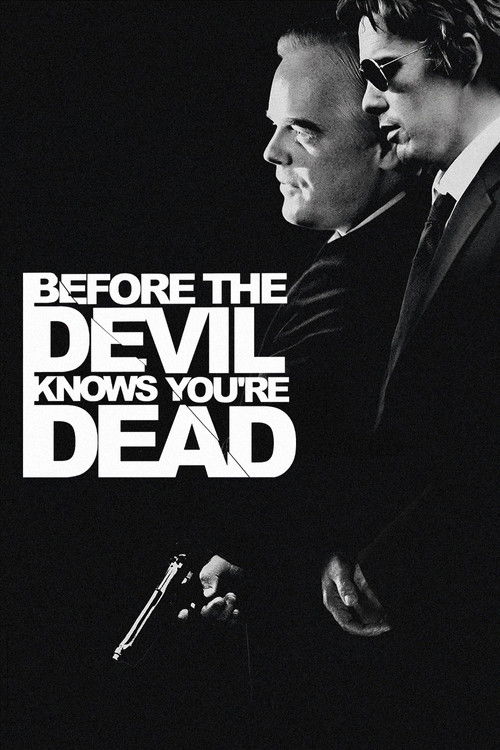
Before the Devil Knows You're Dead2007
Sidney Lumet's final film about two brothers spiraling after a botched crime. Fractured chronology, moral decay, the weight of consequences. Thief-like in energy but psychologically pinched—two men destroying each other and themselves.
But Grim and relentless. Ethan Hawke and Philip Seymour Hoffman at their most broken. There's no redemption here, only fallout.
Stalker1979
Tarkovsky's patient, hypnotic journey through a mysterious zone. Like Crime and Punishment, it's about desire, faith, and the lies we tell ourselves about who we are. Meditative rather than plot-driven; it rewards attention.
But 163 minutes of philosophical science fiction that moves like a glacier. If you need action or clarity, this is the opposite film. It demands surrender.

A Prophet2009
Jacques Audiard's prison drama about a young man's ruthless transformation. Like Crime and Punishment, it traces the corruption of a mind and the moral price of survival. Propulsive, intelligent, and genuinely thrilling.
But Prison violence is unglamorous and visceral. The protagonist becomes harder to root for as he rises. French with subtitles, and fairly dense socially.

The Seventh Seal1957
Bergman's medieval knight playing chess with Death. Existential and visually iconic, it shares Crime and Punishment's fascination with faith, mortality, and what we owe to each other. A cathedral of a film—slow, profound, unforgettable.
But Extremely deliberate and abstract. Bergman's later work can feel remote. If you want emotional immediacy rather than intellectual engagement, it holds you at arm's length.

A Ghost Story2017
Both use confinement—Raskolnikov's small room, the ghost's fixed location—to excavate psychological torment. But this one's about the aftermath of harm, not the act itself. Crime and Punishment looks backward at what was done; A Ghost Story looks forward at what remains.
Casey Affleck haunts his house as a sheet-covered ghost after death, watching his widow grieve. Formally radical and genuinely moving—it's grief as metaphysics, time as character. Like Crime and Punishment, it's about the weight of what we've done and the guilt that survives us.
But No dialogue, minimal plot. A man in a sheet stands motionless for long takes. It's experimental and requires patience. Many people find it pretentious or boring rather than profound.

People
Cast
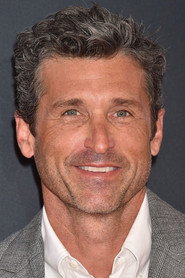 Patrick DempseyRodya Raskolnikov
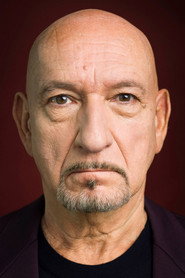 Ben KingsleyMagistrate Porfiry
 Julie DelpySonia Marmeladova
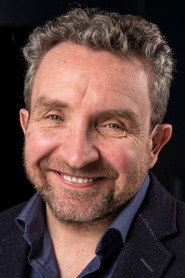 Eddie MarsanDimitri
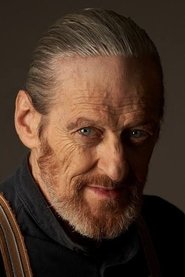 Richard BremmerArkady Ivanovich
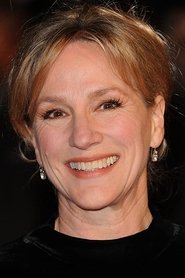 Penny DownieKaterina
- Etela PardoPulcheria
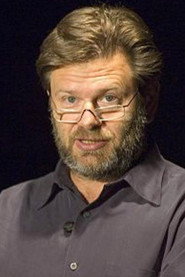 József GyabronkaLouzhin
- Lili HorváthDounia
 Carole NimmonsMarfa
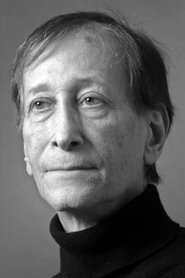 Michael MehlmannSemyon
- Sara TothPolyenka
Directing
- Joseph SargentDirector
Writing
- Fyodor DostoevskyNovel
- David StevensWriter
Production
- Robert Halmi Sr.Executive Producer
- Howard EllisProducer
- Joseph SargentProducer